
Hit enter to search or ESC to close
Dec 2, 2025


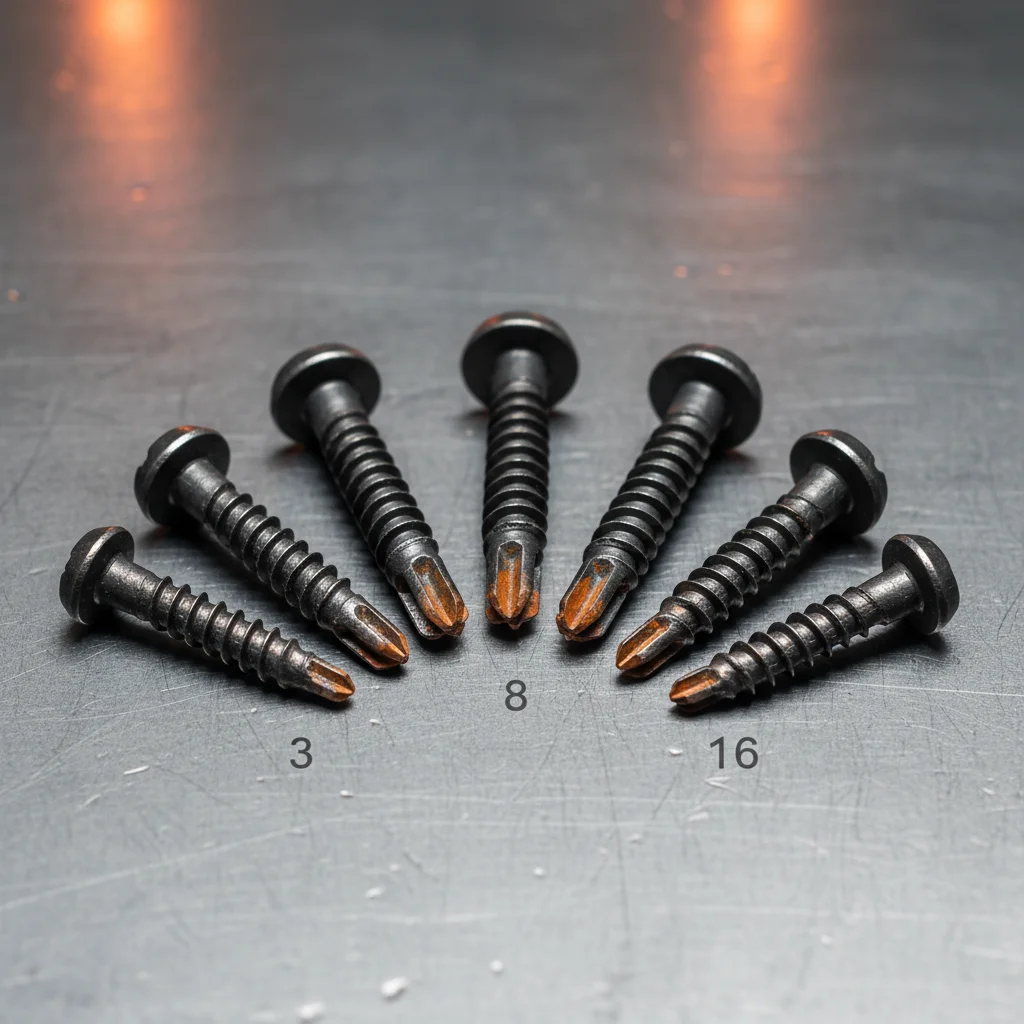
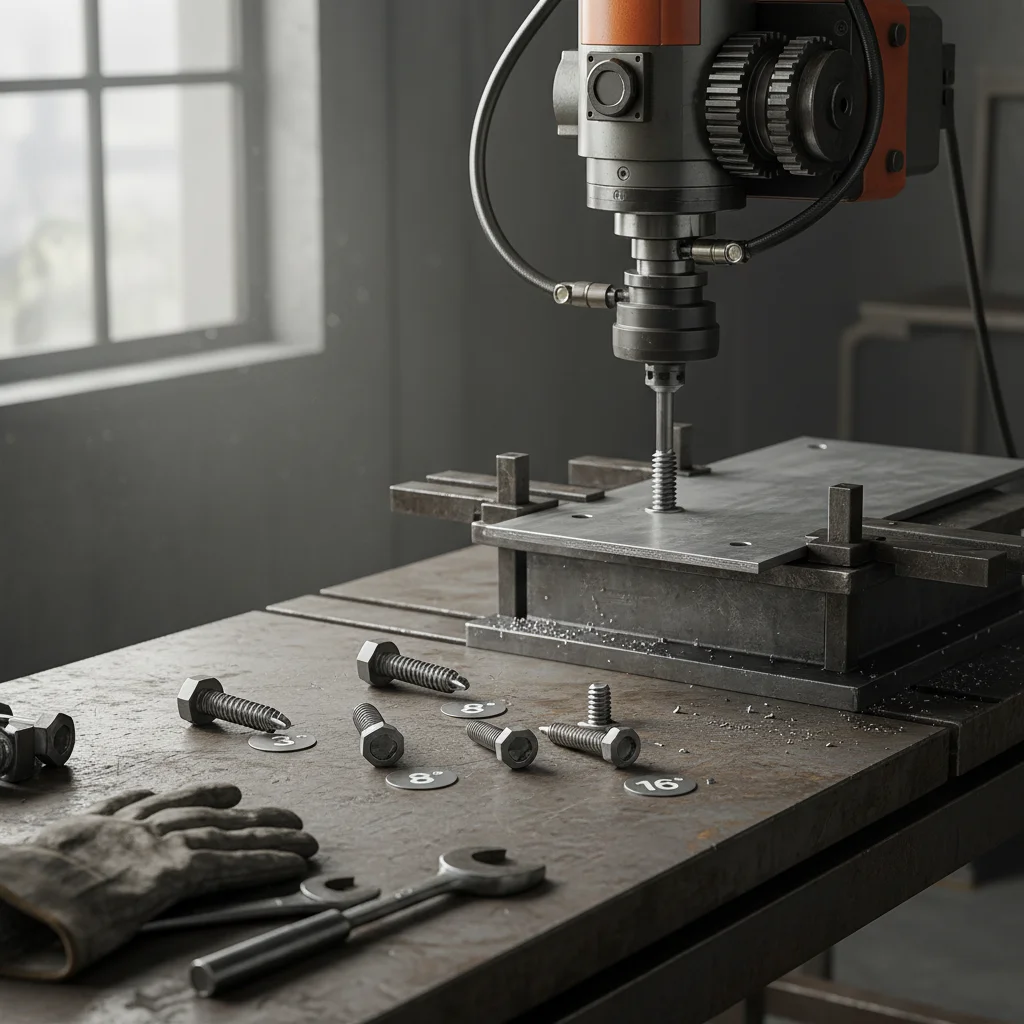
When you think about the sheer volume of mechanical connections made every day, the humble screw, especially the self tapping kind, is at the heart of it all. But here’s the catch: applying the correct torque to self tapping screws is a deceptively complex process—and that’s where the self tapping screw torque chart becomes indispensable. It’s not just about tightening a screw; it’s about balancing strength, material integrity, and safety on a global scale.
The relevance of torque specification for self tapping screws spans many industries—automotive, aerospace, electronics, construction, to name a few. According to ISO standards (like ISO 898-1), the wrong torque can cause failures leading to costly downtime or safety hazards. World Bank data on infrastructure investments shows that reliable fasteners substantially impact project longevity and maintenance costs worldwide. Yet, despite this, torque specs are sometimes overlooked in the field, especially in remote or resource-limited environments. This disconnect can result in structural failures or recalls, affecting both manufacturers and end users worldwide.
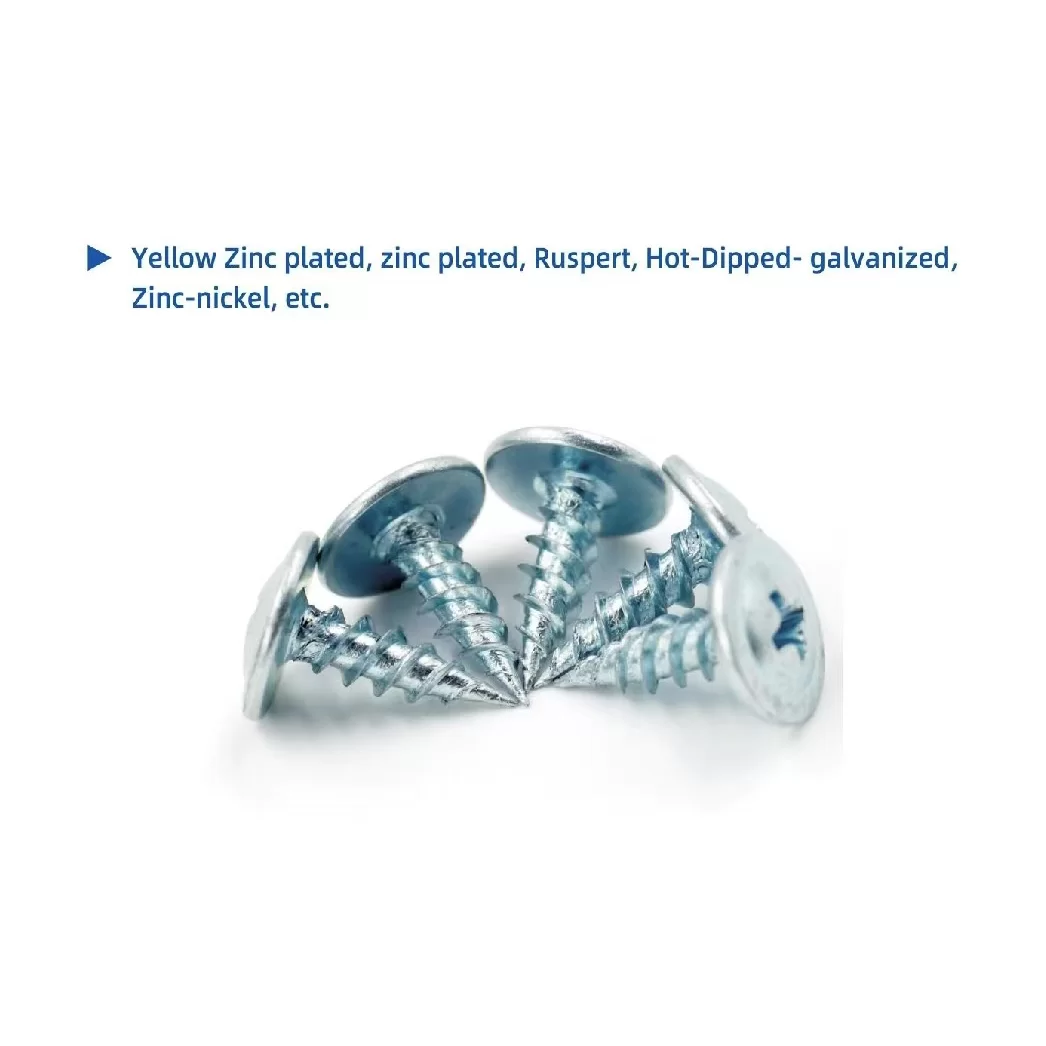
A self tapping screw torque chart is essentially a guideline—a technical reference that details the recommended torque values for installing different sizes and types of self tapping screws into various materials. It accounts for factors like screw diameter, thread pitch, material hardness, and substrate type. The chart ensures that the screw is tight enough to provide secure fastening without stripping threads or cracking components. Modern manufacturing, from smartphones to solar panels, rely heavily on these precise torque recommendations to ensure product reliability and performance.
All these factors work together, so the torque chart isn’t one-size-fits-all but a nuanced map guiding engineers through the complexity.
| Specification | Value / Description |
|---|---|
| Screw Diameter | M3 to M10 (metric sizes common) |
| Material | Stainless steel, carbon steel, brass |
| Thread Type | Coarse and fine threads |
| Torque Range | 0.5 Nm to 10 Nm depending on size and material |
| Typical Applications | Sheet metal fastening, plastic assembly, lightweight structures |
Mini Takeaway: The torque chart adapts to screw variations and materials, helping industries maintain safety and quality without guesswork.
Self tapping screw torque charts are vital across continents and sectors. For instance:
Oddly enough, even seemingly simple things like playground equipment safety — widely regulated by organizations such as ISO and ASTM — hinge on correct fastening torque.
| Vendor | Chart Detail | Industry Focus | Accessibility |
|---|---|---|---|
| Lianshiwjnail Co. | Comprehensive torque ranges, lubricant variations included | Construction, electronics, automotive | Free downloadable charts |
| TechFasteners Ltd. | Standardized torque data across multiple screw types | Aerospace, defense | Subscription-based access |
| GlobalFix Solutions | Focus on eco-materials and torque adjustments for composites | Green energy, electronics | Available on request |
Mini Takeaway: Knowing which torque chart vendor aligns with your industry and project needs can prevent costly mismatches.
Applying the right torque following a self tapping screw torque chart offers several benefits:
Plus, it conveys trust. When technicians see proper torque guidelines, they feel confident their work isn’t just guesswork but grounded in sound engineering.
The industry is moving toward smart torque technologies—digital torque wrenches paired with IoT sensors that record torque values in real time for quality assurance. Materials science is evolving too: self tapping screws made from advanced alloys that maintain thread integrity at wider torque ranges are emerging. More policies are also encouraging sustainability—with torque charts tailored for biodegradable fasteners or composites gaining traction. You can check updates on these innovations by visiting ongoing research portals like ISO or NIST.
Despite the benefits, challenges remain. Torque charts can’t always capture field variability—think temperature fluctuations or operator skill differences. Over-tightening due to misread charts or undersized tools is common. What helps? Rigorous training, calibrated digital torque tools, and more localized torque charts that consider environmental factors. Organizations like NIOSH promote ergonomic torque tool design to reduce operator fatigue and error.
A1: Lubrication reduces friction, meaning less torque is needed to achieve the same clamping force. Most torque charts provide separate figures for dry and lubricated screws. Always refer to the manufacturer's chart to avoid over-tightening.
A2: Absolutely. Over-torquing may crack the material or deform the screw, while under-torquing can loosen assemblies, risking safety. Both extremes may cause failures sooner than expected.
A3: Not quite. Torque values depend on screw design, material, and application substrate. Always use charts specific to your screw type and base material for best results.
A4: Ideally, torque wrenches should be calibrated annually or per manufacturer recommendations, especially in critical applications to maintain precision.
A5: Well-regarded sources include manufacturer websites like Lianshiwjnail, industry standards organizations (ISO), and engineering handbooks.
In sum, the self tapping screw torque chart plays a quiet but critical role in ensuring mechanical connections worldwide are strong, safe, and lasting. Understanding and applying it properly saves time, costs, and even lives across industries. If you want to deepen your knowledge or access up-to-date torque charts, do visit https://www.lianshiwjnail.com. Precision is always worth the little extra effort.
Reflecting on this, I suppose it’s a neat reminder that even the simplest parts need careful thought—pivotal in making our complex world safer and more efficient.
References:
JOIN OUR NEWSLETTER


If you are interested in our products, you can choose to leave your information here, and we will be in touch with you shortly.