
Hit enter to search or ESC to close
Dec 2, 2025


When you think about the humble screw, it’s easy to overlook the technical precisions behind it—especially the thread sizes of self tapping screws. Yet, understanding self tapping screw thread sizes is crucial worldwide, from massive infrastructure projects to tiny tech devices. These screws punch their own holes, fastening materials quickly without pre-drilling, which can save tons of time and money — a real boon in fast-paced manufacturing or emergency construction. But it’s not just about speed; it’s about safety, durability, and standardization, and frankly, getting the thread size right can be a make-or-break detail in everything from building resilient homes to ensuring machines run smooth for decades.
On a global scale, self tapping screws serve industries valued in the billions of dollars. According to ISO standards, which help harmonize measurements across borders, these screws' thread sizes ensure compatibility and safety across continents. The construction sector alone accounts for a significant chunk of metal fasteners’ use, and the demand is only growing with rapid urbanization. Oddly enough, industries in developing regions depend heavily on these threads for quick assembly with minimal tools — simplifying logistics and improving infrastructure reliability.
However, one key challenge is the inconsistent understanding or application of thread sizes — which can cause failures, delays, and cost overruns. That’s exactly why deep knowledge of self tapping screw thread sizes is so important, particularly for engineers and procurement specialists who source these vital components internationally.
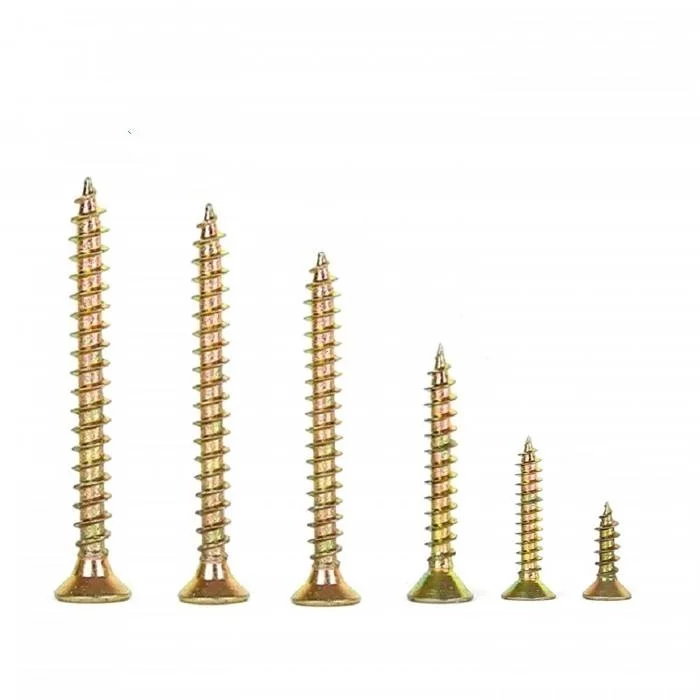
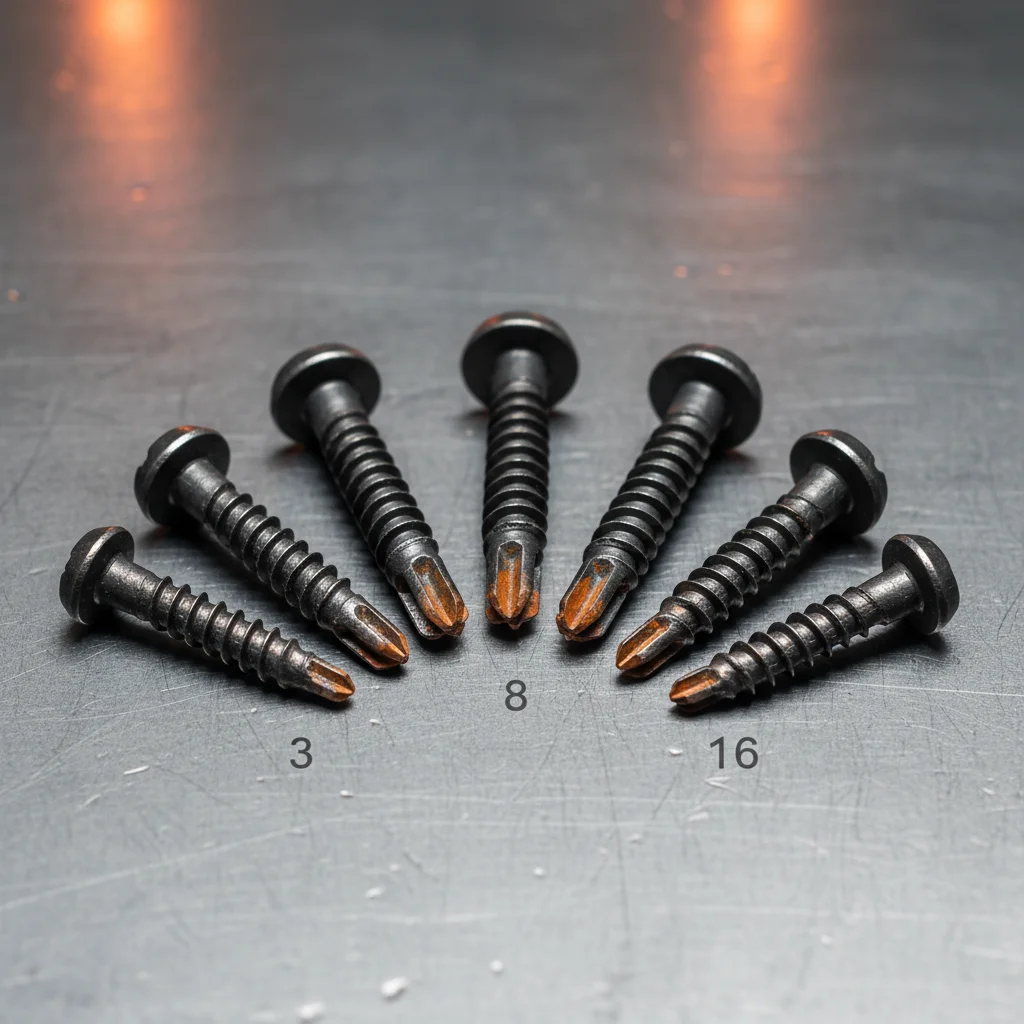
Simply put, self tapping screw thread sizes refer to the dimensions and pitch of the screw’s helical ridges, designed specifically to cut into the material it’s being driven into. Unlike regular screws, these don’t require pilot holes since they form or cut their own threads as they’re inserted, making them indispensable for sheet metal, plastics, and wood assemblies. From humanitarian shelter builds to precision machinery, the correct thread size ensures the screw holds tight without cracking or stripping the material.
The diameter affects the screw’s grip strength, while the pitch (thread spacing) influences penetration and holding power. Choosing the right balance depends on the material's density and mechanical stress.
Threads may be coarse or fine, and their shapes (triangular, square, etc.) impact the ease of insertion and load distribution — crucial for long-term durability.
Thread size must match the material hardness, as harder materials need stronger threads to avoid stripping or damage.
Selection of coatings (zinc, stainless steel, or PVD) depends partly on thread size and intended environmental exposure – obviously important in coastal or industrial settings.
Automotive and aerospace industries have bespoke thread size standards to meet tight tolerances, while construction may use broader ranges. Tailoring the size to the industry ensures maximum safety and efficiency.
Understanding these factors isn’t just academic — it’s the foundation for selecting the right self tapping screw thread sizes for any project, avoiding costly failures or delays.
| Spec | Typical Range | Common Usage |
|---|---|---|
| Diameter | 2 mm to 12 mm | Electronics, Light to Medium Construction |
| Thread Pitch | 0.4 mm to 2.5 mm | Metal & Plastic Assemblies |
| Length | 5 mm to 100 mm | Various Structural Uses |
| Material | Steel, Stainless Steel, Brass | Indoor and Outdoor Applications |
From Asia’s booming construction sites to humanitarian projects in sub-Saharan Africa, self tapping screw thread sizes make the difference in project timelines and safety benchmarks. In post-disaster relief operations, pre-sized screws enable rapid assembly of temporary shelters, avoiding the chaos of mismatched parts. In automotive manufacturing hubs like Germany and Japan, precise thread sizing is crucial to uphold product reliability and safety standards.
Remote industrial zones, such as mining operations in South America, benefit from self tapping screws because they reduce the need for specialized tools on-site, boosting efficiency and limiting downtime. Even in high-tech electronics from Silicon Valley, the miniaturization of components depends on selecting exact thread dimensions that fit tight spaces best.
| Vendor | Thread Size Range (mm) | Material Options | Certifications | Typical Lead Time |
|---|---|---|---|---|
| Lianshiwjnail Co. | 2 to 10 | Steel, Stainless Steel | ISO 9001, RoHS | 2 weeks |
| FastenRight Ltd. | 3 to 12 | Brass, Steel | ISO 14001 | 3 weeks |
| GlobalThread Solutions | 1.5 to 8 | Stainless Steel, Alloy Steel | ISO 9001, CE | 1 week |
Getting self tapping screw thread sizes right means you avoid costly repairs, reinforce structures, and extend product lifespans. Economically, it translates to minimized waste and better supply chain efficiency. Emotionally and socially, people trust designs that hold firm—whether in a family’s home or a hospital’s equipment.
Though sometimes we get fixated on innovation or flashy tools, it’s the reliability of fasteners — the quiet, unglamorous heroes — that build trust and safety. In long-term sustainability terms, proper usage reduces material failures, lowering environmental impact through less frequent replacements.
Looking ahead, the future of self tapping screw thread sizes lies in automation and materials science. Smart fasteners embedded with sensors to monitor stress are emerging in aerospace and automotive sectors. Meanwhile, eco-friendly coatings that maintain corrosion resistance without harmful chemicals are gaining ground. Digital manufacturing and Industry 4.0 are pushing tighter tolerances and customized thread profiles — sometimes even tailored on-demand via 3D printing.
One stubborn challenge is the variability in global standards, which can confuse buyers and engineers. To counter this, organizations increasingly rely on universal specs and certifications like ISO 1478 for thread design. Another issue is environmental wear—choosing the wrong thread size or material in harsh conditions can cause premature failure. Solutions include enhanced quality testing and adopting hybrid materials that combine strength with resilience.
In real terms, understanding and applying the right self tapping screw thread sizes can save money, prevent failure, and support sustainable design in projects spanning from local DIY to global aid. It’s one of those details worth the time because it builds a foundation for safety and efficiency. If you’re in the market for fasteners or want to up your knowledge, don’t hesitate to explore options, compare specs, and reach out to trusted vendors.
Visit our website: https://www.lianshiwjnail.com to explore detailed specs and sourcing options for self tapping screw thread sizes.
Quick takeaway: Solid knowledge of self tapping screw threads feels like a small gear, but it’s the engine driving reliable assembly worldwide.
References:
JOIN OUR NEWSLETTER


If you are interested in our products, you can choose to leave your information here, and we will be in touch with you shortly.