
Hit enter to search or ESC to close
Dec 2, 2025


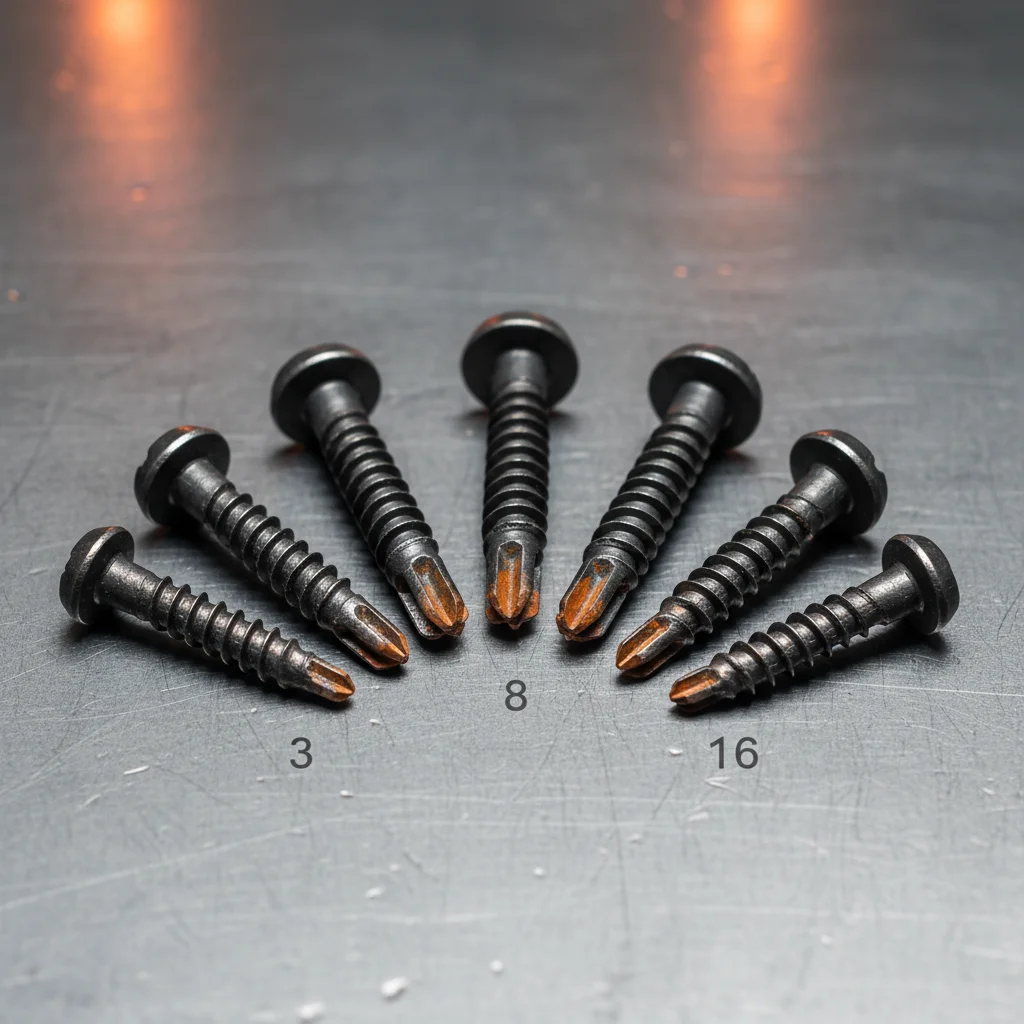
If you've ever worked with fasteners, you know that not all screws are created equal. Self tapping screw standard sizes might sound like a niche technical detail, but it’s truly a cornerstone of global manufacturing, construction, and even humanitarian efforts worldwide. Frankly, getting a grasp on these standards can save you headaches, money, and even time—plus boost reliability in any project.
We often overlook how something as small as a screw can impact massive supply chains and industries. According to ISO standards, adhering to uniform screw sizes ensures interchangeable parts, ease of tooling, and predictability—vital in industries like automotive, aerospace, and infrastructure. The World Bank reports that standardized components accelerate construction projects, helping economies build faster and smarter. Plus, they help NGOs and relief organizations deploy equipment that fits universally.
That said, inconsistent screw sizes can cause costly delays, compatibility issues, and safety risks. Understanding self tapping screw standard sizes is one way to sidestep those problems.
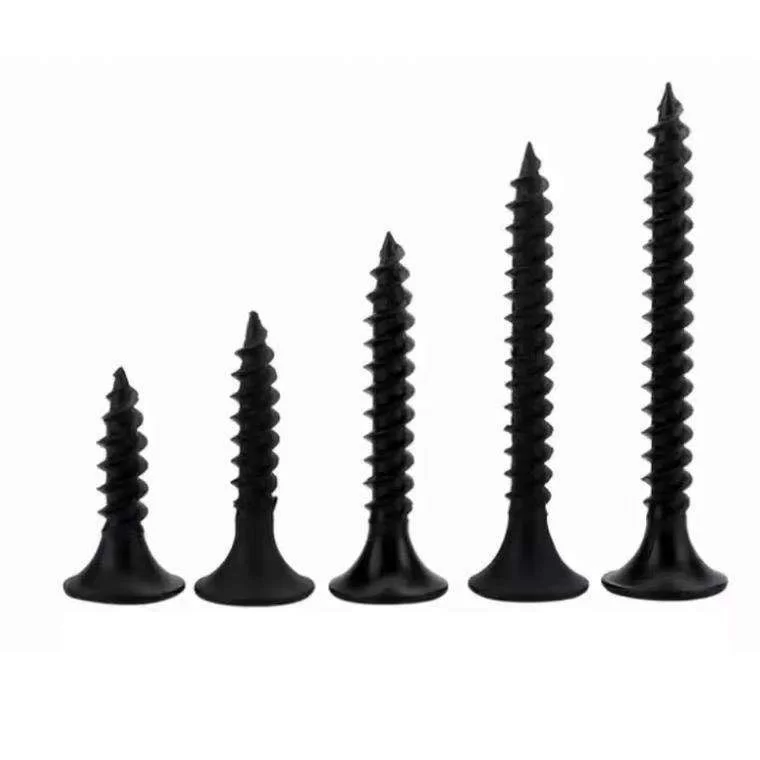
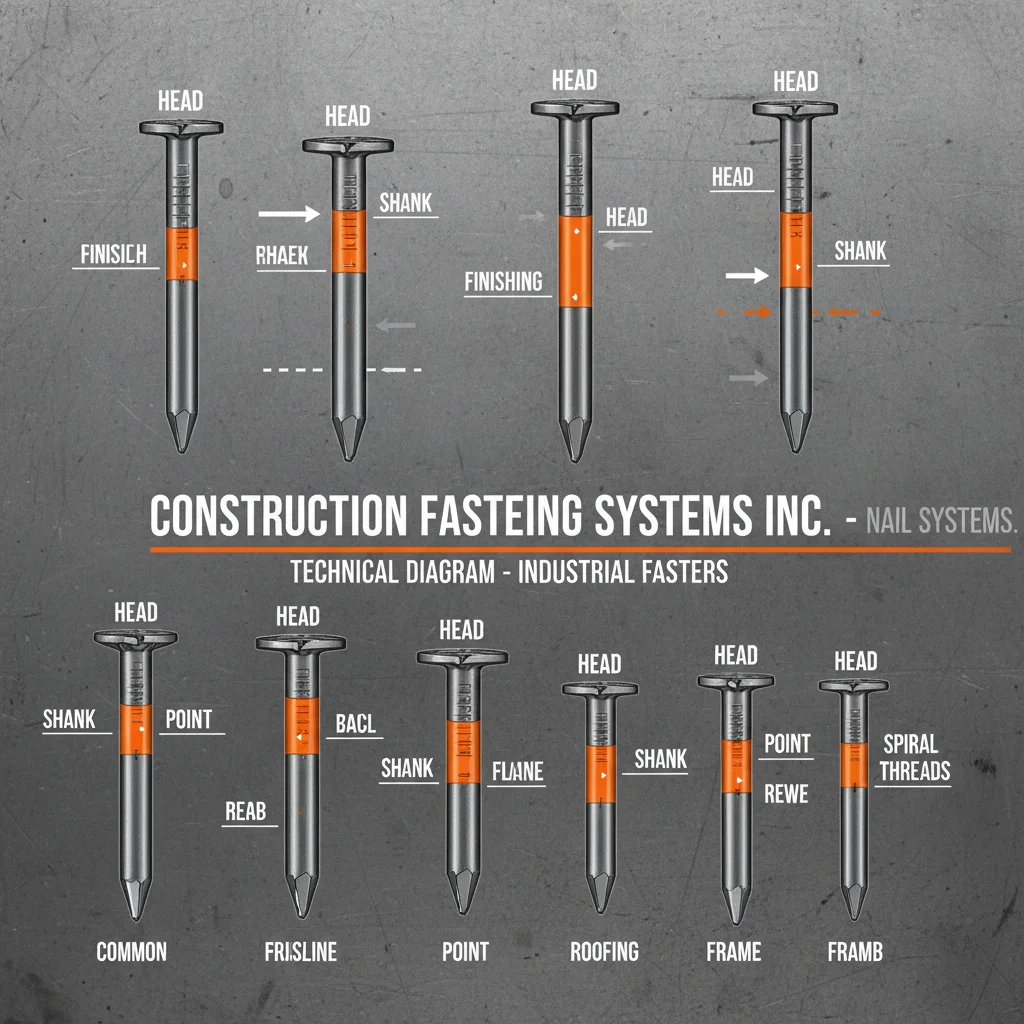
Simply put, a self tapping screw is a specialized fastener designed to tap its own hole as it’s being driven in. Standard sizes refer to the officially recognized dimensions—diameter, thread pitch, and length—that define these screws so that manufacturers and users are on the same page.
These sizes align with ISO, ANSI, or DIN standards, making it easier to match screws with materials like metal, plastic, or wood in construction or machinery. It’s a tiny detail with huge implications for product performance and durability, especially in industries requiring consistent parts or quick assembly.
The diameter (measured in millimeters or inches) combined with thread pitch (distance between threads) determines the screw’s grip and suitability for materials. Too coarse or fine, and the screw might fail or damage the substrate.
Obvious but essential—different applications need different screw depths. Too short and you lose weight-bearing capacity; too long and you risk splitting or protruding.
Steel, stainless steel, brass or specialized alloys offer varying corrosion resistance and strength. Coatings like zinc or phosphate safeguard screws against rust, critical in harsh environments.
Flat, pan, or hex heads affect both aesthetics and function. For example, countersunk flat heads provide flush finishes, important for streamlined surfaces.
Phillips, Pozidriv, Torx, and others support different torque and reduce cam-out risks. Modular assembly lines especially favor certain drive types for automation compatibility.
Certified screws meet regulations for fire resistance, load limits, and safety—crucial across construction and transportation sectors.
Mini Takeaway: The interplay of specs like diameter, length, and thread pitch isn’t just technical jargon—these aspects ensure the screw fits its job perfectly, helping your project hold together long-term.
Where do self tapping screw standard sizes really shine? Almost everywhere. From building skyscrapers in Dubai to assembling electronics in Shenzhen, they’re indispensable. Oddly enough, their role expands beyond industry. In post-disaster relief, portable shelters and medical equipment use standardized screws for fast deployment and easy repair.
Consider remote mining operations in Australia—the standard sizes ensure every bolt-up tool works as expected, cutting downtime in unforgiving environments. Aerospace manufacturers in Europe demand precise sizing to meet strict safety certifications, where every millimeter counts.
| Specification | Common Range | Example |
|---|---|---|
| Diameter | 2 mm – 12 mm | M4 (4 mm) |
| Length | 6 mm – 100 mm | 30 mm |
| Thread Pitch | 0.5 mm – 2.0 mm | 0.7 mm pitch |
| Material | Steel, stainless steel | Stainless steel A2 |
Standard sizes mean predictable costs: manufacturers can mass-produce components, reducing waste and lowering prices. This also means easier sourcing globally—whether you’re in Europe, Asia, or Africa. For consumers, the reliability of a properly sized self tapping screw avoids embarrassing failures and repairs.
But it’s not only about logic. Safety connects deeply to social trust and dignity: people building homes or shelters want to feel secure. Innovators value how standardized screws speed prototyping and product iterations, keeping pace with rapid tech evolution.
| Vendor | Range of Sizes | Materials | Lead Time | Certifications |
|---|---|---|---|---|
| Lianshi Wjnail | M2 – M12 | Steel, Stainless Steel A2/A4 | 2–3 weeks | ISO 9001, RoHS |
| TechFasteners Inc. | M3 – M10 | Steel, Alloy Steel | 1–2 weeks | ISO 14001 |
| Global Screw Co. | M4 – M14 | Stainless Steel, Brass | 3–4 weeks | REACH Compliance |
Material science is pushing boundaries: composites and bio-based coatings aiming to reduce environmental impact are on the rise. Digital manufacturing advances, including 3D printing of fasteners, promise custom sizes where standards meet bespoke needs. Automation in factories increasingly demands screw drive styles that minimize tool wear and assembly errors. Sustainability regulations are nudging vendors toward greener zinc or phosphate-free coatings.
Oddly enough, despite standardization, regional variations and counterfeit products still confuse procurement teams. Sourcing quality certified screws from trusted vendors is key. Also, complex assemblies with mixed materials sometimes require non-standard thread types or custom coatings—fields where innovation meets practical necessity.
Experts recommend investing in supply chain traceability technologies and rigorously testing fasteners in situ to overcome these hurdles.
Long story short, standard sizes for self tapping screws may not grab headlines, but they are quietly shaping the safety, cost-effectiveness, and innovation capability across countless industries worldwide. They provide a universal language for engineers, builders, and logisticians to collaborate seamlessly.
If you want to dive deeper or source reliable supplies, do visit Lianshi Wjnail—a trusted resource offering a broad range of standardized fasteners that meet stringent quality standards.
Understanding these tiny but mighty tools can change the way you build, fix, or innovate.
Takeaway: In a world running on standardization, even screws speak a universal language that keeps everything together.
JOIN OUR NEWSLETTER


If you are interested in our products, you can choose to leave your information here, and we will be in touch with you shortly.