
Hit enter to search or ESC to close
Nov 26, 2025


If you've ever wondered how construction and industrial projects keep progressing without hiccups, self drill fixings have probably played a small yet mighty role behind the scenes. Globally, these handy fasteners have become essential due to their speed, reliability, and ease of use. Understanding self drill fixings is important not only for engineers and builders but also for organizations working in remote or disaster-prone areas where quick assembly is a matter of safety and often dignity.
According to ISO standards on mechanical fasteners (ISO 898-1), reliability and standardization are key when it comes to industrial fasteners—and self drill fixings fit the bill perfectly. Even the World Bank has noted the increased reliance on modern construction techniques that lower costs and shorten project timelines, especially in infrastructure projects across Asia and Africa.
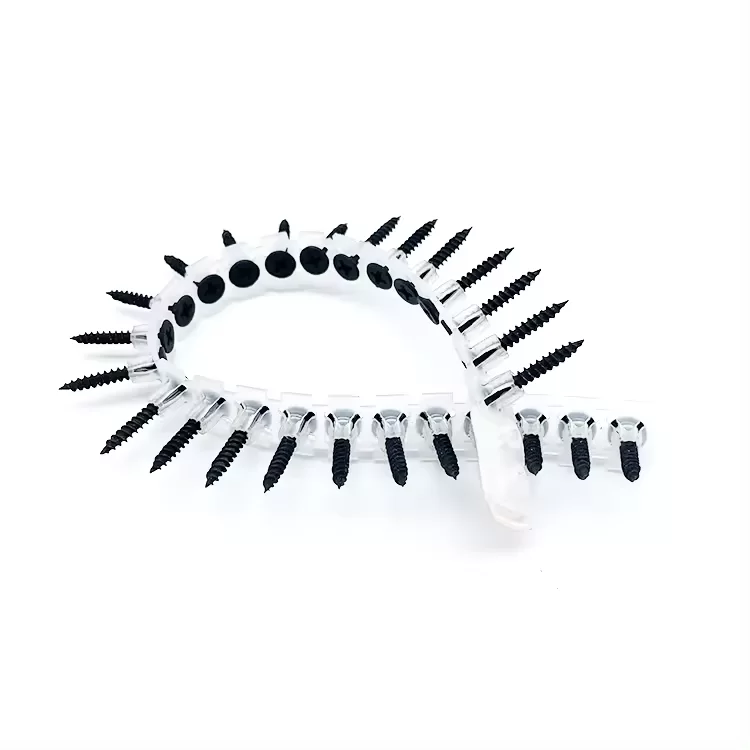
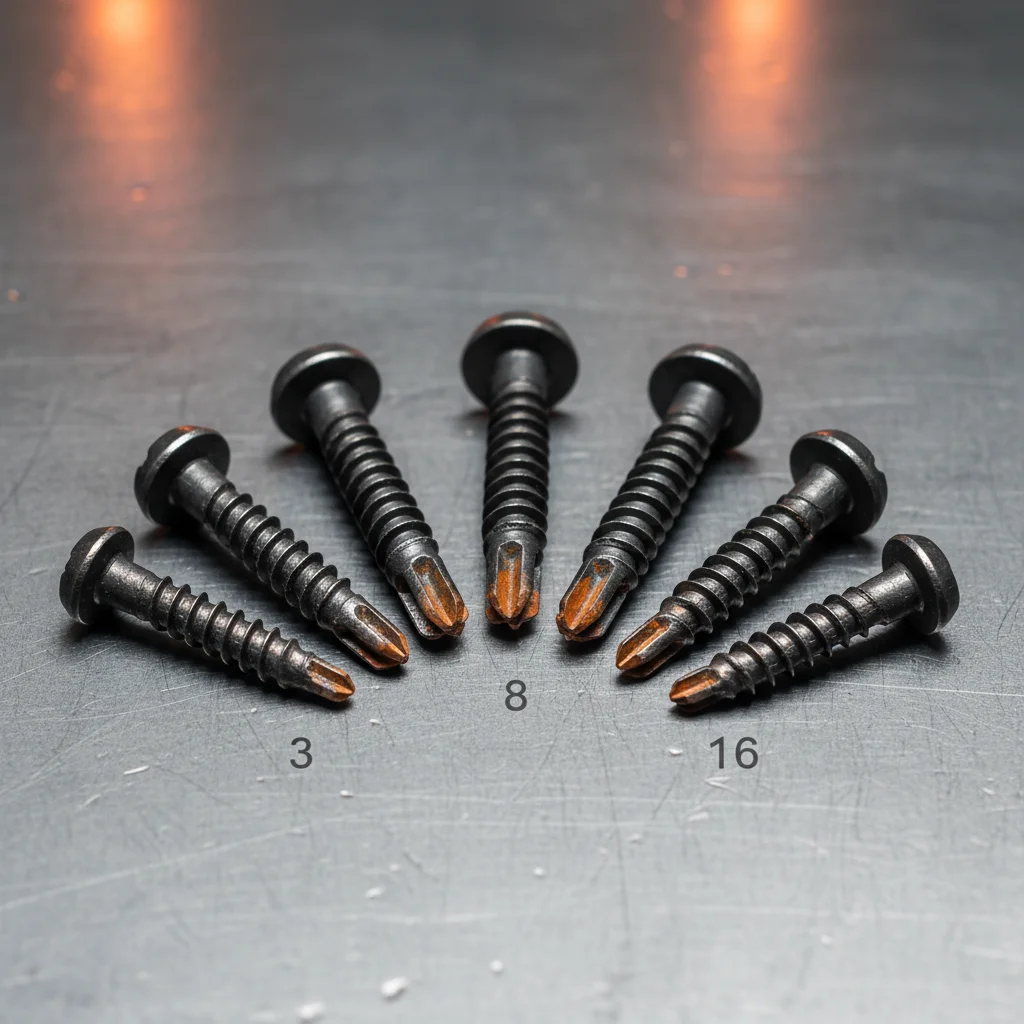
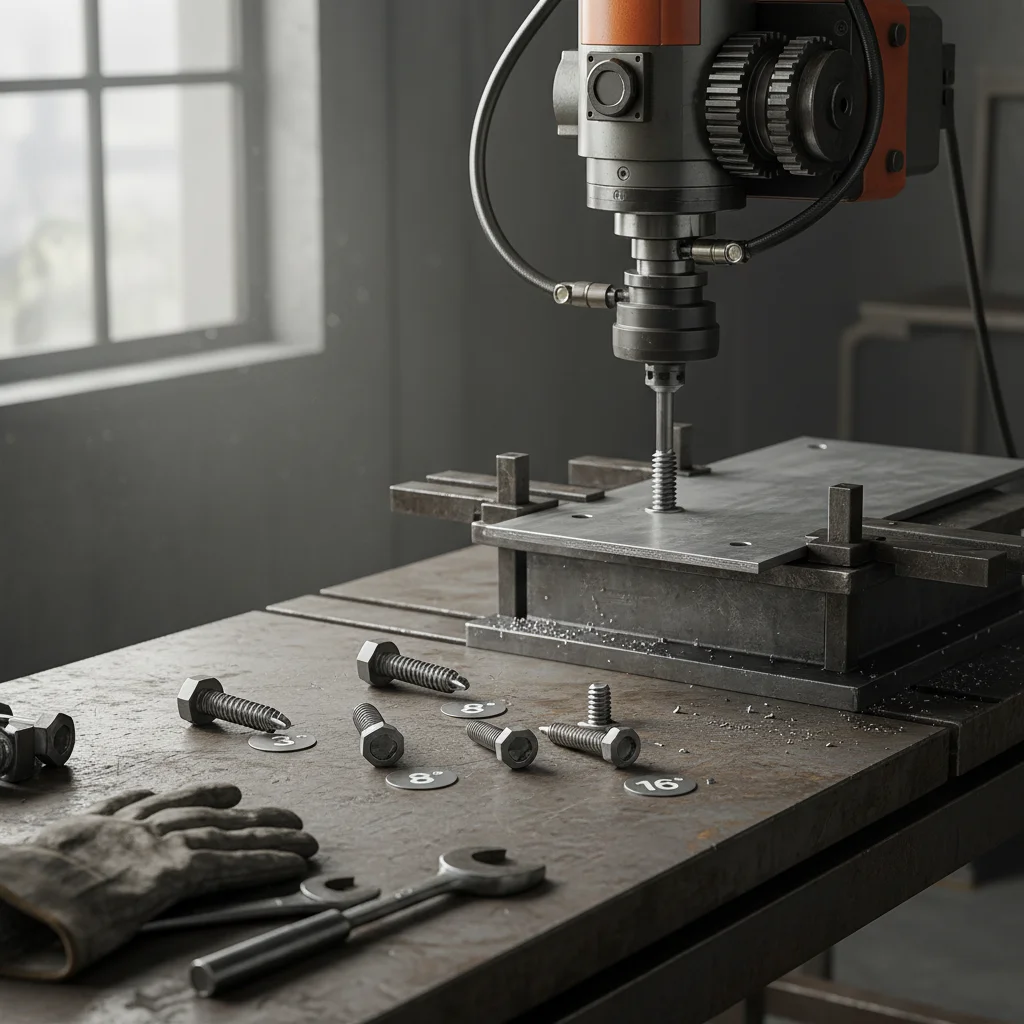
Simply put, self drill fixings are screws or fasteners designed with a drill bit-shaped tip, allowing them to drill their own pilot hole as they are screwed in — eliminating the need for pre-drilling. This small design twist drastically speeds up assembly and reduces the number of tools needed onsite.
In modern industry, from civil engineering to manufacturing assembly lines, self drill fixings address a big problem: accelerating construction while maintaining strong, lasting joints — all with fewer steps. NGOs working in emergency shelter construction rely heavily on these fixings because they enable rapid setup of modular housing that is both durable and reusable.
Usually crafted from stainless steel or hardened carbon steel, these fixings withstand harsh environments and resist corrosion. From arid deserts to salty coastal infrastructure, durability ensures the fastener lasts as long as the structure itself.
The self-drilling feature reduces the overall installation time by nearly 50%, according to some industry surveys. This makes a huge difference, especially on large sites where labor and time costs skyrocket.
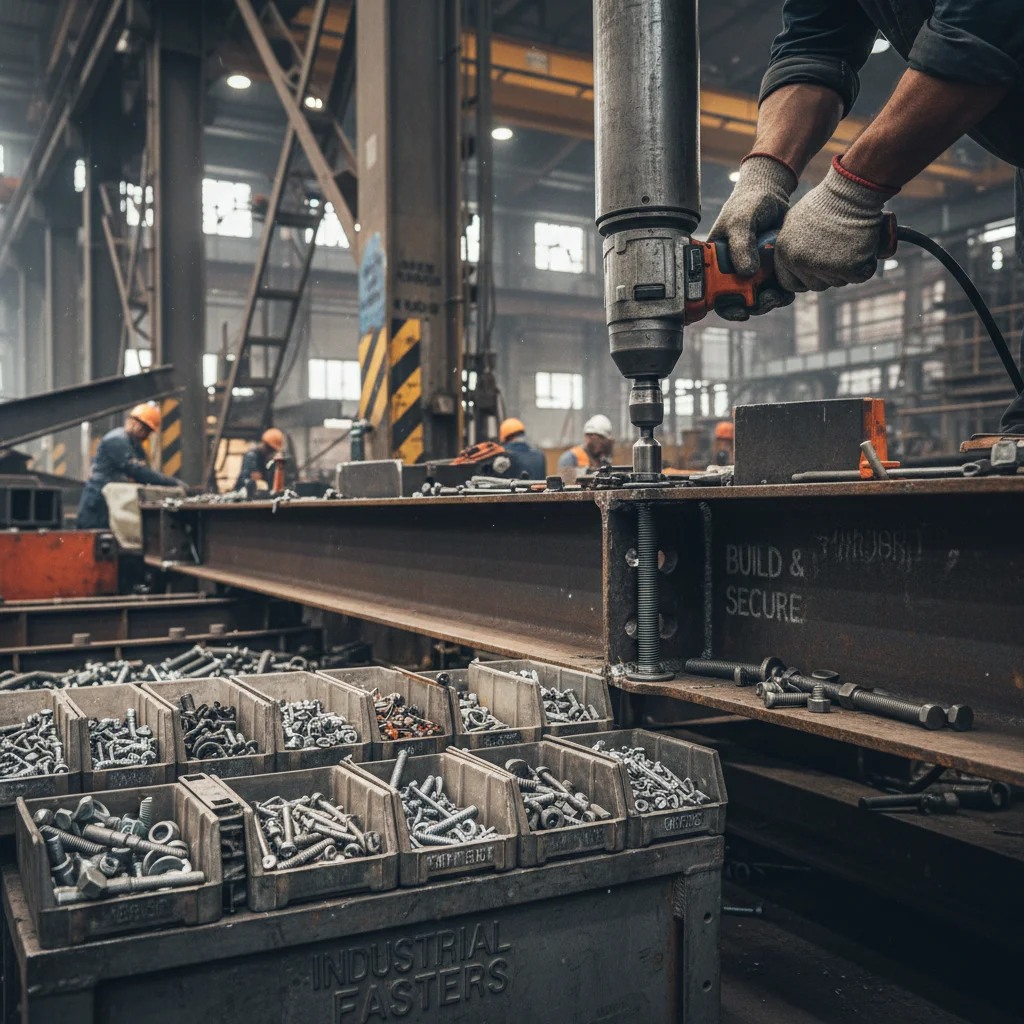
Whether fastening metal to metal, joining wood to metal, or even light concrete connections, self drill fixings come in various sizes and coatings to suit different applications.
Fewer tools, fewer workers, and less downtime mean that these fixings contribute significantly to lowering total project costs. And yes, the initial price might be higher than average screws, but the savings are in the bigger picture.
By creating a clean, secure connection the first time, these fixings reduce structural issues and rework risks — both of which can be dangerous and costly.
The use of self drill fixings is truly global. In Asia’s booming construction markets—from skyscrapers in Singapore to industrial warehouses in Vietnam—they’re practically indispensable. In Europe, industries lean on them to meet stringent ISO standards while optimizing assembly lines.
Interestingly, in post-disaster zones such as Haiti or Indonesia, NGOs deploy temporary shelters using self drill fixings to reduce setup time drastically. Even in remote industrial zones like Arctic hubs or offshore platforms, these fixings keep operations running smoothly despite tough conditions.
Practically, you save time and money. But emotionally, there's safety, trust, and a sense of reliability that comes with knowing your structure won’t fail on day one. It feels satisfying when a product works the first time — I don’t know about you. Plus, many developers highlight the environmental benefits: fewer waste materials from less drilling and reduced need for replacement parts.
| Specification | Typical Values |
|---|---|
| Material | Stainless Steel, Carbon Steel |
| Thread Type | Coarse or Fine Thread |
| Head Types | Pan, Hex, Countersunk |
| Diameter Range | 4 mm – 12 mm |
| Length Range | 12 mm – 150 mm |
| Coating Options | Zinc-Plated, Galvanized, Black Oxide |
| Vendor | Product Range | Typical Lead Time | Global Availability | Warranty |
|---|---|---|---|---|
| FastFix Inc. | Wide range, custom sizes | 2 weeks | Global | 5 years |
| DrillPro Solutions | Specialized for metal-heavy builds | 3 weeks | N. America & Europe | 3 years |
| EcoFasteners | Eco-friendly coatings and materials | 4 weeks | Europe & Asia | 7 years |
The future feels equally exciting and packed with promise. Advances in nanotechnology coatings are poised to make self drill fixings even more resistant to corrosion and wear. Industry buzz also points towards "smart fasteners" — integrating sensors that monitor tension and temperature, offering previously unheard-of insight into structural health.
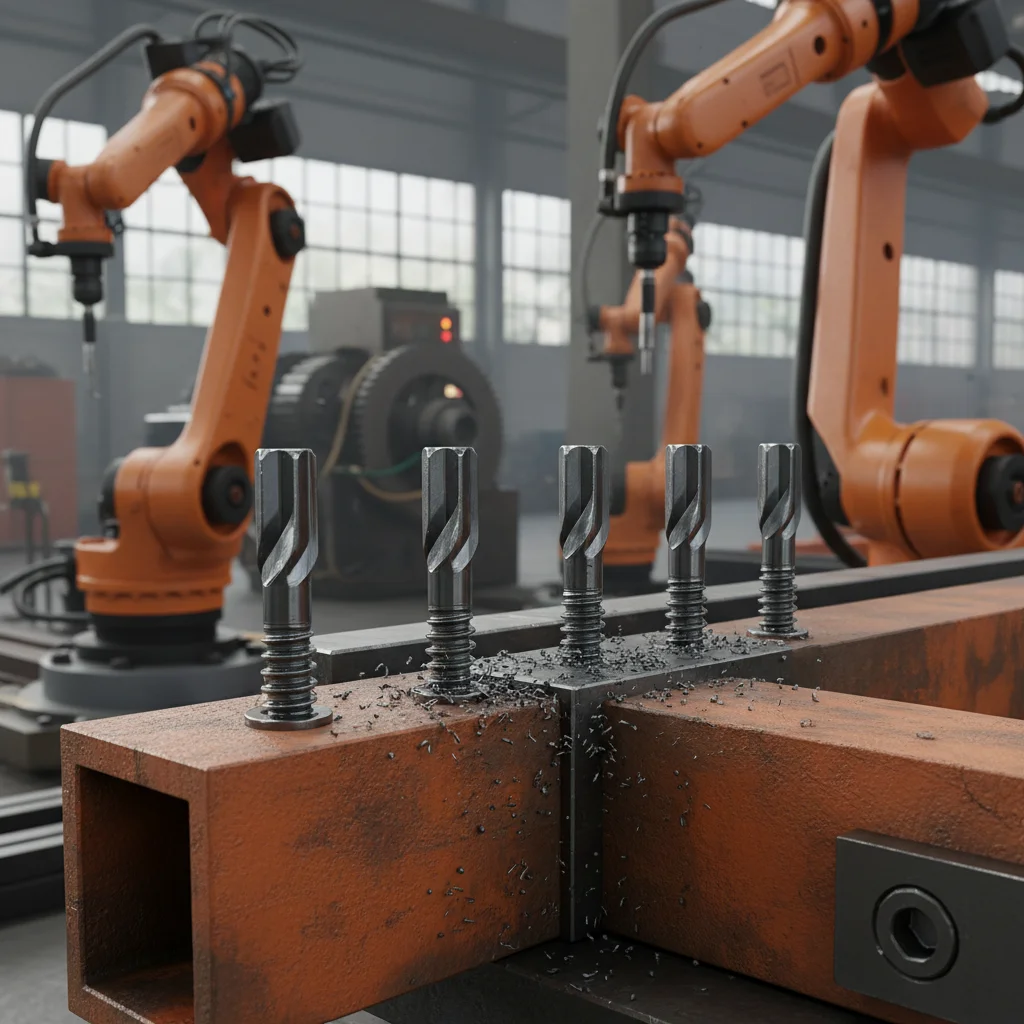
Sustainability remains a serious driver. Materials derived from recycled metals and eco-conscious coatings promise to reduce environmental impact without sacrificing performance. Automation and robotic assembly lines will likely increasingly rely on these versatile fixings, especially with self drill fixings that require minimal preparation.
Of course, self drill fixings aren't flawless. Their effectiveness depends on careful matching to base materials — use the wrong kind, and you risk cracking or weak joints. Also, environmental extremes can still cause fatigue over time.
To tackle these, engineers have started adopting hybrid fasteners combining resin or adhesives with self drill features, boosting load capacity. Additionally, better testing standards based on ISO 4762 help ensure optimal product choice and installation techniques.
Self drill fixings generally work on metal and wood but are not ideal for hard concrete without pre-drilling. In such cases, specialized anchors or masonry screws are better suited.
When made with stainless steel or appropriate coatings, they can last 10+ years in outdoor environments, resisting rust and corrosion. Choosing the right coating is key.
Typically, they are designed as permanent fasteners. Removing and reusing can decrease holding strength and is generally not recommended for critical structures.
Import regulations vary by country, but many vendors support international shipping. Partnering with vendors who provide documentation aligned with ISO and UN procurement standards can help smooth logistics.
Self drill fixings might seem like a small part of a massive industrial puzzle—but their influence on safety, speed, and cost-efficiency can’t be overstated. Whether you’re an engineer in a metropolitan skyscraper project or a relief worker setting up critical shelters in a disaster zone, using the right fixings can transform outcomes. Curious to learn more or need high-quality products? Visit our website: https://www.lianshiwjnail.com — there's a whole world of fasteners waiting.
JOIN OUR NEWSLETTER


If you are interested in our products, you can choose to leave your information here, and we will be in touch with you shortly.