
Hit enter to search or ESC to close
Dec 2, 2025


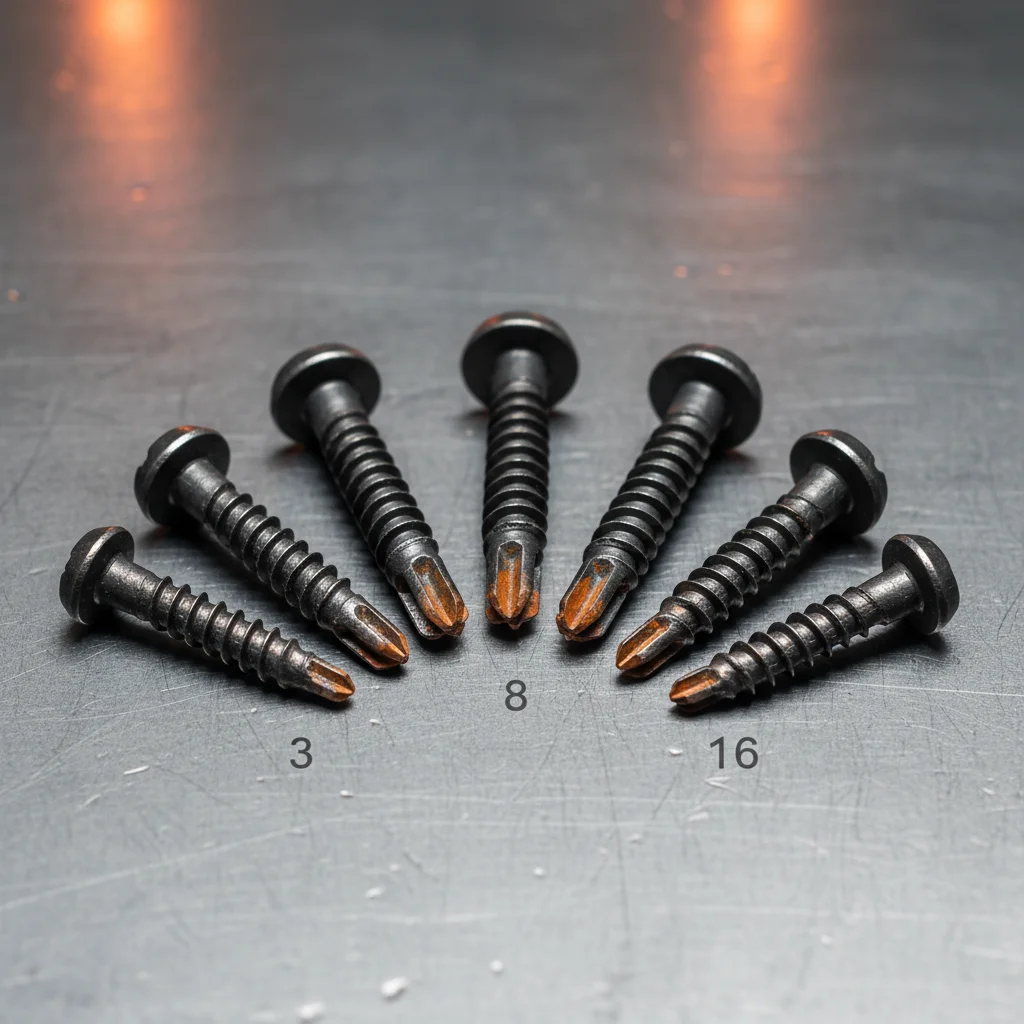
At first glance, hex head self tapping screw sizes might sound like a niche detail best left to engineers and builders. Yet, these screws play a surprisingly giant role worldwide—from constructing skyscrapers to assembling everyday electronics. Why does size matter so much? Because choosing the right hex head self tapping screw size impacts durability, efficiency, and safety in countless industries. If you think about it, getting these little fasteners right is the backbone of modern infrastructure’s reliability.
The global construction market is booming, predicted to grow beyond $14 trillion by 2030 (World Bank). Meanwhile, industrial assembly processes are rapidly evolving, demanding standardized fasteners that meet diverse needs. The ISO has even published international guidelines for fastener dimensions to ensure cross-industry compatibility and safety. Hex head self tapping screws, with their unique design that combines a hex-shaped driving surface and ability to drill their own mating thread, perfectly exemplify this need for precision and adaptability.
A common challenge, oddly enough, has been selecting the appropriate screw size for different materials and load requirements—get it wrong, and structures weaken, maintenance skyrockets, or even accidents occur. So, understanding their sizing is not just technical pedantry; it’s a practical lifeline for engineers everywhere.
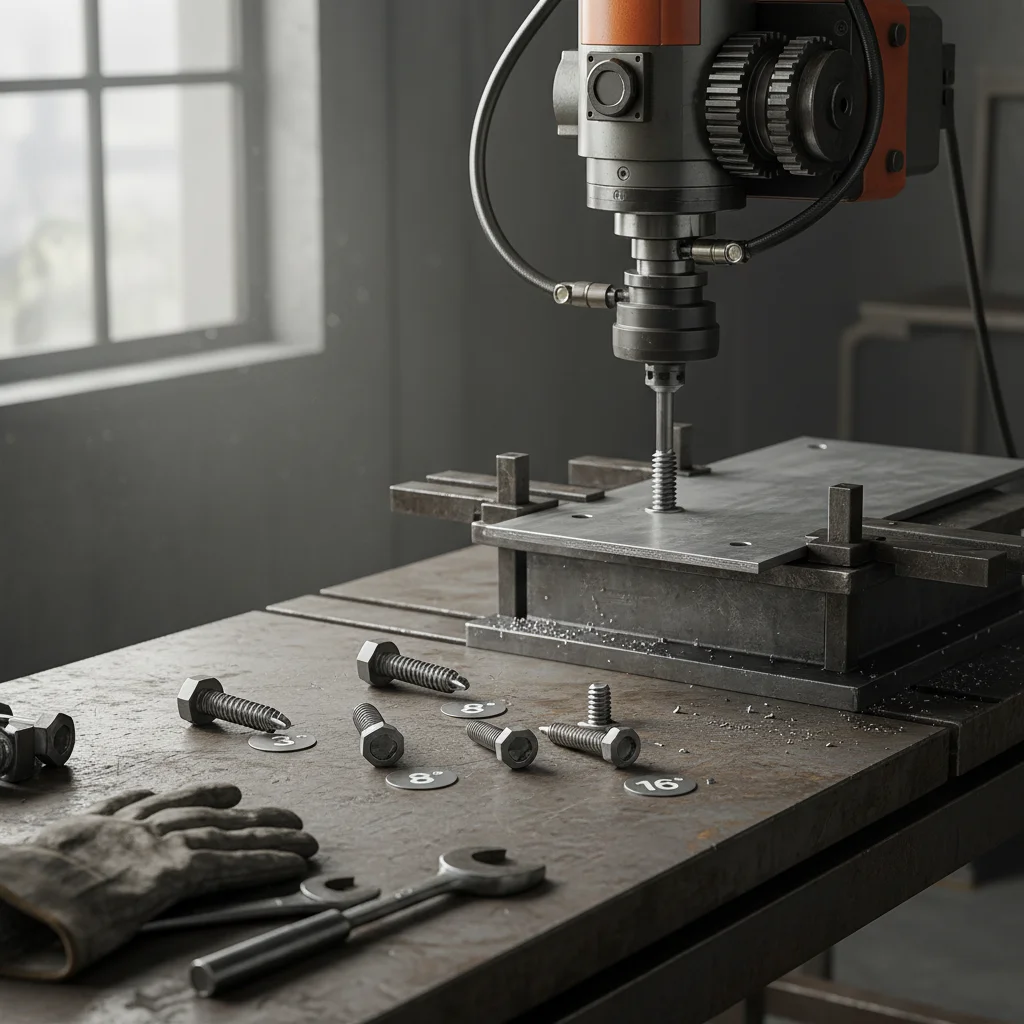
Put simply, hex head self tapping screw sizes refer to the measurements that define these screws’ diameter, length, thread pitch, and head dimensions. The hex head means you use a wrench or socket to drive them, offering stronger torque and reducing slippage, while “self tapping” indicates the screw can create its own thread in softer materials like plastic or sheet metal. This eliminates the need for pre-drilling, speeding up assembly, and reducing errors.
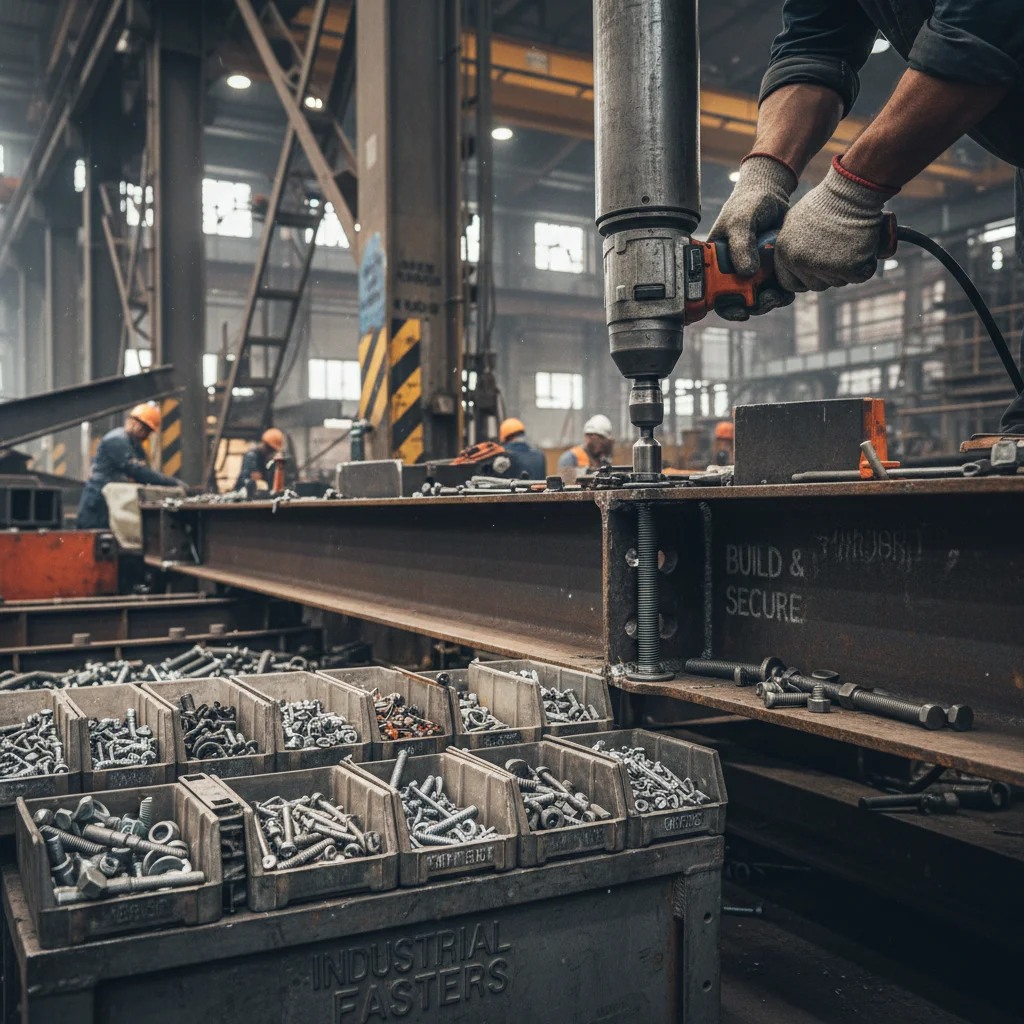
These screws are crucial in industries that require fast, reliable fastening—think automotive, electronics, aerospace, and humanitarian aid equipment assembly. For example, assembling a temporary shelter in disaster relief operations demands quick, sturdy fasteners like these, available in the right sizes and lengths for diverse panels and frames.
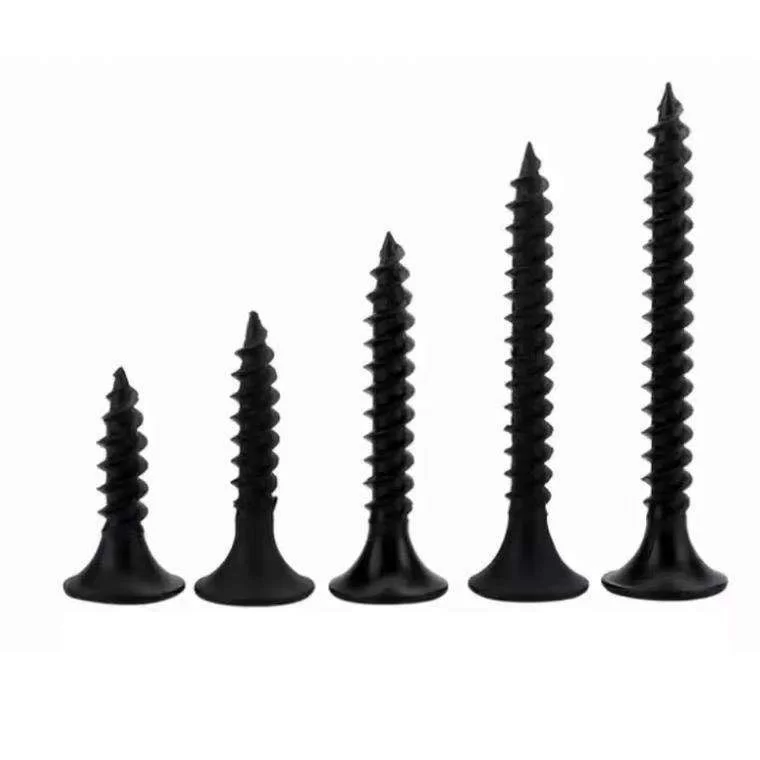
Screw diameter determines load capacity; the thread pitch affects how tightly the screw grips material. A coarse thread pitch suits soft materials for quick installation, while fine threads work better in metals.
Length is a straightforward measure but critical—too short, and the screw won’t penetrate sufficiently; too long, and it may cause material damage or require excessive torque.
The hex head size affects what kind of tools are needed and how much torque can be applied without stripping the head. There are standard sizes, but some specialized screws have custom dimensions.
Stainless steel, carbon steel, and coated variants offer different corrosion resistance and strength, which correlate with appropriate size choices based on environment.
| Specification | Metric Size M4 | Imperial Size #8 |
|---|---|---|
| Diameter | 4 mm | 0.164 inch |
| Thread Pitch | 0.7 mm | 32 threads/inch |
| Head Width Across Flats | 7 mm | 0.28 inch |
| Available Lengths | 10 to 50 mm | 0.5 to 2 inch |
These screws find practical use globally, particularly in:
For example, in Southeast Asia, disaster relief teams use specific screw sizes engineered for tropical climate corrosion resistance and ease of assembly in remote areas. This small but significant consideration helps maintain structural integrity when it matters most.
The right hex head self tapping screw sizes deliver:
From a logistics standpoint, having uniform sizes simplifies inventory and reduces errors—a plus any project manager will appreciate.
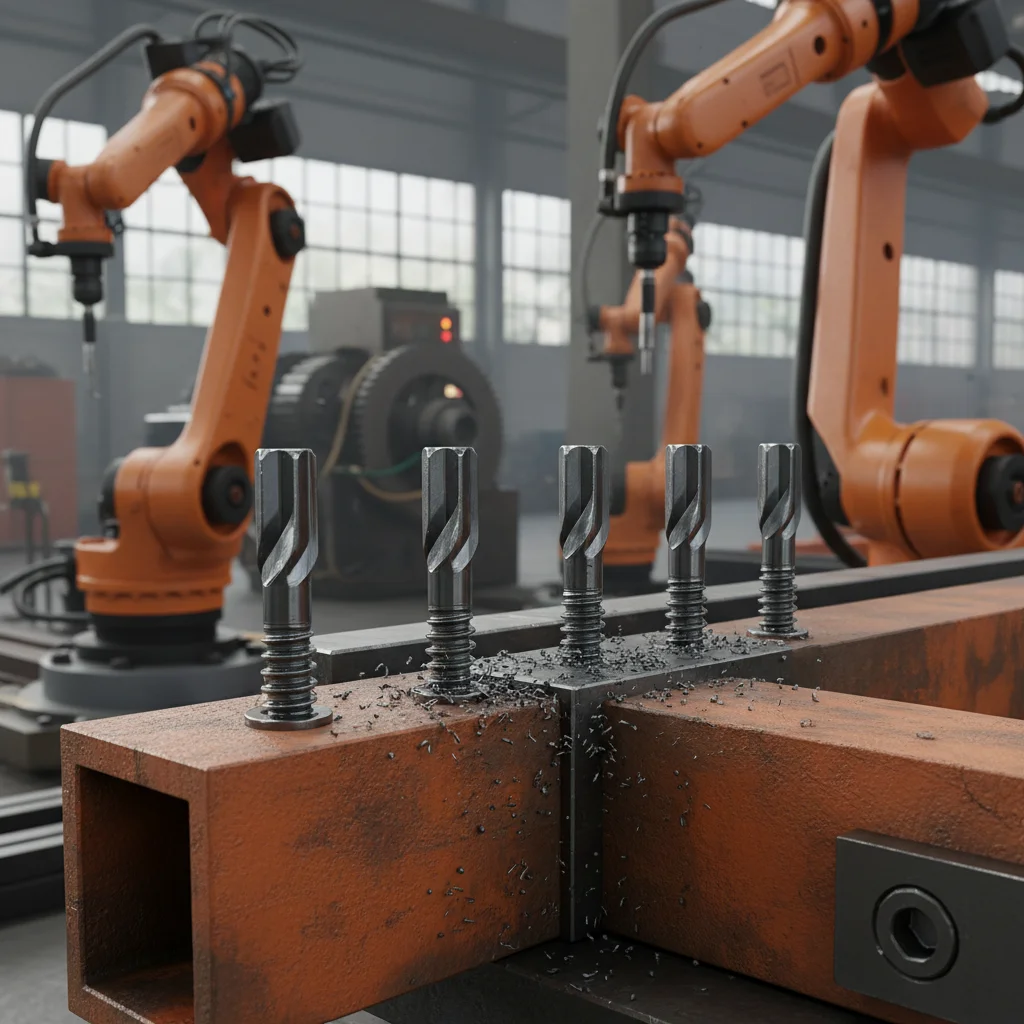
The fastener industry is not standing still. New developments focus on sustainable materials like bio-based coatings to reduce environmental impact. Meanwhile, automated assembly lines benefit from standardized sizes compatible with robotic torque tools. Digital tracking of screw usage (smart fasteners?) is also on the horizon, enabling better maintenance prediction in aerospace or infrastructure.
Moreover, green building certifications increasingly demand materials with lower carbon footprints—pushing manufacturers to rethink coatings and raw materials used for hex head self tapping screw sizes.
It’s not all smooth sailing. Many engineers face difficulties matching screw size with novel composite materials or extreme environmental conditions. Sourcing high-quality screws from reputable vendors can be another headache—some suppliers cut corners on material grades.
The solution? Rely on certified manufacturers who adhere to rigorous ISO standards and request detailed material specs. Testing assemblies under simulated conditions helps identify best size-material combos early on. Plus, consulting trusted resources (like hex head self tapping screw sizes catalogs) can save time and headaches later.
| Vendor | Material Quality | Size Range | Lead Time | Pricing |
|---|---|---|---|---|
| Alpha Fasteners | High-grade stainless steel | M2 to M12 | 2 weeks | Mid-range |
| BoltPro | Carbon steel with zinc coating | #4 to #14 | 1 week | Budget-friendly |
| ScrewMaster | Specialty alloys for aerospace | Custom sizes | 4 weeks | Premium |
A: Material type, load requirements, environment (corrosive or not), and tool compatibility are key. Ensure diameter and length suit the thickness and nature of materials you’re fastening.
A: Generally yes, but thread pitch varies. Coarse threads are better for plastics; fine threads for metals. Choosing the right size and type prevents stripping or weak joints.
A: Request ISO certifications, material test reports, and samples. Cross-check references and, if possible, test the screws in your application before bulk ordering.
A: They can be, but reusing may compromise thread holding strength, especially in softer materials. For critical uses, consider new screws to guarantee integrity.
A: Common standards include ISO 1478 and DIN 7504, which define screw dimensions and mechanical properties. Following these ensures compatibility and safety.
To sum it all up, knowing your hex head self tapping screw sizes is more than a detail–it underpins flawless project execution worldwide. From faster builds to safer products, the right screw size saves time, cuts costs, and boosts confidence in your work. If you’re ready to explore a high-quality range customized for your needs, visit our website: https://www.lianshiwjnail.com. Your projects deserve the best foundation, no matter how small the fastener.
Reflecting on this, it’s fascinating how such a tiny component quietly supports whole industries — a subtle hero, really, whose size is everything.
JOIN OUR NEWSLETTER


If you are interested in our products, you can choose to leave your information here, and we will be in touch with you shortly.