
Hit enter to search or ESC to close
Dec 2, 2025


Let’s start simply: 75mm self drilling screws have become an essential fastener in today’s industrial and construction settings worldwide. They’re small but mighty tools that save time, reduce labor costs, and improve structural integrity. Why does this matter on a global scale? Because infrastructure is the foundation of economic development, humanitarian aid, and even green energy initiatives. Getting these screws right — understanding their properties, benefits, and applications — has ripple effects in quality, safety, and sustainability across continents.
According to recent ISO standards and data from global construction reports, the adoption of self drilling screws like the 75mm variant has surged by over 12% annually, particularly in Asia-Pacific and Europe. With infrastructure spending projected to reach $15 trillion globally by 2030 (World Bank data), fast, reliable, and cost-effective fasteners are critical. The challenge? Traditional fastening methods can delay projects and compromise safety. Self drilling screws address these pain points by combining drilling and fastening in a single step, streamlining assembly in varied sectors.
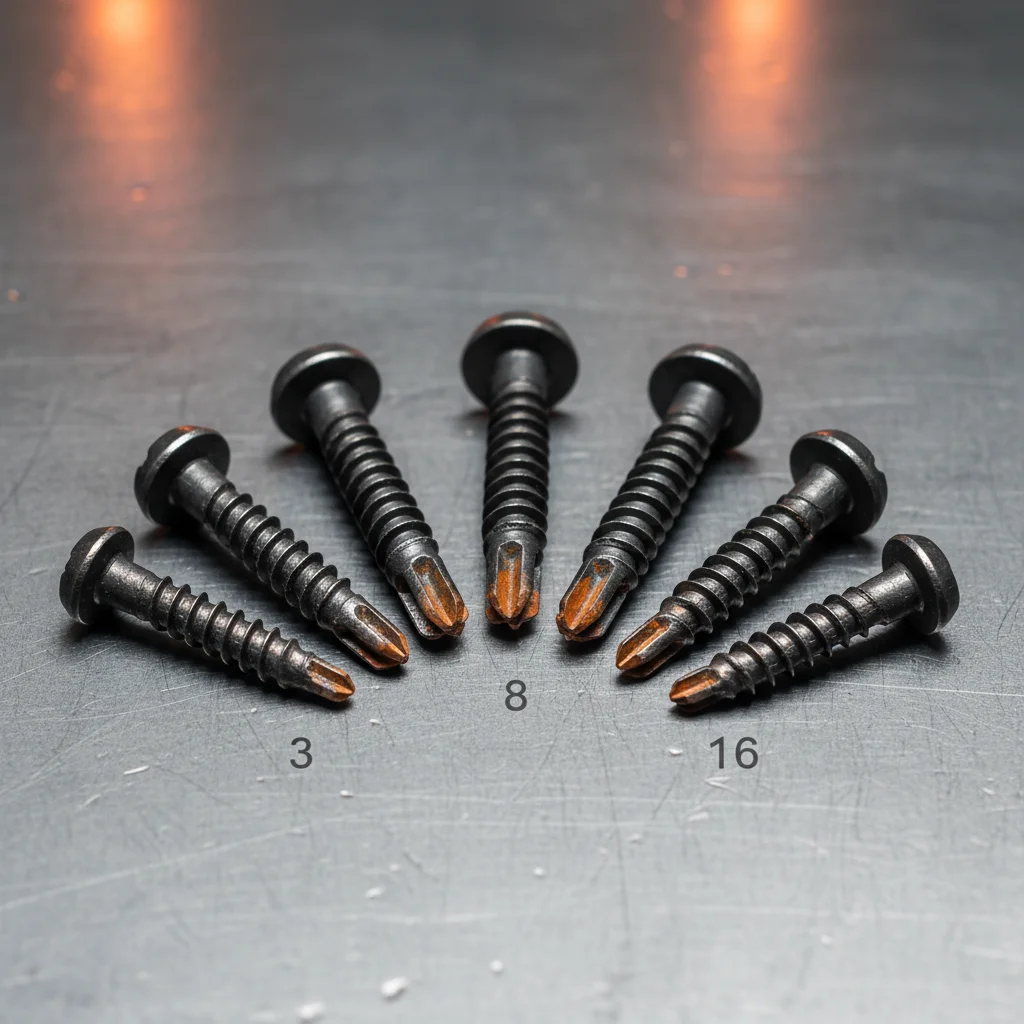
So, what exactly are 75mm self drilling screws? Think of them as specialized screws designed with a drill-shaped tip, allowing them to pierce metal or wood without pre-drilling. The “75mm” indicates the length, which balances penetration depth and holding strength—ideal for medium-thickness materials. These screws are widely used in mechanical engineering, construction, and even humanitarian shelter projects. Oddly enough, their simple efficiency supports complex goals like disaster relief housing or remote renewable energy installations.
These screws are typically made from tempered steel with corrosion-resistant coatings (think zinc or epoxy). This durability ensures long-term stability, especially in harsh environments like coastal regions or industrial facilities.
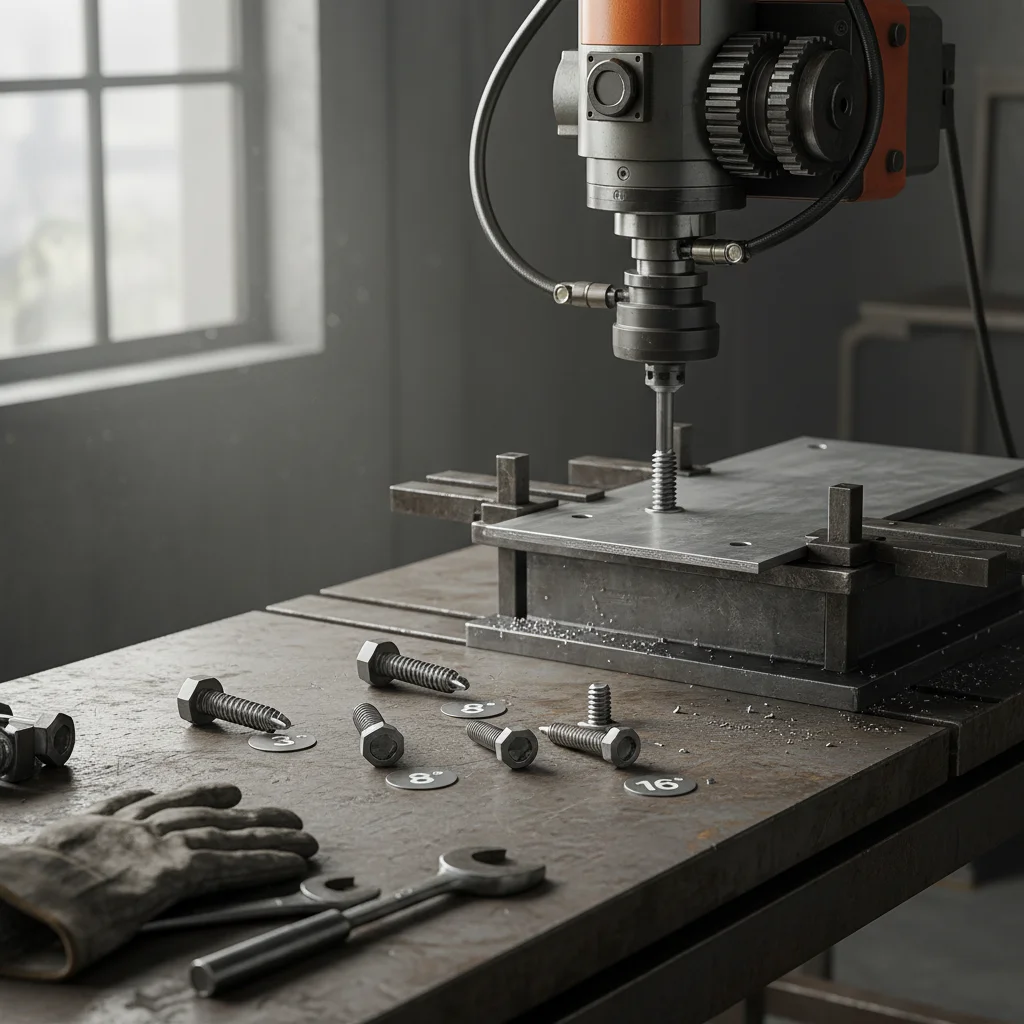
By eliminating the need for pilot holes, 75mm self drilling screws reduce labor time and tooling requirements. In fast-paced builds, this can save hours or even days.
While the price per screw might be higher than basic bolts or nails, the overall project costs drop due to quicker installation and decreased errors.
They work across materials—from steel sheets and wood panels to composites—and industries, including construction, manufacturing, and emergency shelters.
| Specification | Details |
|---|---|
| Length | 75mm |
| Material | Tempered Carbon Steel |
| Coating | Zinc Plated or Epoxy Coated |
| Drill Tip Type | Type 17 (Thread cutting + drilling) |
| Thread Diameter | 6.3mm |
| Drive Type | Phillips or Pozidriv |
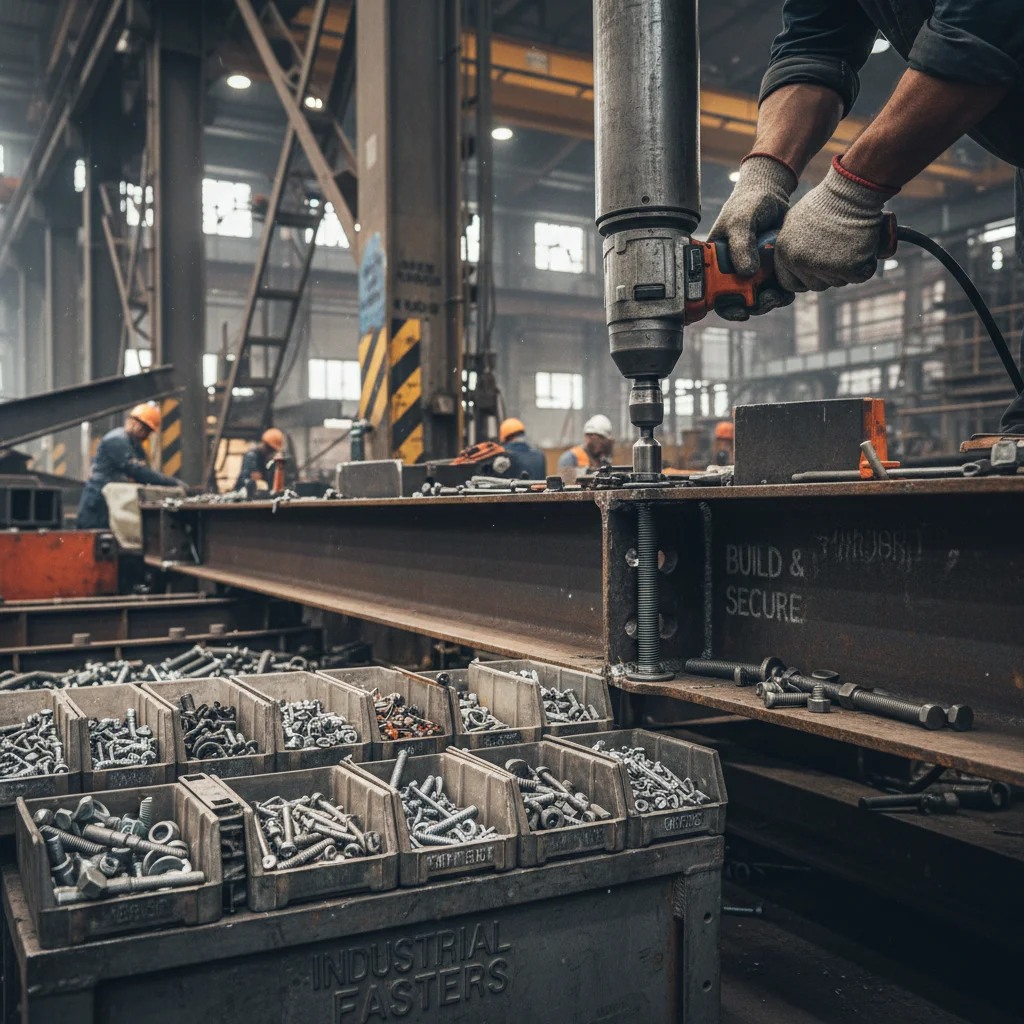
These screws have broad appeal—from high-rise steel framing in Europe to modular housing projects in Southeast Asia. In the wake of natural disasters, organizations often prioritize fast assembly of temporary shelters; here, 75mm self drilling screws provide reliable strength without complex tooling. Industrial sectors like telecom infrastructure or renewable energy installations in remote areas also benefit from their ease and durability.
For those interested, explore more about 75mm self drilling screws and their relevant applications.
| Vendor | Material Quality | Price per 1000 Screws | Lead Time | Customization Options |
|---|---|---|---|---|
| Lianshiwjnail Co. | High-grade tempered steel | $85 | 2 weeks | Custom lengths & coatings |
| GlobalFasteners Ltd. | Standard carbon steel | $75 | 3 weeks | Limited coating options |
| EcoFix Fasteners | Recycled steel with premium coating | $90 | 2.5 weeks | Eco-friendly packaging |
In practical terms, 75mm self drilling screws offer reliable strength and speed. Cost savings come not just from the screws themselves, but from shorter project timelines and reduced labor needs. From a sustainability angle, durable fasteners reduce maintenance and replacements, dropping materials waste over time. On a more human level, using dependable hardware builds trust—whether it’s a community shelter or an industrial site. Safety isn’t just a checklist item here; it’s a dignity issue.
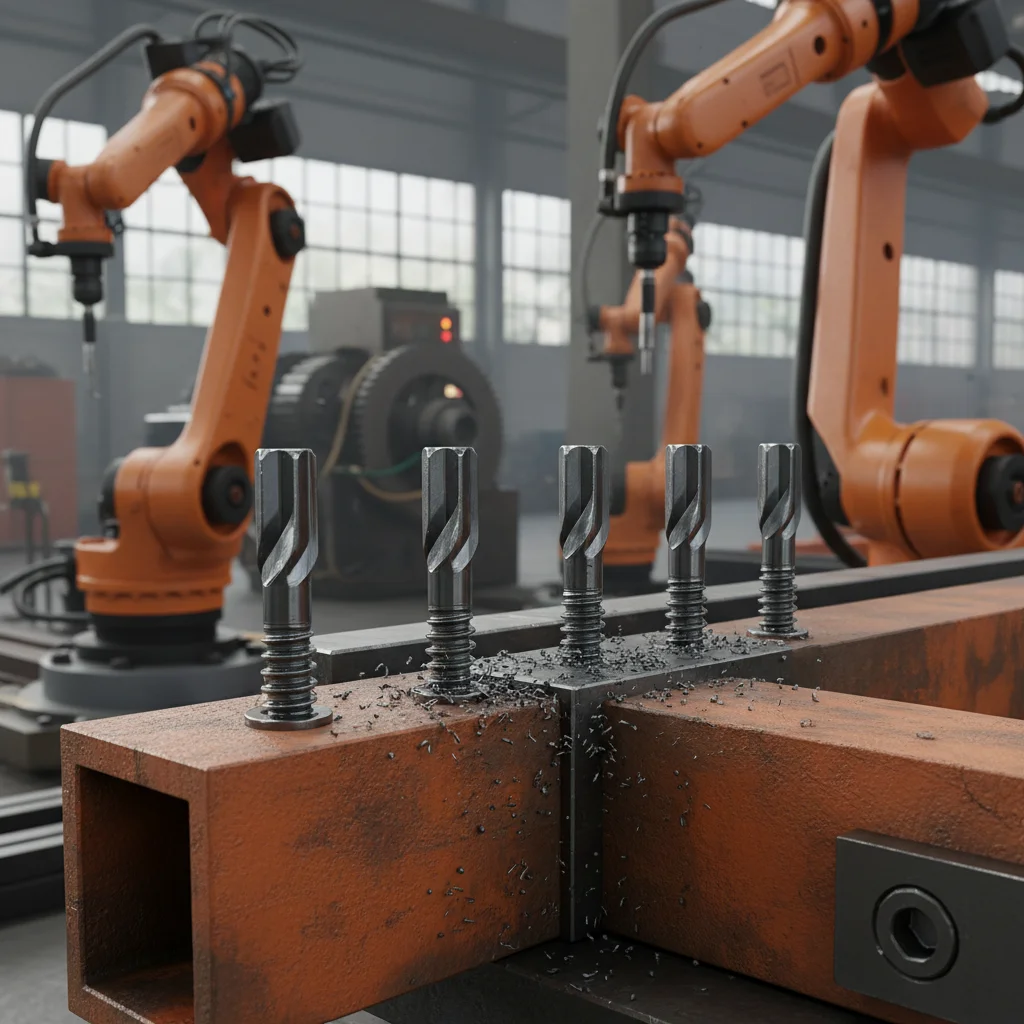
Looking ahead? There’s a growing push toward green manufacturing methods for fasteners and using specialized alloys that resist corrosion far longer. Digital transformation is touching fastening too, with smart screws embedded with RFID tags for inventory and quality tracking. Automation on construction sites is speeding up integration of self drilling screws, making them a staple in robotic assembly lines. And policy-wise, international standards like ISO 2320 keep elevating quality benchmarks globally.
One snag: improper use or low-quality screws can cause premature failures, especially under heavy loads or extreme weather. The fix? Training installers on correct torque settings and investing in verified suppliers. Another challenge is supply chain disruptions which sometimes delay delivery; diversifying suppliers and keeping strategic stock helps here. Finally, environmental regulations push towards less toxic coatings—finding the right balance between corrosion resistance and eco-friendliness is still in motion.
To wrap it up: 75mm self drilling screws are quietly revolutionizing how industries build — faster, safer, and smarter. Whether you’re engineering a skyscraper, putting up emergency housing, or maintaining solar farms, these fasteners are trusted components with long-term benefits that pay off. Curious to learn more or get a quote? Visit https://www.lianshiwjnail.com and discover why many professionals rely on their expertise.
Mini takeaway: 75mm self drilling screws are not just hardware; they’re key enablers of safe, sustainable, and efficient infrastructure worldwide.
JOIN OUR NEWSLETTER


If you are interested in our products, you can choose to leave your information here, and we will be in touch with you shortly.