
Hit enter to search or ESC to close
Nov 30, 2025


If you’ve ever marveled at how quickly steel structures go up or wondered what keeps metal panels tightly secured without pre-drilling, chances are 1 1 2 self drilling screws had a hand in it. These seemingly simple fasteners are quietly revolutionizing construction and manufacturing worldwide. Understanding their role isn't just for engineers and builders — it’s fascinating from a global industry perspective.
A tiny change in screw design brings huge advantages: faster assembly, reduced labor costs, and better joint durability. Globally, industries that depend on speed and reliability in joining metal sheets or components rely heavily on these screws. So buckle up — let's explore why 1 1 2 self drilling screws matter beyond their size, from their unique design to their role in sustainable construction and emerging tech.
It might surprise you, but the market for self drilling screws is expected to grow annually by almost 5% worldwide (according to ISO data on fasteners and construction tech). Why? Because preciseness and speed in fastening are crucial for major infrastructure projects, especially in developing regions rushing to modernize construction standards.
Construction projects worldwide often face tight deadlines, budget constraints, and the need for durable joints. Traditional screws require pre-drilling — a process that can extend timelines, increase errors, and consume more resources. Enter the 1 1 2 self drilling screws, designed specifically to drill, tap, and fasten in one go. This innovation helps mitigate common challenges, improving workflow on every continent.
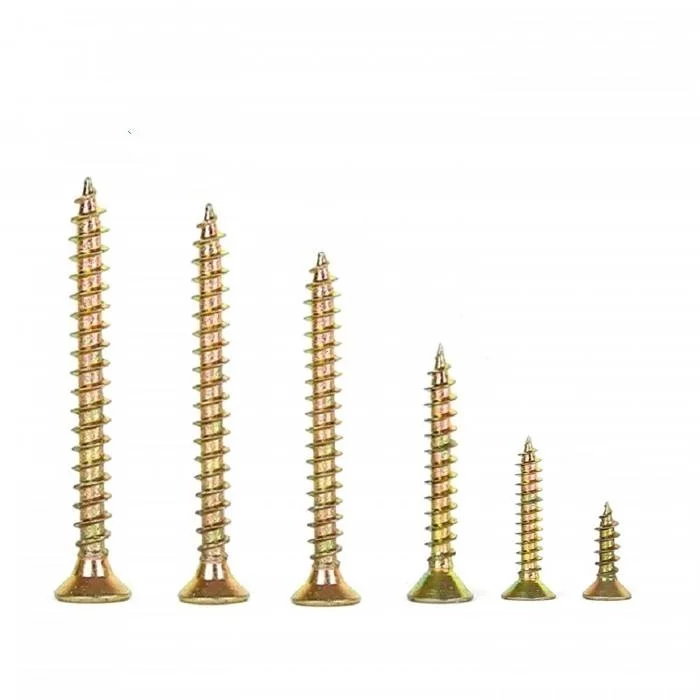
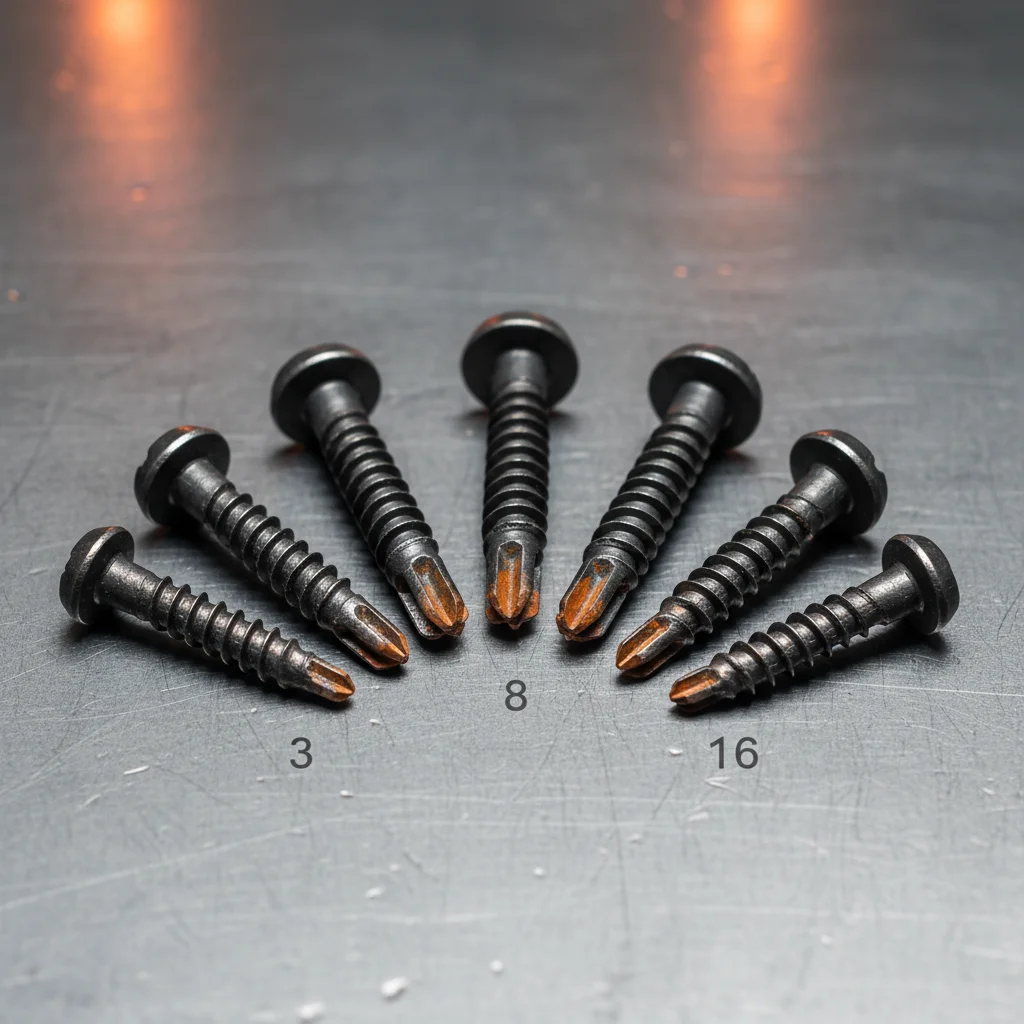
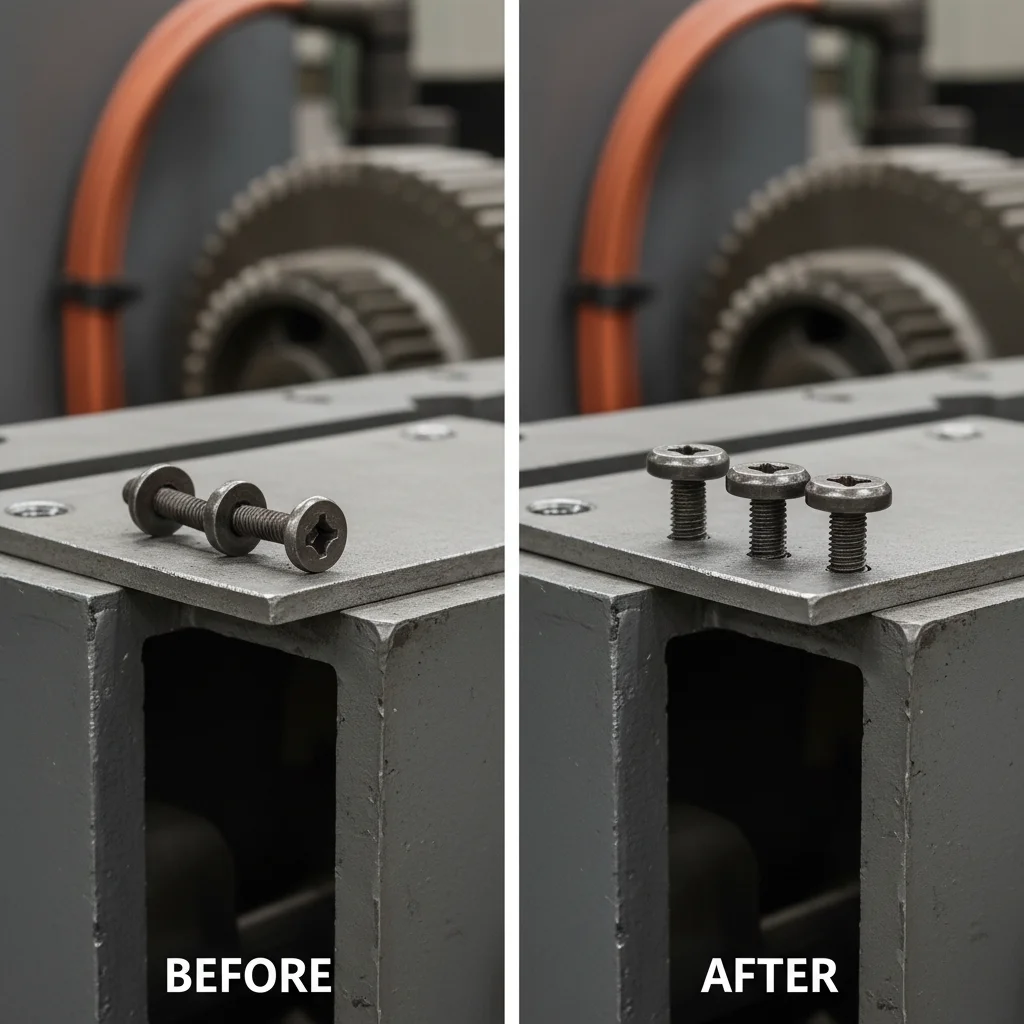
In simple terms, a 1 1 2 self drilling screw is a fastener — usually made of hardened steel — with a drill bit tip that allows it to percussively drill its own hole in metal or other stiff materials. The ‘1 1 2’ typically refers to a size or length, often 1.5 inches, but nomenclature can vary by manufacturer.
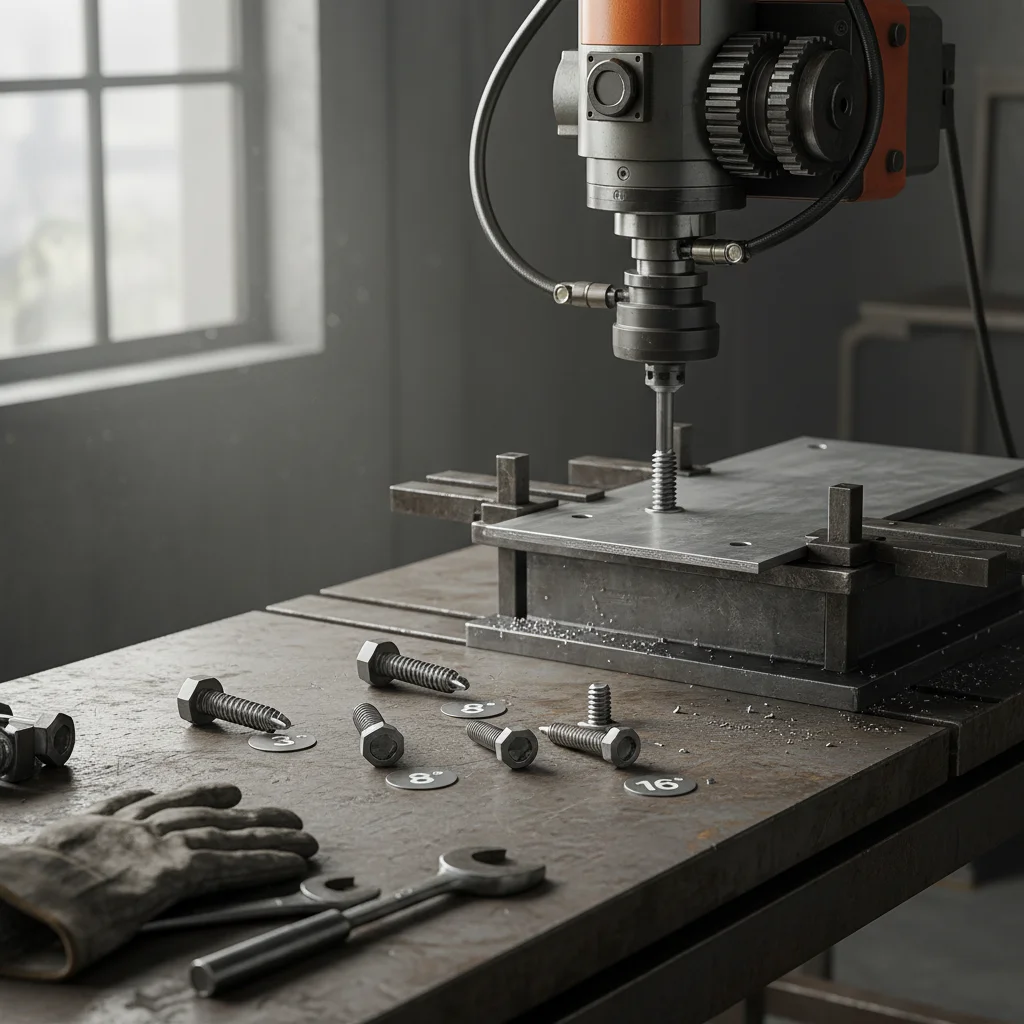
Picture a screw wearing a tiny, sharp drill bit as a hat — it doesn’t need someone to drill a hole first, it just drills through, threads into the metal, and secures parts tightly all in one motion. This all-in-one feature has made it invaluable in modern industry, especially where speed and precision are rewarded.
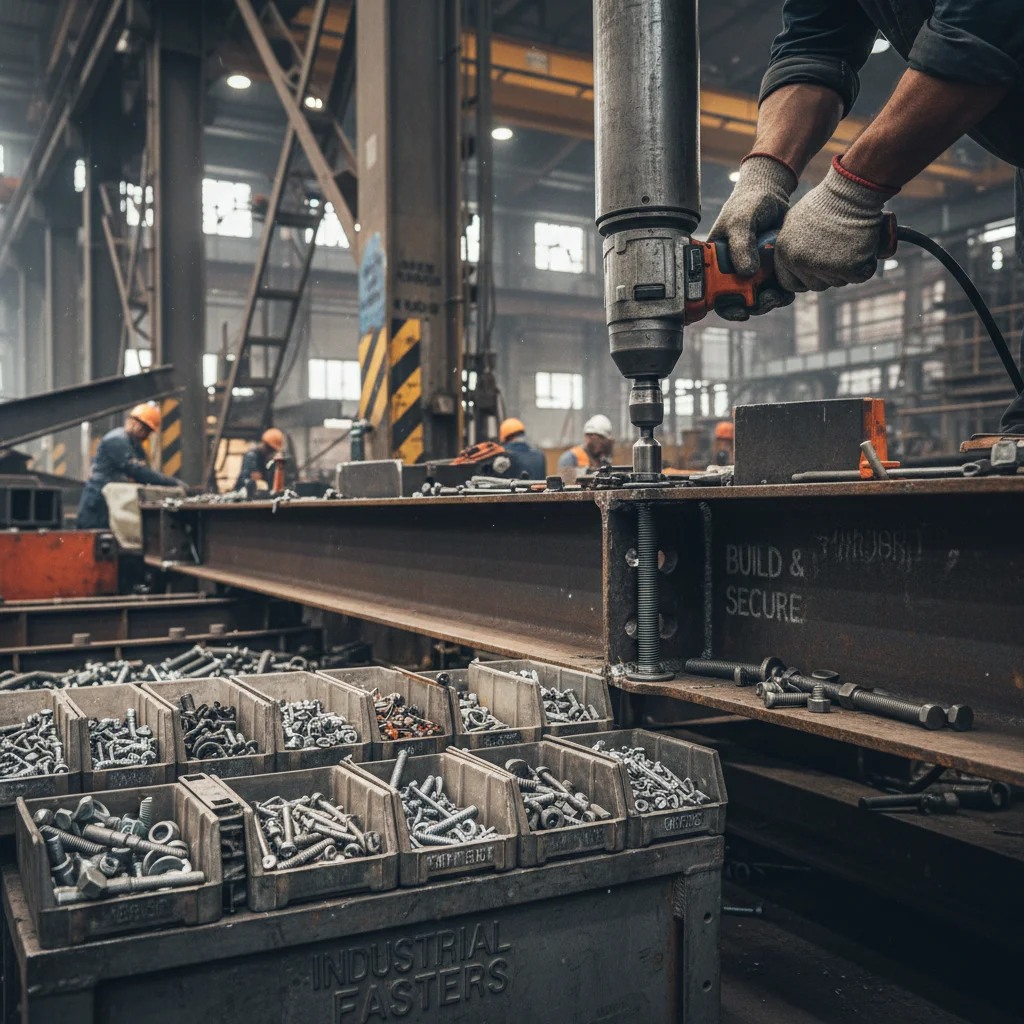
These screws are intimately linked to sectors like steel framing, solar panel mounting, aerospace fixtures, and even post-disaster relief shelter construction. Being able to join materials quickly without bulky tools means fewer errors, less training, and safer work environments.
Most self drilling screws are crafted from hardened carbon steel or stainless steel, often coated with zinc or other anti-corrosives to prevent rust. Their strength allows driving into thick metal sheets without deformation or snapping — a must for exterior environments prone to weather extremes.
The drill point tip is engineered to act like a mini twist drill bit, creating a clean hole while minimizing material displacement. Some use a "Type 17" drill point profile, optimized for a wide range of sheet thicknesses. This clever geometry reduces installer fatigue by shaving seconds off each fastening.
Beyond drilling, the thread needs to provide maximum holding power to lock components tightly. The coarse threads of 1 1 2 self drilling screws grab metal edges without stripping, ensuring steady, vibration-resistant joints in dynamic structures.
These screws fit various heads — hex, pan, or flat — and can be paired with washers for sealing in roofing or siding. This adaptability allows them to cross industries, from HVAC duct assembly to solar farms.
The blend of strong materials, intelligent tip geometry, and specialized threads make 1 1 2 self drilling screws true workhorses in fastening tech.
From the bustling steel-frame skyscrapers of North America to solar panel arrays powering villages in sub-Saharan Africa, self drilling screws have found their niche. Here are some real-world highlights:
| Specification | Details |
|---|---|
| Length | 1.5 inches (approx.) |
| Material | Hardened Carbon Steel / Stainless Steel |
| Coating | Zinc plated / Galvanized |
| Head Types | Hex, Pan, Flat |
| Drill Point Type | Type 17 or equivalent |
| Suitable for Material Thickness | Up to 1/4 inch metal sheets |
With so many options, selecting a reliable vendor can be tricky. Here is a quick comparison that might help:
| Vendor | Product Range | Quality Certifications | Pricing | Lead Time |
|---|---|---|---|---|
| Lianshiwjnail Co. | Wide, including custom dimensions | ISO 9001, CE | Competitive | 2-4 weeks |
| FastenerTech | Standard sizes only | ISO 14001 | Mid-range | 1-2 weeks |
| Precision Screws Ltd. | Custom and bulk orders | CE, RoHS | Premium | 3-5 weeks |
Switching from regular to 1 1 2 self drilling screws offers companies multiple tangible benefits. For starters, the integrated drilling and fastening action reduce assembly time by up to 50%, saving labor costs significantly. That’s the obvious win.
On a less tangible but equally important level, these screws offer enhanced joint integrity. In industries where structural failure can mean costly downtime or worse, these screws reduce the risk of loosening joints under vibrations or weathering. It feels reassuring — both for engineers designing safe buildings and workers on the ground.
The coatings and materials also help extend the lifespan of installed structures, reducing maintenance frequency and environmental waste. Oddly enough, these tiny screws are contributing to sustainability initiatives, aligning with global priorities like ISO 14000 environmental standards.
The future is ultra-resistant, lightweight, and smart: high-performance alloys combined with nano-coatings are already being tested to resist corrosion even in sea-salt saturated environments. Imagine offshore wind farms where fasteners can survive decades without replacement.
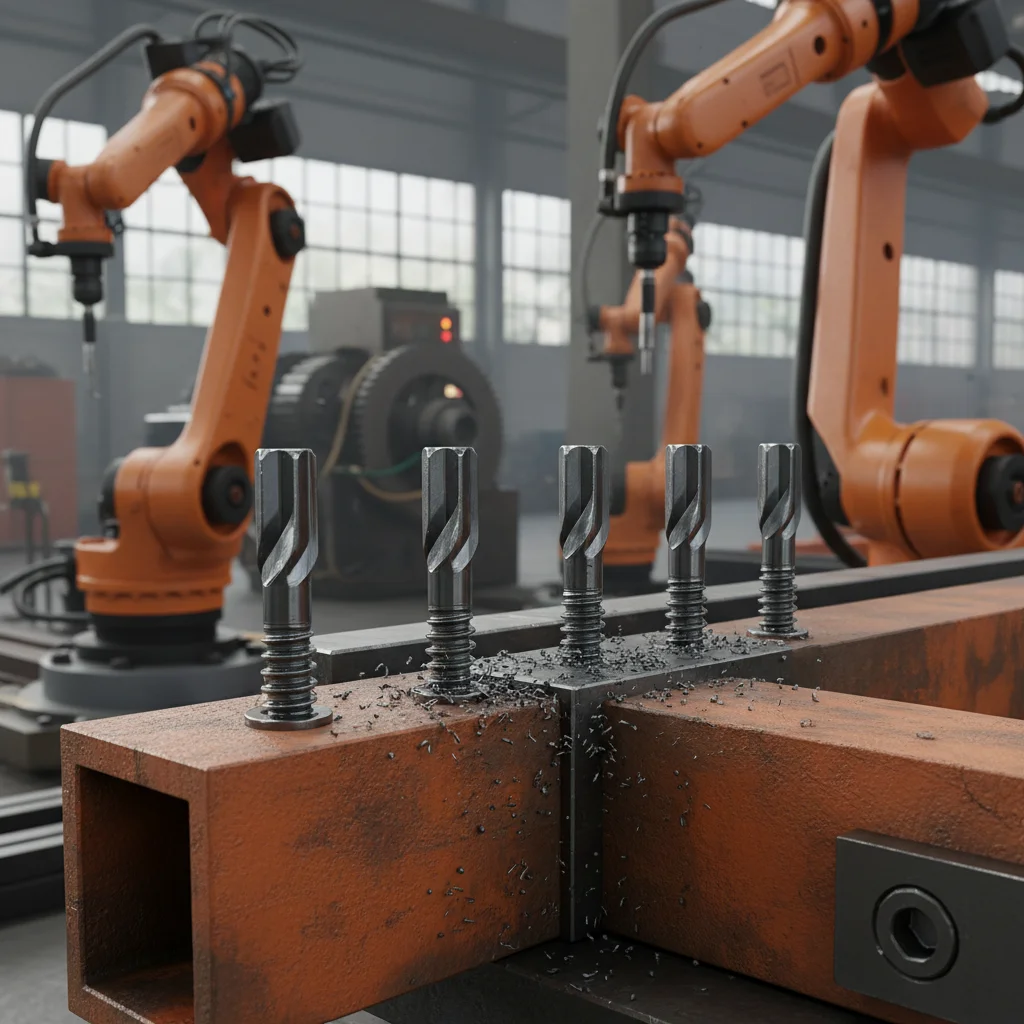
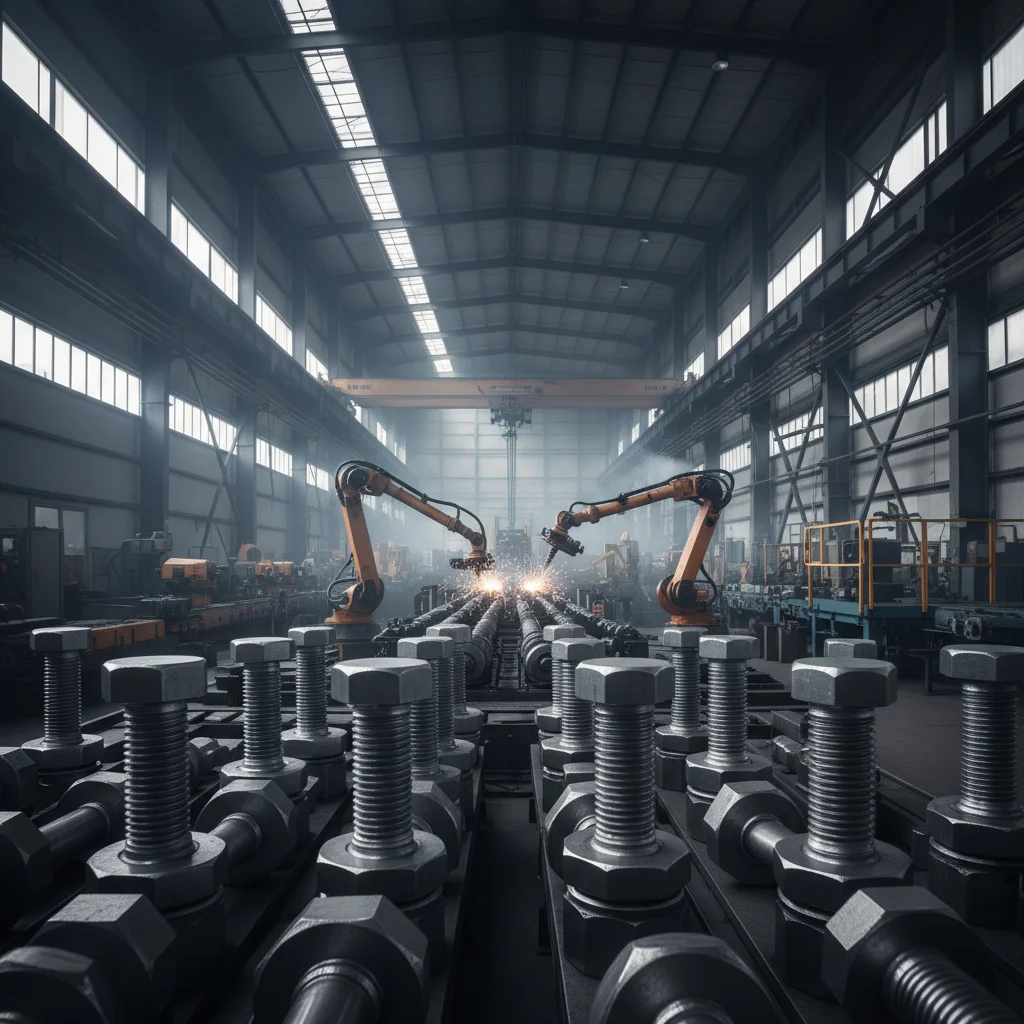
Digital transformation is also making waves — in the near future, we might see screws embedded with RFID chips helping track inventory, installation dates, and maintenance schedules remotely. Automation with robotic installers precisely applying these screws is accelerating, promising safer, contactless assembly.
Not everything is perfect, of course. One challenge with 1 1 2 self drilling screws has been limitations drilling into ultra-thick or hardened steels. Engineers are experimenting with hybrid designs combining carbide and steel tips to address this.
Additionally, untrained operators sometimes overtighten screws leading to stripping or breakage. Providing clear torque guidelines and fastener-specific tools is an ongoing solution deployed worldwide.
A: Because the screw drills its own hole, it eliminates the need for pre-drilling, saving both time and labor. This means fewer tool changes and reduced chances of alignment errors, making metal assembly more efficient overall.
A: Absolutely. Most are zinc-coated or galvanized to resist rust and corrosion. Combined with the right washer and head type, these screws provide tight seals that keep out moisture for long-lasting roofing installations.
A: Their drill point design typically handles up to about 1/4 inch of steel sheet thickness. For thicker steel, specialized heavy-duty versions or pre-drilling might be necessary.
A: Hex heads are preferred when extra torque is needed, such as on structural frames. Pan or flat heads work well for aesthetic or flush mounting applications, like solar panel mounting.
A: Vendors like Lianshiwjnail provide certified, customizable screws with competitive pricing and reliable delivery.
To summarize, these small but mighty fasteners pack a punch by dramatically improving speed, assembly precision, and long-term joint stability across industries worldwide. With sustainability and automation trends growing stronger, their role is bound to widen — accelerating construction projects and infrastructure development from urban centers to remote areas.
Curious to explore their full potential? Check out trusted suppliers like 1 1 2 self drilling screws vendors, who offer a range of options tailored to your needs.
JOIN OUR NEWSLETTER


If you are interested in our products, you can choose to leave your information here, and we will be in touch with you shortly.