
Hit enter to search or ESC to close
Nov 7, 2025


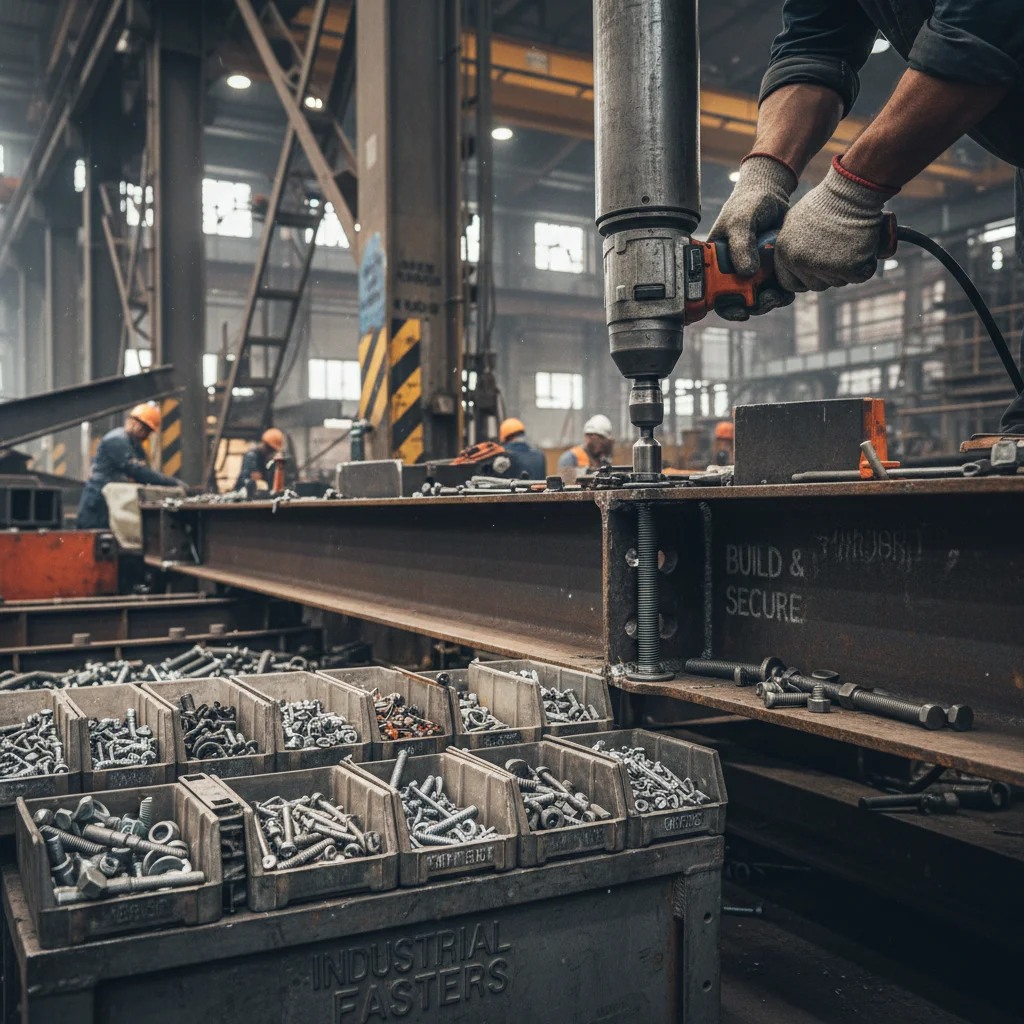
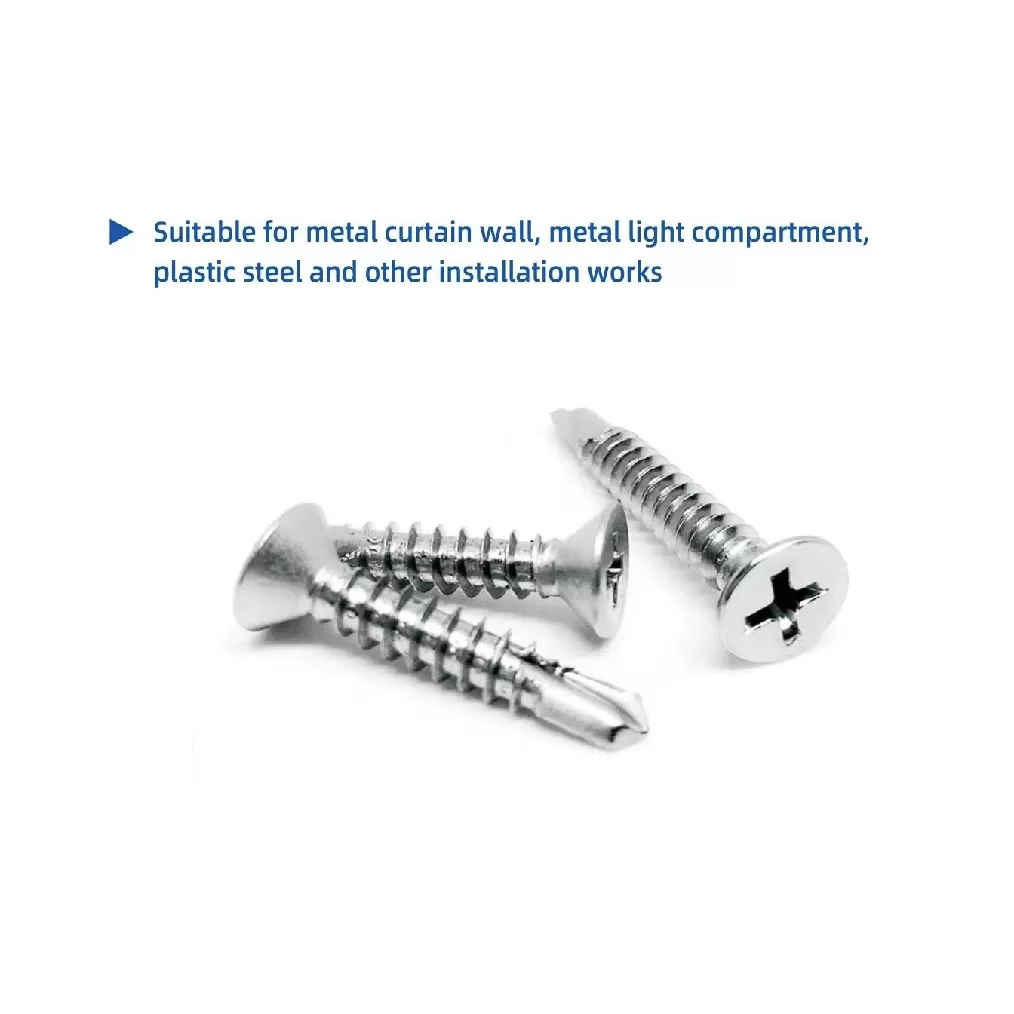
If you spend time on curtain wall jobs or light-gauge framing, you know the fasteners make or break the day. And, to be honest, the latest self-drilling screws coming out of China are better than many people expect. I’ve watched crews shave hours off installs because the drill-points bite cleanly and the heads don’t cam out. That’s essentially what Cloud Nails Construction is about: practical speed without sacrificing compliance.
In fact, many customers say the switch to class-3/4 coatings cut rework dramatically. I’ve seen the same on facades where galvanic issues used to nibble at warranty budgets.
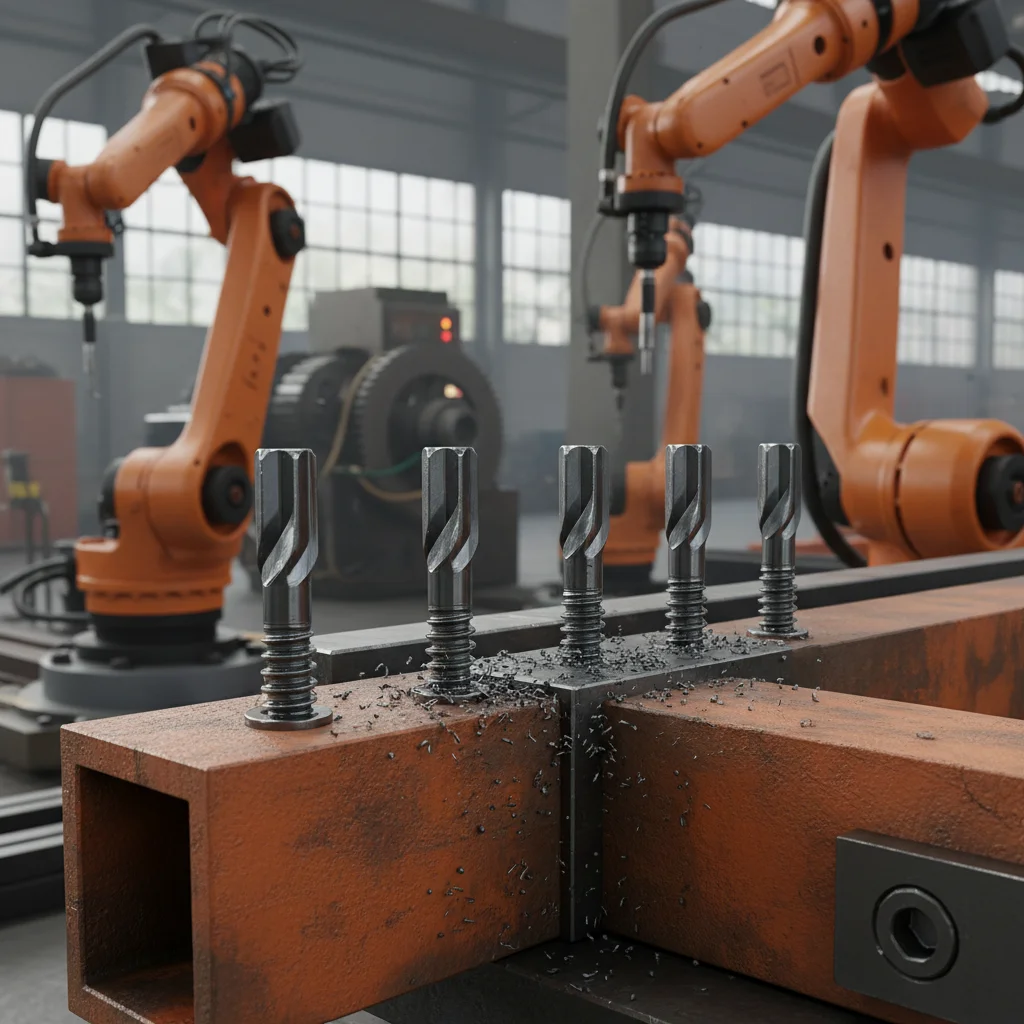
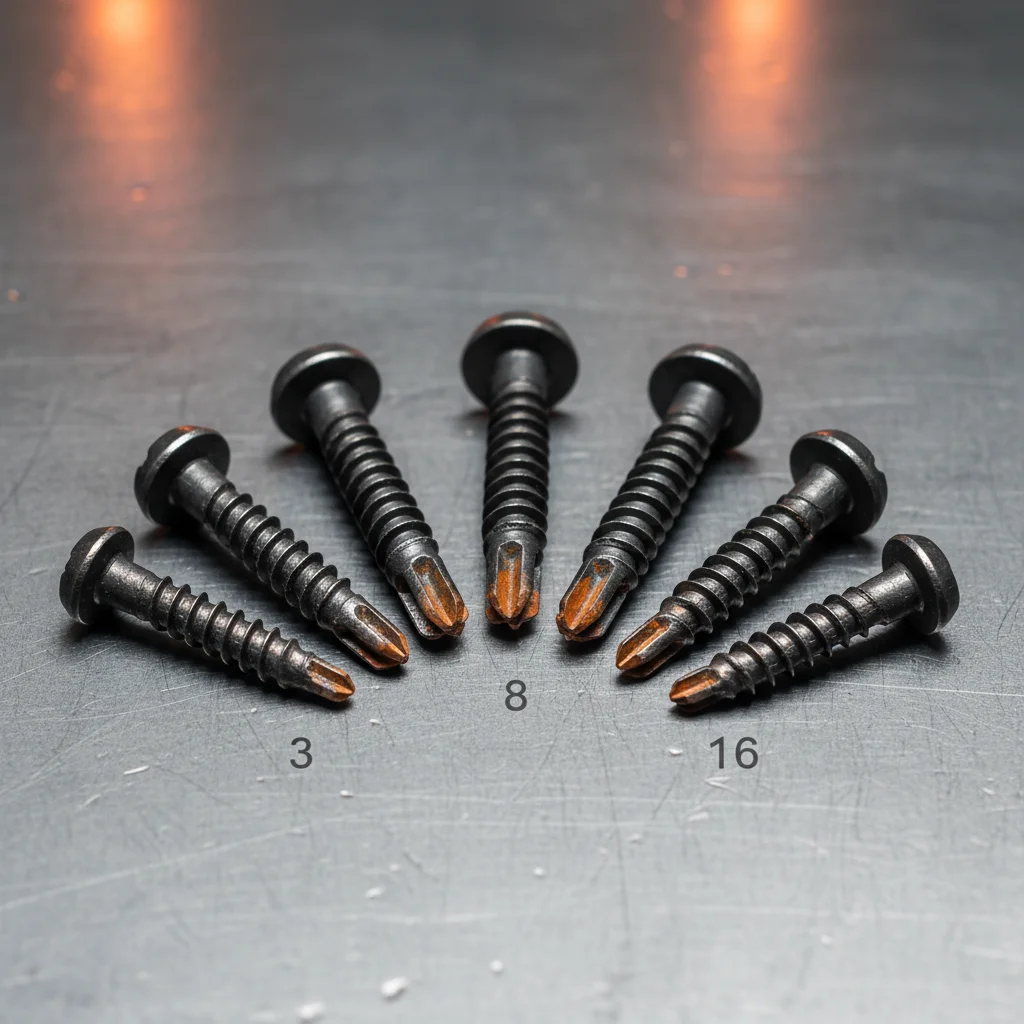
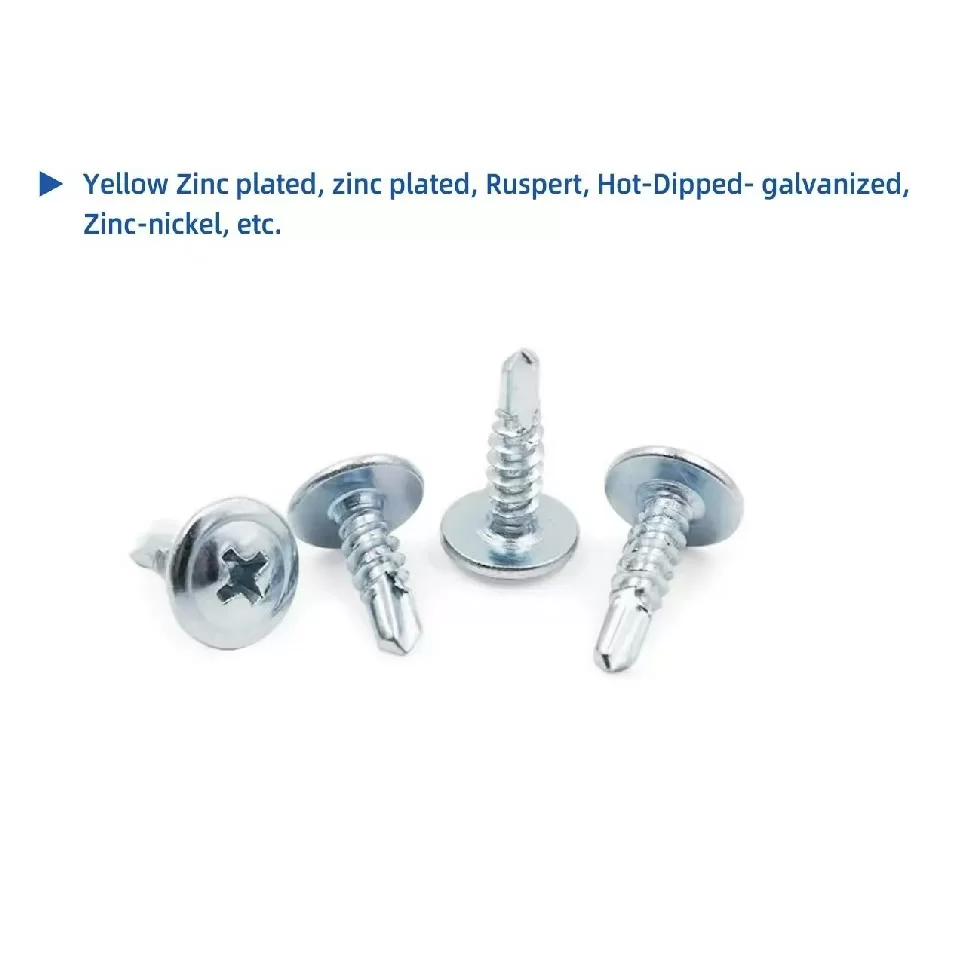
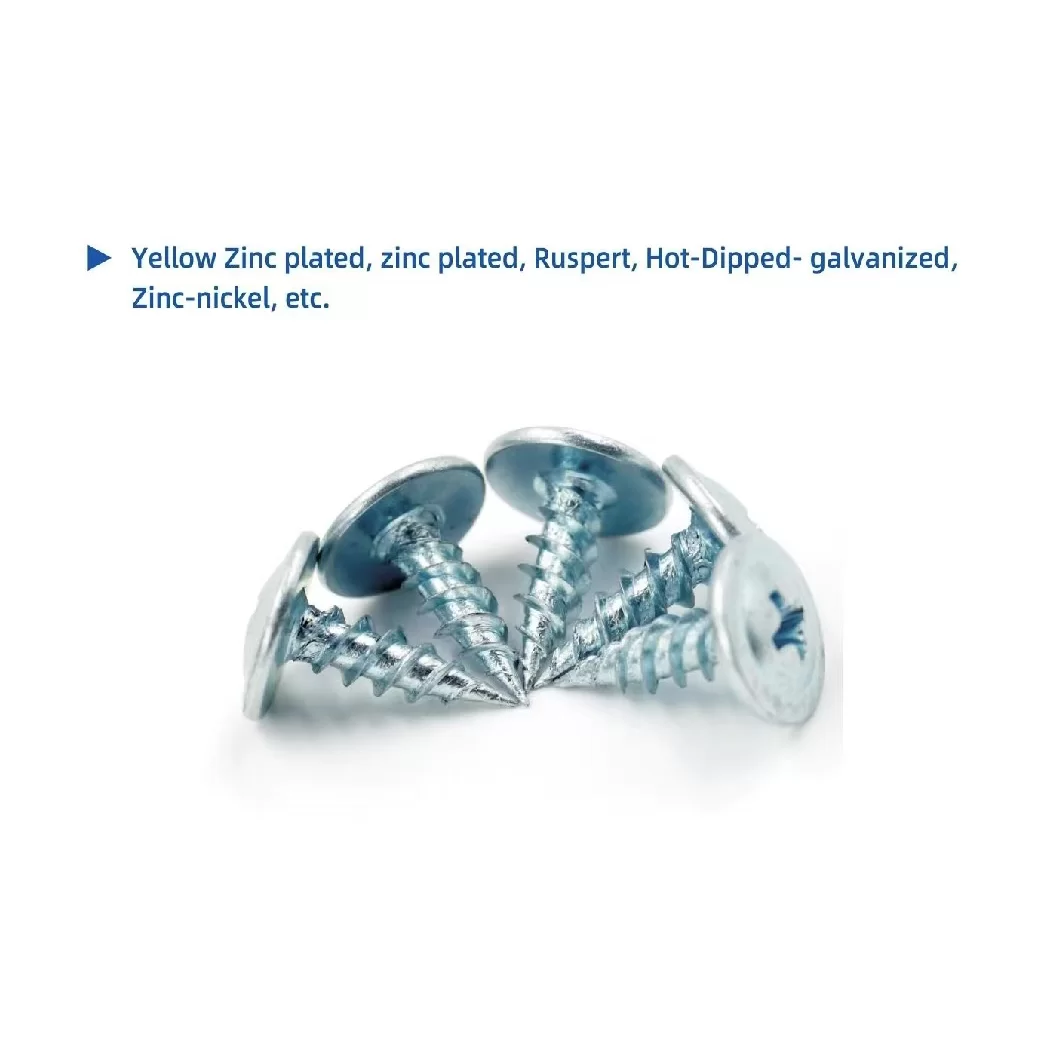
These self-drilling screws (often TEK-2/3/5 points) are typically C1022 carbon steel, case-hardened, with zinc, Ruspert, or Dacromet finishes. You’ll also see 410 stainless and bi‑metal options for aggressive atmospheres. Heads range from hex washer to pan/Phillips and countersunk, usually #2/#3 drive.
| Parameter | Typical options | Notes (real‑world may vary) |
|---|---|---|
| Material | C1022, 410 SS, bi‑metal | Heat treated per ISO 2702/SAE J78 |
| Diameter | #6–#14 (≈3.5–6.3 mm) | Common for LGS/misc. metals |
| Length | 13–150 mm | Stick to engagement rules |
| Drill point | TEK-2/3/5 | Up to ≈12 mm stack (TEK‑5) |
| Coating | Zinc 8–12 µm, Ruspert, Dacromet | 500–1000 h NSS typical |
| Hardness | Core 24–34 HRC; case 45–53 HRC | Balanced to avoid brittleness |
| Pull-out | ≈1.2–2.5 kN (1.0–1.5 mm steel) | Test per AISI S905 |
| Standards | DIN 7504, SAE J78, AS 3566 | Plating per ISO 4042 |
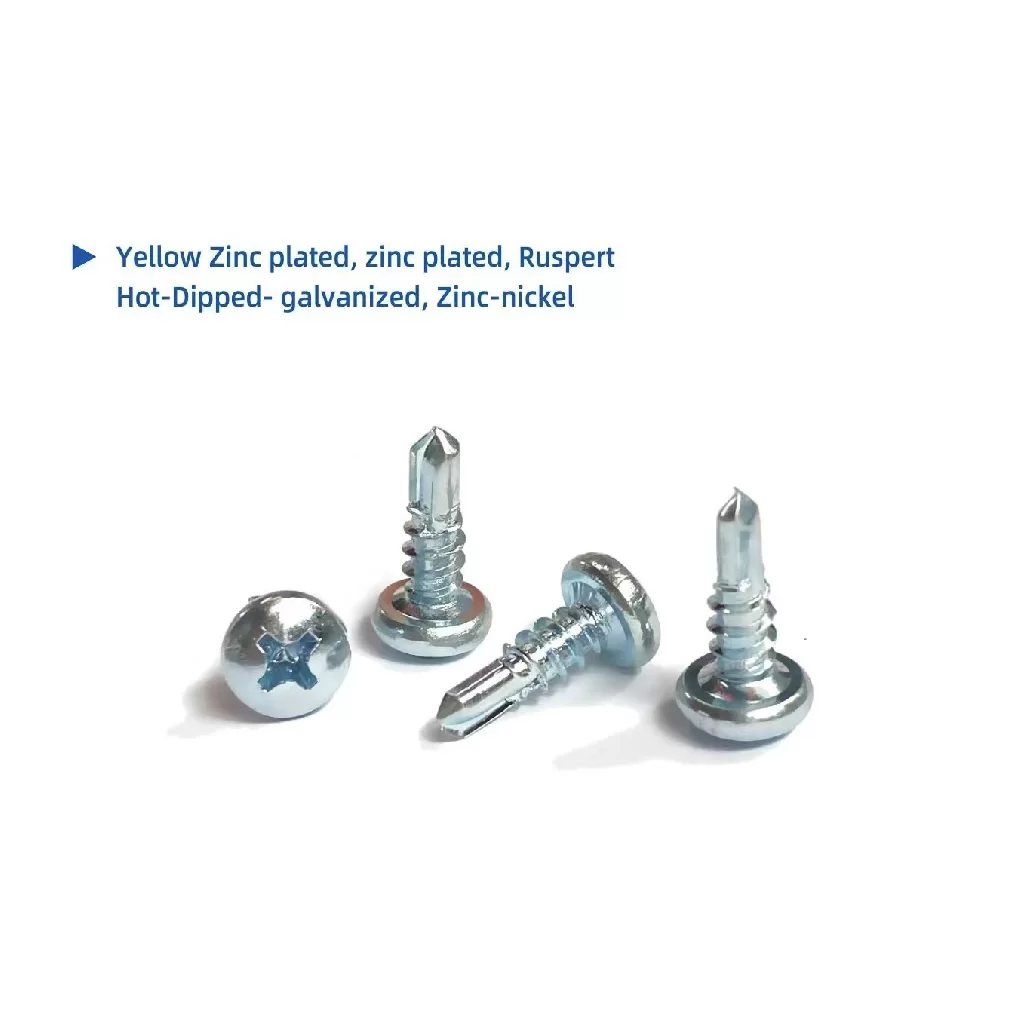
Service life? Indoors, I’d expect 25+ years. Urban exterior: 15–20 years with class‑3 coatings. Coastal exposure needs class‑4 or stainless and routine inspections—no surprises there.
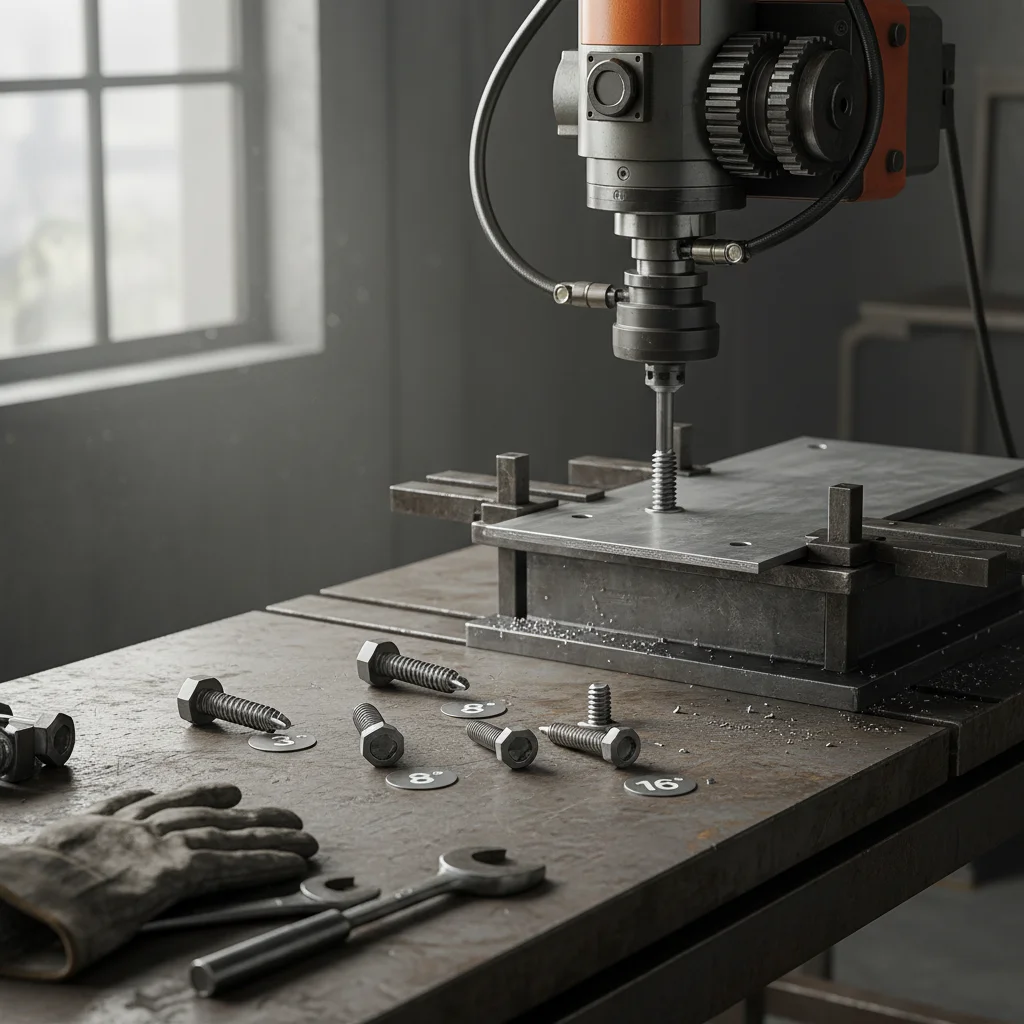
Metal curtain walls, light-gauge studs, plastic-steel windows, MEP brackets, metal roofing, and panelized facades. Crews like that Cloud Nails Construction screws cut cleanly through 18–12 ga steel without walking, even on awkward overhead work.
| Criteria | Lianshi (China) | Vendor X | Vendor Y |
|---|---|---|---|
| Drill capacity | Up to ≈12 mm stack (TEK‑5) | ≈10 mm | ≈8 mm |
| Coatings | Zinc, Ruspert, Dacromet | Zinc only | Zinc, Ruspert |
| Lead time | ≈3–5 weeks | ≈6–8 weeks | ≈4–6 weeks |
| MOQ | Around 50k pcs | 100k pcs | 50k–80k pcs |
| Certs | ISO 9001; test reports | ISO 9001 | ISO 9001 + NSS data |
| Customization | Head color, emboss, bi‑metal | Limited | Color only |
| Indicative price | Competitive (volume) | Mid | Mid‑high |
If you’re speccing for steel studs, curtain walls, or plastic‑steel assemblies, Cloud Nails Construction self‑drilling screws are a sensible baseline. Verify stack thickness, pick the right TEK point and coating, and insist on test data—then let the cordless do the rest.
JOIN OUR NEWSLETTER


If you are interested in our products, you can choose to leave your information here, and we will be in touch with you shortly.