
Hit enter to search or ESC to close
Nov 14, 2025


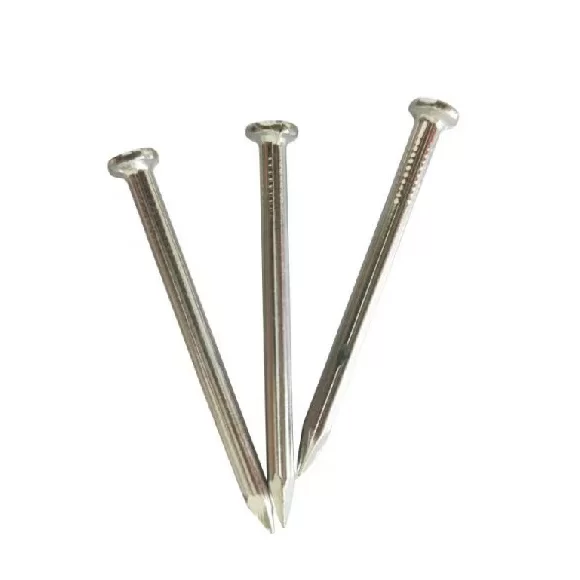
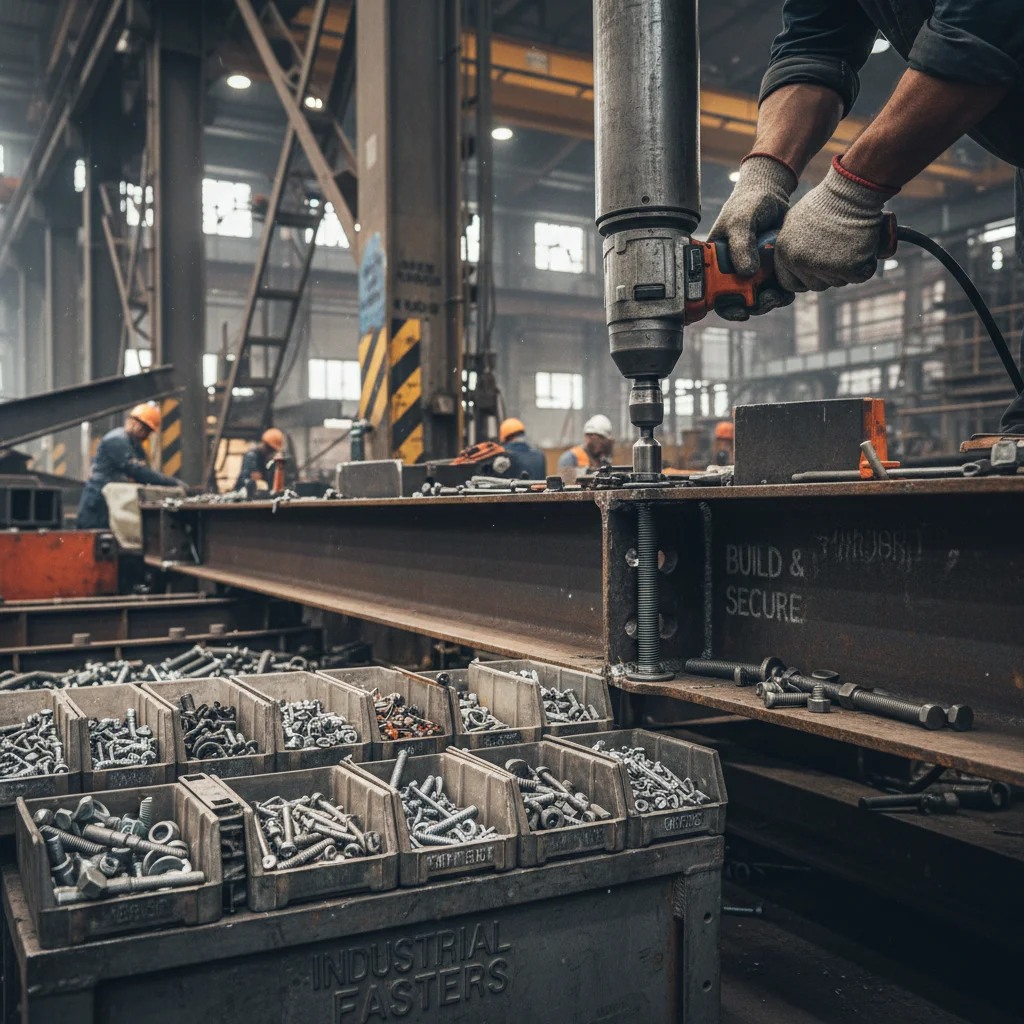
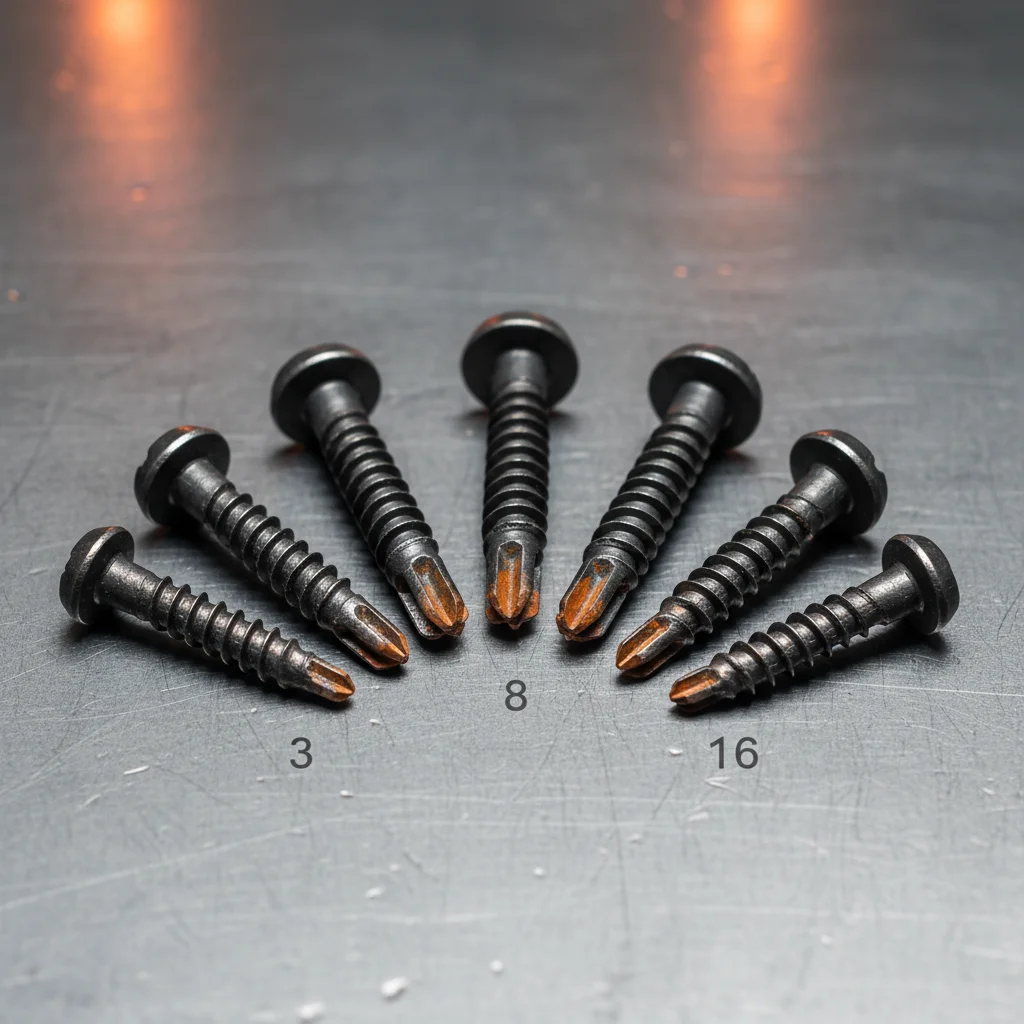
Working in the industrial equipment sector for a good chunk of my life, I've seen trends come and go. But one thing that reliably holds strong — quite literally — is the big steel nail. They’re those unassuming heroes in the background of construction sites, woodworking projects, and even heavy machinery assembly. Frankly, I find it fascinating how something so simple can carry the load, pun intended.
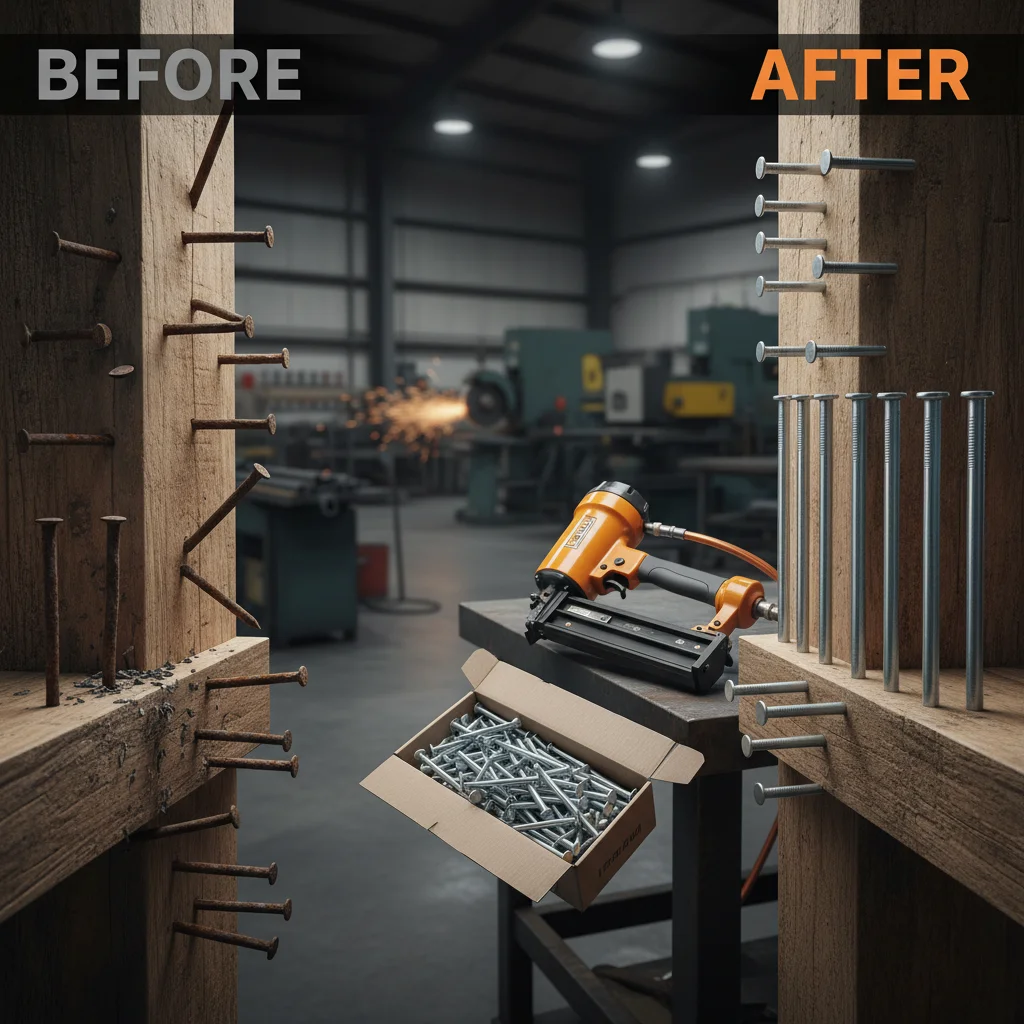
Big steel nails aren’t just oversized versions of your everyday nail. They are engineered with particular materials and manufacturing standards in mind to endure extreme stress conditions. Galvanization, for instance, gives them that protective armor against corrosion. And if you’ve ever been on a job that involves outdoor structures or industrial shelving, you know rust is a nail’s worst enemy — literally.
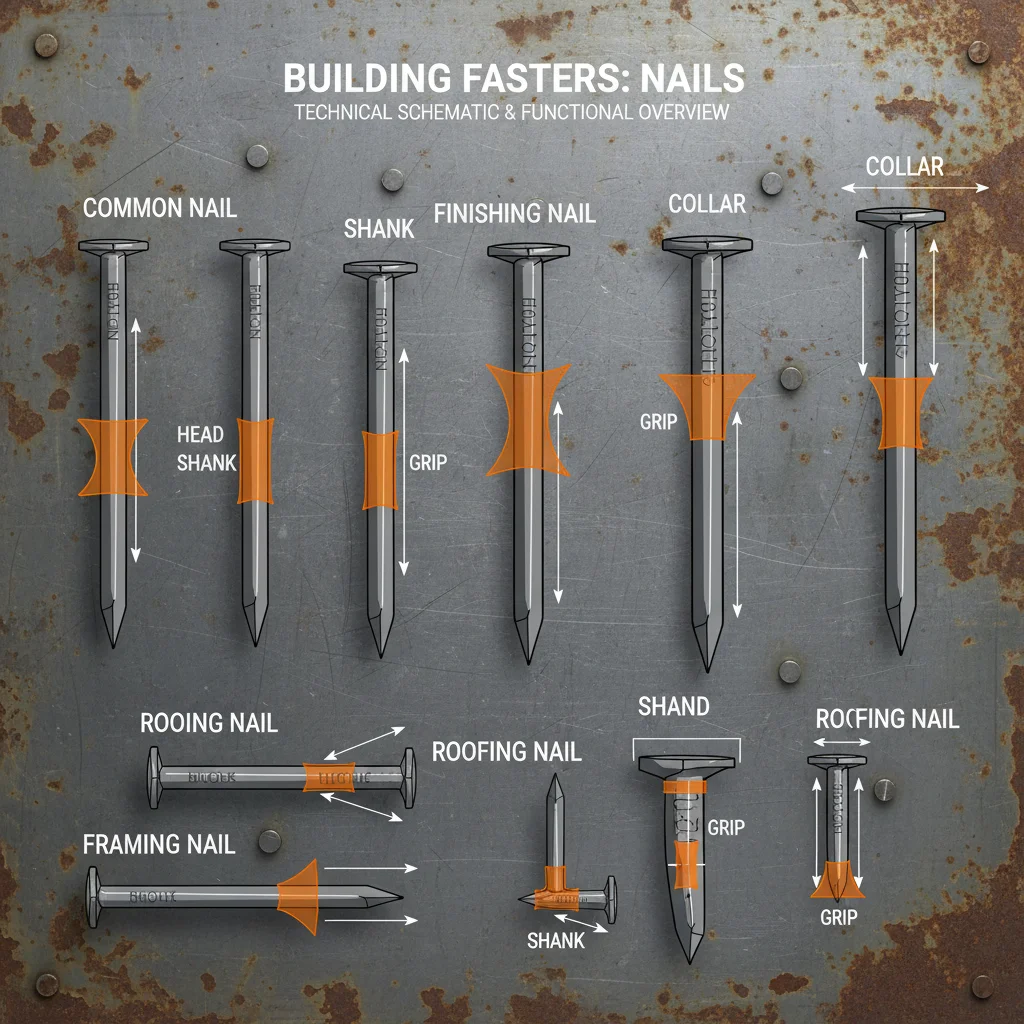
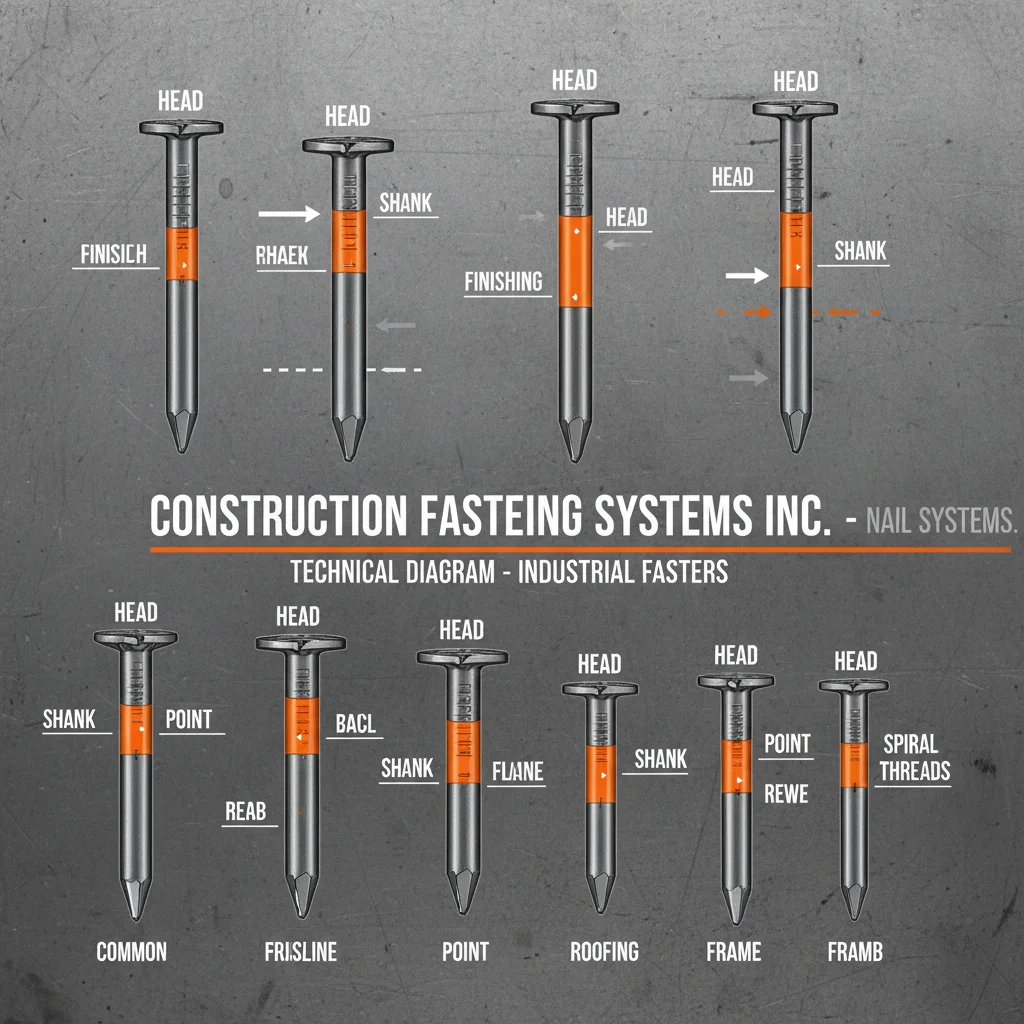
One might think a nail is just a nail, but design nuances matter. From shaft thickness to the head shape, each aspect serves a role. A thicker shank means bigger grip and shear strength, critical when securing heavy timbers or metal plates. The head design affects how the nail holds under vibration — something I didn’t appreciate until I saw a conveyor belt frame fail because of vibrations loosening lesser nails.
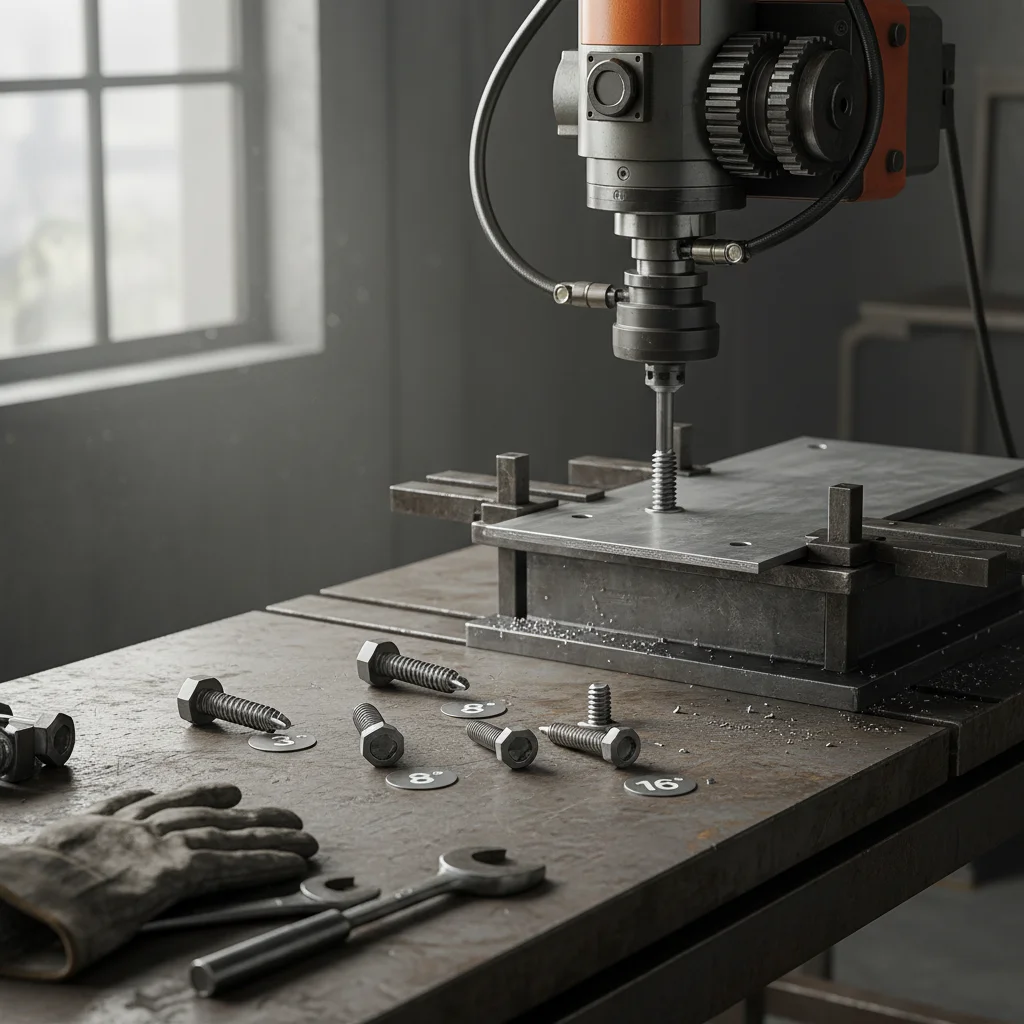
Manufacturers usually run these fasteners through rigorous tensile and shear tests, approximating real-world pressures. I remember sitting in on a testing facility once — the industrial nails bent and broke at predefined points, while the steel nails held firm beyond expectations. It’s impressive but also a reminder why you don’t skimp on quality for these components.
| Specification | Detail |
|---|---|
| Material | High-carbon steel, galvanized coating available |
| Length Range | 50 mm to 150 mm (2” to 6”) |
| Diameter | 3.5 mm to 6 mm (approx. #6 to #14 gauge) |
| Finish | Plain steel, galvanized, or epoxy coated |
| Head Type | Flat, round, or clipped head |
| Standards | ASTM F1667 or equivalent |
I’ve dealt with many suppliers over the years, and it’s surprising how much variability there is in quality and service. Beyond price, I always consider lead time, customization options, and technical support. Your project might require specific coatings or dimensions, and not all suppliers can meet those demands without hassle.
| Vendor | Customization | Lead Time | Price per 1,000 pcs | Certifications |
|---|---|---|---|---|
| Lianshiwjnail | Custom lengths, coatings | 2–3 weeks | $75 | ASTM F1667, ISO 9001 |
| SteelFast Co. | Limited customization | 4–6 weeks | $68 | ASTM F1667 |
| NailWorks | Standard sizes only | 1–2 weeks | $80 | ISO 9001 |
For anyone seriously searching for big steel nails, I’ve been impressed by Lianshiwjnail’s ability to tailor products close to exact specs. It’s not just about fast delivery; the edge lies in consistency and technical advice, especially in projects where failure isn’t an option.
Oddly enough, a good set of nails can make or break a project — which is why I always stress test the supply chain as much as the product itself.
Heavy industries may change, technology advances, and new materials emerge... but the humble big steel nail remains an unsung protagonist. You could think of it like the quiet workhorse—durable, unpretentious, and vital. Next time you see a nail in action, spare a thought for what it’s holding up.
If you want reliability, customization options, and durability that passes muster, make sure you’re looking at suppliers that stand behind their products and testing processes. Because sometimes, the big breakthrough isn’t in shiny gadgets — it’s in getting the basics right.
JOIN OUR NEWSLETTER


If you are interested in our products, you can choose to leave your information here, and we will be in touch with you shortly.