
Hit enter to search or ESC to close
Nov 28, 2025


In a world that’s constantly evolving with faster assembly lines and modular designs, the humble self screw nut quietly plays a pivotal role. You might not spot one easily, but these little fasteners help hold countless mechanical systems together, from automotive builds to renewable energy installations. Understanding how self screw nuts function isn’t just an engineer’s pastime — it matters globally because these components enable efficiency, safety, and cost-effectiveness in manufacturing and construction industries worldwide.
Benefits? Think faster assembly, less hardware inventory, and improved durability—all driving factors in global supply chains and infrastructure projects. It’s the "unsung hero” of fastening technology.
Globally, industrial growth is booming. According to the ISO, manufacturing output increased by nearly 3% annually over the past decade. That momentum needs reliable, versatile fasteners capable of meeting diverse needs. By 2023, the global fastener market was valued at over $90 billion, with self screw nuts being a key growth segment.
One challenge industries face is balancing rapid assembly with strong joint integrity—especially in remote or disaster-prone areas where maintenance is tough. Self screw nuts address this by combining threading and locking in one efficient unit, reducing human error during installation. They are critical in sectors like automotive, aerospace, electronics, and humanitarian logistics, to name just a few.
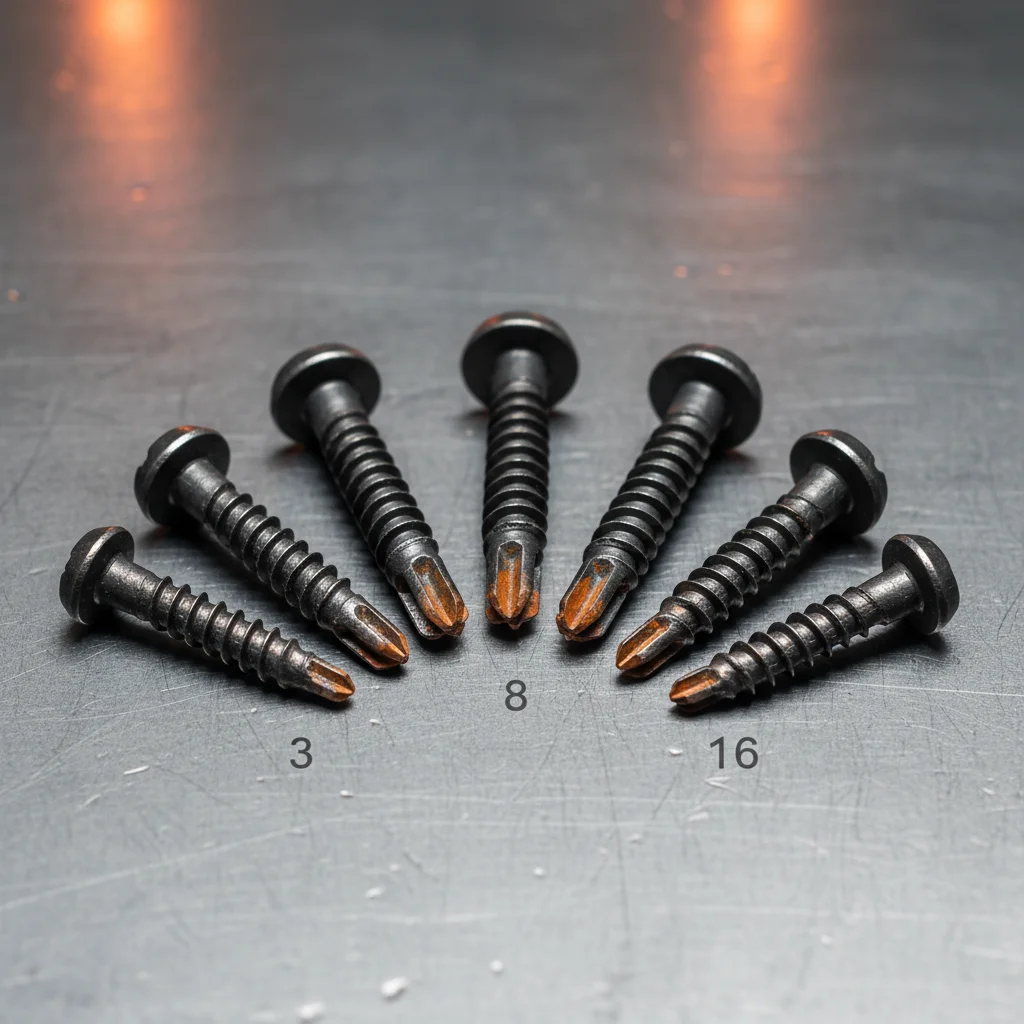
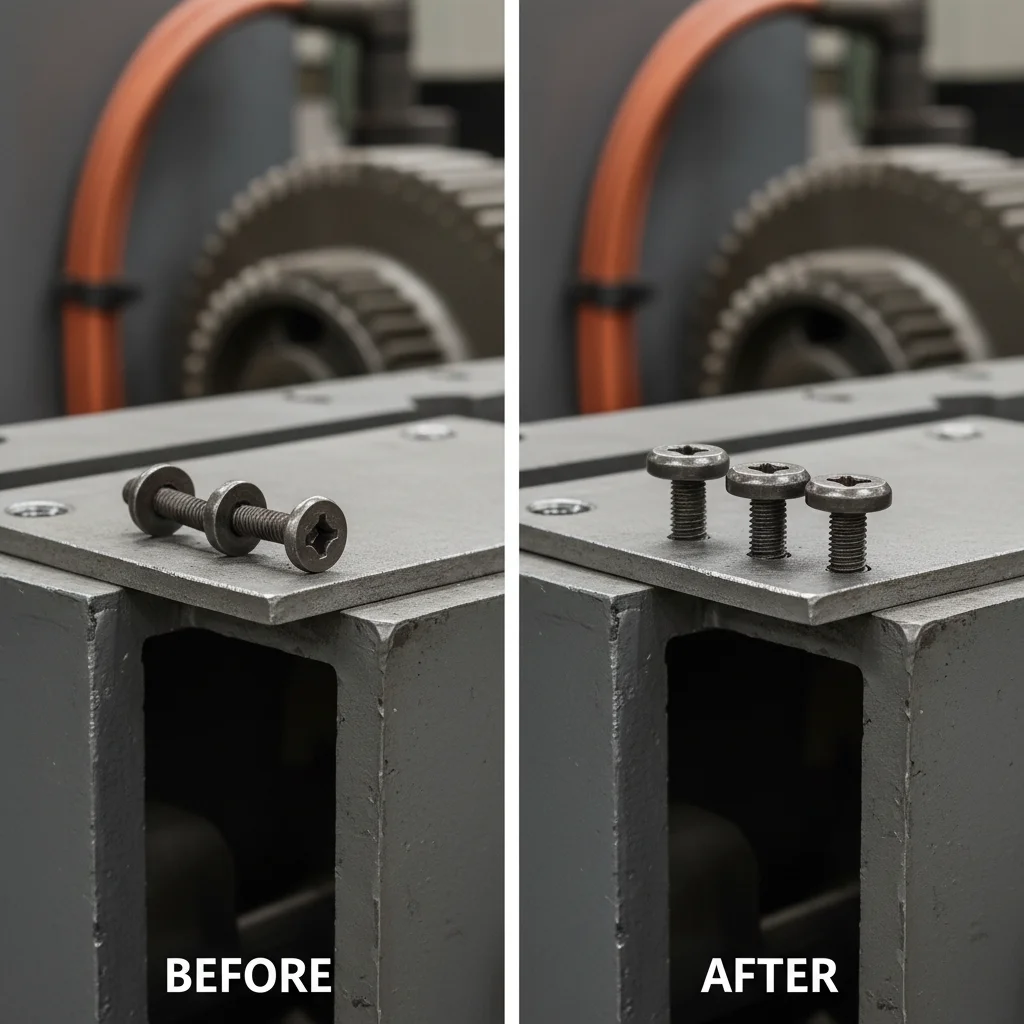
So, what exactly is a self screw nut? In layman’s terms, it’s a fastener that combines a screw and nut functionality—designed to be easily affixed into pre-threaded or thin materials without needing separate nuts or complex assembly tools. Sometimes called “self-clinching nuts” or “press-in nuts,” these components create strong threaded holes in metal sheets or plastics, making assembly faster and more repeatable.
They’re not just tiny parts with big stress though—these fasteners link directly to critical applications requiring reliable joints that endure vibration, torque, and environmental changes. In humanitarian aid, for example, self screw nuts speed up the assembly of modular shelters or medical devices, where time and reliability are life-saving.
Most self screw nuts are made from stainless steel, brass, or high-strength alloys ensuring corrosion resistance and longevity. In industrial contexts, this durability can translate to fewer replacements and maintenance downtime—a financial plus no one wants to overlook.
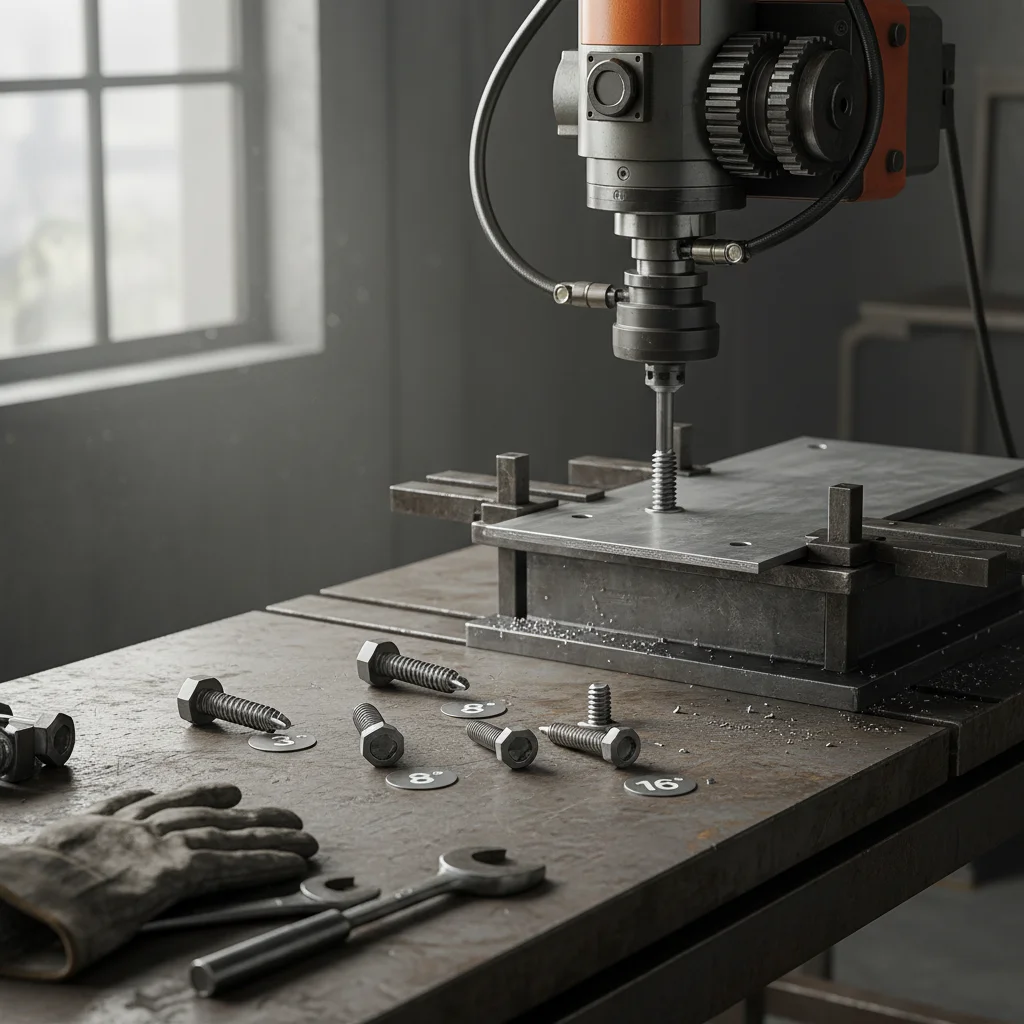
The “self” aspect is crucial here—they can be installed quickly by pressing or minimal tooling, often without the need for additional nuts. This simple install method accelerates production lines dramatically and reduces worker fatigue.
By integrating threading functions and eliminating separate components, these fasteners cut costs on parts inventory and assembly labor. In mass manufacturing, those savings add up quickly.
Available in various sizes and thread patterns, self screw nuts fit numerous applications, making them incredibly flexible for engineers and product designers.
Many self screw nuts feature specialized locking mechanisms preventing loosening under vibration—a must-have for automotive and aerospace sectors.
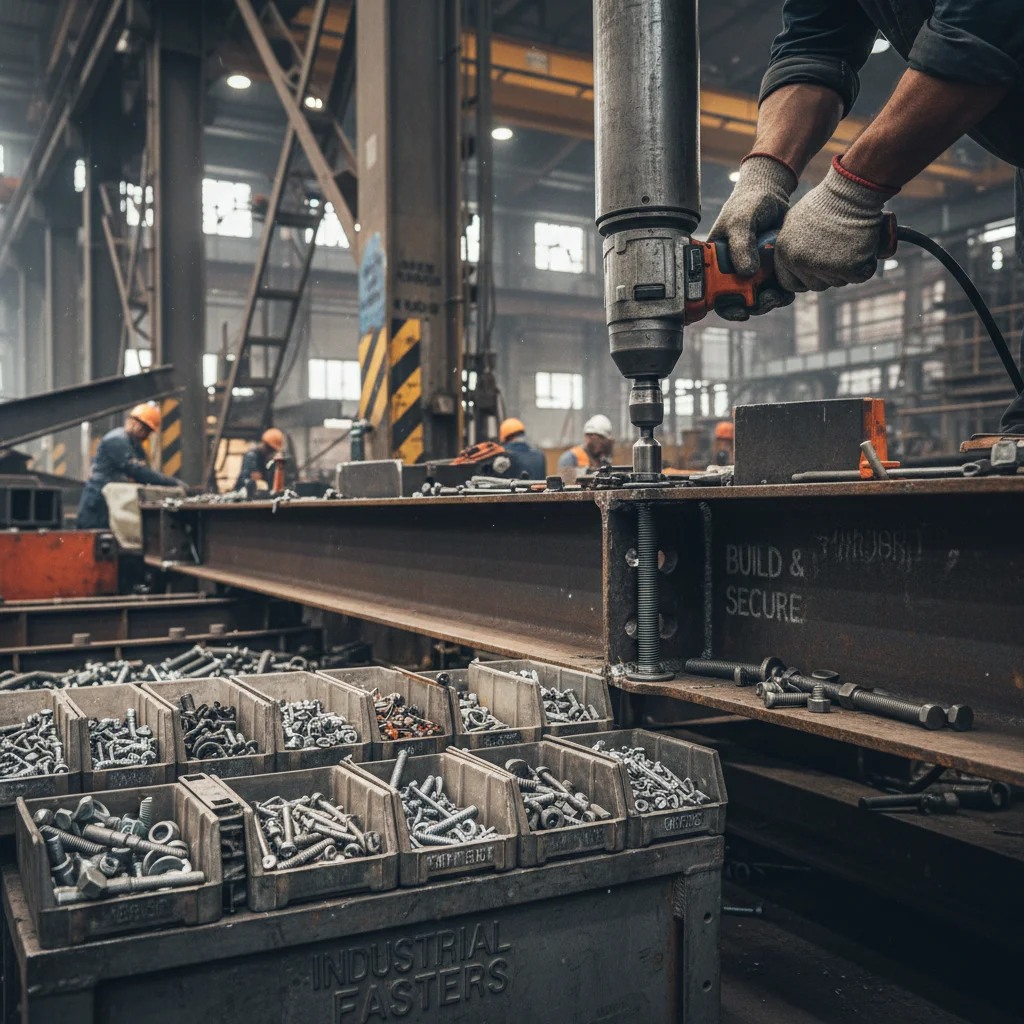
It’s oddly satisfying to realize how self screw nuts quietly show up globally. In Europe’s automotive assembly plants, their use accelerates chassis and body assembly, shaving precious minutes off build times. In Asia’s growing electronics industry, these fasteners secure delicate components with precision and reliability.
Humanitarian NGOs installing rapid-deployment shelters in disaster zones rely on self screw nuts for modular housing components that need to withstand wind and weather—without requiring specialized tools or expertise in the field.
Even space agencies use variants of self screw nuts, trusting their resilience in extreme conditions where fastener failure can mean mission failure.
Overall, these nuts elevate both the engineering and emotional aspects of trust—knowing your system won’t let you down.
| Specification | Typical Range | Comments |
|---|---|---|
| Material | Stainless Steel, Brass, Zinc Alloy | Corrosion resistant options for various environments |
| Thread Size | M3 – M12 (metric), #4 – 1/2" (imperial) | Standard and custom threading available |
| Installation Method | Press-in, Clinch, Self-tapping | Installation tooling varies by application |
| Load Capacity | Up to 1200 N per fastener | Dependent on material and size |
| Temperature Range | -40°C to +150°C | Suitable for most environments |
| Vendor | Material Options | Customization | Lead Time | Customer Support |
|---|---|---|---|---|
| FastenPro | Stainless Steel, Brass | High | 2-3 weeks | 24/7 Phone & Email |
| NutTech Co. | Zinc Alloy, Steel | Medium | 1-2 weeks | Business Hours Only |
| InnovNut | Custom Alloys | Very High | 4+ weeks | Dedicated Account Managers |
Recently, the industry is buzzing about self screw nuts made from innovative composite materials, combining strength with lighter weight—ideal for electric vehicles and aerospace. Digital manufacturing techniques like 3D printing are also allowing bespoke fastener designs, tailored to unique engineering specs.
And oddly enough, environmental sustainability has sparked demand for fasteners with recyclable metal content or biodegradable coatings. The self screw nut is quietly morphing to meet the green energy revolution and tightening regulations on waste.
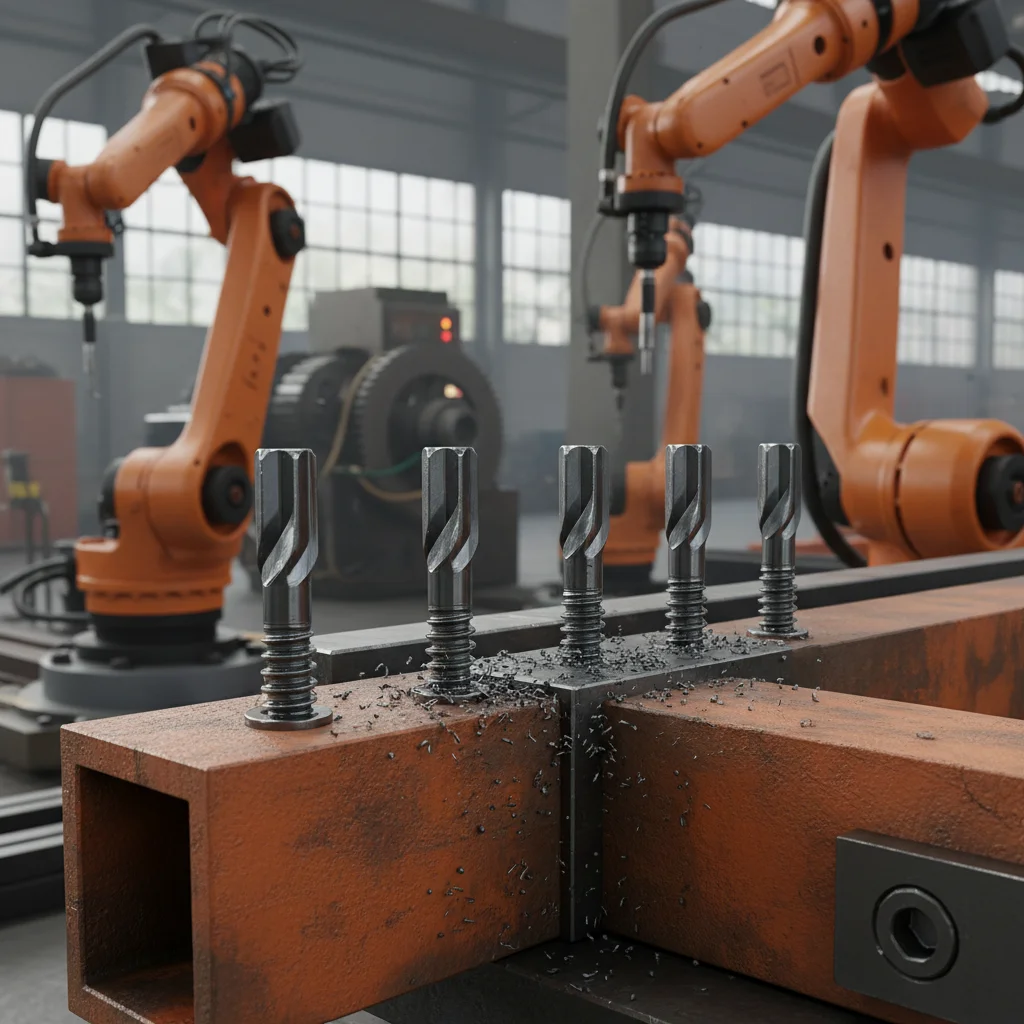
Like any fastener, self screw nuts sometimes struggle with installation in ultra-thin or irregular substrates. Misapplication can cause stripping or weak joints. To tackle this, engineers often deploy precision installation tools paired with torque monitoring. Smart factory integration even offers real-time feedback to avoid errors.
Supply chain hiccups for raw materials are another concern, especially amid geopolitical shifts. The best vendors now diversify sourcing and leverage local production hubs to keep assembly lines humming.
It might seem like a small component, but the self screw nut plays outsized roles across industries and geographies. It’s about efficiency, safety, and future-ready innovation, all wrapped up in a compact fastener. If you’re involved in engineering, construction, or design, keeping an eye on these nuts—literally—can unlock smarter builds and cost savings. Curious to learn more? Visit our website to explore products, get expert advice, or request samples.
Self screw nuts are the quiet enablers of modern manufacturing. Their simplicity meets complex needs, making them essential from factories to field operations. They’re a bit like the spine of industrial progress—strong, flexible, and always in place.
JOIN OUR NEWSLETTER


If you are interested in our products, you can choose to leave your information here, and we will be in touch with you shortly.