In the intricate world of woodworking and structural assembly, the humble carpenter nails serve as the invisible backbone of countless architectural marvels, from bespoke furniture to massive residential frameworks. While often overlooked in favor of complex power tools, the selection of the right fastener is what determines whether a joint remains rigid for decades or fails under environmental stress. Understanding the nuance of nail gauges, coatings, and head types is essential for any professional seeking to balance speed of installation with long-term structural integrity.
Globally, the demand for high-quality fastening solutions has surged alongside the rise of sustainable timber construction and the modernization of modular housing. As industry standards shift toward more rigorous ISO certifications for tensile strength and corrosion resistance, the role of specialized carpenter nails has evolved from simple commodity hardware to precision-engineered components. This evolution is driven by the need to reduce material waste and increase the safety margins of built environments.
For architects and contractors, the challenge lies in navigating the vast array of available options—ranging from common wire nails to specialized stainless steel variants—to ensure the right fit for specific wood densities and climate conditions. By mastering the application of these essential tools, craftsmen can achieve a seamless blend of aesthetic beauty and mechanical reliability, ensuring that every piece of furniture or building frame stands the test of time.
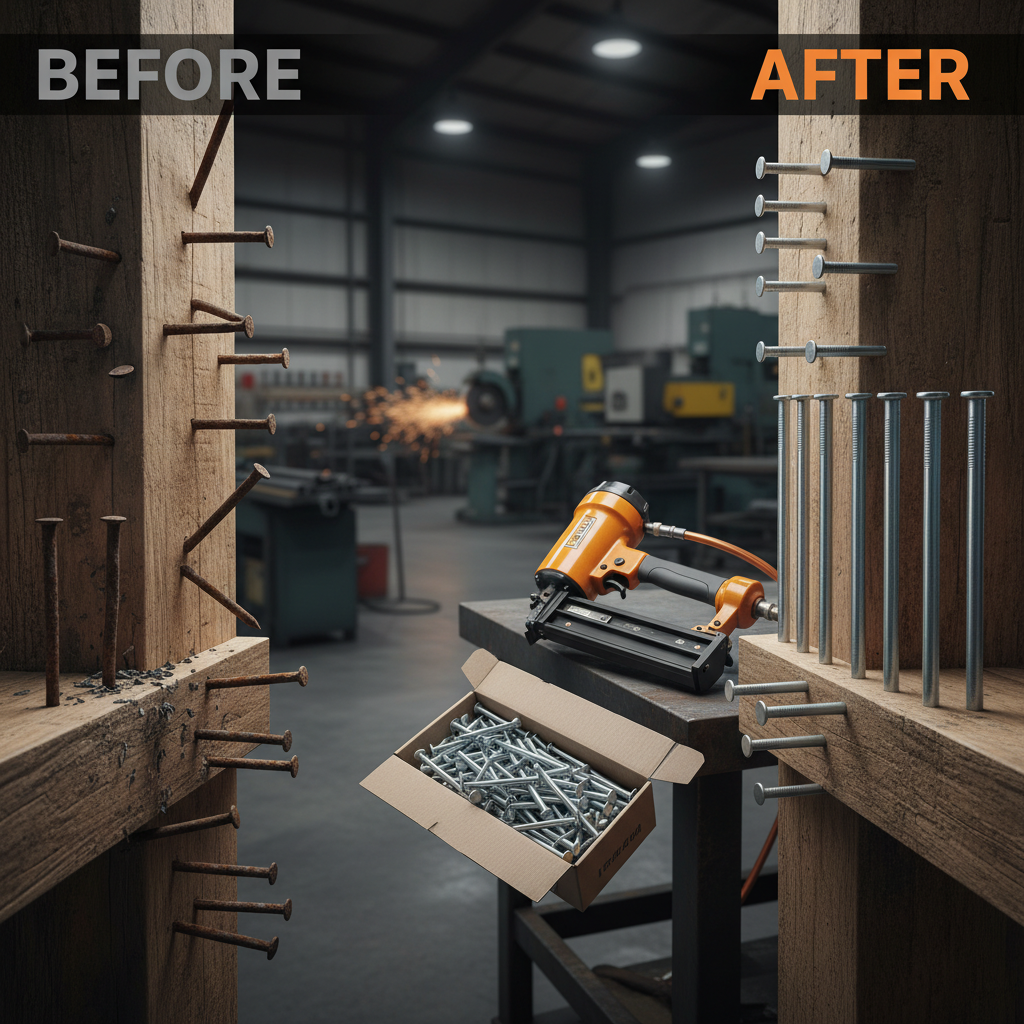
Global Industry Context of Carpenter Nails
The global market for carpenter nails is intrinsically linked to the growth of the global construction sector. With urbanization accelerating in Southeast Asia and Africa, and a renewed focus on timber-framed sustainable housing in Europe and North America, the reliance on high-tensile fasteners has never been higher. Industry data suggests that the integration of ISO-standardized steel nails has reduced structural failure rates in residential framing by significant margins over the last decade.
However, the industry faces a recurring challenge: the tension between cost-efficiency and durability. In many emerging markets, the use of low-grade fasteners leads to premature oxidation and joint loosening, which complicates maintenance and reduces the lifecycle of the structure. By implementing advanced galvanization and alloy treatments, the modern hardware industry is addressing these vulnerabilities, ensuring that fasteners provide a reliable bond regardless of the geographic or climatic constraints.
Defining Carpenter Nails in Modern Construction
In the simplest terms, carpenter nails are precision-cut metal fasteners designed to join two or more pieces of wood or similar materials by being driven into them with a hammer or pneumatic nail gun. Unlike screws, which rely on threading to create a mechanical lock, nails primarily utilize frictional resistance between the shank of the nail and the wood fibers to maintain a secure hold.
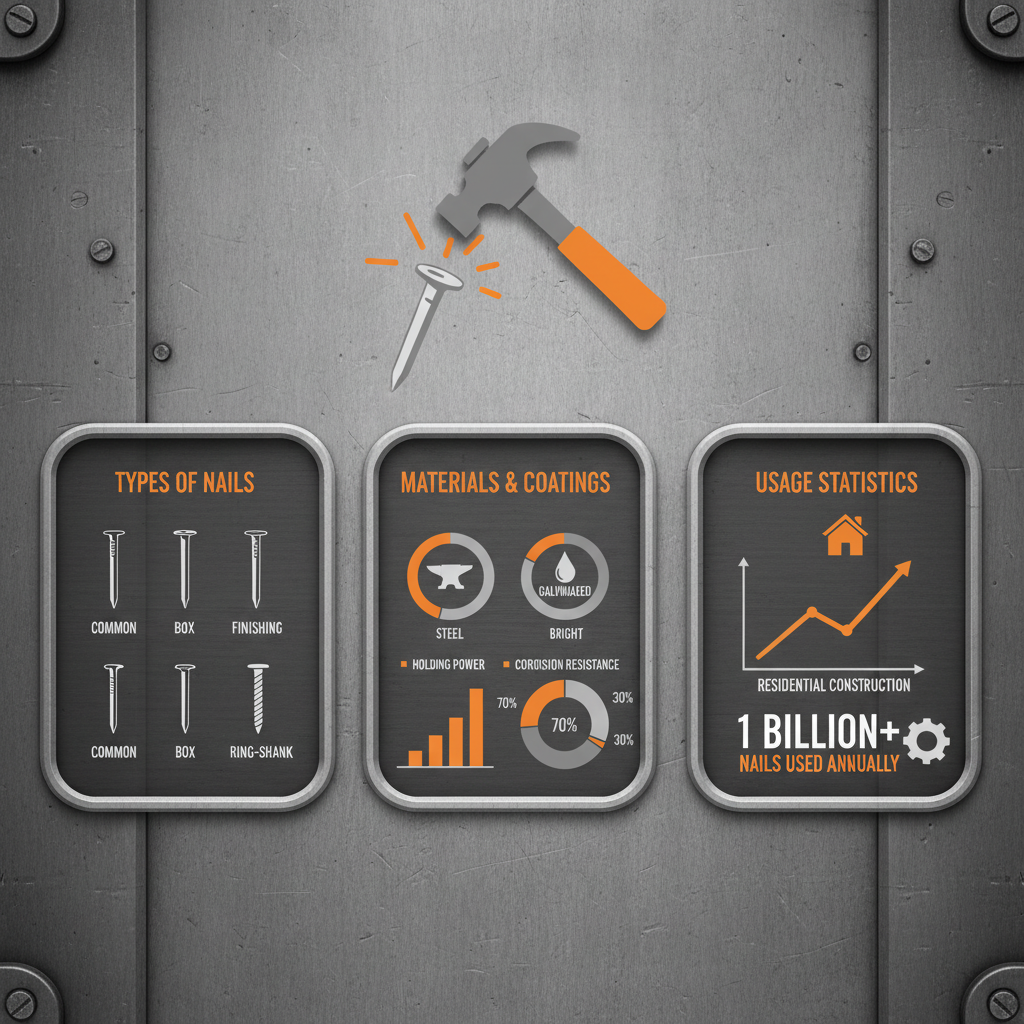
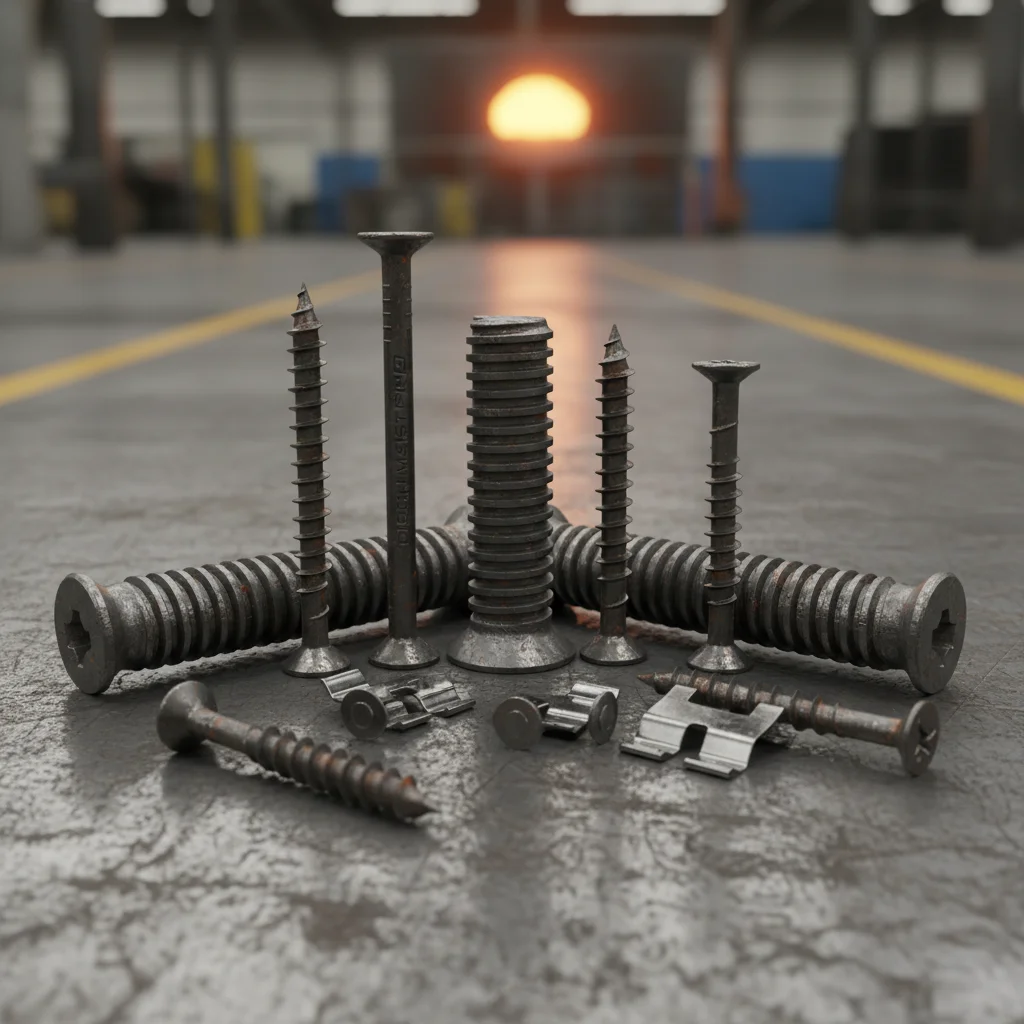
In the context of modern industry, these components are far more than simple pieces of wire. They are engineered tools that vary in shank design—such as ring-shank, screw-shank, or smooth-shank—to suit different shear and withdrawal requirements. This specialization allows them to meet humanitarian needs, such as the rapid assembly of emergency shelters in disaster zones, where speed of deployment is as critical as structural stability.
Furthermore, the connection between high-quality nails and modern furniture manufacturing is profound. From the hidden fasteners in high-end cabinetry to the heavy-duty nails used in architectural decorative hardware, these elements ensure that the final product maintains its form and function under the stresses of daily use. The transition toward sustainable materials also requires nails that do not leach harmful chemicals into the environment, marking a shift toward eco-friendly coatings.
Key Factors for Fastener Performance
When evaluating the quality of carpenter nails, durability is the paramount factor. This is typically achieved through advanced surface treatments such as hot-dip galvanization or electroplating, which protect the steel core from moisture and corrosive agents. In coastal environments, where salt spray can degrade standard steel in months, the use of stainless steel or high-grade coated nails is non-negotiable for long-term safety.
Another critical aspect is the "Withdrawal Resistance" or grip strength. The geometry of the nail shank—specifically the inclusion of rings or threads—dramatically increases the surface area in contact with the wood, preventing the nail from pulling out under tension. This is particularly vital in the construction of staircases and roof trusses, where vibration and load-shifting are common.
Finally, cost-efficiency and scalability play a huge role in large-scale industrial projects. Procurement managers look for fasteners that offer a balance between material purity and price per unit. By optimizing the manufacturing process through automated cold-heading technology, suppliers can provide millions of consistent units that meet strict tolerances, ensuring that pneumatic shooting tools operate without jams and projects stay on schedule.
Global Applications and Use Cases
The application of carpenter nails spans across diverse industries, from luxury home interiors to heavy industrial crates. In the realm of Architectural Decorative Hardware, specialized finish nails are used to attach intricate moldings and cornices without leaving visible marks, allowing for a polished, professional appearance. Meanwhile, in the production of household hardware, these nails provide the necessary rigidity for shelving and cabinet supports.
Beyond residential use, these fasteners are indispensable in remote industrial zones and post-disaster relief operations. For instance, when NGOs deploy modular housing in flood-prone regions, the use of corrosion-resistant nails ensures that temporary shelters can be assembled rapidly and remain stable despite extreme humidity. The ability to use standardized fasteners allows for easier repair and modification by local laborers who may not have access to complex machinery.
Performance Comparison of Carpenter Nails Types
Long-Term Value and Advantages
The long-term value of investing in premium carpenter nails manifests in reduced maintenance costs and enhanced safety. Logically, a nail that resists rust and maintains its grip prevents the "creep" of structural joints, which can lead to sagging floors or unstable walls over time. This reliability builds trust between the contractor and the client, as the integrity of the work is guaranteed for the lifespan of the building.
From an emotional perspective, the use of quality hardware provides peace of mind. Whether it is a family home or a commercial space, the knowledge that the fundamental joints are secured by industry-leading fasteners adds a layer of security and dignity to the living space. Furthermore, the sustainability aspect cannot be ignored; by using nails that last longer, we reduce the frequency of replacements and the resulting waste in landfills, contributing to a more circular construction economy.
Future Trends and Material Innovations
The future of carpenter nails is being shaped by the digital transformation of the manufacturing sector. Smart factories are now using AI-driven quality control to detect micro-fractures in steel before the nails are even packaged, ensuring nearly zero failure rates. Additionally, the rise of automation in construction—such as robotic nail-driving systems—is pushing the demand for fasteners with extremely tight dimensional tolerances.
Material science is also introducing "green" coatings. Traditional chromium-based coatings are being replaced by organic, non-toxic polymers that provide equal or superior corrosion resistance without polluting the groundwater. These innovations align with global green energy goals and strict environmental policies in regions like the EU, where "green building" certifications (like LEED) influence material procurement.
Moreover, we are seeing the development of composite fasteners that combine the strength of steel with the lightweight properties of advanced alloys. These hybrid carpenter nails are designed to optimize the strength-to-weight ratio, which is critical for aerospace-grade interiors and high-tech modular furniture that requires frequent relocation.
Overcoming Common Implementation Challenges
One of the most common challenges in the field is "nail popping," where the fastener pushes back out of the wood due to shrinkage and swelling cycles. Expert insights suggest that this can be overcome by switching from smooth-shank to ring-shank carpenter nails, which lock into the wood fibers more effectively. Additionally, pre-drilling pilot holes in hardwoods can prevent the wood from splitting, ensuring a tighter fit.
Another limitation is the chemical reaction between certain treated lumbers (like ACQ-treated wood) and standard steel nails, which can cause rapid corrosion. The solution lies in using hot-dipped galvanized or stainless steel fasteners, which are chemically inert to the copper-based preservatives found in modern treated wood. This technical adjustment prevents structural failure in decking and outdoor fencing.
Finally, logistical inefficiencies in importing hardware can lead to project delays. By partnering with manufacturers who utilize streamlined supply chain management and provide comprehensive technical data sheets, companies can ensure they receive the correct specifications for their specific regional needs, avoiding the costly mistake of using the wrong nail grade for a specific environment.
Analysis of Carpenter Nails Specifications by Application
| Application Type |
Recommended Nail Type |
Corrosion Resistance |
Load Bearing Score |
| Interior Furniture |
Finish Nails |
Low |
4/10 |
| Outdoor Decking |
Stainless Steel Ring-Shank |
Very High |
9/10 |
| Roof Framing |
Galvanized Common Nails |
Medium |
8/10 |
| Wall Molding |
Brad Nails |
Low |
3/10 |
| Pallet Manufacturing |
Wire Nails |
Low |
6/10 |
| Heavy Timber Frame |
High-Tensile Spike Nails |
Medium |
10/10 |
FAQS
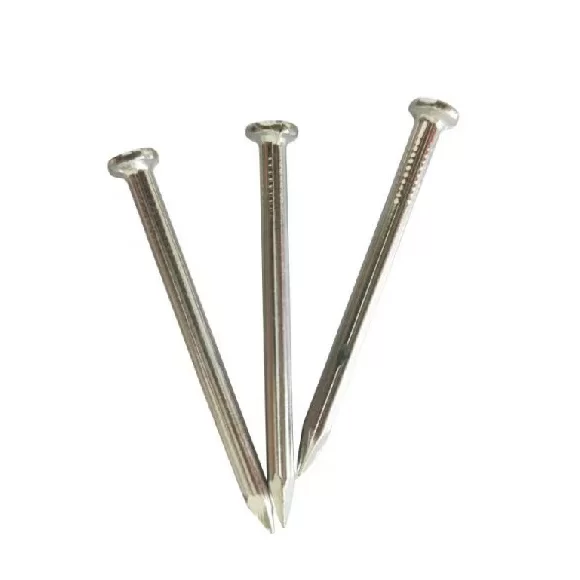
Common nails have a thicker shank and larger head, designed for heavy-duty structural framing where strength is more important than appearance. Finish carpenter nails have a much smaller head and thinner shank, allowing them to be driven almost flush or below the surface of the wood to be filled and hidden, making them ideal for trim, cabinetry, and decorative work.
To prevent rust, you should avoid untreated steel. Instead, opt for hot-dipped galvanized nails, which have a thick layer of zinc protection. For extreme environments, such as beachfront properties or high-humidity areas, 304 or 316-grade stainless steel nails are the professional choice as they are virtually immune to atmospheric corrosion.
Ring-shank nails feature small ridges along the shaft that act like anchors when driven into the wood. This significantly increases withdrawal resistance, meaning the nail is much less likely to "pop" or work itself loose as the decking boards expand and contract with temperature changes, providing a safer and more stable surface.
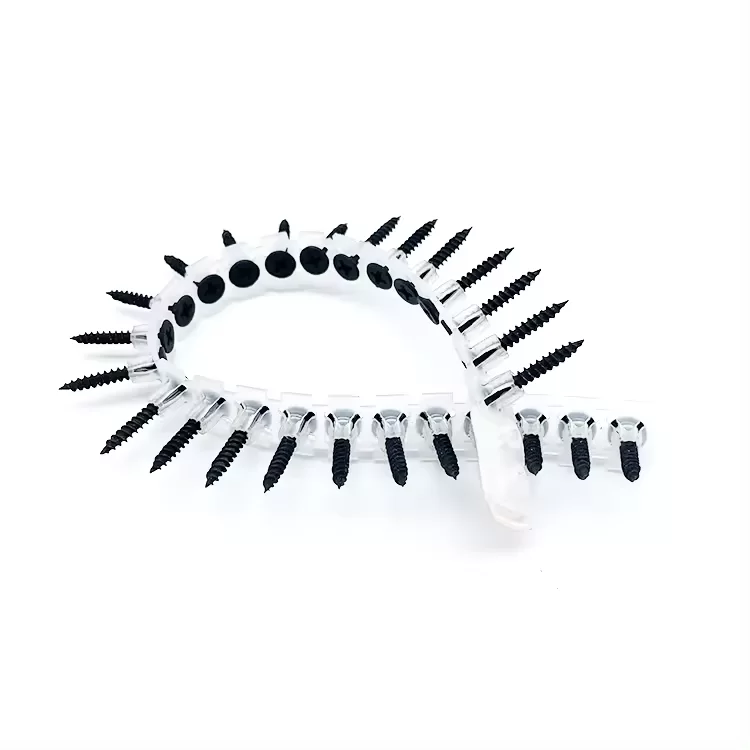
No, nail guns are designed for specific "collated" nails—nails that are held together by plastic, paper, or wire strips. You must ensure that the nail gauge, length, and collation method match your tool's specifications. Using non-compatible nails can lead to frequent jamming or permanent damage to the gun's firing mechanism.
Using a nail that is too short will result in insufficient grip, leading to joint failure. Conversely, a nail that is too long may split the wood or protrude through the other side, creating a safety hazard and ruining the aesthetic. A general rule of thumb is that the nail should penetrate the second piece of wood by at least 2/3 of its shank length.
Yes, in applications where moisture is present. While the initial cost is higher, the lifecycle value is superior because you avoid the cost of structural repairs caused by rust-jacking (where rusting nails expand and split the wood). For indoor, dry-environment furniture, standard steel is sufficient, but for anything outdoor, stainless steel is a wise investment.
Conclusion
In summary, carpenter nails are far more than simple hardware; they are critical engineered components that dictate the longevity, safety, and quality of any woodworking project. By understanding the interplay between material science—such as galvanization and stainless steel alloys—and mechanical design, professionals can ensure that their structures remain resilient against both time and the elements. From the precision of finish nails in decorative hardware to the brute strength of framing spikes, the right choice of fastener is the ultimate mark of a master craftsman.
Looking forward, the integration of sustainable coatings and AI-optimized manufacturing will continue to elevate the standards of the fastening industry. We encourage contractors and designers to prioritize quality over initial cost to minimize environmental impact and maximize structural reliability. For those seeking the highest grade of industrial fasteners and expert guidance on material selection, we invite you to explore our comprehensive range of solutions. Visit our website: www.lianshiwjnail.com