
Hit enter to search or ESC to close
Hardware for building decks represents a critical component in modern construction, offering innovative solutions for creating durable, safe, and aesthetically pleasing outdoor living spaces. From the fundamental framing materials to the specialized fasteners and decking boards, the quality and selection of hardware directly impact the longevity and performance of any deck project. Understanding the nuances of these materials is essential for both professional contractors and DIY enthusiasts alike, ensuring projects meet building codes and withstand the elements. The demand for high-quality hardware is growing, driven by an increasing focus on outdoor living and home improvement trends.
The global market for deck hardware is substantial and continuously expanding, fueled by residential construction booms and a rising demand for outdoor entertainment areas. According to industry reports, the outdoor living market is projected to reach \$34.8 billion by 2027, significantly impacting the need for reliable and efficient building materials. This growth is particularly prominent in North America and Europe, but emerging markets in Asia-Pacific are also exhibiting increased demand. However, challenges remain in ensuring consistent quality and sustainable sourcing of materials to meet the environmental concerns of today’s consumers.
The increasing emphasis on sustainable building practices and material longevity underscores the importance of informed hardware selection for deck construction. Choosing the right hardware minimizes maintenance, reduces the risk of structural failure, and contributes to a more environmentally friendly outcome. This also addresses concerns about the initial cost versus long-term value, with durable hardware reducing the need for frequent repairs or replacements.
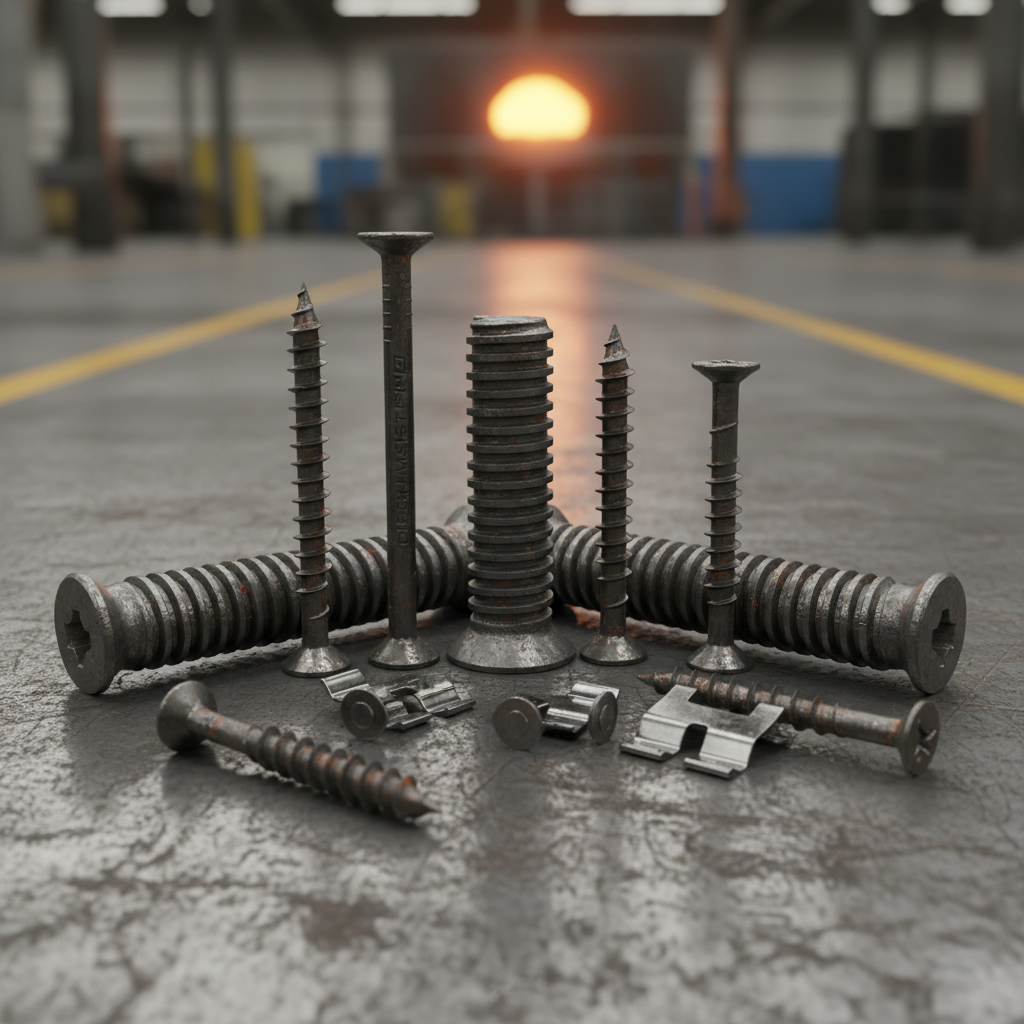
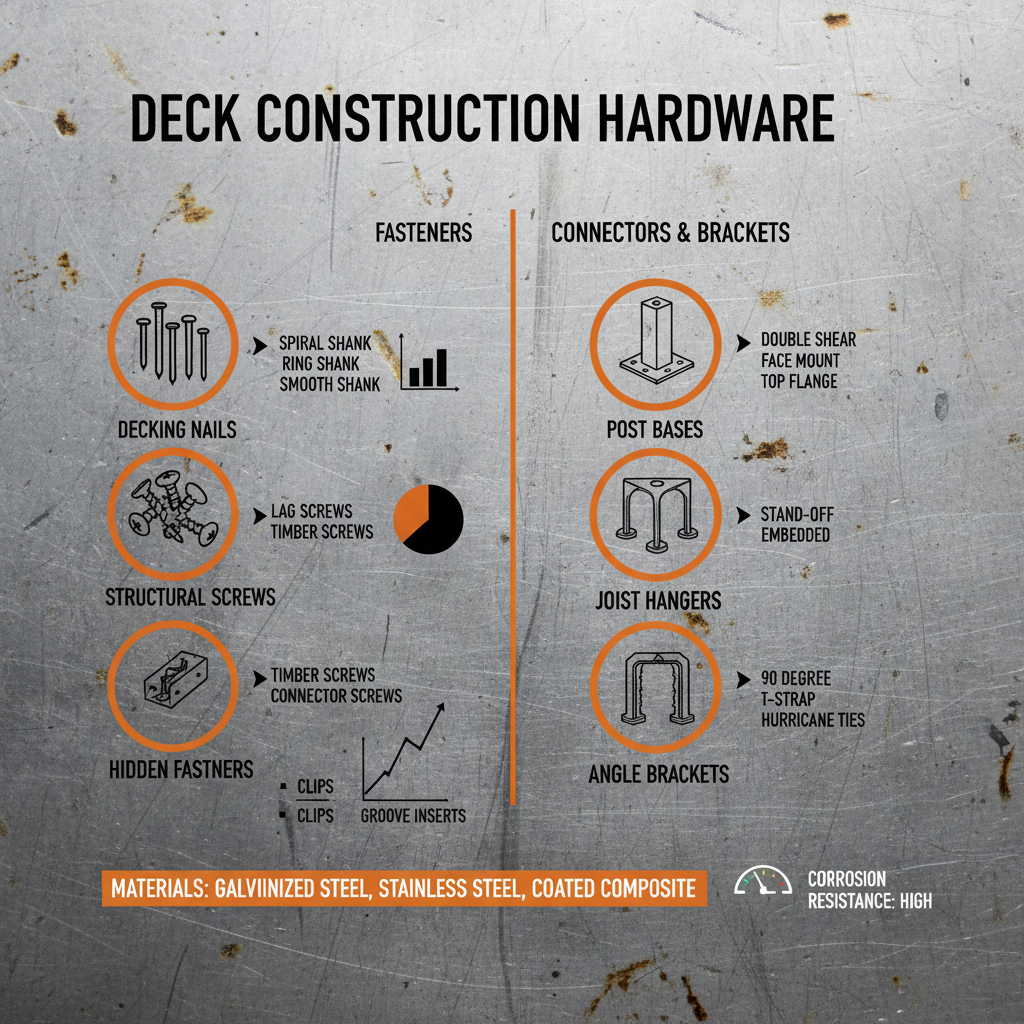
The foundation of any structurally sound and aesthetically pleasing deck lies in the quality of the hardware used. This encompasses a broad range of components, from the supporting posts and beams to the fasteners securing the decking boards. Selecting appropriate hardware for building decks is critical not only for ensuring the deck’s immediate stability but also for its long-term resistance to weathering and wear.
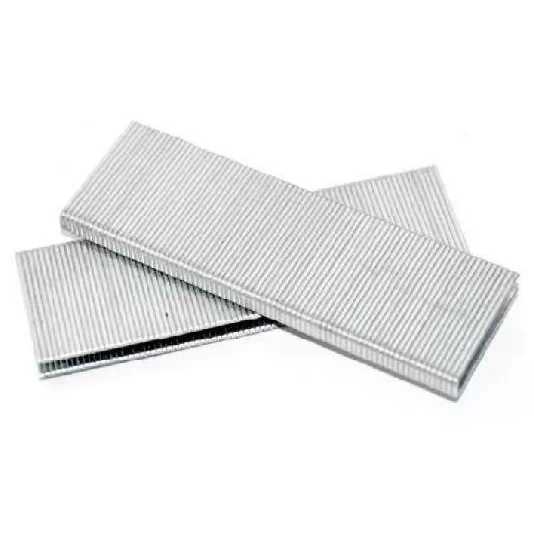
Modern deck hardware has evolved significantly, moving beyond simple nails and screws to include specialized connectors, hidden fastening systems, and corrosion-resistant materials. This evolution addresses the demands of increasingly complex deck designs and the need for reduced maintenance. Understanding these advancements is key to building safe, durable, and beautiful outdoor spaces.
For saltwater environments, marine-grade stainless steel (316) is the best choice. It’s formulated with molybdenum, which significantly enhances its resistance to chloride corrosion. Avoid galvanized steel or lower grades of stainless steel as they will corrode rapidly in saltwater exposure. Proper installation is also critical to avoid crevice corrosion where dissimilar metals are in contact.
Galvanic corrosion occurs when dissimilar metals are in contact in the presence of an electrolyte (like water). To minimize this, use hardware made from the same metal family whenever possible. If using different metals, isolate them with a non-conductive barrier, such as a plastic washer or coating. Also, ensure proper drainage to prevent standing water.
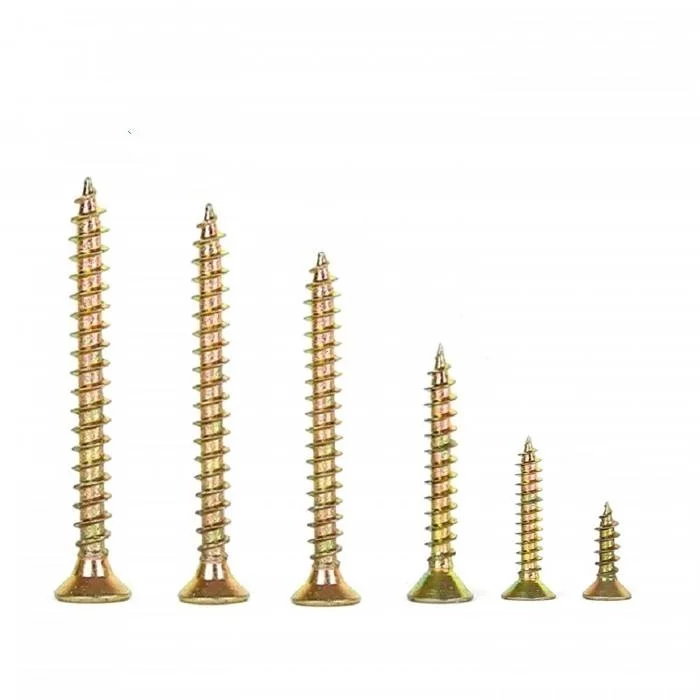
Deck screws are specifically designed for outdoor use. They have a coating (like ceramic or epoxy) to resist corrosion and a specialized thread pattern for secure holding in wood or composite. Drywall screws are brittle, lack corrosion resistance, and have a shallow thread, making them unsuitable and dangerous for deck construction. Using drywall screws can lead to structural failure.
Hidden fastening systems are designed to conceal the screws, creating a cleaner, more aesthetically pleasing deck surface. They typically use clips or plugs to secure the decking boards. These systems can be a great option for composite or hardwood decking, offering a smooth, uninterrupted look. However, they can be more expensive and require specialized installation techniques.
Pre-drilling is crucial when working with hardwood decking. Hardwood is dense and can easily split if screws are driven directly into it. Pre-drilling creates a pilot hole, reducing the risk of splitting and making screw installation easier. Use a drill bit slightly smaller than the screw diameter.
Joist hangers are metal connectors used to securely attach joists to ledger boards or beams. They provide a strong and reliable connection that is essential for the structural integrity of the deck. Using properly sized and installed joist hangers is critical to prevent joist failure and ensure the deck can safely support the intended load. Ensure they are galvanized or stainless steel for outdoor use.
In conclusion, selecting the right hardware for building decks is paramount to ensuring a safe, durable, and aesthetically pleasing outdoor living space. From understanding material compatibility and corrosion resistance to considering the specific demands of the environment and deck’s intended use, careful consideration of these factors is essential. Investing in quality hardware not only minimizes maintenance and repair costs but also enhances the long-term value and enjoyment of your deck.
As building practices evolve and new materials emerge, staying informed about the latest advancements in hardware technology is crucial. Exploring sustainable options, embracing innovative fastening systems, and prioritizing quality materials will contribute to a future where decks are not only beautiful but also environmentally responsible and built to last. Visit our website at www.lianshiwjnail.com to explore a comprehensive range of hardware solutions for your next deck project.

JOIN OUR NEWSLETTER