
Hit enter to search or ESC to close
Dec 4, 2025


Having been in the thick of industrial equipment for well over a decade, wide head self tapping screws feel less like just fasteners and more like trusted partners on many job sites. Frankly, these screws carry a quiet, underrated weight in construction and manufacturing circles—both literally and figuratively.
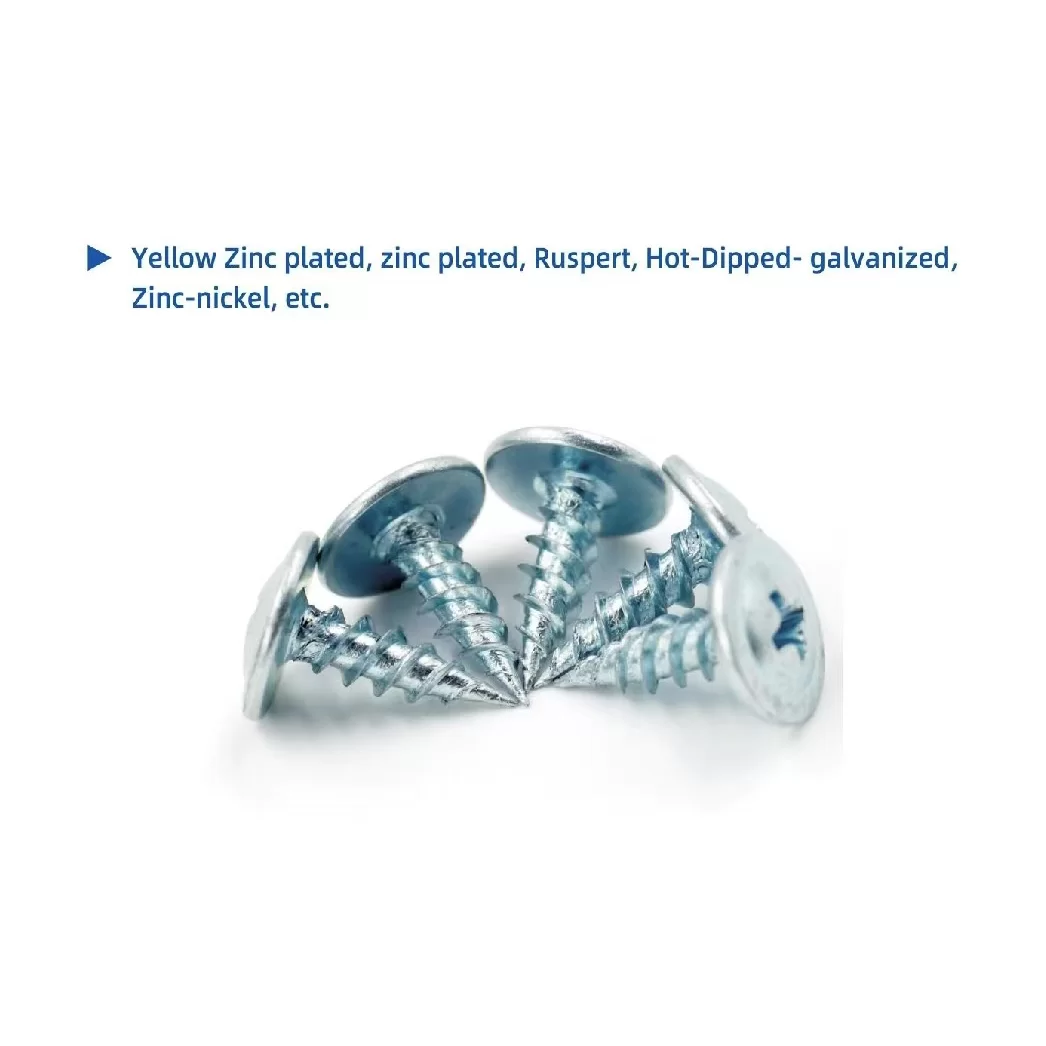
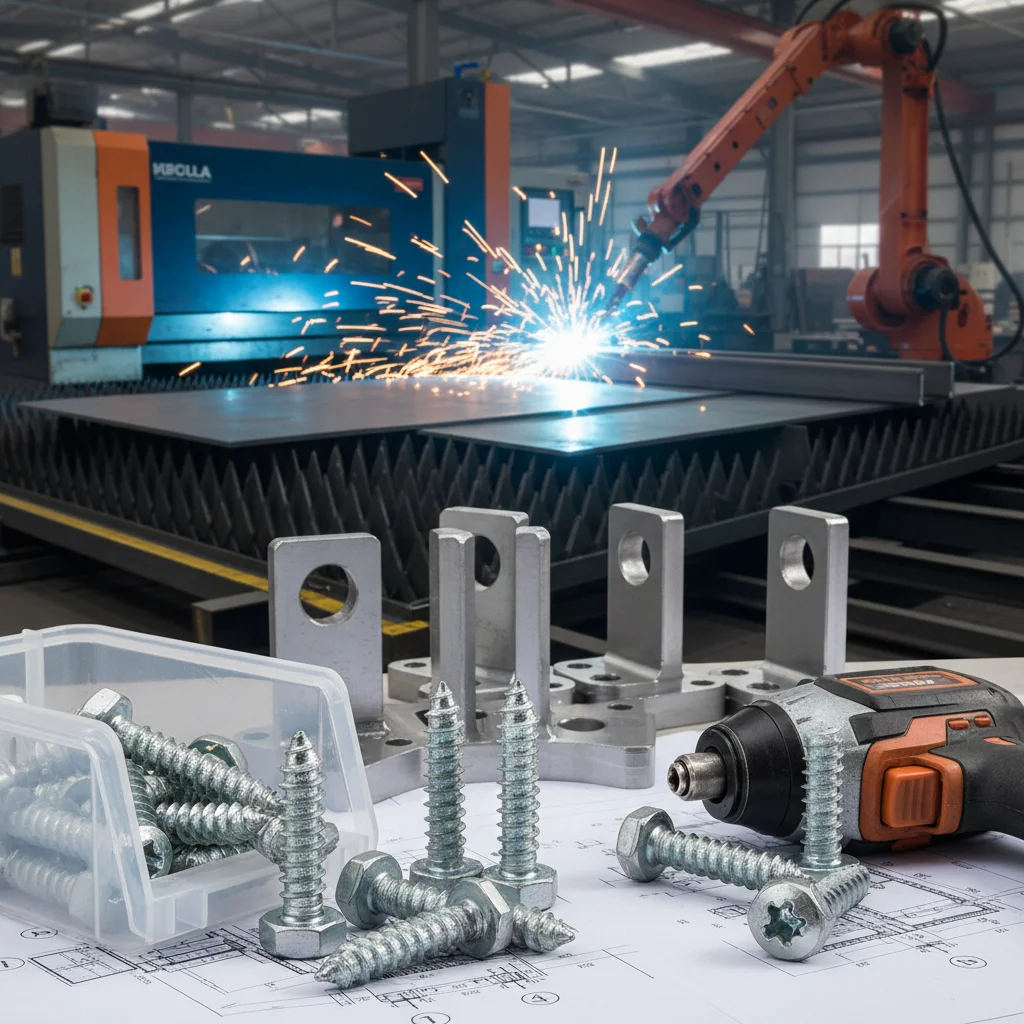
Oddly enough, while many focus on high-tech materials, the simple design and dependable functionality of wide head self tapping screws often clinch their popularity. For those who aren't familiar, these screws feature a broad, flat head that's excellent for distributing load and preventing pull-through, making them invaluable when fastening materials like sheet metal, plastics, or thin wood panels.
In real terms, their self tapping capability lets you skip the pre-drilling step; the screw threads carve their own path as they're driven in. This means significant time and labor savings—not to mention fewer tools to worry about on-site. I've noticed more project supervisors opting for these screws, especially in retrofit work or where speed and durability go hand in hand.
Material wise, stainless steel and carbon steel remain dominant, each serving different needs. Stainless steel offers corrosion resistance for outdoor or humid environments while carbon steel, often zinc-plated, gives excellent strength and cost efficiency indoors. Many engineers I’ve talked to side-eye cheaper coatings, preferring screws that can survive weather or chemical exposure without showing rust quickly.
But here’s a little story: A client once came back, initially skeptical about the "wide head" design. They had been using smaller head screws that dug into thin aluminum panels, causing damage. After switching to our recommended wide head self tapping screws, the quality of their assemblies rose noticeably, and the rework rate dropped. It’s those details, you know, that make all the difference across long production runs.
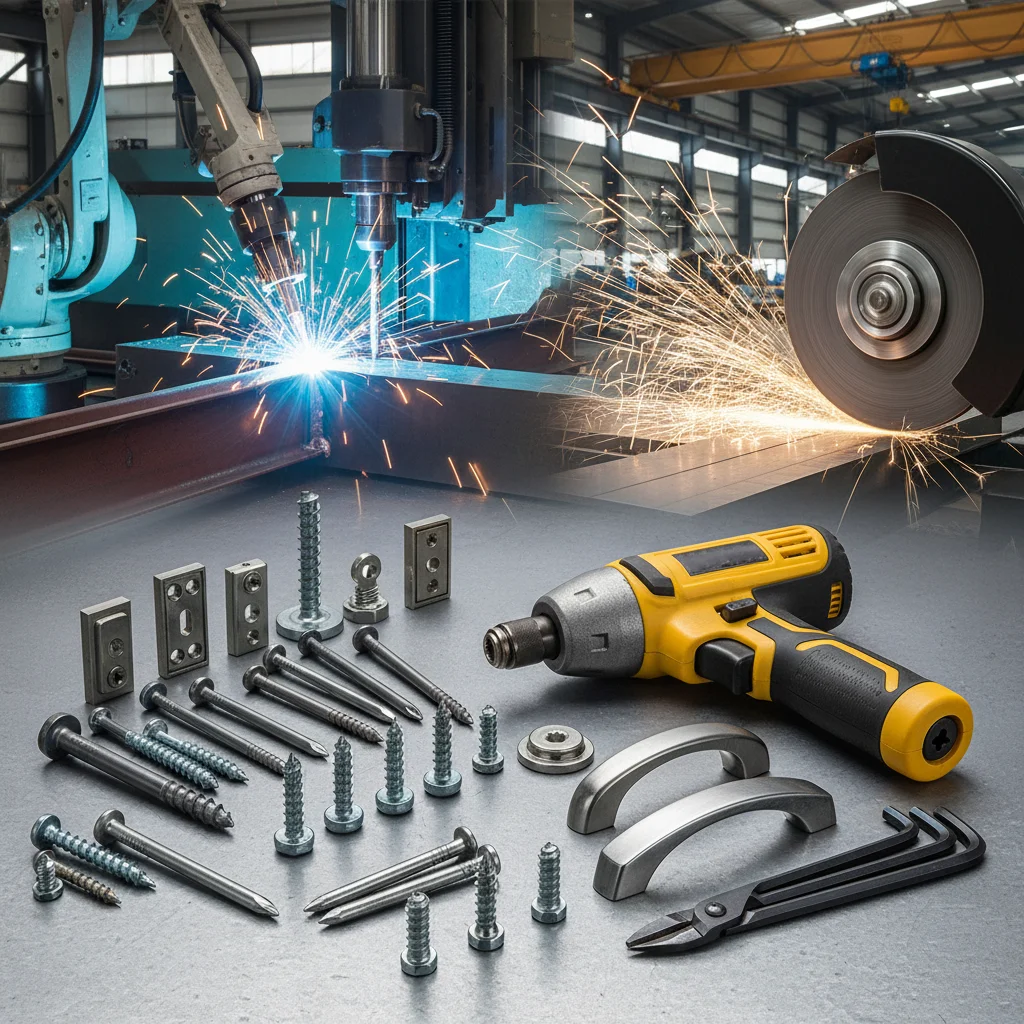
Customization is another facet often overlooked. From thread pitch to head diameter and finish, wide head self tapping screws can be tailored for various industrial needs. This flexibility can sometimes make or break the efficiency and safety of mechanical assemblies.
| Feature | Specification | Notes |
|---|---|---|
| Head Diameter | 10-22 mm | Wide to spread load, prevent material damage |
| Thread Type | Coarse / Fine | Depends on material thickness & hardness |
| Material | Stainless Steel, Carbon Steel (zinc plated) | Corrosion resistance vs. cost trade-off |
| Length | 12-75 mm | Varies with application |
| Drive Type | Phillips, Pozi, Torx | Torque control and tool preference |
Now, comparing vendors can be tricky because honestly, not all wide head self tapping screws are created equal. You do get what you pay for, and sometimes it's smarter to invest upfront rather than facing headaches down the road.
| Vendor | Material Quality | Customization | Price | Lead Time |
|---|---|---|---|---|
| Lianshiwjnail | Premium stainless & zinc coatings | Highly flexible specs | Competitive | 1-2 weeks |
| Generic Supplier A | Basic carbon steel, variable plating | Limited options | Low | 3-4 weeks |
| Premium Brands B | High-grade stainless steel | Good customization | High | 2-3 weeks |
So what's the takeaway? Well, while these screws might not be glamorous, choosing the right wide head self tapping screws matters a lot. They keep things tight, clean, and durable—especially when you’re dealing with delicate materials or high-stress environments.
I suppose in the industrial world, sometimes the smallest components yield the biggest peace of mind.
JOIN OUR NEWSLETTER


If you are interested in our products, you can choose to leave your information here, and we will be in touch with you shortly.