
Hit enter to search or ESC to close
Mar 7, 2026


1mm self tapping screws are versatile fasteners widely used in various industries for joining thin metal sheets, plastics, and other materials. Their ability to create their own threads as they are driven in makes them a convenient and efficient choice. This article will delve into the intricacies of these screws, covering their applications, types, materials, and how to select the right one for your needs. We'll also explore the benefits of sourcing from a reliable supplier like Lianshi Wujin Nail, known for its quality and competitive pricing. Understanding these fasteners is crucial for ensuring secure and durable assemblies.
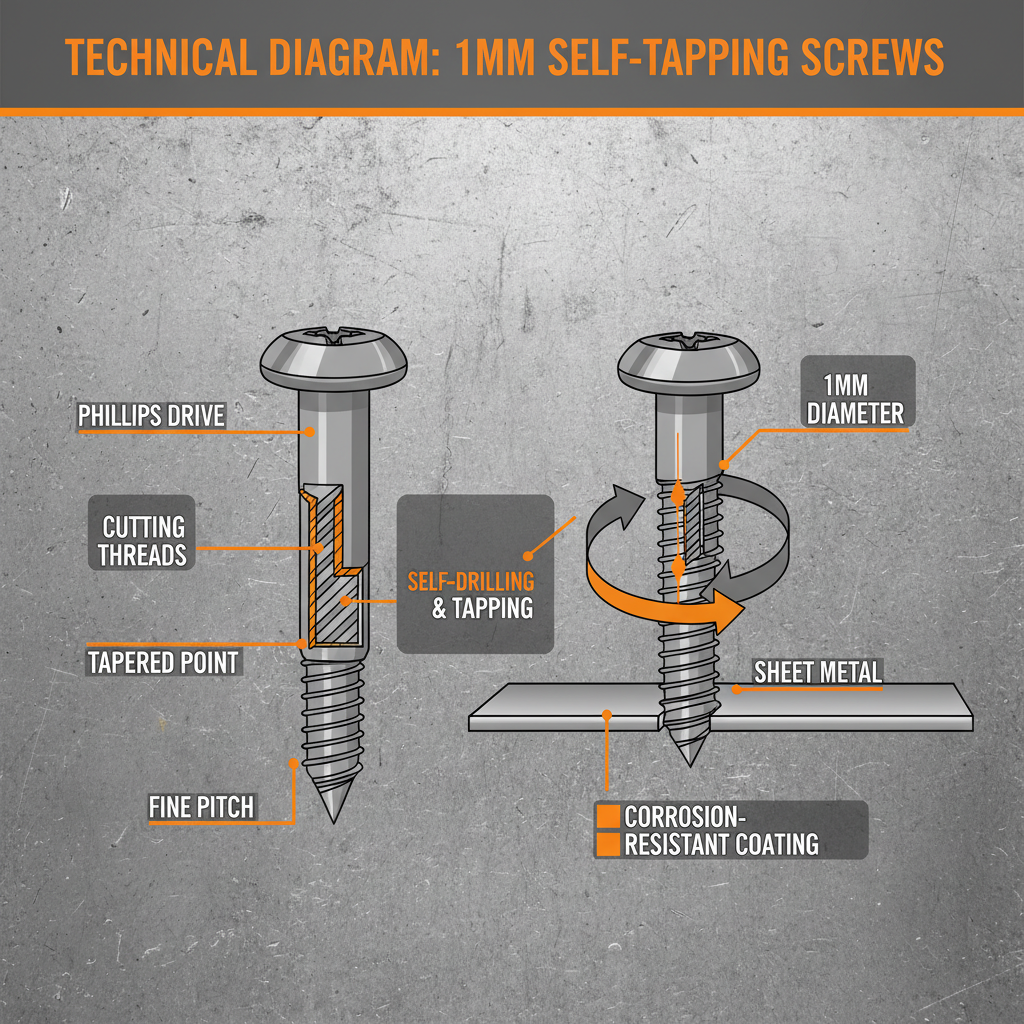
A 1mm self tapping screw, as the name suggests, has a diameter of 1mm. The 'self-tapping' attribute means the screw doesn't require a pre-tapped hole; it creates its own thread as it's driven into the material. This eliminates a crucial step in the assembly process, saving time and reducing costs. These screws are designed with a hardened thread that cuts into the material, forming a secure and reliable connection. They are commonly used in applications where the base material is relatively thin, as thicker materials may require larger diameter screws or pre-drilled holes. The precise thread design is vital for optimal performance and material compatibility.
Key Highlights: Eliminates the need for pre-tapped holes, saving time and cost. Hardened threads create a secure and reliable connection in thinner materials. Widely used in electronics, sheet metal fabrication, and plastic assembly.
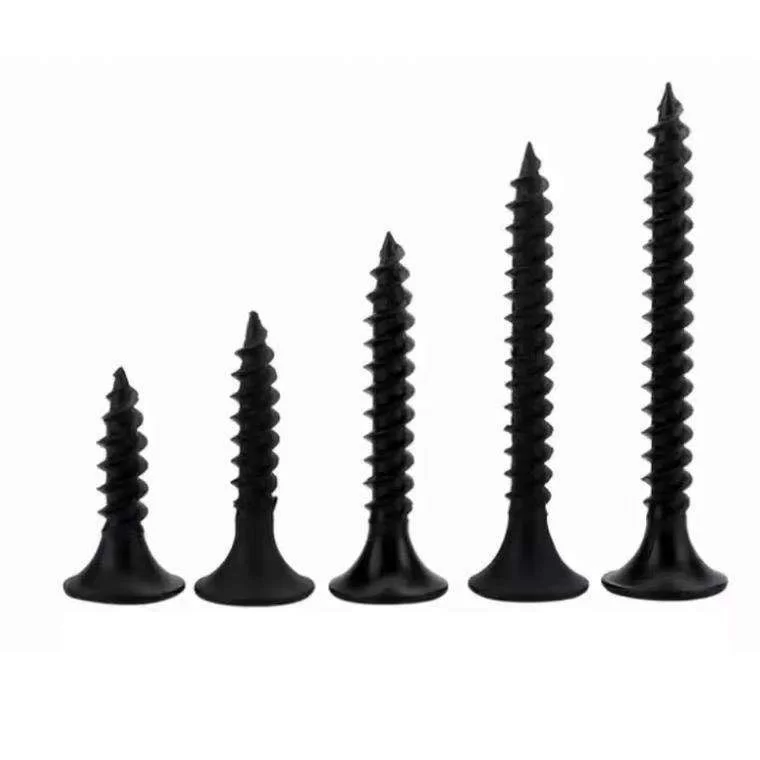
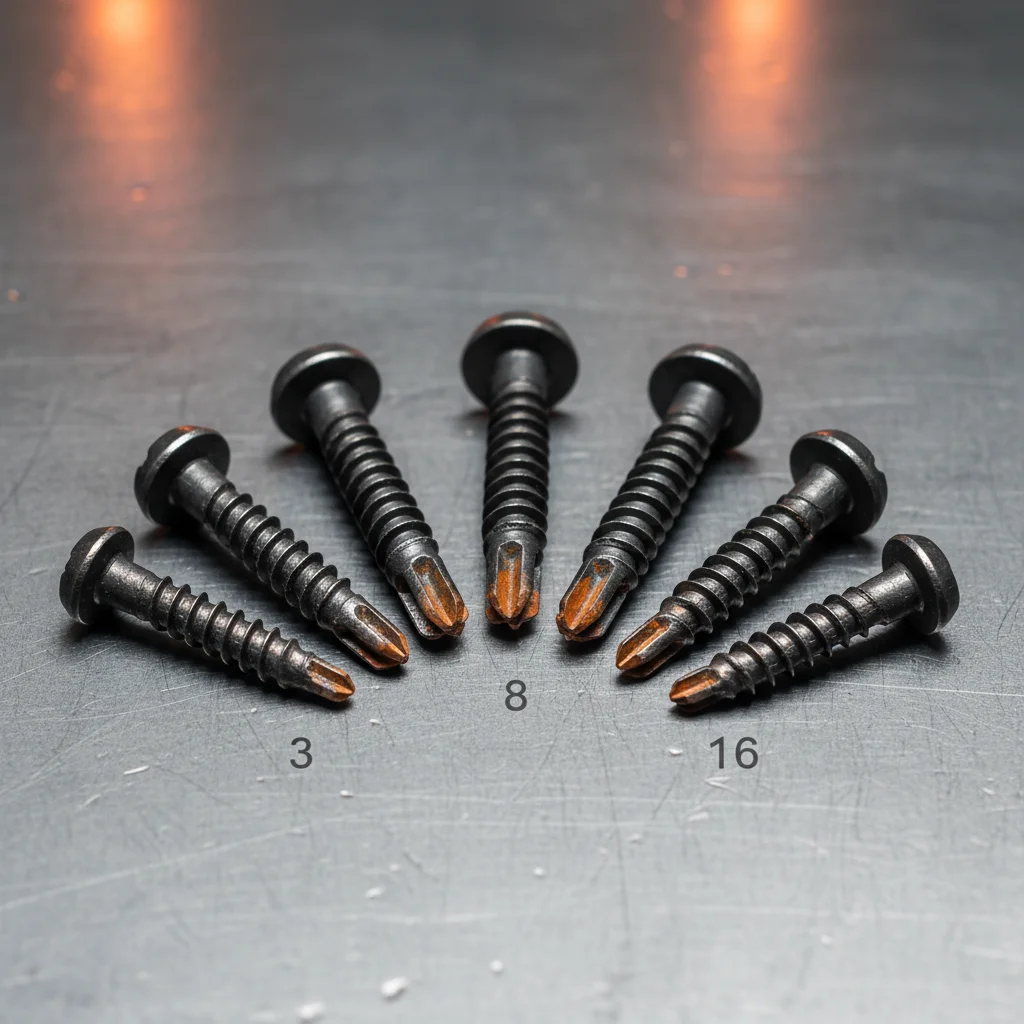
Several types of 1mm self tapping screws cater to different materials and applications. The primary distinction lies in the screw head and thread type. Common types include:
Thread Type Guide:
• Sharp Threads: Thin metal sheets.
• Blunt Threads: Plastics and soft materials.
• Fine Threads: Provide a stronger hold in thicker materials.
The material of the screw is critical for corrosion resistance, strength, and compatibility with the joined materials. Common materials include:
These screws find widespread use across numerous industries, including:
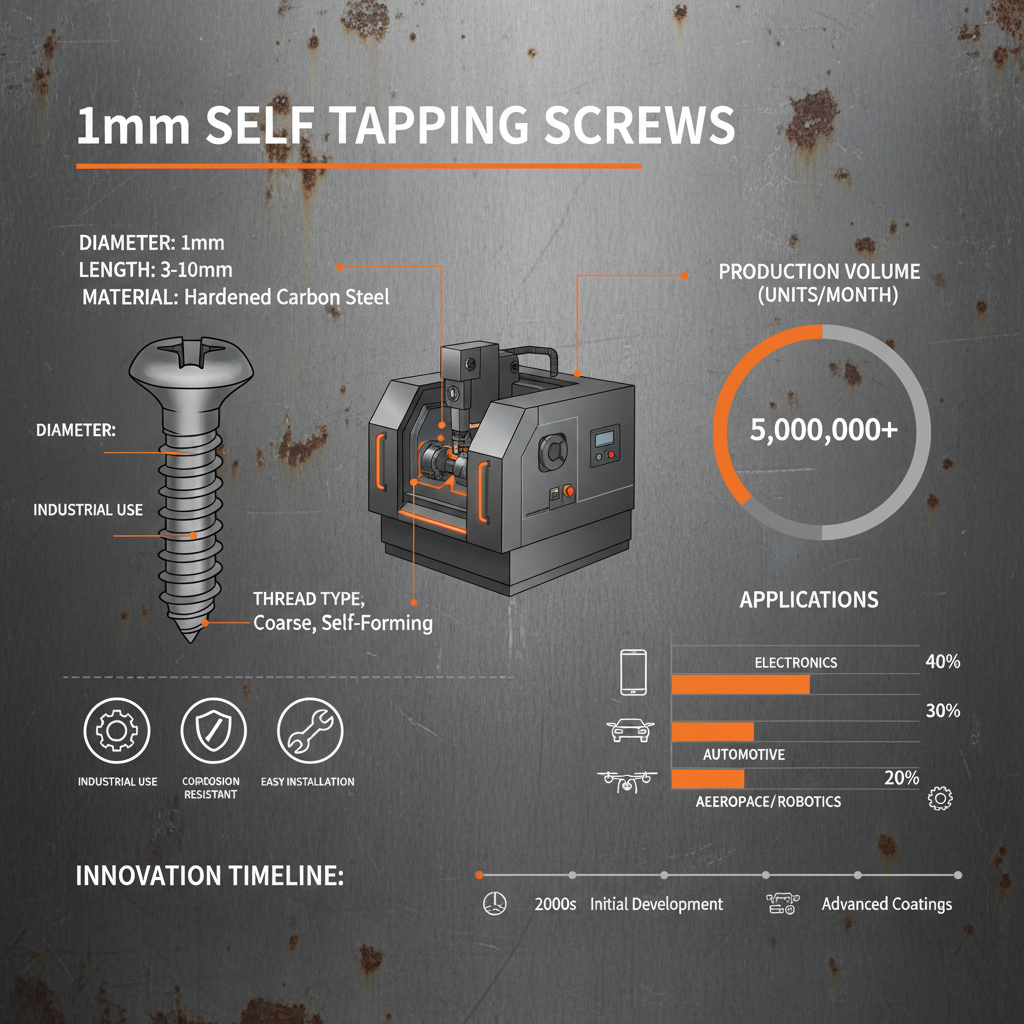
Sourcing high-quality 1mm self tapping screws is essential for ensuring the integrity of your assemblies. Lianshi Wujin Nail is a trusted manufacturer and supplier, offering a wide range of screws in various materials and finishes. We pride ourselves on delivering consistent quality, competitive pricing, and reliable customer service. We also offer custom manufacturing to meet specific needs. Choosing a reliable supplier like us can save you time, money, and ensure the success of your projects.
Investing in high-quality 1mm self tapping screws is vital for achieving robust and reliable assemblies. With a wide variety of materials, head styles, and thread types available, it's important to select the right screw for your specific application. Lianshi Wujin Nail is your trusted partner for sourcing these essential fasteners, offering quality, competitive pricing, and exceptional service.
1mm self tapping screws are commonly used with thin metal sheets (steel, aluminum), plastics, and occasionally wood composites. The specific material of the screw should be chosen based on the base material to prevent corrosion and ensure a secure hold. For example, stainless steel screws are ideal for applications involving aluminum or where corrosion is a concern. The thread type also plays a role, with sharper threads being best for metal and blunt threads for plastics. Selecting the right combination ensures optimal performance and longevity of the assembled product. It is best to test a small amount of screws before going into mass production.
The correct length depends on the thickness of the materials being joined. Generally, you want the screw to penetrate at least half the thickness of the bottom material for a secure hold. However, it’s crucial to avoid over-penetration, which can damage components or create a weakened connection. Consider the head style as well – flat heads require enough length to countersink properly. A good rule of thumb is to measure the total thickness of the materials, add a few millimeters for thread engagement, and select a screw length that matches.
Yes, a power drill with a suitable screwdriver bit can be used to drive 1mm self tapping screws. However, it's essential to use a low-speed setting and apply gentle, consistent pressure. Too much speed can strip the threads or damage the materials. A clutch setting can also be helpful to prevent over-tightening. Using the correct bit size and type is also critical for optimal performance. Avoid using impact drivers, as they can be too powerful for these small screws.
Detailed specifications for our 1mm self tapping screws, including dimensions, material compositions, and load ratings, are available on our website: https://www.lianshiwjnail.com. You can find downloadable datasheets and technical drawings in the product catalog. Our customer service team is also available to answer any specific questions you may have and provide tailored recommendations for your application.
JOIN OUR NEWSLETTER


If you are interested in our products, you can choose to leave your information here, and we will be in touch with you shortly.