
Hit enter to search or ESC to close
Mar 8, 2026


When undertaking projects requiring secure fastening, choosing the right screw is paramount. 2 1/2 in self tapping screws are a versatile and frequently utilized fastener, particularly in metalworking, construction, and DIY applications. This article will provide an in-depth exploration of these screws, covering their applications, benefits, specifications, and how to select the best option for your needs. We will also highlight where to source high-quality screws from a trusted supplier.
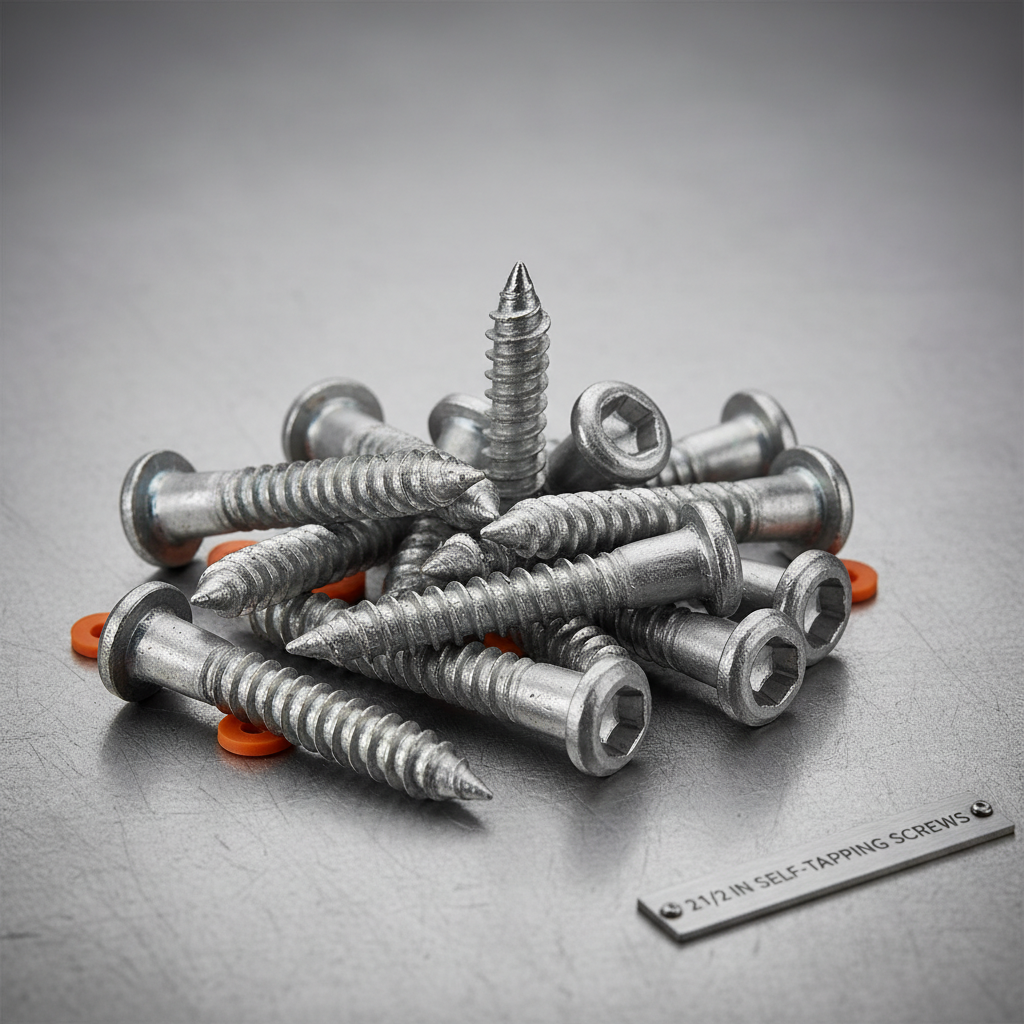
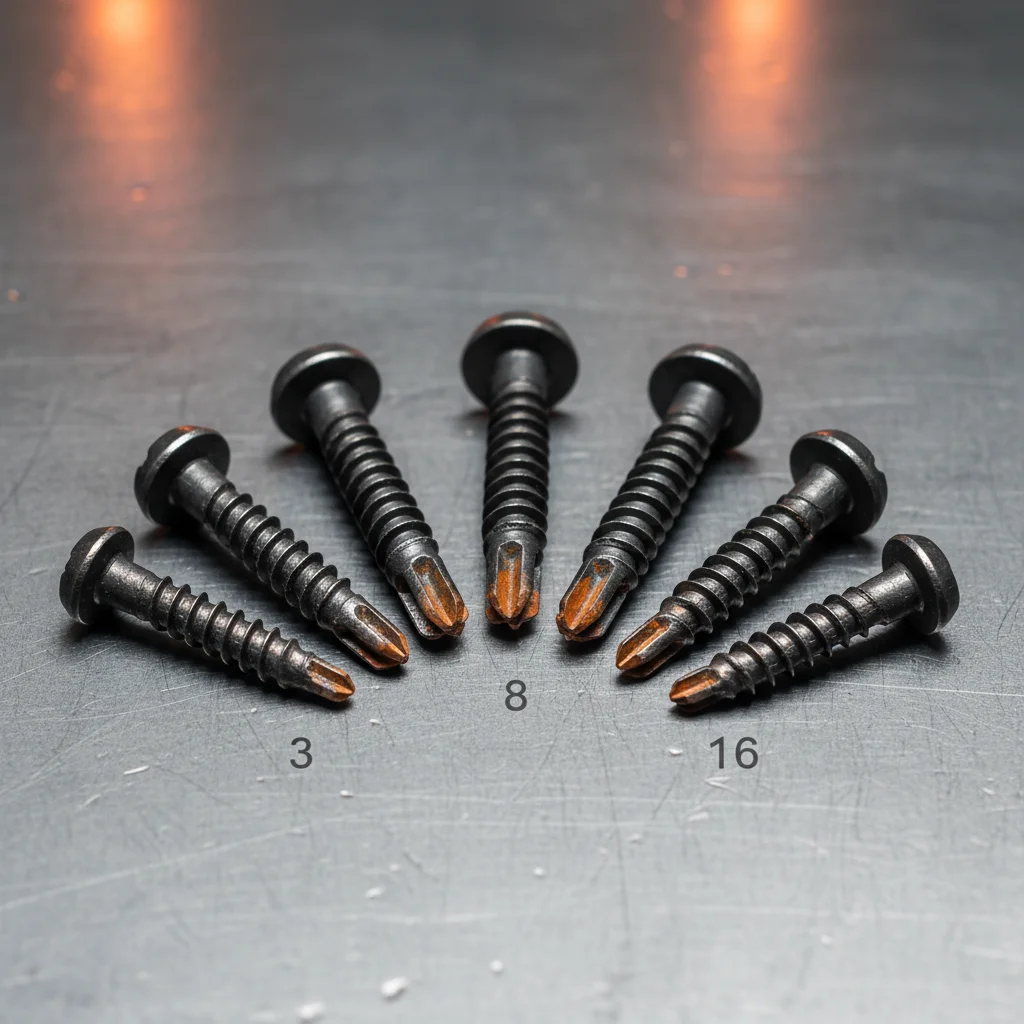
Self-tapping screws, as the name suggests, are designed to create their own threads as they are driven into the material. Unlike traditional screws that require a pre-tapped hole, self-tapping screws eliminate this step, saving time and effort. The '2 1/2 in' designation refers to the screw’s length – 2 and a half inches or approximately 63.5mm. These screws are commonly used for joining metal sheets, plastics, and sometimes wood, offering a strong and reliable connection. They’re available in various head styles (flat, pan, round, oval, etc.) and materials (steel, stainless steel, brass) to suit different applications. Lianshiwjnail offers a comprehensive range of these screws to meet diverse project requirements.
Key Highlights: Self-tapping screws eliminate the need for pre-tapped holes, saving time and effort. 2 1/2 in length provides a robust hold for thicker materials.
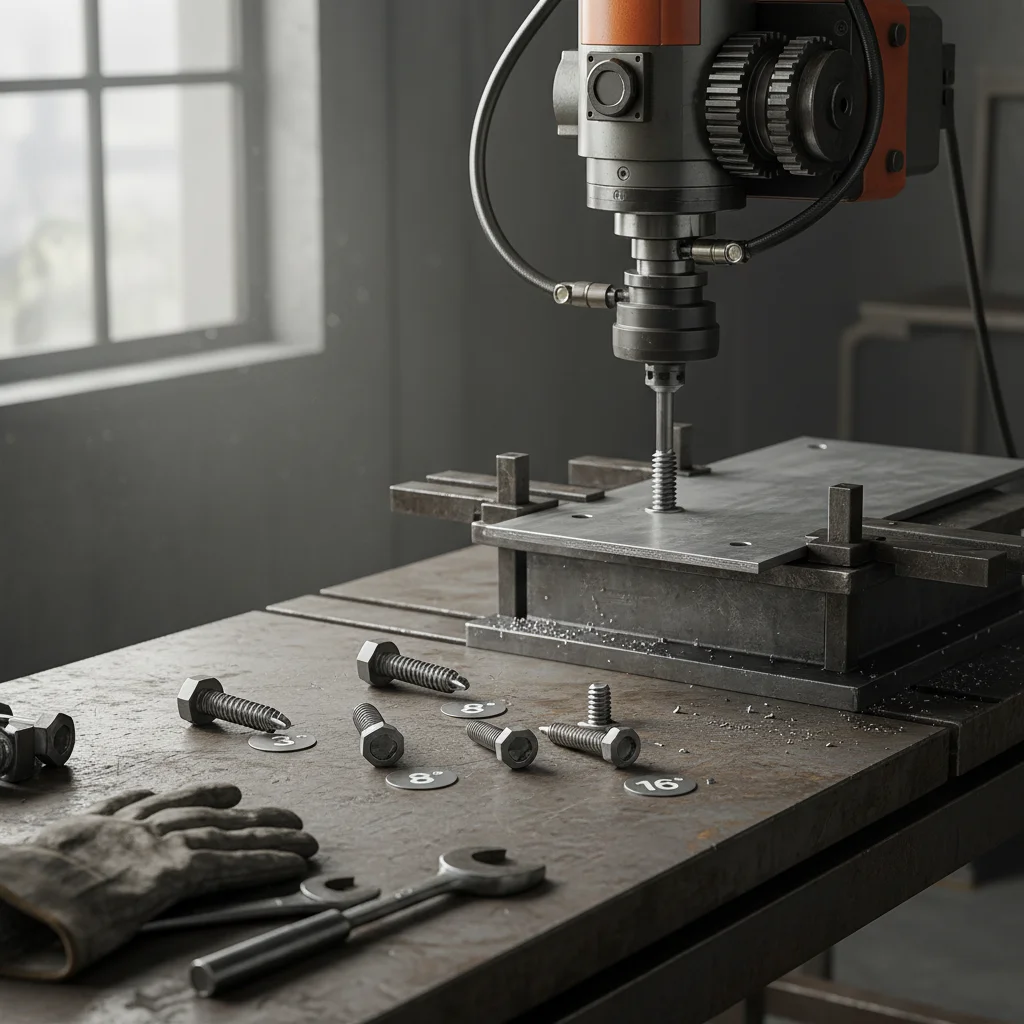
The versatility of 2 1/2 inch self-tapping screws makes them ideal for a wide spectrum of applications. Common uses include: constructing metal building components (such as roofing and siding), assembling machinery and equipment, attaching sheet metal to framing, installing HVAC systems, and securing panels in automotive applications. In DIY projects, they’re frequently used for assembling furniture, building storage solutions, and mounting fixtures. Their ability to create a strong, lasting connection without pre-drilling makes them a favorite among professionals and hobbyists alike.
Application Benefits:
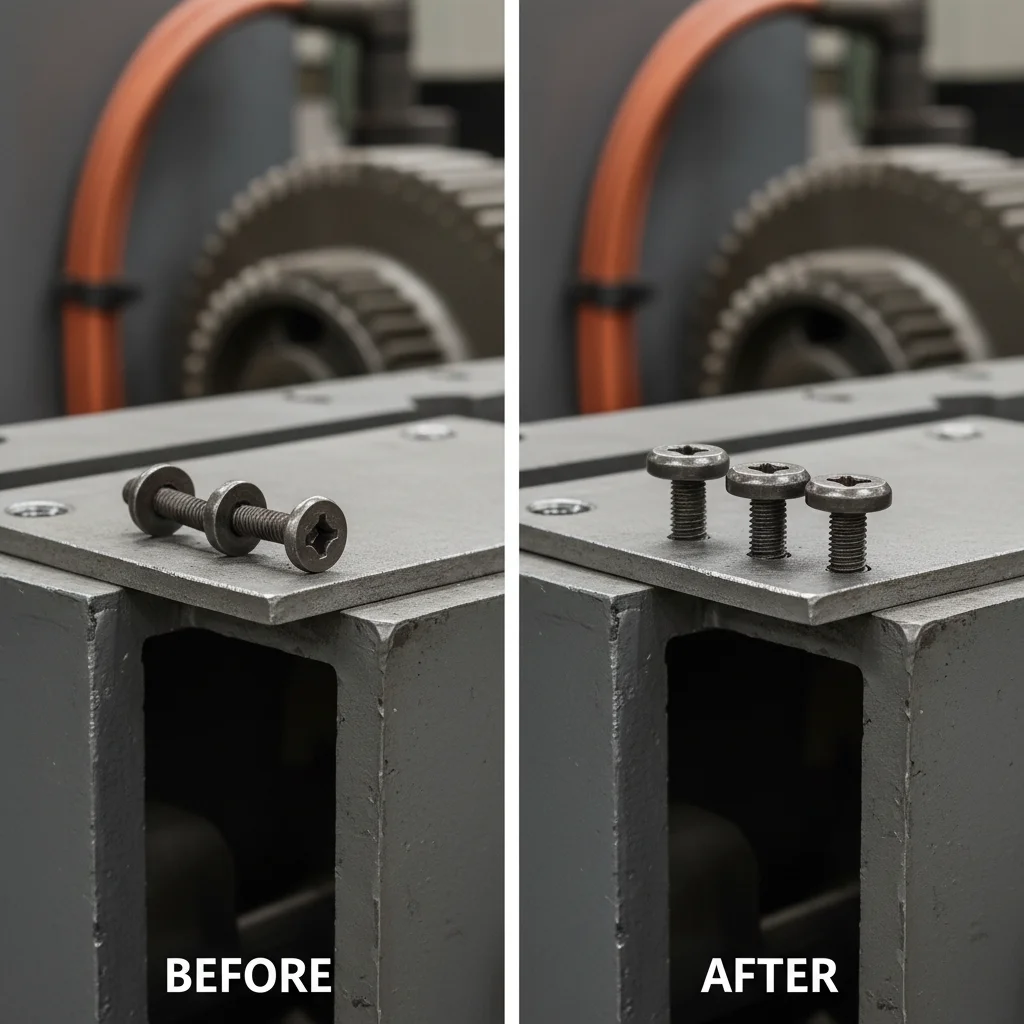
• Eliminate the need for pre-drilling, saving time and resources.
• Provide a strong and durable connection.
• Suitable for various materials, including metal, plastic, and wood.
• Versatile for both professional and DIY projects.
Not all self-tapping screws are created equal. They come in different types, categorized primarily by their point style. Common types include: Type A (for thinner materials), Type B (for medium-thickness materials), and Type C (for heavier gauge materials). The material of the screw also impacts its suitability. Steel screws offer excellent strength and durability, stainless steel provides corrosion resistance for outdoor or marine environments, and brass screws are often used in applications where conductivity is important. Choosing the correct type and material is crucial for achieving optimal performance and longevity.
Choosing the right screw involves considering several factors. First, identify the material you’ll be fastening. Then, determine the material thickness to select the appropriate screw type (A, B, or C). Next, consider the environment. If exposed to moisture, opt for stainless steel. The head style should also be selected based on aesthetics and functional requirements. Finally, always ensure the screw length is sufficient to provide a secure hold without protruding excessively. Lianshiwjnail offers expert guidance to help you choose the perfect screw for your project.
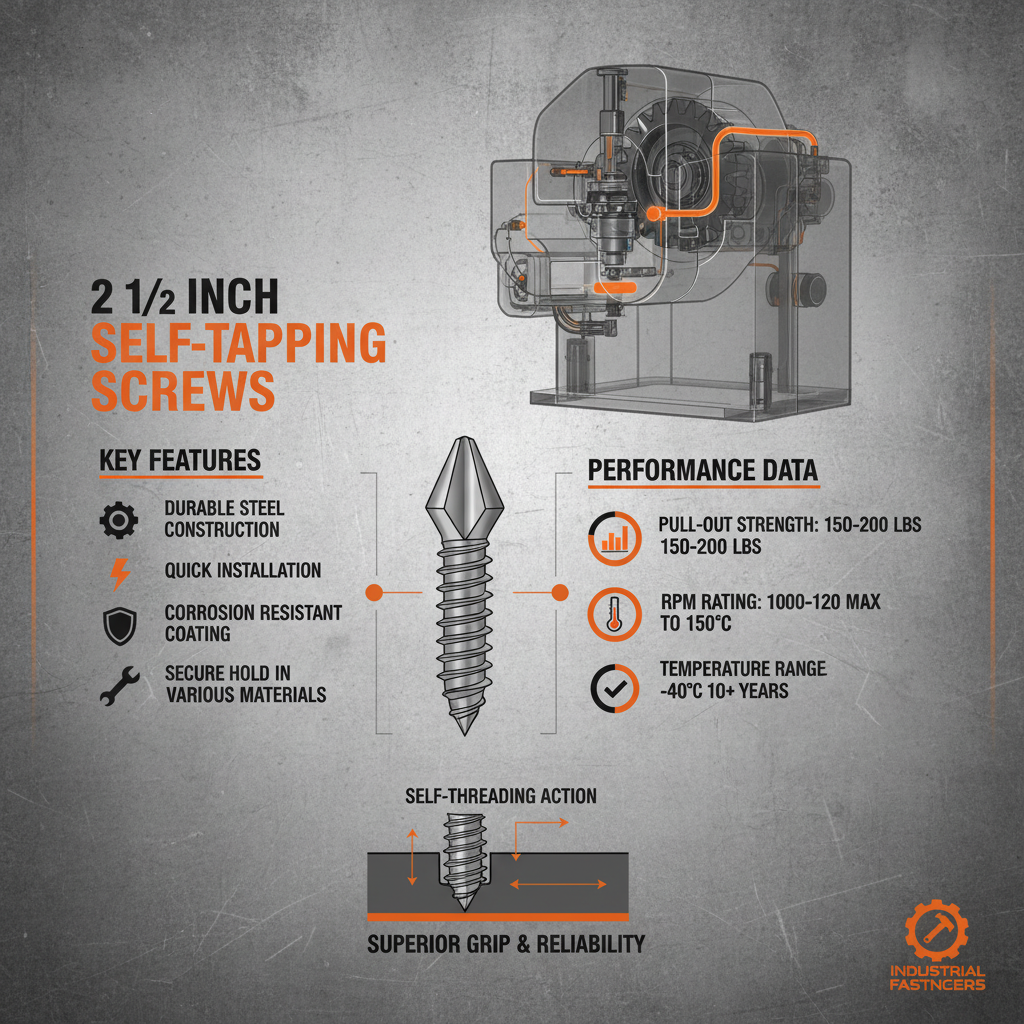
Lianshiwjnail is a leading supplier of high-quality self-tapping screws, including 2 1/2 inch options. We offer a wide selection of materials, types, and head styles to meet your specific requirements. Our commitment to quality, competitive pricing, and excellent customer service makes us a trusted partner for professionals and DIY enthusiasts alike. We ensure all our screws adhere to industry standards and undergo rigorous quality control.
Choosing the right 2 1/2 in self tapping screws is critical for the success and durability of your projects. Lianshiwjnail provides the quality, selection, and expertise you need to ensure a secure and lasting connection. Browse our extensive catalog today and experience the difference!
The ideal torque setting depends on the material being fastened, the screw type, and the driver bit used. As a general guideline, start with a low torque setting and gradually increase it until the screw is fully seated without stripping the threads or damaging the material. For steel, a torque range of 8-12 Nm is often suitable. For softer materials, reduce the torque. It's always recommended to consult the screw manufacturer’s specifications for precise torque recommendations, and testing on a scrap piece of material is a good practice. Lianshiwjnail can provide detailed specifications for our screws.
While 2 1/2 inch self-tapping screws can be used in wood, they are not always the optimal choice. They are generally less effective in wood compared to wood screws, which are specifically designed with coarser threads for a better grip. If using self-tapping screws in wood, pre-drilling a pilot hole slightly smaller than the screw diameter is highly recommended to prevent splitting the wood and ensure proper engagement. For most wood applications, traditional wood screws are preferable.
If a self-tapping screw breaks during installation, stop immediately. Trying to remove the broken portion can be difficult and potentially damage the surrounding material. Carefully assess the situation. If the break is flush with the surface, attempting removal might require specialized tools and expertise. If a portion of the screw is protruding, you might be able to grip it with pliers and carefully extract it. Consider using a screw extractor tool if the break is deep and difficult to access. Preventing this by using the correct torque, pre-drilling when necessary, and using high-quality screws from a reputable supplier like Lianshiwjnail can minimize the risk.
To prevent corrosion, store self-tapping screws in a dry, clean environment. Avoid storing them in areas with high humidity or direct exposure to moisture. For long-term storage, consider using a sealed container or bag to protect them from the elements. Applying a light coating of oil or anti-corrosion spray can also help to prevent rust, especially for steel screws. Storing screws in their original packaging is also a good practice.
JOIN OUR NEWSLETTER


If you are interested in our products, you can choose to leave your information here, and we will be in touch with you shortly.