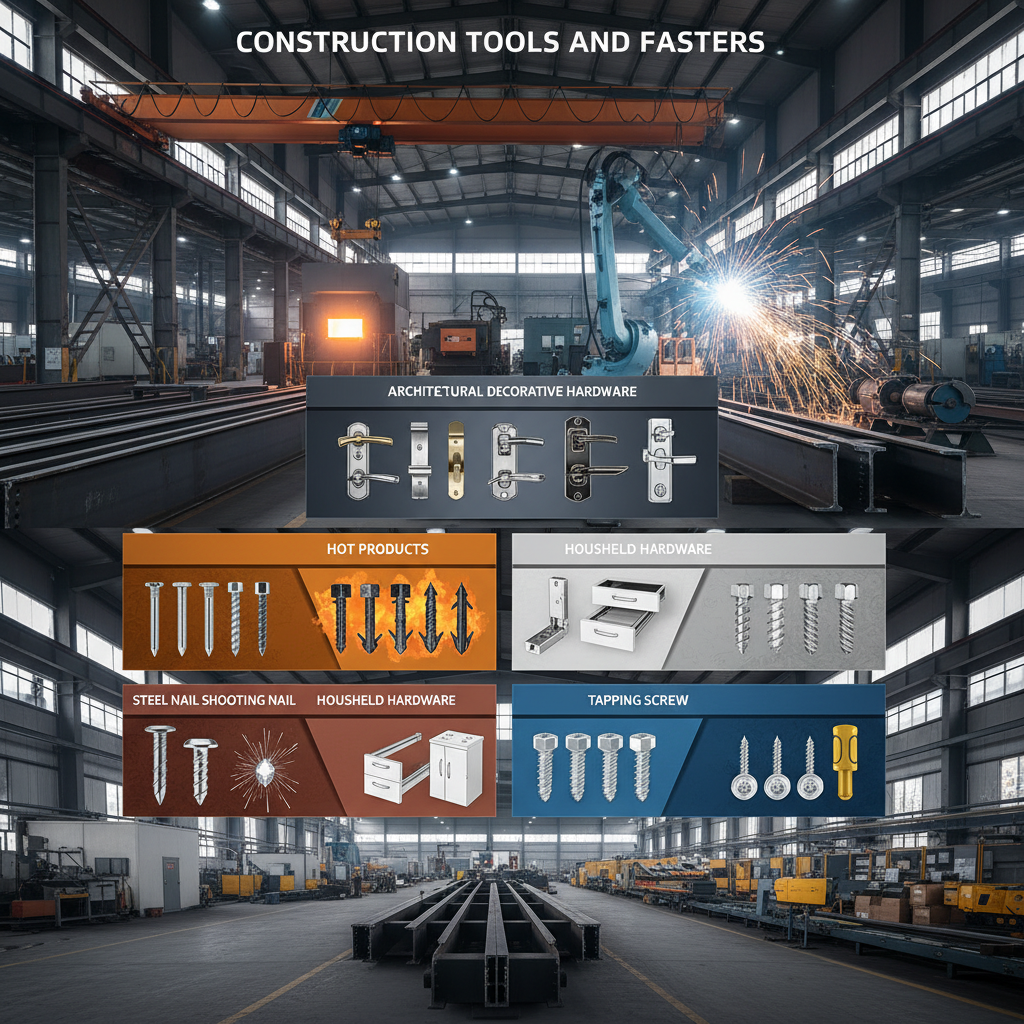
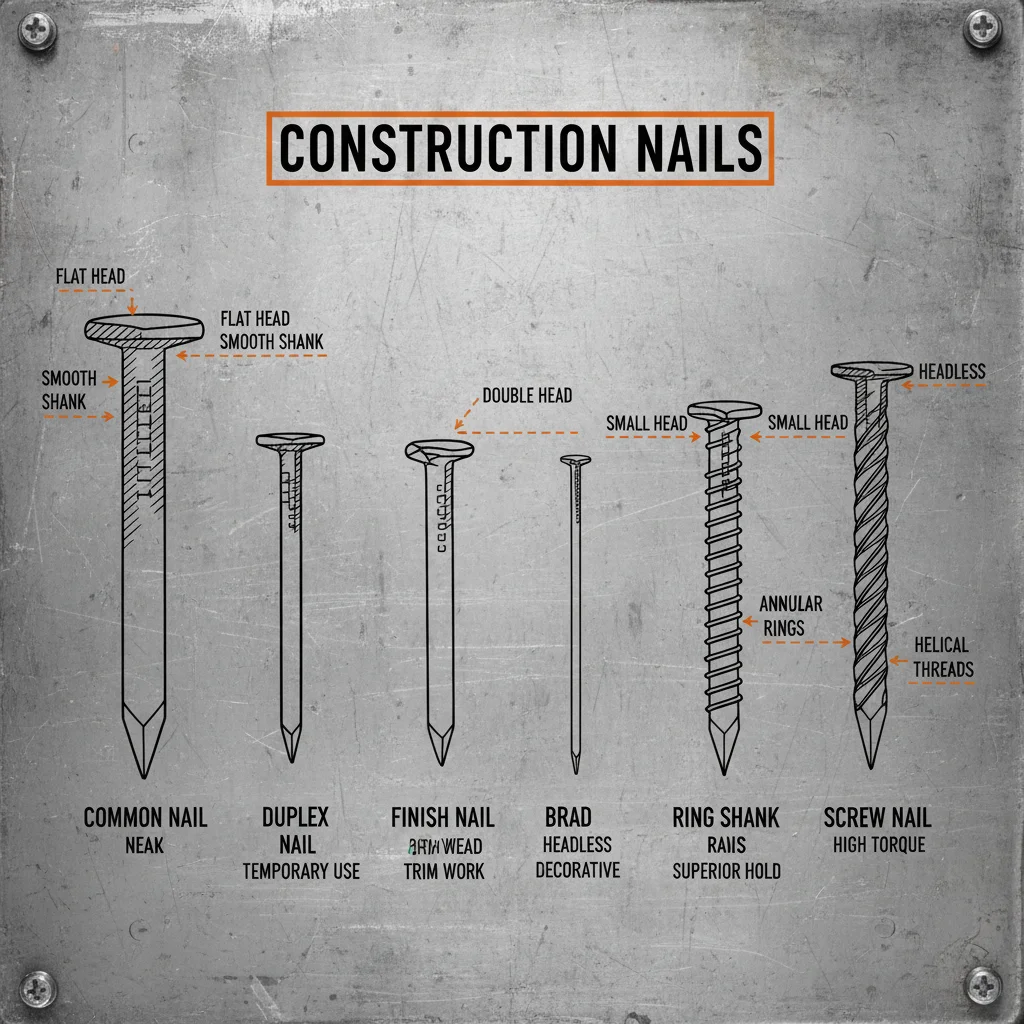
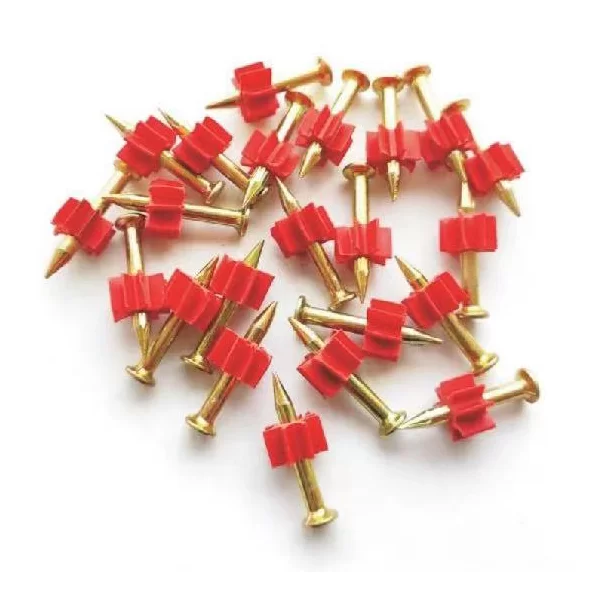
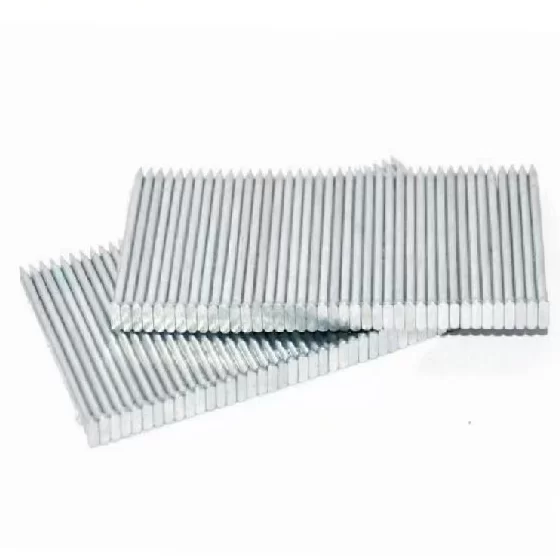
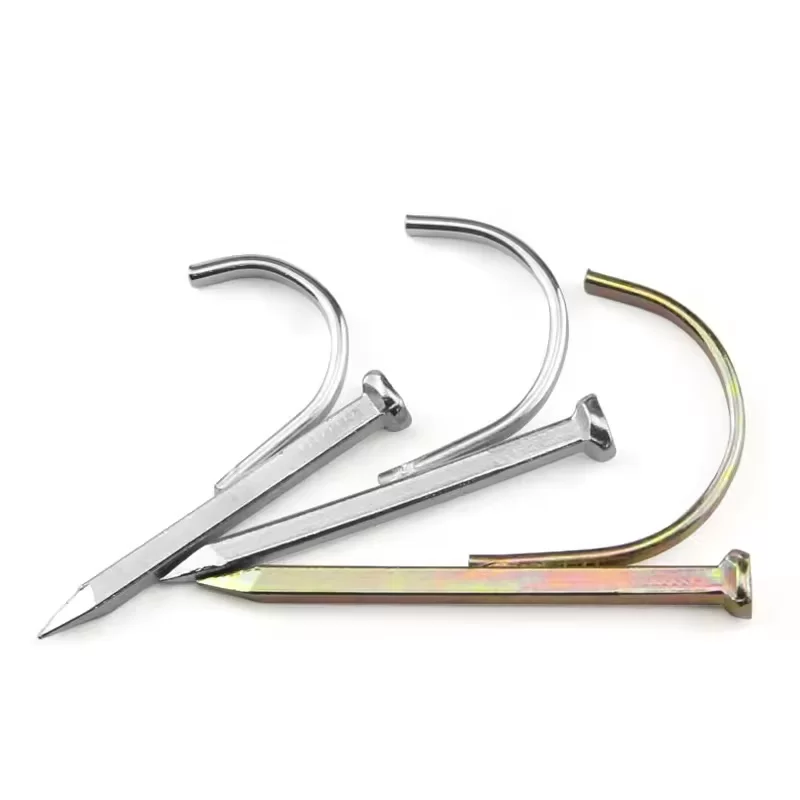
The global construction landscape is undergoing a significant transformation, where the precision and reliability of construction tools and fasteners serve as the literal backbone of every structure. From sprawling urban skyscrapers to intricate household furniture, the quality of the fastening systems determines not only the aesthetic finish but the structural integrity and safety of the environment. Understanding the synergy between high-grade tools and specialized fasteners is essential for architects, contractors, and DIY enthusiasts alike to ensure longevity in their projects.
In today's fast-paced industrial environment, the demand for efficiency has pushed the evolution of these components toward higher durability and easier installation. The integration of advanced metallurgy in products like tapping screws and steel shooting nails has reduced labor costs while increasing the load-bearing capacity of modern builds. As urban density increases globally, the reliance on high-performance construction tools and fasteners becomes a critical factor in meeting strict international building codes and safety standards.
Beyond mere utility, the choice of hardware reflects a commitment to sustainability and precision engineering. By utilizing optimized fastening methods, the industry can significantly reduce material waste and energy consumption during the assembly process. This comprehensive guide explores the intricate world of architectural decorative hardware and industrial fasteners, providing professional insights into how the right selection of tools can elevate the quality of construction from a basic shelter to a lasting piece of architectural art.
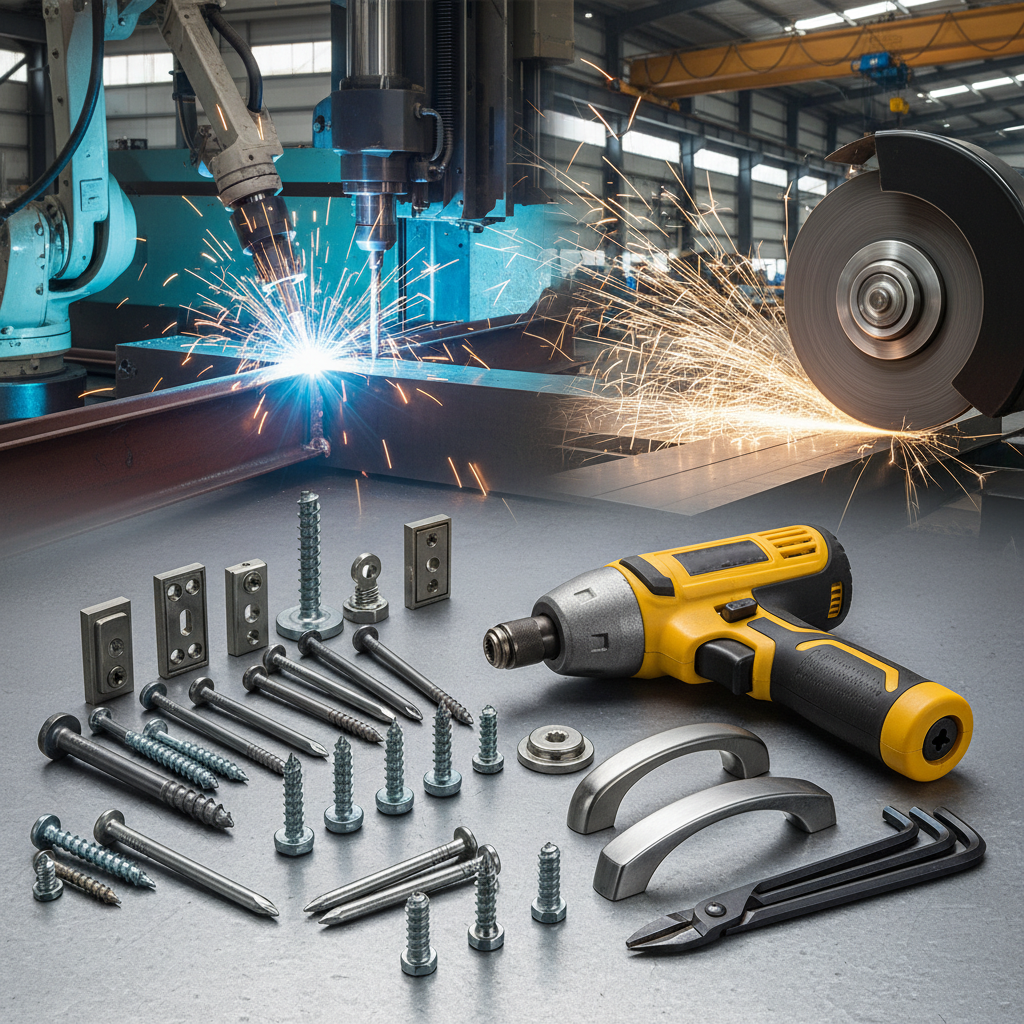
Global Industry Context of Fastening Systems
The global market for construction tools and fasteners is intrinsically linked to the worldwide growth of the infrastructure and real estate sectors. According to trends observed in ISO standards and World Bank infrastructure reports, there is a growing shift toward prefabricated and modular construction. This shift necessitates a higher volume of specialized fasteners, such as high-tensile tapping screws and precision-engineered architectural hardware, to ensure that pre-assembled modules can be joined securely and rapidly on-site.
However, the industry faces a persistent challenge: the balance between cost-efficiency and structural resilience. In many emerging economies, the use of substandard fasteners has led to premature structural failure, highlighting the dire need for standardized, high-quality hardware. By adhering to rigorous quality control and adopting advanced manufacturing techniques, the industry is moving toward a future where safety is non-negotiable and every joint is engineered for maximum durability.
Defining Modern Construction Tools and Fasteners
In simple technical terms, construction tools and fasteners refer to the collective array of mechanical devices used to join two or more objects together and the specialized equipment used to install them. This encompasses everything from basic household hardware and steel shooting nails to complex architectural decorative hardware. While a screw may seem simple, its design—including thread pitch, head type, and material coating—is a result of complex engineering aimed at optimizing grip and preventing corrosion.
The connection between these tools and modern humanitarian needs is profound. In the wake of natural disasters, the ability to deploy rapid-assembly shelters depends entirely on the availability of reliable fastening systems. Fast-deployment housing requires fasteners that can be installed with minimal tools yet provide enough stability to withstand wind and weather, bridging the gap between emergency relief and permanent reconstruction.
Furthermore, in the realm of luxury furniture and architectural design, fasteners evolve into "decorative hardware." Here, the function remains the same—joining materials—but the aesthetic becomes a primary requirement. The fusion of industrial strength with visual elegance allows for the creation of spaces that are both safe and sophisticated, proving that the smallest components often carry the heaviest burden of design.
Core Components of High-Performance Hardware
Durability is the cornerstone of all construction tools and fasteners. To achieve this, manufacturers employ advanced coatings such as zinc plating or stainless steel alloys to combat oxidation. This is particularly critical for architectural hardware exposed to coastal environments where salt air can rapidly degrade inferior metals, leading to structural instability.
Load-bearing capacity and precision are equally vital. High-performance tapping screws and steel nails are engineered to distribute stress evenly across the joined materials, preventing splitting or shearing. This precision ensures that whether the fastener is used in a heavy-duty industrial beam or a delicate piece of household furniture, the joint remains rigid under pressure.
Finally, installation efficiency determines the economic viability of a project. The development of "shooting nails" and automated fastening tools has revolutionized the speed of construction. By reducing the time required for each connection, contractors can significantly lower labor costs while maintaining a level of consistency that manual driving simply cannot match.
Practical Applications and Global Use Cases
The application of construction tools and fasteners varies wildly across different global contexts. In high-density urban centers like Tokyo or New York, the focus is on high-tensile fasteners capable of supporting massive vertical loads in steel-frame buildings. Conversely, in remote industrial zones or mining camps, the priority shifts toward corrosion-resistant household hardware and rugged tools that can withstand extreme temperatures and abrasive dust.
An excellent example of specialized application is found in post-disaster relief operations. NGOs often utilize modular container housing, which relies on heavy-duty fasteners for rapid assembly and disassembly. These systems allow for the quick creation of clinics and schools in areas where traditional masonry is too slow or impractical, demonstrating how a simple screw or bolt can be a catalyst for community recovery.
Performance Comparison of Various Construction Tools and Fasteners
Long-Term Value and Safety Advantages
Investing in premium construction tools and fasteners yields tangible long-term financial benefits. While low-cost alternatives may reduce initial expenditure, the cost of maintenance, replacement, and potential structural repairs far outweighs the initial savings. High-quality fasteners reduce the likelihood of "joint creep" and material fatigue, ensuring that furniture and buildings remain stable for decades rather than years.
Beyond the financial logic, there is an emotional and ethical dimension: safety and trust. A homeowner feels a sense of dignity and security knowing that their shelter is built with certified hardware. In professional construction, the reliability of a fastener is a promise of safety for the end-user. Innovation in this field isn't just about speed; it's about the peace of mind that comes from knowing every single connection is secure.
Future Innovations in Fastening Technology
The future of construction tools and fasteners is being shaped by the dual forces of digitalization and sustainability. We are seeing the rise of "smart fasteners"—components embedded with sensors that can alert facility managers to a loss of tension or the onset of corrosion. This shift toward predictive maintenance will revolutionize how we manage large-scale infrastructure, moving from reactive repairs to proactive preservation.
Material science is also evolving with the introduction of bio-based polymers and carbon-fiber composites that offer the strength of steel with a fraction of the weight and a significantly lower carbon footprint. These "green fasteners" are becoming essential as the construction industry strives to meet net-zero emission targets, proving that industrial strength does not have to come at the expense of the planet.
Furthermore, automation and robotics are redefining the installation process. Robotic fastening arms, integrated with AI-driven precision, can now install thousands of screws with micron-level accuracy. This not only eliminates human error but also significantly improves worker safety by removing the need for laborers to operate in hazardous positions.
Overcoming Challenges in Hardware Implementation
Despite technological leaps, the industry still struggles with inconsistent quality standards across different regions. The proliferation of counterfeit or sub-standard construction tools and fasteners remains a critical risk. The solution lies in the adoption of blockchain-based supply chain tracking, allowing contractors to verify the origin and certification of every batch of nails or screws delivered to a site.
Another common challenge is the mismatch between fastener choice and substrate material. For instance, using a standard tapping screw in a high-density composite board can lead to splitting. Expert insight suggests a shift toward "system-based" procurement, where fasteners are selected as part of a holistic package designed specifically for the materials being used, rather than as standalone commodities.
Lastly, the skill gap in the labor force often leads to the improper use of advanced tools. To overcome this, manufacturers are integrating educational components into their product lines, such as QR codes on packaging that lead to augmented reality (AR) installation guides. This ensures that the high-tech potential of modern hardware is fully realized through correct application.
Comparative Analysis of Fastening Solutions by Application
| Fastener Category |
Primary Material |
Durability Score (1-10) |
Best Use Case |
| Steel Shooting Nails |
Hardened Carbon Steel |
9 |
Concrete & Steel Framing |
| Tapping Screws |
Zinc-Alloy Steel |
8 |
Metal-to-Metal Assembly |
| Architectural Hardware |
Brass/Stainless Steel |
10 |
Decorative Luxury Interiors |
| Household Hardware |
Galvanized Steel |
7 |
Furniture & Cabinetry |
| Structural Bolts |
High-Tensile Alloy |
10 |
Bridge & Heavy Infrastructure |
| Drywall Screws |
Phosphate-Coated Steel |
6 |
Interior Wall Finishing |
FAQS
For high-humidity or coastal areas, you should prioritize stainless steel (grade 304 or 316) or hot-dip galvanized coatings. These materials form a protective oxide layer that prevents rust from penetrating the core of the fastener. Avoid standard zinc-plated screws, as they will corrode quickly, potentially compromising the structural integrity of your project.
A tapping screw is designed to "tap" or cut its own threads into the material as it is driven in, eliminating the need for a pre-drilled pilot hole in many metals and plastics. Standard screws typically require a pre-drilled hole to avoid splitting the material or damaging the screw threads during installation.
Steel shooting nails are primarily designed for high-density materials like concrete, masonry, and heavy steel beams. They should not be used on fragile substrates like drywall or thin wood panels, as the impact force can cause significant cracking or shattering. Always verify the substrate density before using powder-actuated tools.
Yes, provided they are engineered correctly. Many luxury hardware pieces are made from high-grade brass or stainless steel, which offer excellent tensile strength. The key is to ensure the internal core of the decorative piece meets the load-bearing requirements of the application while the exterior maintains the desired aesthetic.
To prevent splitting, use fasteners with a sharp, tapered point or a "self-drilling" tip. Alternatively, drilling a pilot hole slightly smaller than the screw's diameter removes excess material, reducing the outward pressure exerted by the fastener. Using high-quality, precision-threaded screws also helps in distributing stress more evenly.
Absolutely. Most industrial hardware suppliers offer international shipping. The most important factor is ensuring the products meet the local building codes of the destination country (e.g., ASTM in the US, EN in Europe). Working with a certified manufacturer like Lianshi ensures that documentation and quality certifications are provided for customs and safety audits.
Conclusion
The intricate world of construction tools and fasteners is far more than a collection of metal parts; it is a sophisticated discipline of engineering that ensures the safety, longevity, and beauty of our built environment. From the raw power of steel shooting nails to the refined elegance of architectural hardware, every component plays a pivotal role in transforming architectural visions into reality. By prioritizing quality, durability, and precision, we can build structures that not only stand the test of time but also contribute to a more sustainable and secure global infrastructure.
As we look toward a future defined by smart materials and automated construction, the importance of choosing the right fastening partner becomes even more critical. Whether you are managing a large-scale commercial project or enhancing your own home, investing in high-performance hardware is the most effective way to guarantee a flawless finish and absolute structural peace of mind. For premium solutions and professional-grade hardware, visit our website: www.lianshiwjnail.com