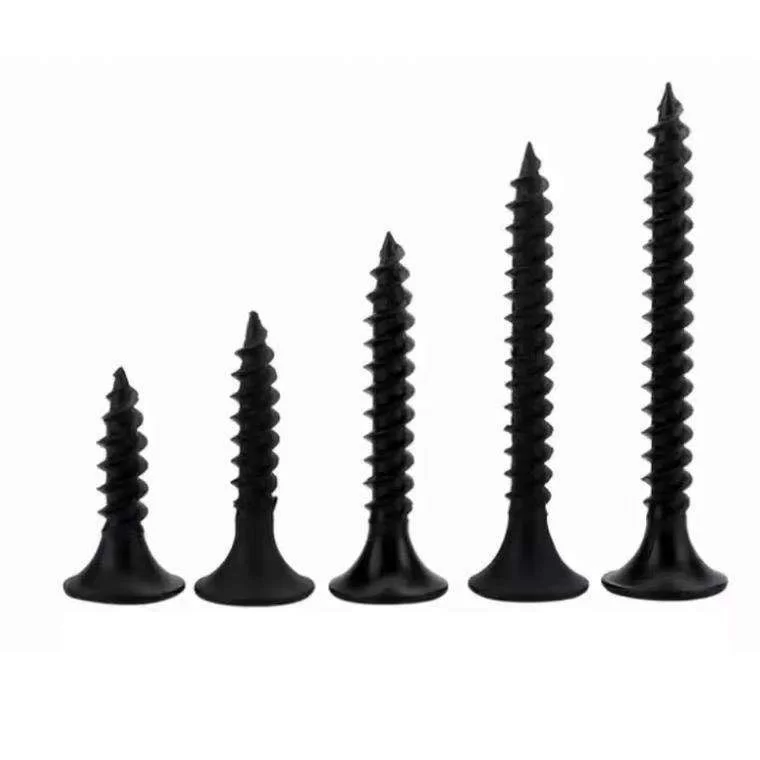
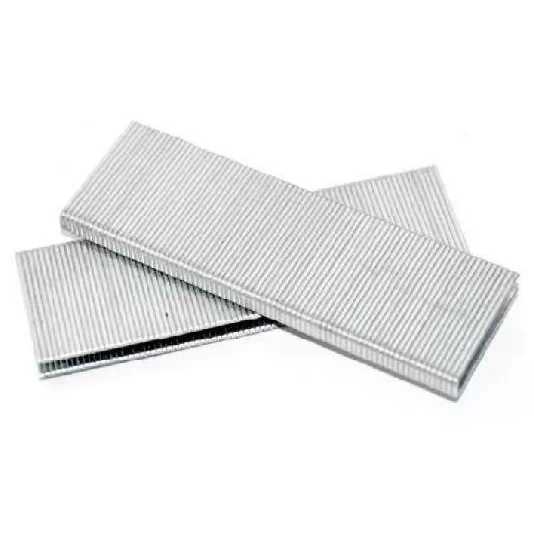
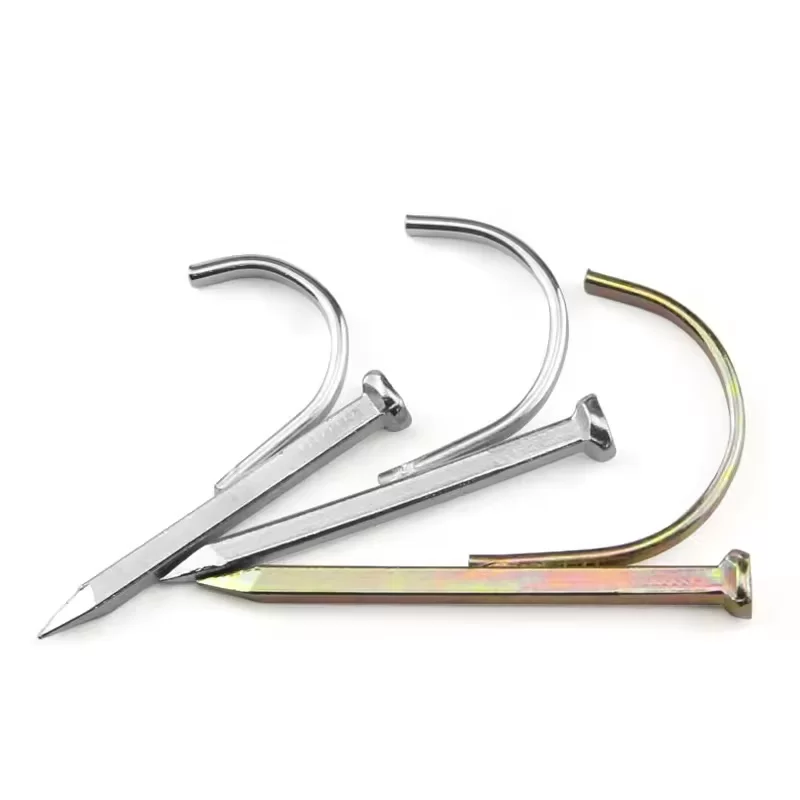
In the world of structural integrity, the humble role of construction nails often goes unnoticed, yet they serve as the fundamental connective tissue for millions of buildings worldwide. From residential framing to complex industrial scaffolding, the choice of fastener determines not only the speed of assembly but the long-term safety and stability of the entire architectural project.
Understanding the nuances of these fasteners is critical for engineers, contractors, and architects who must balance load-bearing requirements with environmental factors. As global infrastructure expands, the demand for high-performance construction nails has evolved, shifting from simple iron spikes to engineered steel solutions designed to resist shear forces and corrosive atmospheres.
This comprehensive guide explores the technical evolution, material science, and practical applications of these essential components. By examining the intersection of metallurgy and construction physics, we provide a blueprint for selecting the right fasteners to ensure that every joint remains secure for generations to come.
Global Industry Context of Construction Nails
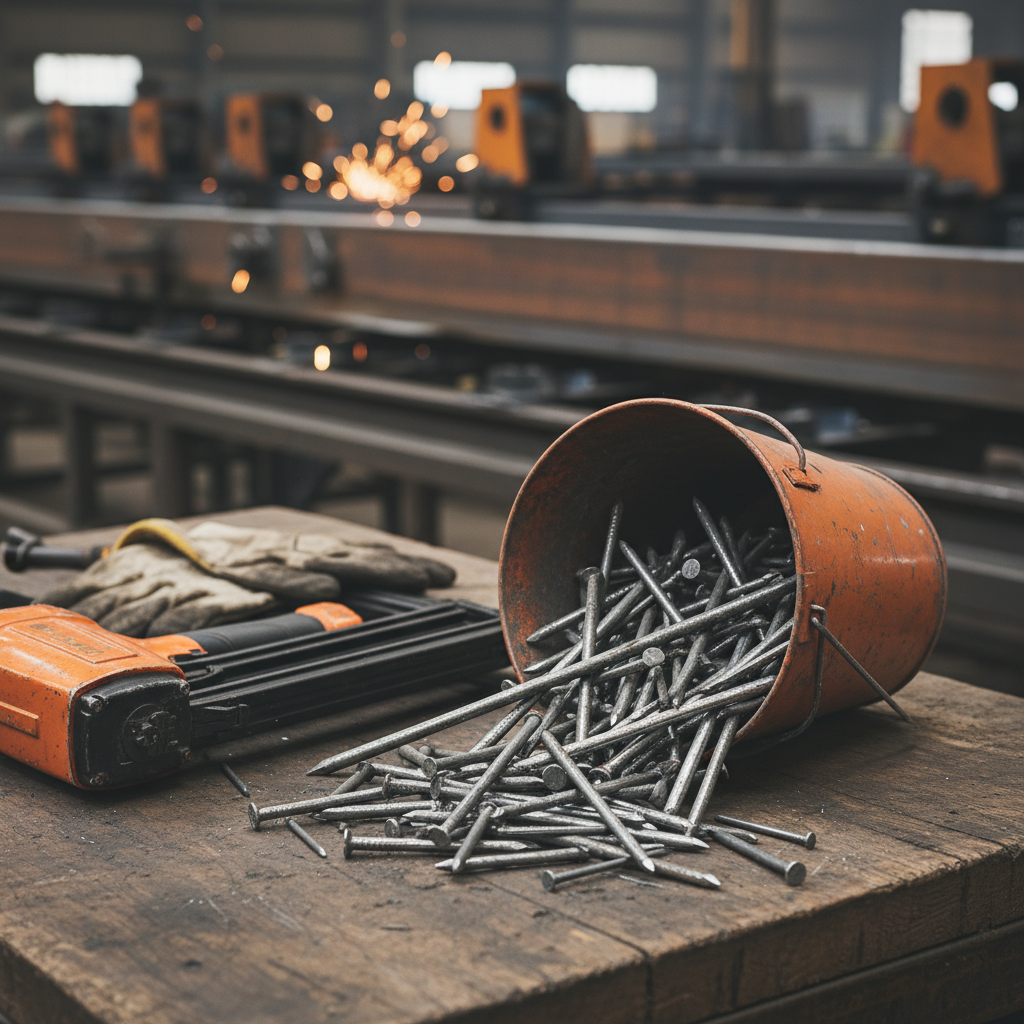
On a global scale, the construction hardware market is intrinsically linked to the GDP growth of developing nations and the urban renewal projects of developed economies. According to industry standards aligned with ISO specifications, the precision of construction nails is no longer just about size, but about the molecular consistency of the steel to prevent catastrophic structural failure in high-stress environments.
The primary challenge facing the modern industry is the tension between rapid urbanization and the need for sustainable, long-lasting materials. In regions experiencing rapid growth, the reliance on low-grade fasteners has historically led to premature building decay, highlighting the urgent need for standardized, high-tensile construction nails that can withstand diverse climatic pressures.
Defining Modern Construction Nails
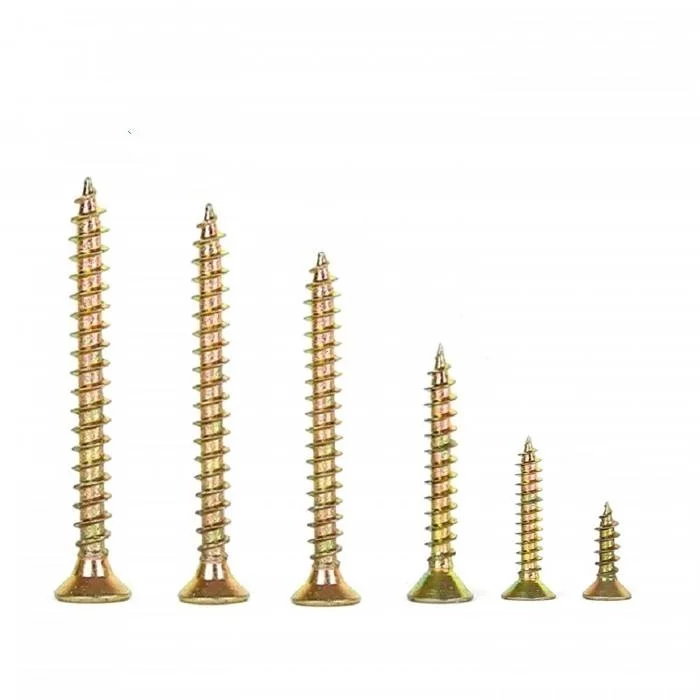
In simple technical terms, construction nails are heavy-duty steel fasteners designed to join wood, metal, or composite materials through frictional resistance and mechanical interlocking. Unlike screws, which rely on thread-based tension, nails utilize the displacement of material to create a tight, shear-resistant bond that is essential for structural framing.
Beyond their basic function, these components represent a critical intersection of humanitarian needs and industrial capability. In post-disaster relief operations, for example, the availability of standardized, easy-to-deploy construction nails allows for the rapid assembly of emergency shelters, proving that these small pieces of hardware are vital for human safety and dignity.
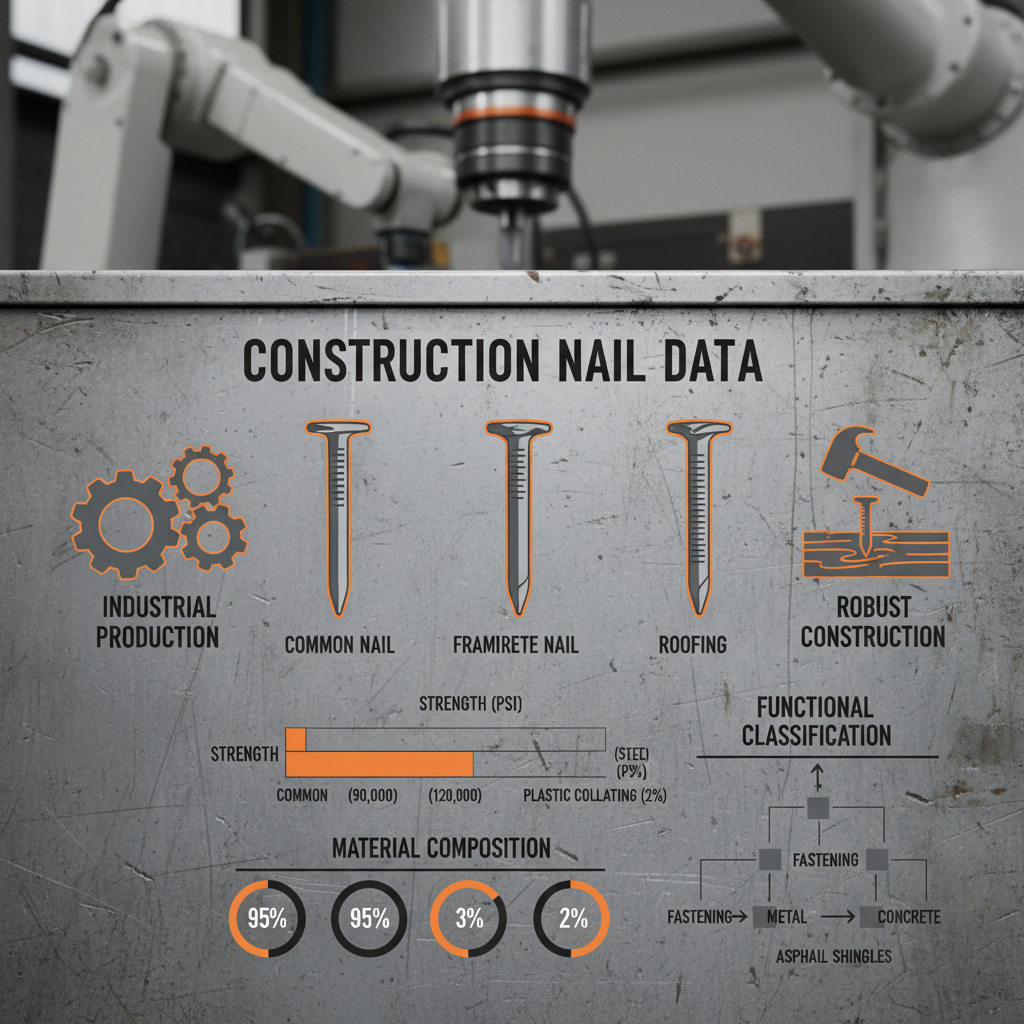
Modern iterations of these fasteners incorporate advanced coatings and geometry—such as ring-shank or spiral designs—to maximize withdrawal resistance. This evolution ensures that the fasteners can keep pace with the sophisticated demands of contemporary architectural design, where lightweight materials are often paired with heavy structural loads.
Core Factors of Fastener Performance
Durability is the paramount factor when evaluating construction nails. This encompasses both the tensile strength of the steel and its resistance to oxidation. In coastal regions, where saline air accelerates corrosion, the use of galvanized or stainless steel is not an option but a necessity to prevent the "rust-jacking" effect that can split timber beams.
Load-bearing capacity and shear strength are the technical metrics that define the safety of a structure. High-quality construction nails are engineered to distribute stress evenly across the joint, ensuring that the fastener does not bend or snap under the lateral pressures typical of seismic activity or heavy wind loads.
Cost efficiency in large-scale projects is achieved not by buying the cheapest hardware, but by selecting fasteners that minimize labor time and replacement costs. The integration of optimized head designs in construction nails allows for faster pneumatic driving, reducing man-hours on site while maintaining a professional, flush finish.
Practical Applications and Use Cases
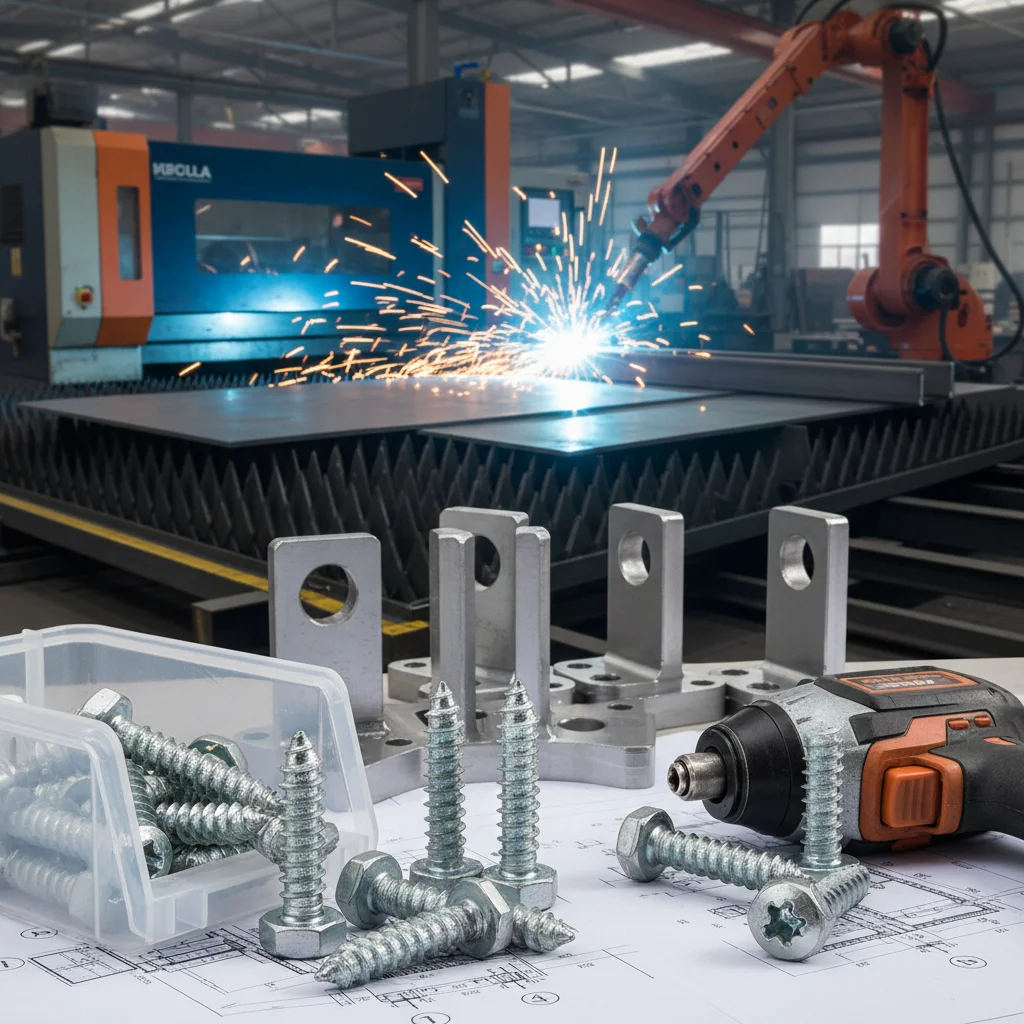
The application of construction nails varies wildly depending on the industrial sector. In residential housing, they are the backbone of wall studs and roof trusses, where speed and reliability are essential. In the commercial sector, specialized fasteners are used in the installation of architectural decorative hardware and heavy-duty shelving systems that must support hundreds of kilograms of inventory.
In remote industrial zones, such as mining camps or oil rigs, the use of high-grade construction nails is critical because maintenance is difficult and expensive. These environments demand fasteners that can withstand extreme temperature fluctuations without losing their grip or becoming brittle, ensuring the longevity of essential infrastructure.
Efficiency Comparison of Construction Nails Types
Long-Term Value and Structural Advantages
Investing in premium construction nails yields tangible long-term benefits, primarily through the reduction of structural maintenance. When high-quality alloys are used, the risk of "nail sickness"—where fasteners corrode and lose their grip over decades—is virtually eliminated, preserving the value of the real estate asset.
Beyond the logical and financial benefits, there is an emotional layer to the quality of fasteners: trust and safety. Knowing that the framing of a family home or the supports of a public bridge are held together by certified, high-strength construction nails provides a sense of security that is indispensable in the construction industry.
Future Trends in Fastening Technology
The future of construction nails is being shaped by the drive toward "green building." We are seeing the emergence of bio-compatible coatings and recycled steel compositions that reduce the carbon footprint of manufacturing without compromising the structural integrity of the fastener.
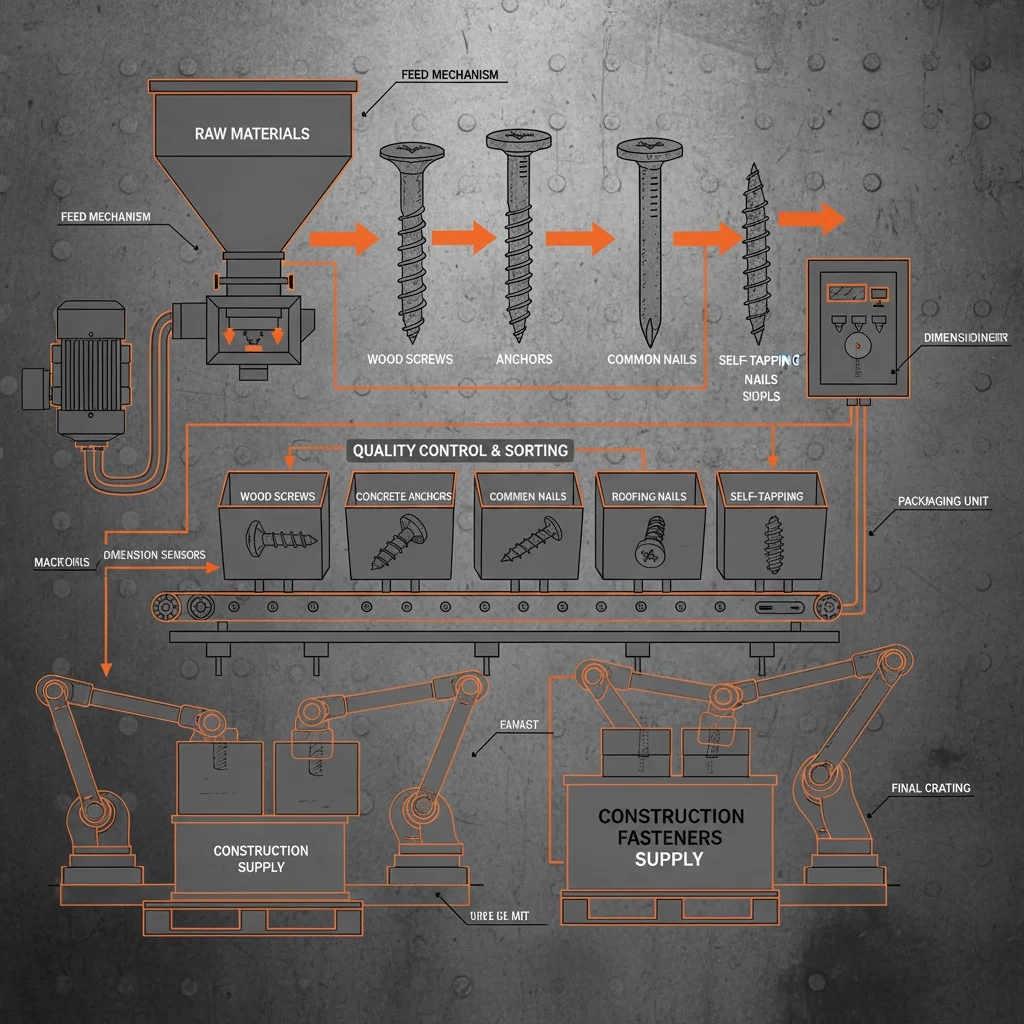
Digital transformation is also hitting the hardware sector. Smart manufacturing and AI-driven quality control now allow for zero-defect production of construction nails, ensuring that every single piece meets the exact tensile specifications required for high-risk architectural projects.
Furthermore, the integration of automation in construction—such as robotic framing—requires nails with incredibly tight tolerances. This shift toward precision engineering is transforming the construction nails from a commodity into a high-tech component of the automated building process.
Common Challenges and Technical Solutions
One of the most common challenges in the field is "splitting," which occurs when a nail is too thick for the timber it is penetrating. The professional solution is the adoption of tapered-point construction nails, which displace wood fibers more efficiently, reducing the risk of cracks while maintaining maximum grip.
Another persistent issue is the reaction between certain treated lumbers (like ACQ pressure-treated wood) and standard steel, which can lead to rapid corrosion. To solve this, the industry has moved toward hot-dipped galvanized construction nails, providing a thick zinc layer that acts as a sacrificial anode to protect the steel core.
Finally, ensuring consistent quality across massive bulk shipments remains a logistical hurdle. By implementing rigorous batch testing and adhering to international certification standards, manufacturers of construction nails can guarantee that the thousandth nail in a box performs exactly like the first.
Technical Specification and Performance Analysis of Construction Nails
| Fastener Material |
Corrosion Resistance |
Withdrawal Strength |
Primary Use Case |
| Bright Steel |
Low (2/10) |
Moderate |
Interior Dry Framing |
| Hot-Dipped Galv. |
High (8/10) |
High |
Outdoor Decking |
| Stainless Steel 304 |
Very High (10/10) |
Moderate |
Coastal Infrastructure |
| Ring-Shank Steel |
Moderate (5/10) |
Extreme |
Heavy Timber Framing |
| Hardened Concrete |
Moderate (6/10) |
High (Shear) |
Masonry Attachment |
| Electro-Galvanized |
Medium (4/10) |
Moderate |
Indoor Furniture |
FAQS
Galvanized nails are coated in zinc to prevent rust, making them excellent for most outdoor projects and treated lumber. Stainless steel nails are made of an alloy that is naturally resistant to corrosion throughout the entire metal, making them the superior choice for saltwater environments or high-end architectural projects where "bleeding" rust stains must be avoided entirely.
Ring-shank nails feature a series of ridges along the shaft that "lock" into the wood fibers. You should use them whenever high withdrawal resistance is required, such as in framing, decking, or any area subject to vibration or wind uplift. Smooth nails are better for temporary structures or where the nail may need to be removed later.
Yes, because nails displace material rather than removing it. However, this is easily mitigated by using nails with a "diamond point" or by pre-drilling holes in very hard woods. In many structural cases, the shear strength of a nail is actually superior to a screw, which can snap under high lateral pressure.
Only if they are specifically treated for it. Pressure-treated wood contains chemicals (like copper) that react aggressively with untreated steel. Always use hot-dipped galvanized or stainless steel construction nails for treated lumber to prevent the fastener from corroding away within a few years.
A general rule of thumb is that the nail should penetrate at least 1.5 to 2 times the thickness of the piece being fastened into the receiving member. For structural framing, refer to local building codes (such as IBC or Eurocode) to ensure the nail gauge and length meet safety requirements for the specific load.
No. Nail guns are designed for specific "collated" nails (strips held together by glue or wire). You must match the nail type, gauge, and length to the tool's specifications. Using non-compatible nails can damage the gun's driving pin or result in incomplete penetration, compromising the structure.
Conclusion
In summary, construction nails are far more than simple metal pins; they are precision-engineered components that ensure the safety, durability, and efficiency of the built environment. From the selection of the right alloy to the implementation of advanced shank geometries, every detail contributes to the structural integrity of the project.
As we look toward a future of sustainable architecture and automated construction, the importance of high-quality fasteners will only grow. We encourage contractors and engineers to prioritize certified materials and technical precision over short-term cost savings to ensure the longevity of their creations. Visit our website for more professional solutions: www.lianshiwjnail.com