
Hit enter to search or ESC to close
Look, I’ve been running around construction sites all year, and let me tell you, things are changing. Everyone’s talking about prefabrication now, modular builds, speed to market… it’s all about getting things up faster, cheaper. And that puts a lot of pressure on the fittings, the little guys that hold everything together. They used to be an afterthought, honestly, but now? They’re crucial. I saw a whole project delayed last month because they skimped on the bolts.
What’s weird is, even with all the tech, a lot of problems come down to basic design flaws. Have you noticed how many things are over-engineered? People trying to solve problems that don’t exist, adding complexity where simplicity would do. It always comes back to bite you on site. You spend hours trying to figure out why something won't fit, and it’s just… a stupid extra flange. And don't even get me started on tolerances.
The good stuff, though? It’s getting better. We’re seeing more use of high-strength alloys, obviously, but also more clever designs. I was at a factory in Ningbo last time, and they were showing me this new stainless steel they’re using. It’s got a slightly… oily feel to it, almost like graphite, which makes it surprisingly resistant to corrosion. Smells a bit metallic too, which you get used to. You can tell it's quality just by how it feels in your hand.


To be honest, everyone’s chasing the same thing: faster, cheaper, stronger. But “faster” often means cutting corners on design, and “cheaper” almost always means using lower-quality materials. And then you’re just setting yourself up for problems down the line. Strangely, I've seen companies overspend on surface treatments, making something look pretty but compromising its core strength. It’s baffling.
The biggest pitfall I see is designing for the ideal scenario, not the real one. Construction sites are chaotic. Things get dropped, they get rained on, they get abused. Your fittings need to be able to handle that. I encountered this at a factory in Shanghai last time; they designed a beautiful hinge, but the pin wasn’t secured properly. First gust of wind, and it just… popped out.
For coastal areas, you absolutely need something corrosion-resistant. 316 stainless steel is your best bet, hands down. It's more expensive than 304, but it holds up to salt spray like a champ. I've seen 304 rust through in just a couple of years. You also want to look for coatings like powder coating or electroplating, but even those won't last forever without proper maintenance. It really boils down to spending the money upfront for quality.
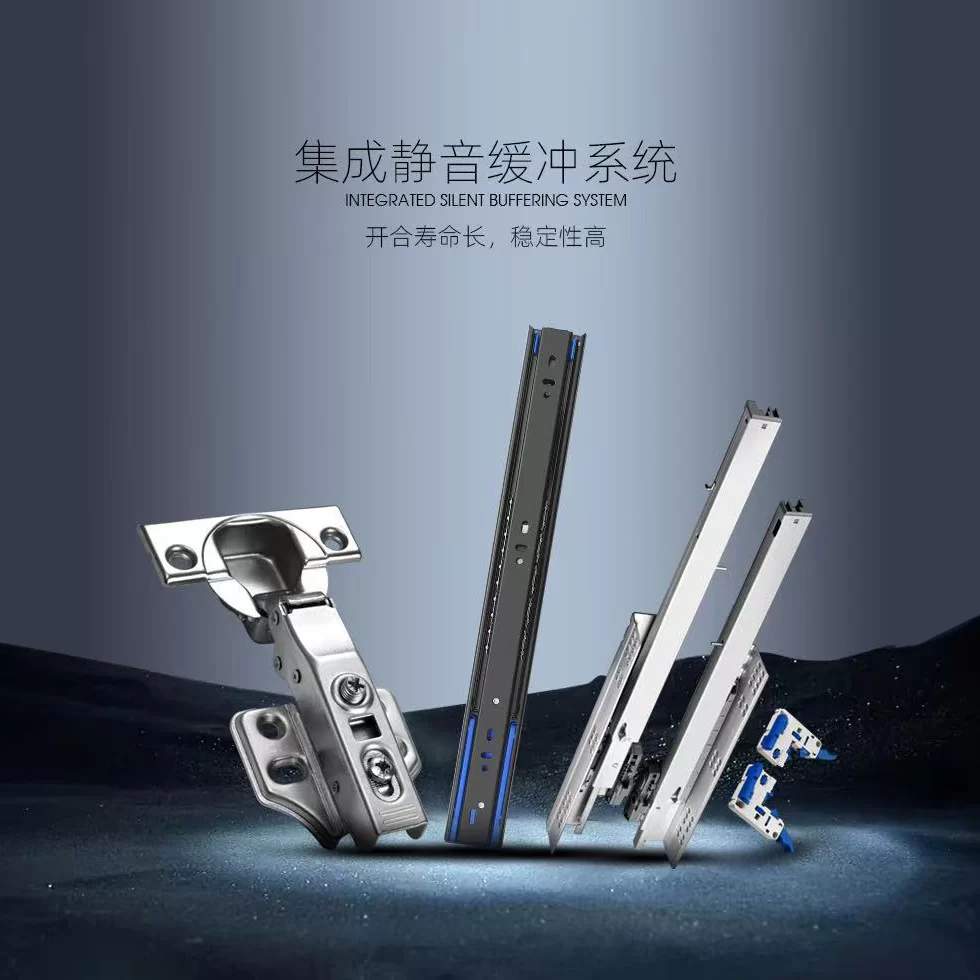
Hugely important. Don't skimp on hinges. You need to know how much weight they can handle. A heavy door, especially a fire-rated door, requires heavy-duty hinges. If you underestimate the load, the hinges will sag, the door will bind, and eventually, they’ll fail. We always recommend overspecifying the load rating just to be safe, and also consider the frequency of use – a frequently opened door will put more stress on the hinges.
Usually, it’s misalignment or improper installation. People don’t take the time to get the strike plate aligned correctly, and then the lock just binds up. Another common problem is worn-out cylinders. Over time, the pins get worn and the lock becomes easy to pick. And, of course, cheap locks just plain break. You get what you pay for, right?
Smart locks are obviously the big one, with Bluetooth connectivity and remote access. But I'm more interested in things like self-adjusting hinges and anti-vibration fittings. Those can really improve the lifespan of a door system. Also, a lot of work is going into developing more sustainable materials – things like recycled plastics and bio-based polymers. It’s good to see.
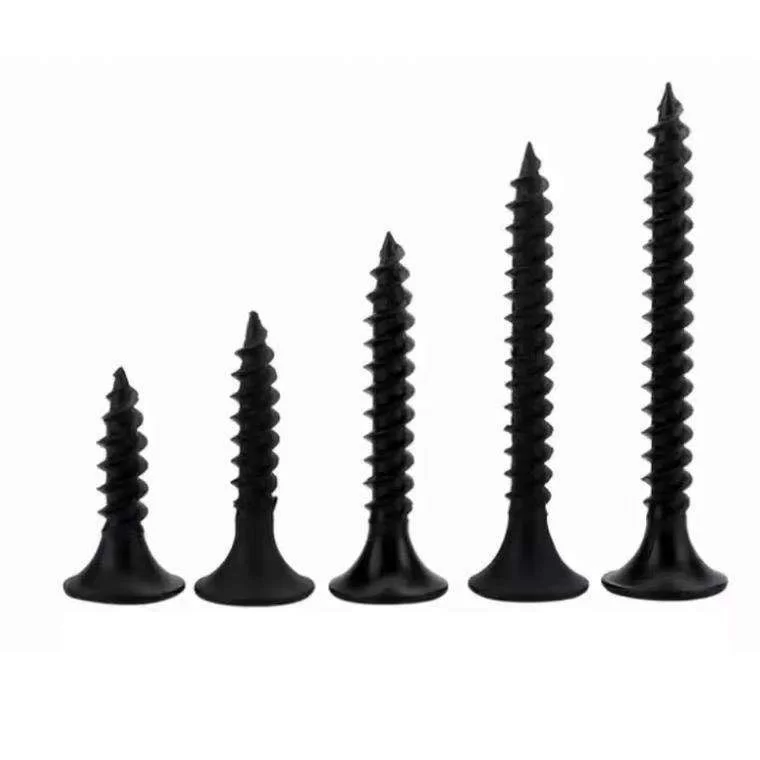
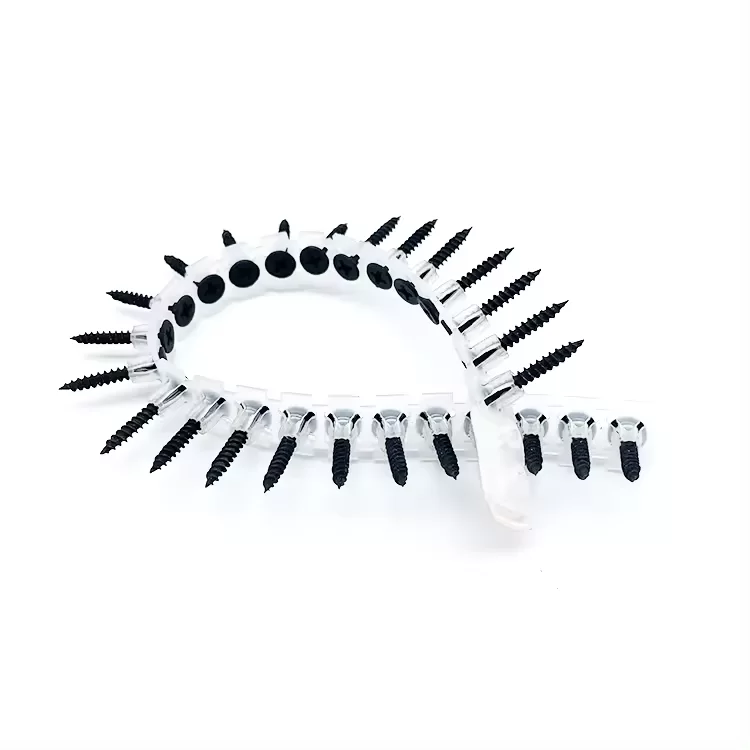
Don’t go cheap! Use stainless steel screws whenever possible, especially in exterior applications. And make sure they’re the right length and diameter for the job. Too short and they won’t hold; too long and they’ll poke through the other side. And pay attention to the head style. Flathead, panhead, roundhead… it all depends on the application. A slightly more expensive screw will save you headaches down the road.
Honestly, not often enough. At least once a year, you should inspect all the hinges, locks, and latches. Look for signs of wear, corrosion, or damage. Lubricate moving parts, tighten loose screws, and replace anything that’s broken or worn out. A little bit of preventative maintenance can save you a lot of trouble in the long run. I’ve seen entire buildings shut down because of a faulty door lock.
Ultimately, all the fancy materials, designs, and technologies in the world don't matter if the basics aren't right. Door hardware fittings are the unsung heroes of any building, and they need to be treated with respect. The industry's moving towards faster builds, smarter systems, and more sustainable materials, but those things are only as good as the foundations they're built on.
So, invest in quality, pay attention to detail, and don’t be afraid to ask the guys on site what they think. Because at the end of the day, whether this thing works or not, the worker will know the moment he tightens the screw. Visit our website: door hardware fittings companies

JOIN OUR NEWSLETTER