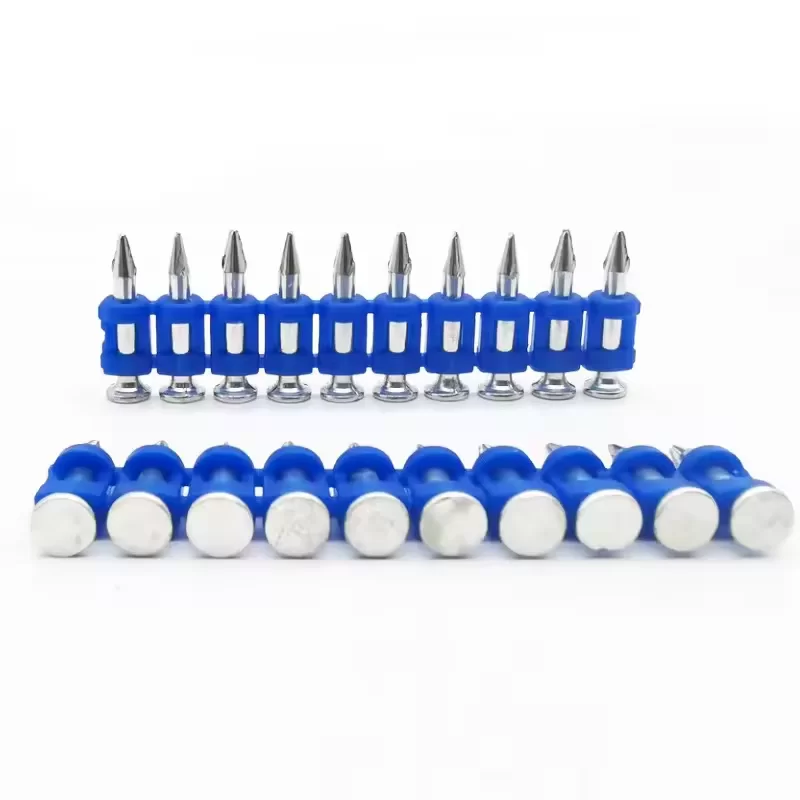
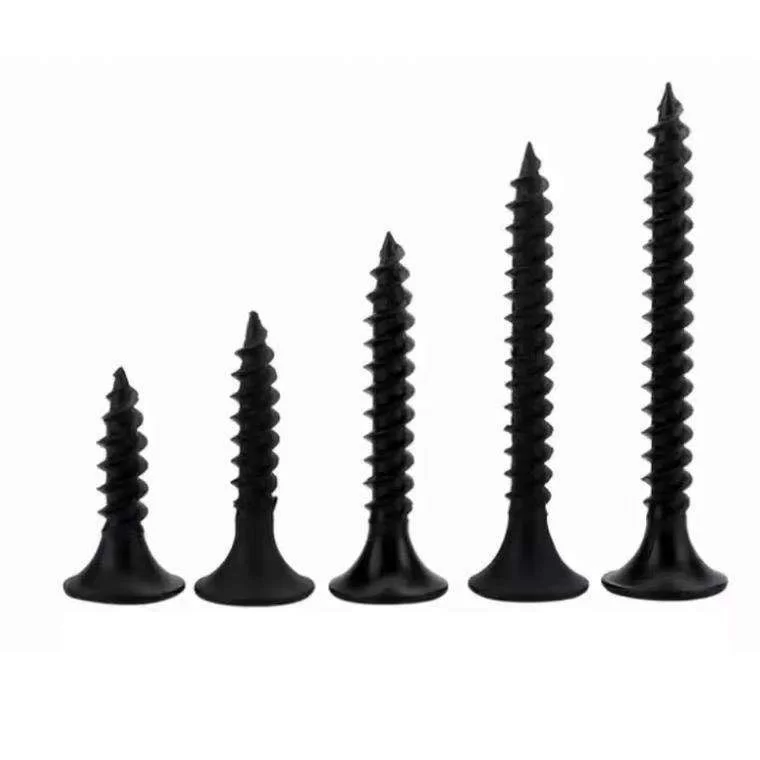
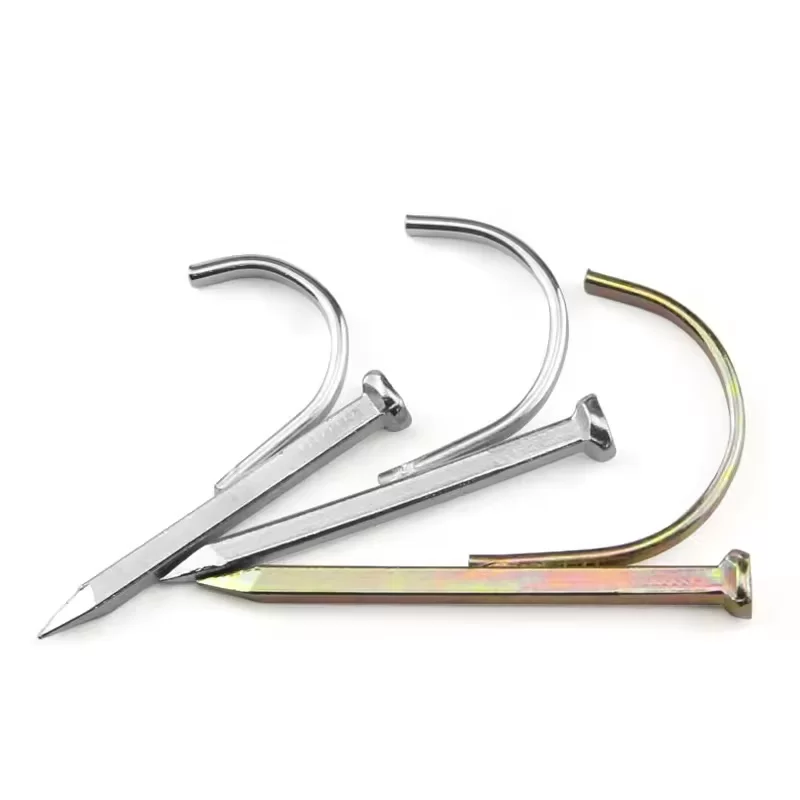
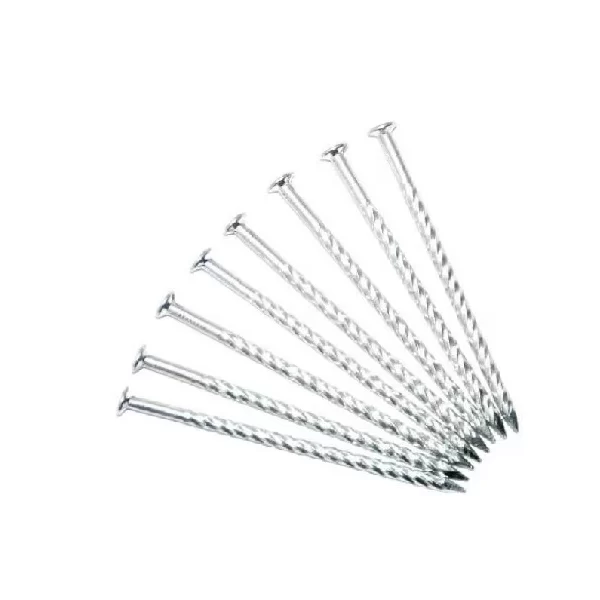
Honestly, the whole hardware accessories scene… it’s been a wild ride lately. Everyone's screaming about miniaturization, right? Everything’s gotta be smaller, lighter, more integrated. But after 20 years crawling around construction sites, I’ve learned smaller doesn’t always mean better. Sometimes, you need something chunky you can feel in your hand. Something that won’t snap if you look at it wrong.
And the connectivity! Don't even get me started. USB-C is the king, yeah, but have you noticed how quickly those ports get gunked up with dust and debris on a job site? Then you’re dealing with intermittent connections, frustrated technicians, and wasted time. It’s a constant battle. You think designers understand this? Not always.
The real stuff happens out there, not in the lab.
The Latest Trends in Hardware Accessories
Strangely enough, a lot of the innovation is coming from the medical device sector. They need reliability, miniaturization, and biocompatibility. Those requirements bleed over into industrial applications. Wireless charging, for instance. It's moving beyond phones and into powering sensors and small control units. It saves on wiring, reduces failure points… but the efficiency is still a concern. I saw a setup at a hardware accessories factory last year, and the heat dissipation was a real issue.
Then there's the push for everything to be "smart" – adding sensors and microcontrollers to even the simplest components. Which sounds good in theory, until you realize someone's gotta maintain those sensors, calibrate them, replace them when they fail. It adds complexity and cost.
Common Design Pitfalls
You know what really gets my goat? Designing a connector without considering the environment it's going into. I encountered this at a factory last time. They designed this beautiful, sleek connector... for an outdoor enclosure. No sealing, no UV protection. The contacts corroded within six months. Basic stuff! Another one: over-engineering. Making something unnecessarily complex, adding features nobody needs. It drives up the cost and introduces more points of failure. Keep it simple, folks.
And the tolerances! Oh, the tolerances. Engineers will spec a tolerance of +/- 0.01mm, then wonder why the assembly line is backed up because the parts don’t fit. You need to design for real-world manufacturing, not theoretical perfection.
It's a constant negotiation between cost, performance, and manufacturability. Anyway, I think a good designer understands that.
Material Matters: A Hands-On Perspective
To be honest, you can tell a lot about a hardware accessory just by how it feels. The weight, the texture… Take brass, for example. It's got a satisfying heft to it, and the machining is beautiful. But it tarnishes. Stainless steel is good, solid, reliable. But it can be tricky to work with, and the different grades behave differently. Then you have the plastics… ABS is cheap and easy to mold, but it's brittle. Polycarbonate is tougher, but more expensive. Nylon… smells like burnt almonds when you machine it, which is always a fun surprise.
I’m seeing more and more use of composite materials lately. Carbon fiber reinforced polymers. Lightweight, strong, corrosion resistant… but they're expensive, and the manufacturing processes are complex. And forget about field repairs. Once they're damaged, you’re usually replacing the whole thing. There’s also PEEK, which is fantastic for high-temperature applications, but you need specialized tools and expertise to machine it.
Really, the best material depends on the application. There’s no one-size-fits-all answer. You need to consider the operating environment, the loads it will be subjected to, the cost constraints… It's a balancing act.
Real-World Testing & Usage Scenarios
Lab testing is fine, I guess. Vibration tests, temperature cycles, salt spray… but it doesn't replicate the chaos of a real job site. I’ve seen connectors pass all the lab tests, then fail miserably after a week in the field because someone dropped a wrench on them. You need to test in realistic scenarios. Drop tests, impact tests, exposure to dust, mud, and solvents.
And pay attention to how people actually use the products. I was talking to an electrician the other day, and he said he routinely uses a screwdriver as a makeshift pry bar. No engineer designs for that! But it happens. You need to anticipate the abuse that these things will take.
Hardware Accessories Failure Rate by Usage Scenario
Advantages and Disadvantages: The Honest Truth
The benefits are obvious: reliability, durability, ease of use. A well-designed hardware accessory just works. It saves time, reduces errors, and improves safety. But let’s be real, there are downsides. They can be expensive, especially if you're using high-quality materials and precision manufacturing. And sometimes, they’re just overkill. You don't need a titanium connector for a plastic housing.
And don't even get me started on proprietary connectors. They lock you into a specific ecosystem, limit your options, and drive up the cost of repairs. I hate those things.
Customization Capabilities and a Shenzhen Story
Customization is huge. A lot of customers need specific dimensions, materials, or finishes. I had a small boss in Shenzhen who makes smart home devices. Last month, he insisted on changing the interface to , even though the existing Micro-USB connector was perfectly adequate. He said it was "more modern." The result? His production costs went up, his assembly time increased, and the connectors were more prone to damage. He learned a hard lesson.
But sometimes customization is necessary. For example, we had a client needing a connector with a specific thread size to integrate with their existing equipment. We could have told them to redesign their equipment, but it was easier (and cheaper) to modify the connector.
Key Performance Indicators & Material Comparison
Ultimately, we track a lot of metrics: failure rates, assembly time, cost per unit, customer complaints… But the most important KPI is field reliability. If it breaks in the real world, it doesn’t matter how well it performed in the lab.
The choice of material has a huge impact. Here’s a quick, rough comparison (like something I’d scribble on a napkin):
It's not a perfect science, but it gives you a general idea.
Material Performance Comparison
| Material |
Cost (1-10) |
Durability (1-10) |
Environmental Resistance (1-10) |
| ABS Plastic |
2 |
4 |
3 |
| Polycarbonate |
5 |
7 |
5 |
| Stainless Steel (304) |
7 |
8 |
7 |
| Brass |
6 |
6 |
4 |
| Nylon |
4 |
5 |
6 |
| PEEK |
9 |
9 |
9 |
FAQS
Honestly, it's not considering the end user's environment. They design something beautiful in the office, but it falls apart the minute it hits a dusty construction site. You gotta think about temperature extremes, vibration, moisture, and general abuse. It’s not just about meeting a spec sheet; it’s about building something that can actually survive in the real world.
Crucial. Absolutely crucial. The right material can make or break a product. You gotta balance cost, performance, and durability. Sometimes, spending a little extra on a higher-quality material will save you a lot of headaches down the road. And don't forget about corrosion resistance – that's a big one.
We’re seeing a lot of interest in bio-based plastics and recycled materials. Sustainability is becoming more and more important. Also, new alloys with improved strength-to-weight ratios. But they're often expensive and require specialized manufacturing processes.
Accelerated life testing is helpful, but it's not a perfect substitute for real-world testing. We do a lot of field trials – getting the product into the hands of actual users and seeing how it performs over time. That’s where you really find out what works and what doesn’t.
I hate them. Truly. They lock you in, make repairs difficult, and drive up costs. Unless there's a very good reason for a proprietary connector, I always recommend sticking with standard connectors. It gives customers more flexibility and reduces their long-term costs.
Supply chain disruptions. It’s been a nightmare since COVID. Lead times are longer, prices are higher, and it's harder to get the components you need. You gotta build strong relationships with your suppliers and be prepared to adapt quickly. And honestly, diversify your supply base!
Conclusion
So, what does it all boil down to? Good hardware accessories aren't about fancy features or cutting-edge materials; they’re about solving a problem reliably and affordably. They’re about understanding the environment they'll be used in, anticipating the abuse they'll take, and designing for real-world manufacturing.
Ultimately, whether this thing works or not, the worker will know the moment he tightens the screw. And if it holds, that’s all that matters. Now if you'll excuse me, I've got a factory to visit and a few engineers to yell at. Check out hardware accessories factory for more!