
Hit enter to search or ESC to close
Dec 2, 2025


If you’ve ever worked in construction, manufacturing, or even if you’re just fascinated by practical engineering solutions, then the term self drilling screws for 1/4 steel probably rings a bell. These clever fasteners solve what was once a persistent challenge in joining heavy steel sheets without the hassle of pre-drilling holes. Globally, with steel usage soaring—naval construction, infrastructure, and heavy machinery to name a few—knowing about these screws isn’t just technical trivia; it’s a key to efficiency and cost savings.
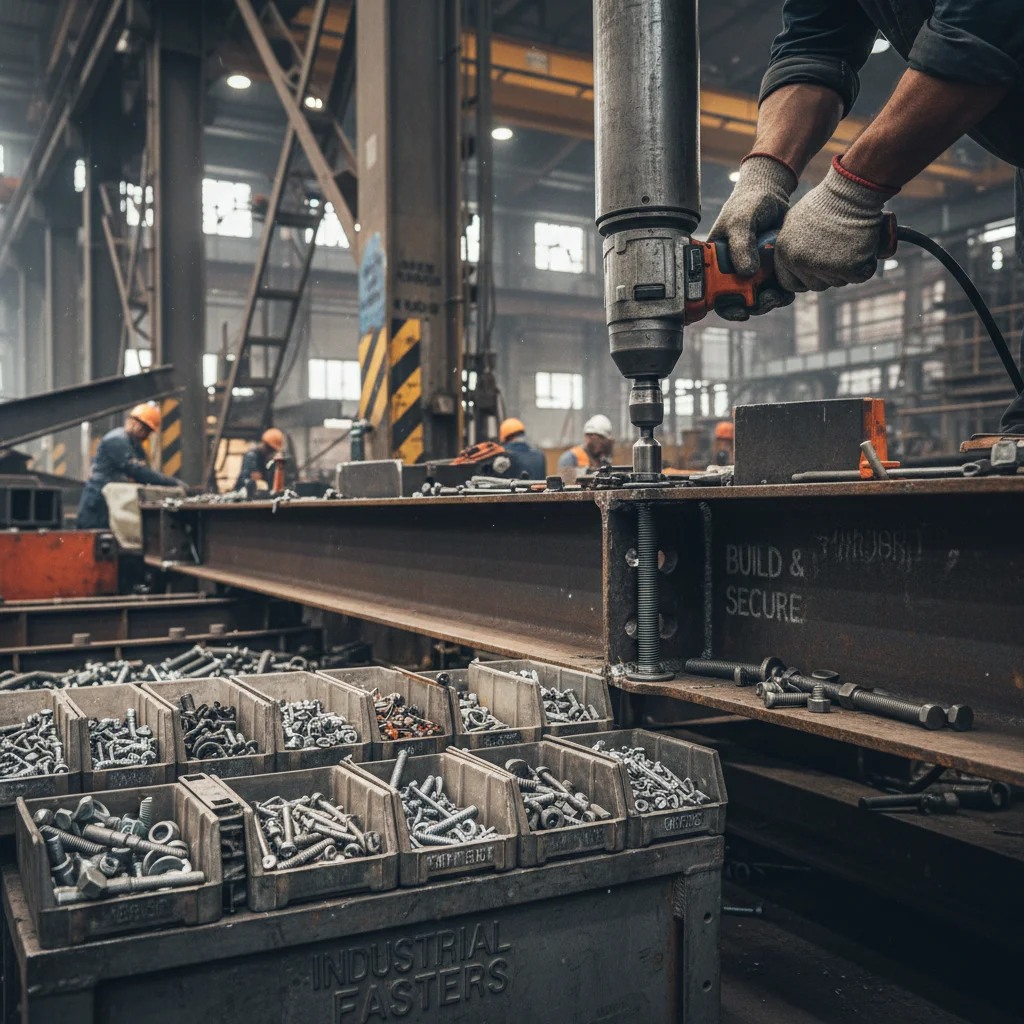
Steel production has exploded worldwide, hitting about 1.9 billion metric tons in 2023 according to the World Steel Association.[1] As industrialization accelerates, industries demand faster, stronger, and more reliable joining solutions. Self drilling screws designed for 1/4 inch steel address an engineering bottleneck: how to fasten steel efficiently without extra preparation. Traditionally, workers would drill pilot holes before using standard screws—time-consuming and costly. The innovation of these screws streamlines assembly lines and construction sites from Asia to the Americas, and not just in factories but also in humanitarian projects where rapid, secure assembly is critical.
Mini takeaway: The global steel boom drives demand for smarter fastening; self drilling screws for 1/4 steel are a practical answer.
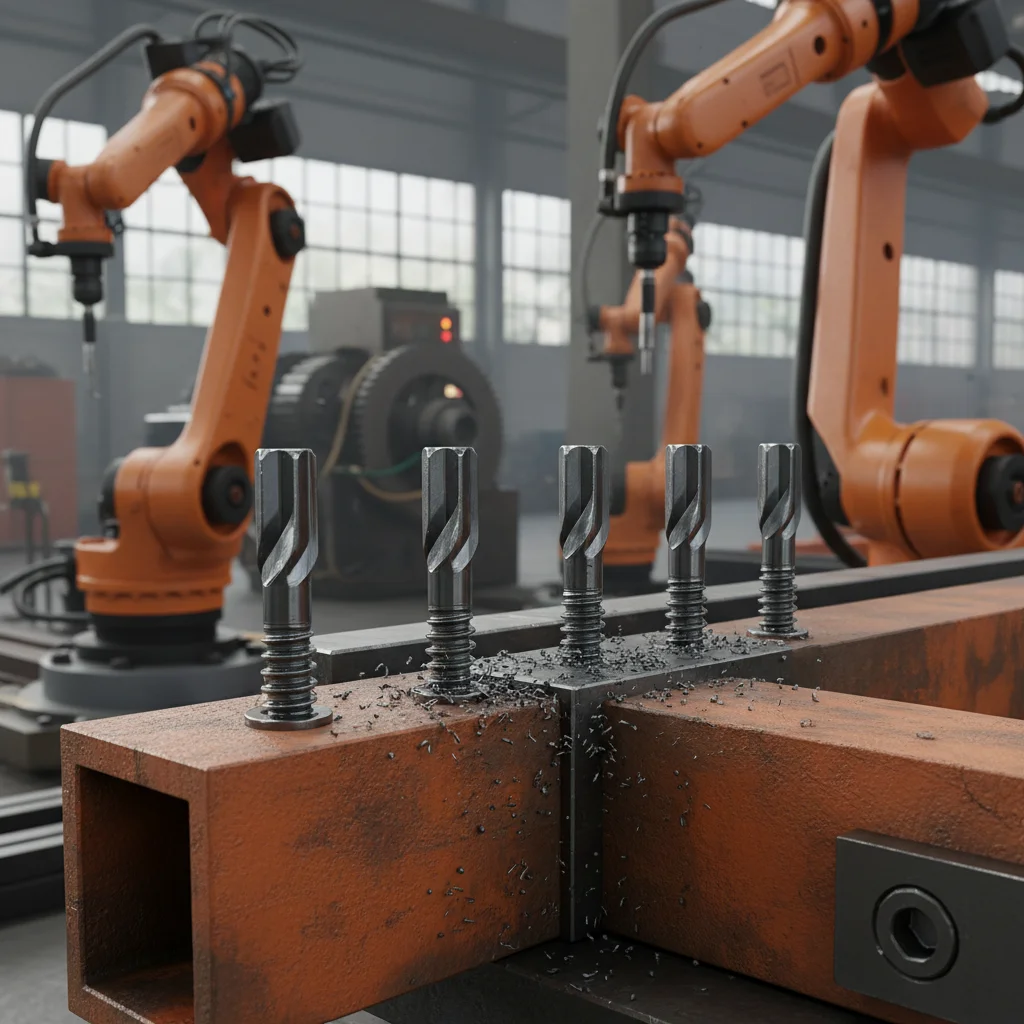
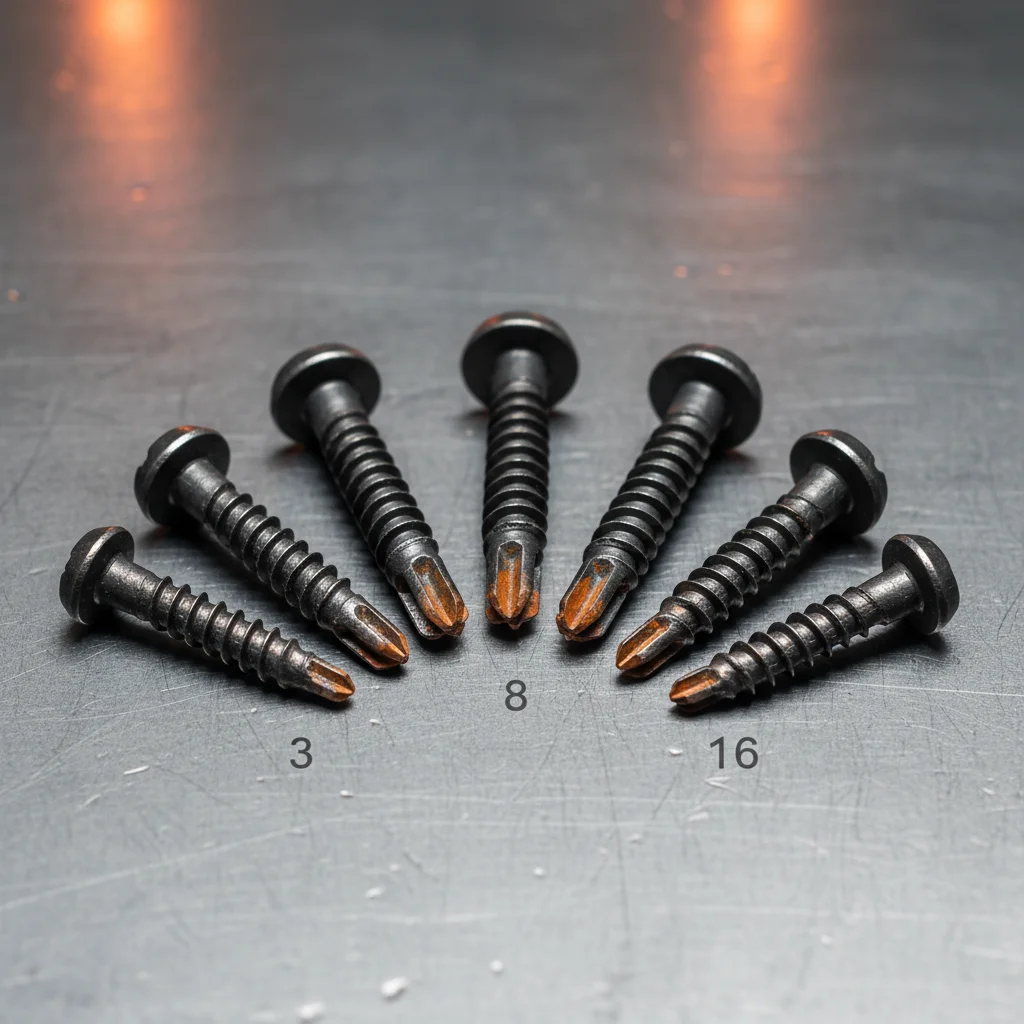
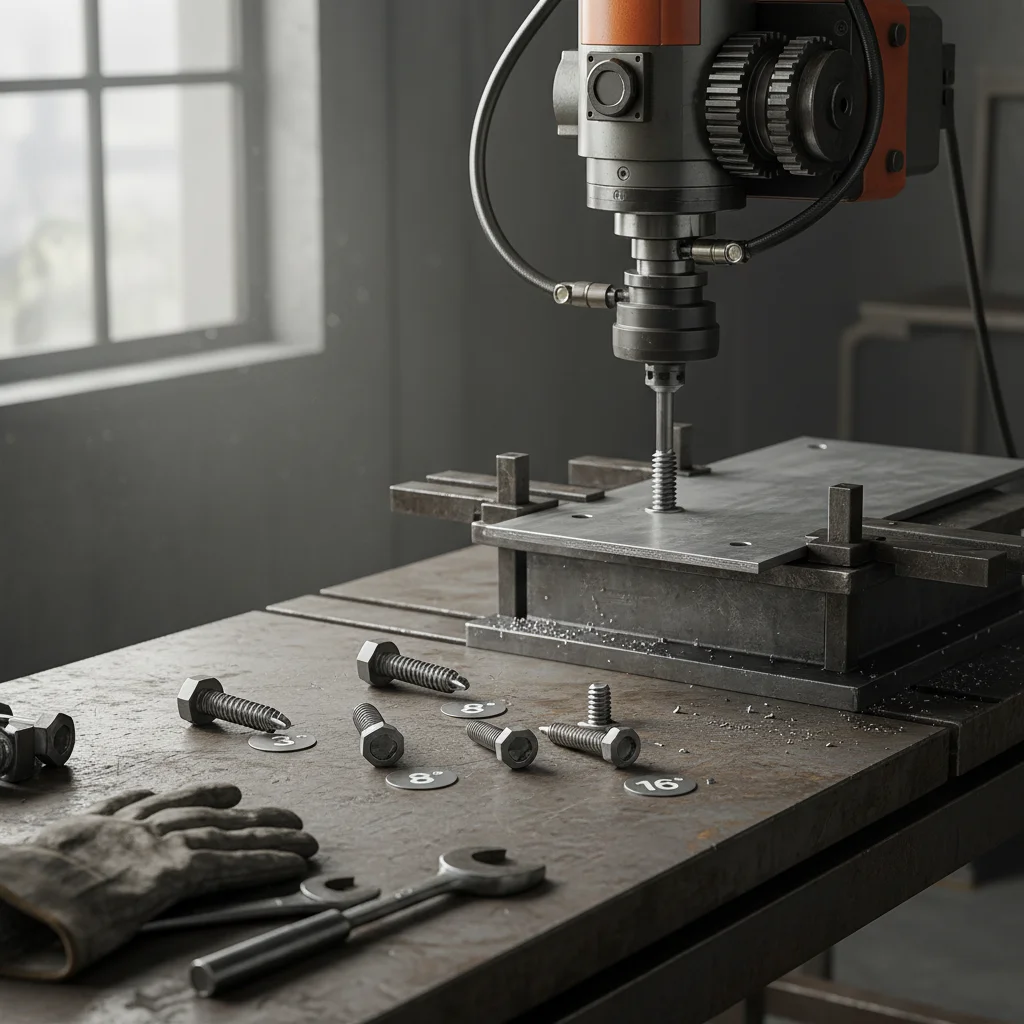
Put simply, a self drilling screw for 1/4 steel is a fastener designed to penetrate steel up to a quarter inch thick without pre-drilling. It combines a drill bit tip with the threading on the shaft, enabling a single-step process. This means fewer tools, less labor time, and reduced error risk. Built typically with hardened steel and sometimes coated for corrosion resistance, these screws are engineered to withstand high forces and harsh environments—making them indispensable in everything from shipbuilding to disaster relief shelters.
Wikipedia offers a good overview of fastener physics if you want the basics of how threads and torque work.
The drill tip is often flute-shaped to mimic a drill bit’s cutting action. For 1/4 steel, the tip must be especially robust to cut cleanly through thick metal sheets without overheating or dulling quickly.
Threads are coarser than those on regular screws, designed to grip the steel tightly and distribute load evenly, resisting loosening due to vibration or stress—critical in automotive or aerospace sectors.
Typically, these screws are made from alloyed steel or stainless steel; some variants include special coatings like zinc plating or PTFE to enhance corrosion resistance especially in outdoor or marine environments.
Common head shapes include hex washer heads or pan heads, chosen for ease of installation and good torque application. Drive types vary—Phillips, Torx, or hex—to reduce cam-out and increase driver engagement.
Coatings aren’t just for looks; they protect the screw from rust, extend lifespan, and even reduce friction, aiding installation in tough conditions.
Mini takeaway: The design of self drilling screws blends precision engineering and material science to meet the demanding task of fastening thick steel swiftly and securely.
Across continents, these screws show up everywhere you might least expect but definitely need them.
Mini takeaway: These screws have become vital across multiple industries by enabling faster, reliable steel fastening at scale.
Here’s the thing: these screws pay off not just financially but also socially. Installing without pre-drilling cuts labor costs and reduces equipment needs. They improve worker safety by minimizing tool changes and reducing slips or misalignments.
Socially, fast assembly can mean quicker housing post-disaster, restoring dignity to displaced families faster. Logically, the reliability of these screws reduces maintenance and downtime for industrial equipment, a win-win.
| Feature | Benefit |
|---|---|
| One-step Installation | Saves time & reduces equipment |
| Corrosion-resistant Coatings | Increases lifetime & durability |
| Specialized Thread Design | Ensures strong, long-lasting grip |
| Varied Head/Drive Options | Improves installation efficiency |
Oddly enough, you might think a screw is a screw is a screw. But innovation never sleeps. Engineers are experimenting with new alloys that offer superior hardness with lower weight—important for aerospace and transportation. There's also ongoing research into eco-friendly coatings that avoid heavy metals, aligning with stricter sustainability regulations creeping into manufacturing standards globally (ISO 14001).
Combined with automation trends, including robotic screw-driving and advanced torque monitoring, these fasteners are stepping into the digital age without losing their practicality.
Challenges exist, of course. One big issue is balancing drill-tip hardness with brittleness—too hard and the tip chips, too soft and it dulls quickly. Manufacturers address this by heat treatments and alloy tweaks. Another is managing corrosion in extreme environments, with ongoing development of multi-layer coatings.
From a practical standpoint, some operators need training to properly use specialized driver bits and torque settings to avoid screw damage or poor fastening.
| Vendor | Material | Coating | Head Type | Price Range (per 1000 pcs) |
|---|---|---|---|---|
| Lianshiwjnail | Alloyed Steel | Zinc-Plated | Hex Washer | $120–150 |
| FastTech | Stainless Steel | PTFE Coated | Pan Head | $140–170 |
| MetalSecure | Carbon Steel | Galvanized | Hex Washer | $100–130 |
To sum it all up, self drilling screws for 1/4 steel are more than just fasteners—they are enablers of rapid construction, innovation, and safety across industries worldwide. When you understand their design, benefits, and correct usage, you gain a powerful tool in your supply chain or toolbox that saves time, cost, and stress. For those seeking trusted suppliers and the latest product innovations, I recommend exploring self drilling screws for 1 4 steel from Lianshiwjnail. Their range and quality stand out for both industrial and humanitarian needs.
Reflecting on these simple yet brilliant components, it’s easy to see how tiny tech advances ripple into huge global impacts. Who knew screws could be so fascinating?
JOIN OUR NEWSLETTER


If you are interested in our products, you can choose to leave your information here, and we will be in touch with you shortly.