
Hit enter to search or ESC to close
Nov 30, 2025


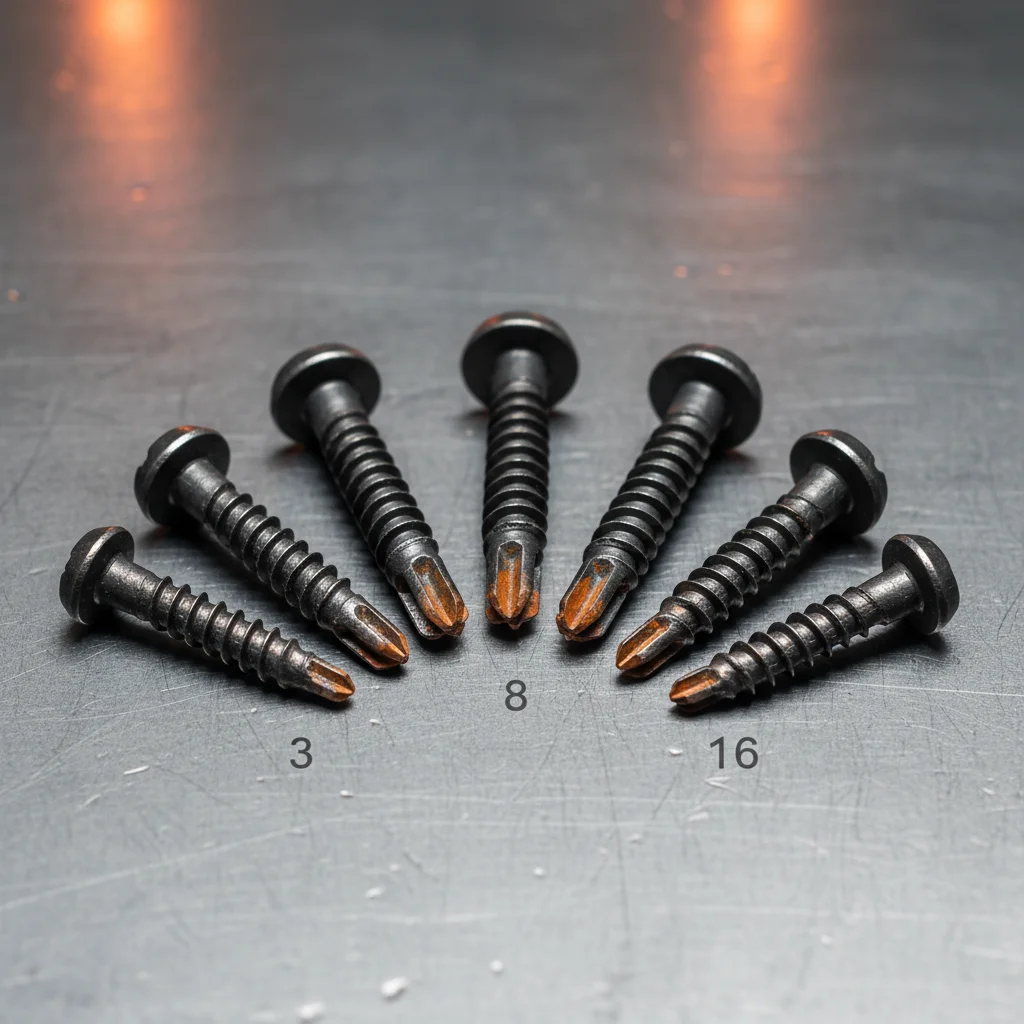
If you’ve ever fiddled with small assemblies or lightweight metal fixtures, you might have stumbled upon self tapping trim head screws. They’re like the unsung heroes holding everything snugly without fussing over nuts or pre-drilled holes. But their importance stretches far beyond that small workshop project.
Globally, industries from construction to electronics count on these nifty fasteners for speed, reliability, and cost-effectiveness. Understanding what they are and why they matter helps engineers, DIYers, and procurement teams alike optimize choices, reduce waste, and even improve safety. Plus, when timing is everything—not to mention access to tools—these screws come through.
It’s fascinating how such a small piece of metal reflects huge economic and industrial trends. According to a recent ISO survey, fasteners—screws included—form a $10 billion global market, with a steady growth rate driven by construction, automotive, and solar energy sectors. Self tapping trim head screws represent a significant share where quick fastening to thin sheets or plastics is common.
Yet there’s a challenge. Many projects, from emergency housing to lightweight electronics, require fastening solutions that avoid delays caused by pre-drilling or complicated assembly lines. Self tapping screws neatly sidestep this bottleneck, helping reduce labor costs and equipment needs.
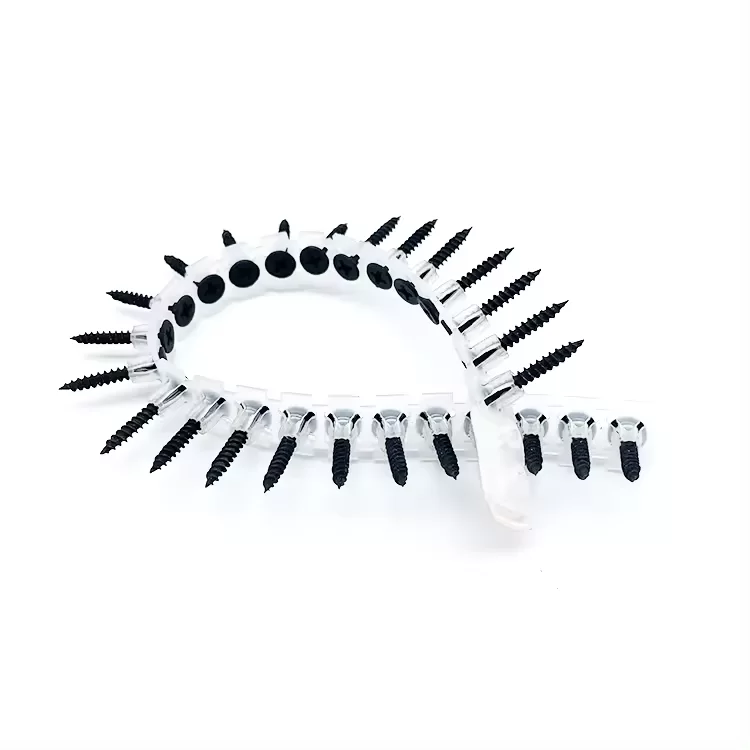
At their core, these are screws designed to cut their own thread into materials as they’re driven in. The "trim head" part means the screw head is smaller and more discreet—ideal where appearance matters or space is tight. Think of joining thin metal panels or securing lightweight fixtures without bulky fasteners sticking out.
Why does this matter beyond the factory floor? Well, in humanitarian aid or rapid infrastructure projects, time and tools are limited. A self tapping trim head screw can simplify assembly, even in makeshift conditions. That means faster shelters, medical stations, or equipment deployment—and sometimes, that means lives saved.
Despite their slim profile, these screws often feature heat-treated steel or corrosion-resistant coatings like zinc or galvanization. This ensures reliability indoors and out; even salty coastal environments or humid climates won’t degrade them easily.
The thread geometry allows easy penetration with minimal material damage, creating a firm grip. Engineers often tweak thread pitch and sharpness depending on whether the screw goes into metal, plastic, or composites.
Trim heads are low-profile, which helps in visible joins—no ugly bumps sticking out. You’ll also find finishes ranging from polished chrome to black oxide, matching aesthetics and corrosion needs.
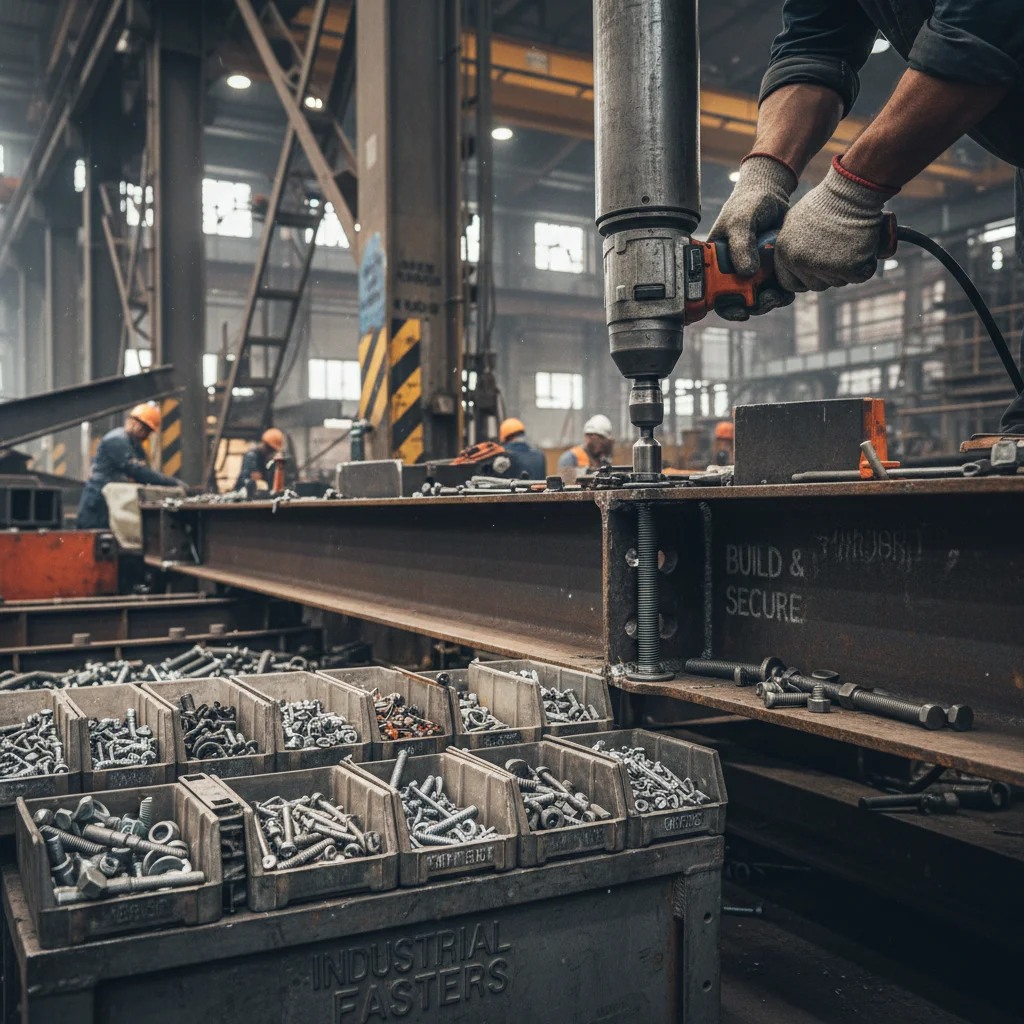
These screws are compatible with electric or pneumatic drivers, meaning rapid, consistent fastening. Plus, the self tapping feature removes the need for separate drilling, slashing the tool count and skill required on site.
Reduced labor and assembly time typically translate into cost savings—not just in materials but in overall project schedules.
| Specification | Typical Range | Notes |
|---|---|---|
| Material | Heat-treated steel, stainless steel | Corrosion-resistant coatings common |
| Head Type | Trim head (low profile, small diameter) | Often Phillips or Torx drives |
| Thread Pitch | 0.5mm – 1.2mm | Varies by material type |
| Length | 6mm – 40mm | Custom sizes available |
| Finish | Zinc plated, black oxide, chrome | Depends on application environment |
From the skyscrapers in Dubai to solar farms in Australia, these screws are quietly everywhere. In automotive assembly, they fasten trim panels without cracking plastic parts. In construction, they secure drywall or thin metal siding. In consumer electronics, they hold delicate casings together without ruining miniaturized circuits.
In humanitarian sectors, rapid-installation shelters often come with prefabricated panels joined by self tapping screws. NGOs operating in disaster zones appreciate the ability to assemble or repair structures quickly with minimal tools on hand. Oddly enough, sometimes these tiny screws are part of what enables whole communities to rebuild after calamities.
| Vendor | Range of Sizes | Materials Offered | Lead Time | Price Level |
|---|---|---|---|---|
| Lianshi WJNail | 6mm – 35mm | Steel, stainless steel, coated | Typically 2 weeks | Competitive |
| FastenRight Co. | 8mm – 40mm | Steel, aluminum | 3–4 weeks | Moderate |
| Global Screw Works | 5mm – 30mm | Stainless steel, zinc plated | 1–2 weeks | Higher-end |
Knowing your work’s secure down to the last screw does wonders for confidence, both for engineers and end users.
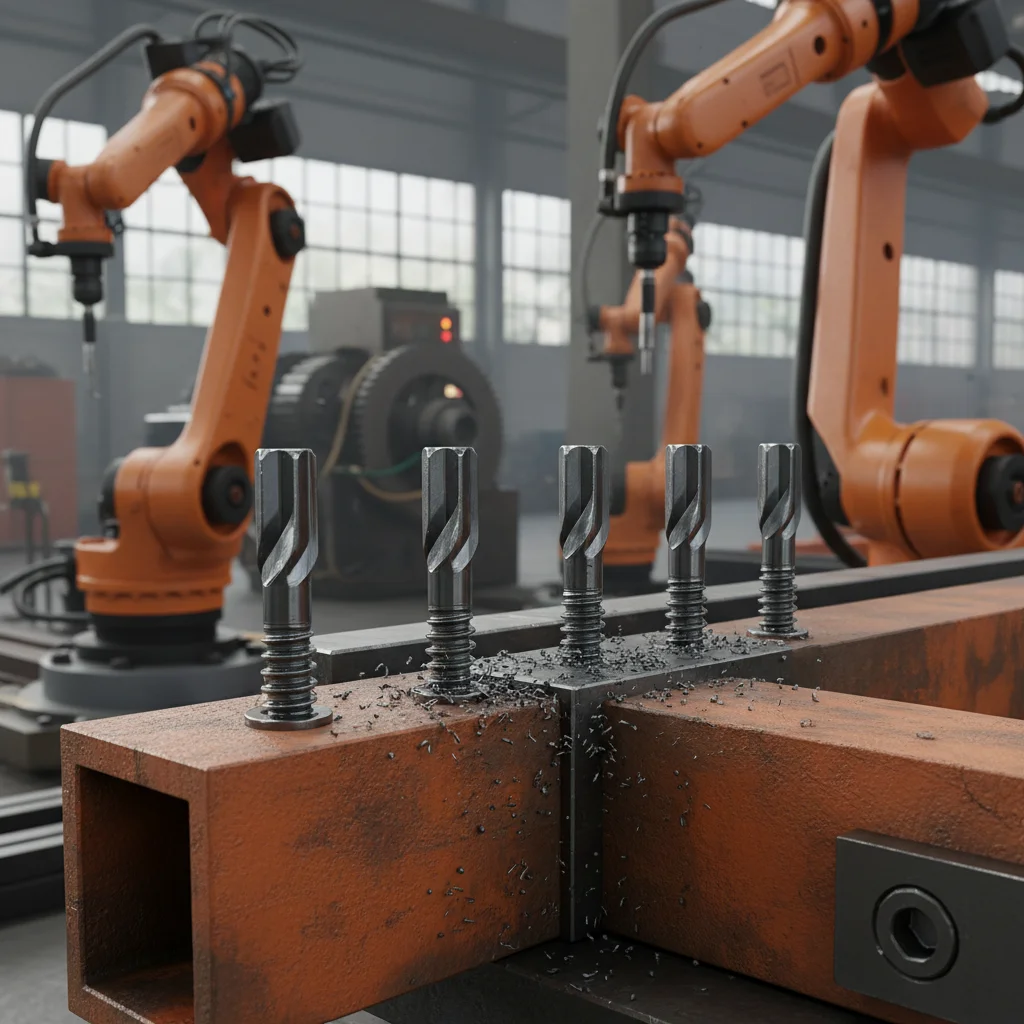
Material science keeps pushing boundaries, and fasteners aren’t left behind. Biodegradable coatings and stronger, lighter alloys are entering the market, complementing increased demands for greener construction. Automation is also transforming installation: imagine robotic arms precisely installing thousands of these with perfect torque, speeding up factory lines or modular housing setups.
Digitally, “smart screws” with embedded sensors for stress or corrosion monitoring might soon become common in aerospace or infrastructure, offering real-time data to preempt failures.
One tricky bit? Self tapping screws can sometimes strip or cause micro-cracks if improperly installed, especially in brittle plastics or thin metals. Field reports often highlight over-tightening as the culprit.
Thankfully, torque-controlled drivers and improved thread designs are mitigating this. Training and quality control remain vital — many engineers now recommend testing each fastener type in situ before large-scale deployment.
Framed as just simple screws, self tapping trim head fasteners might seem tiny and unremarkable. But they quietly enable global industries, rapid humanitarian aid, and innovation by offering a clever, reliable, and cost-effective fastening method. Their blend of engineering precision, ease of use, and durability opens doors to faster, smarter projects worldwide. I suppose it’s one of those little things that make a big difference.
Curious to learn more or stock up on high-quality self tapping trim head screws? Visit our website and explore a world of fastening solutions to fit your next project.
References:
1. ISO Fastener Industry Data, 2023
2. United Nations Sustainable Building Reports
3. Wikipedia: Screw (threaded fastener)
JOIN OUR NEWSLETTER


If you are interested in our products, you can choose to leave your information here, and we will be in touch with you shortly.