Why Double Ended Self Tapping Screws Matter in Today's World
Have you ever stopped to think about the humble screw? Sure, it’s a tiny part of countless machines and structures, but in the grand scheme of global industry and humanitarian efforts, something called the
double ended self tapping screw is quietly revolutionizing how we build—and how fast. From remote construction sites to fast deployment in emergency shelters, these screws save time, costs, and sometimes even lives.
Globally, supply chains and construction projects are under immense pressure to be more efficient and sustainable. The World Bank estimates that infrastructural challenges cost developing economies billions annually. Solutions that speed up assembly, reduce the need for specialized tools, and stand up to harsh environments are a game changer. Enter the double ended self tapping screw. If you’ve never heard the term, don’t worry—we’ll unpack it all. But first, a quick glance at why this little fastener is getting so much attention.
The Global Push for Smarter Fastening Solutions
Worldwide, industries are scaling—and so too is the demand for materials that simplify build processes. According to ISO, industrial fastening markets have grown steadily, largely fueled by innovations that reduce labor hours and improve product longevity. The global construction sector alone accounted for $12 trillion in output in 2023, with fastening technologies playing an unsung but vital role.
Here’s the big challenge: many build environments—from war zones to isolated industrial plants—lack easy access to high-power tools or skilled crews. A screw that can tap its own hole and connect two components directly, without pre-drilling or extra nuts, is exactly the sort of smart convenience designers covet. This is more than a convenience; it’s about putting security, durability, and speed into the hands that really need it.
Understanding What a Double Ended Self Tapping Screw Is
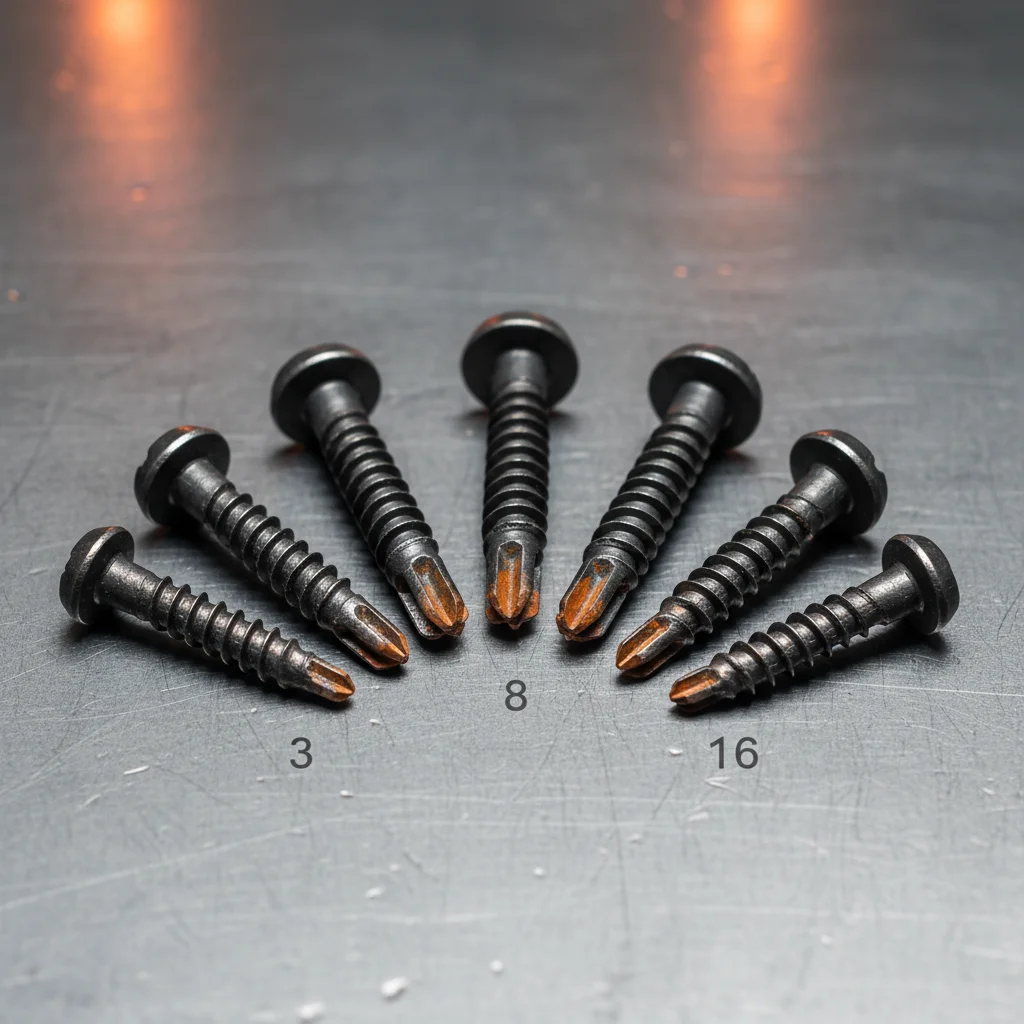
In the simplest terms, a double ended self tapping screw is a fastener with two threaded ends—each designed to cut its own thread into different materials without needing nuts or pre-drilled holes. It’s like having two screws in one, which can simultaneously connect two components.
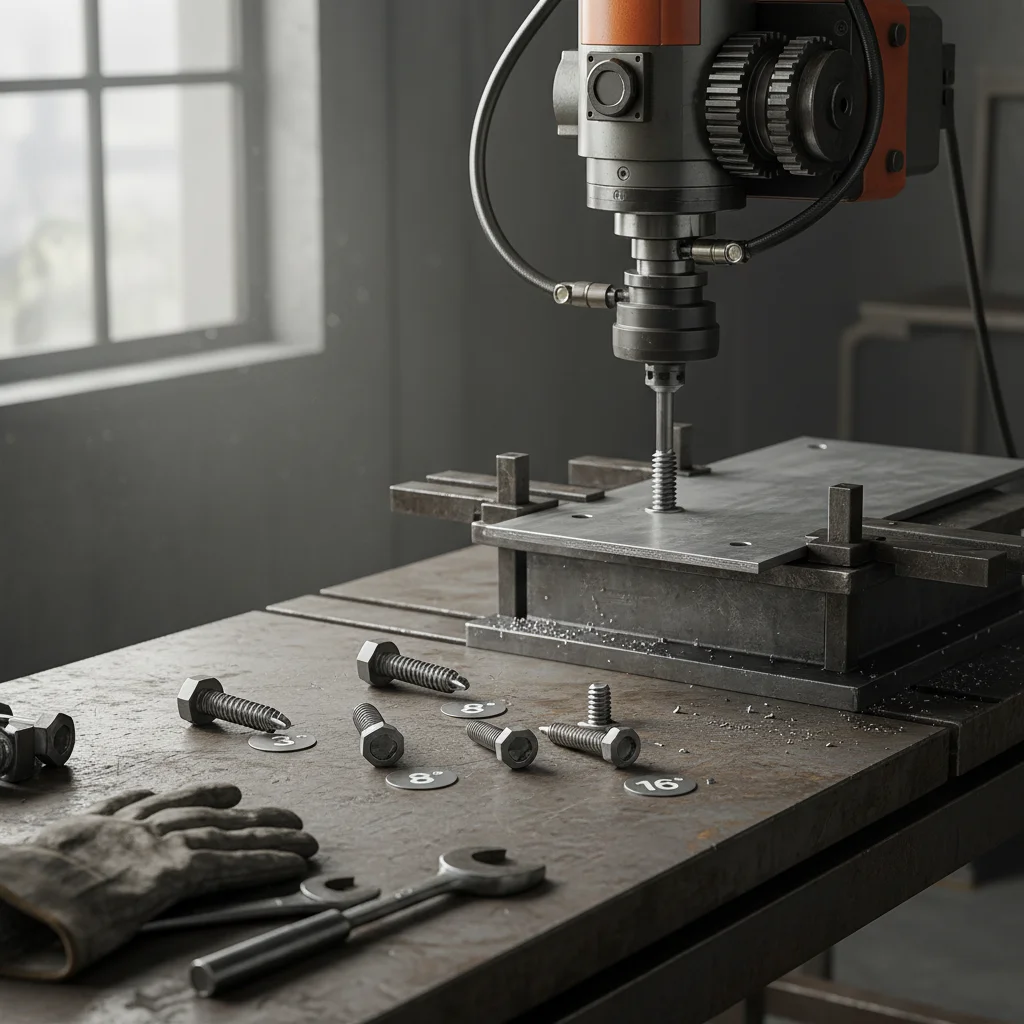
What’s clever here is the self tapping feature: these screws “bite” into material, creating their own path as they go. This functionality offers significant advantages in sectors ranging from manufacturing and construction to disaster relief logistics, especially where speed and reliability can’t be compromised.
Imagine putting up a temporary shelter after a hurricane, where speedy assembly is non-negotiable, but the materials at hand require fasteners that adapt on the fly. That’s where these screws shine.
Mini takeaway:
Double ended self tapping screws blend simplicity and engineering skill, serving industries that need fast, secure, and versatile fastening solutions worldwide.
Core Features That Define These Screws
Let’s break down some key aspects that make the double ended self tapping screw indispensable:
1. Durability
These screws are often made from hardened steel or stainless alloys, offering excellent corrosion resistance and strength. This lets them perform well in harsh outdoor or industrial environments without rusting or losing grip.
2. Fast Installation
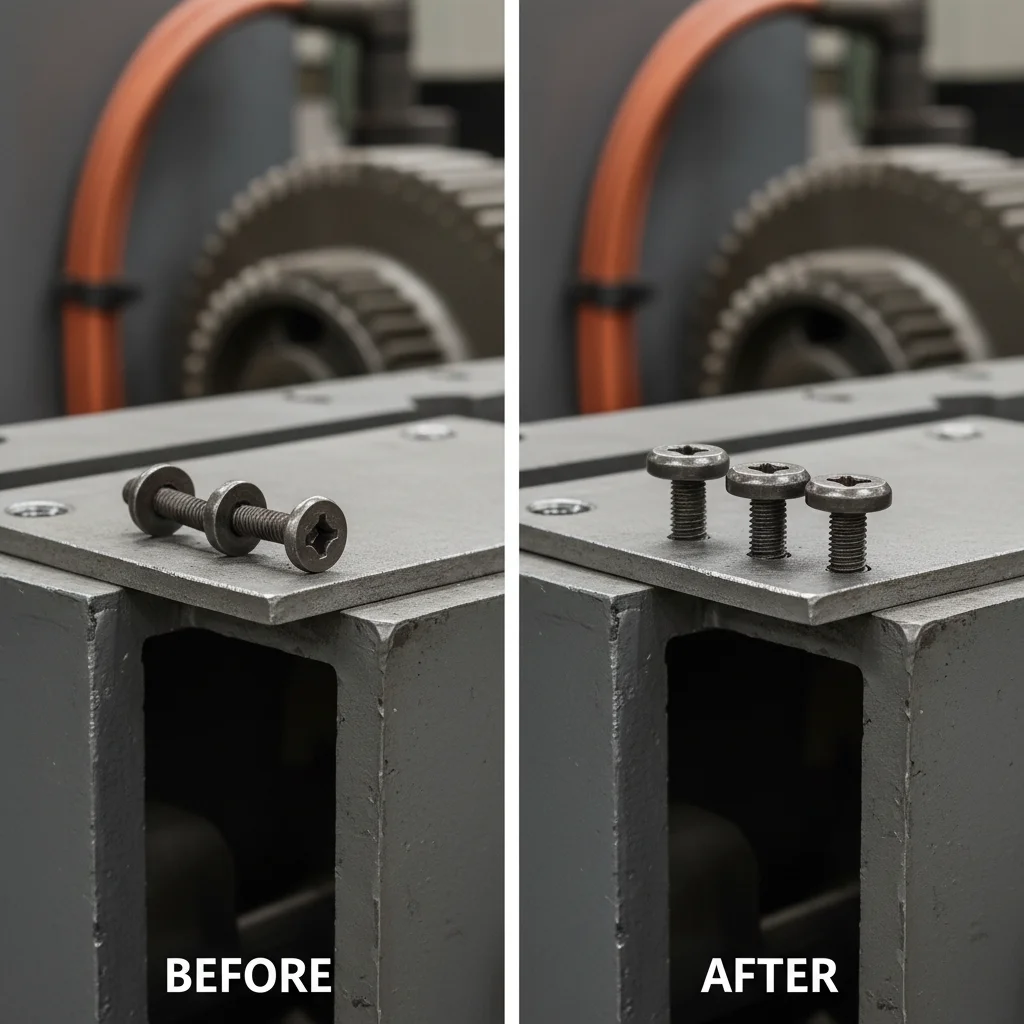
By combining two screws into one, installation time is slashed. No fumbling with separate rods or connectors, and no need for pre-drilled holes. Technicians can literally improve efficiency by up to 30%, according to some manufacturers.
3. Versatility
Suitable for metal, wood, plastics—even composites. This makes them a go-to fastener in automotive, electronics, construction, and even aerospace sectors.
4. Cost Efficiency
Fewer components often mean less inventory and simpler procurement. Plus, the cut in labor hours translates to direct cost savings on-site.
5. Load-Bearing Reliability
The double threading provides a very secure join that withstands vibrations and mechanical stresses, critical for safety-sensitive applications.
Mini takeaway:
In real terms, these screws are practical tech marvels that balance strength, ease-of-use, and flexibility to fit evolving industry demands.
Global Applications: Where Are These Screws Making a Difference?
Double ended self tapping screws find themselves in some truly fascinating contexts:
- Post-Disaster Relief: When disaster strikes, NGOs and governments need to erect shelters rapidly. These screws simplify the assembly of modular housing systems where traditional fasteners would slow down operations.
- Remote Industrial Sites: Oil rigs and mining operations in remote places often operate with minimal toolsets. Self-tapping screws reduce dependency on multiple fasteners and tools.
- Automotive Assembly: Speed and precision are king. Double ended screws accelerate line work and reduce mechanical faults from loose connections.
- Consumer Electronics: Compact devices use these screws to connect tiny internal components reliably during mass production.
For example, in Southeast Asia’s rapidly growing infrastructure projects, engineers report that these screws have expedited assembly times by as much as 25% compared to traditional approaches.
Mini takeaway:
From natural disaster hotspots to cutting-edge factory floors, these screws prove their worth worldwide — quietly underpinning faster, safer builds.
Why You Should Consider Double Ended Self Tapping Screws for Your Projects
In real life, a screw might seem minor, but the effects ripple far beyond. Here’s why adopting these screws could be a strategic advantage:
- Cost Savings: Reduced labor and fewer components ease project budgets.
- Eco-Friendliness: Less waste, fewer parts, and durable materials help with sustainability goals.
- Safety & Trust: Reliable joins mean less risk of structural failure, which saves lives and builds confidence.
- Innovation Edge: Using advanced fasteners signals a commitment to modern, efficient design practices.
It’s not just about economics — it’s also about delivering dignity and safety in difficult build conditions.
Product Specifications at a Glance
| Specification |
Typical Range |
Notes |
| Material |
Stainless steel, hardened alloy steel |
Grades 304, 316 common for corrosion resistance |
| Length |
10 mm - 150 mm |
Varies by application |
| Thread Type |
Coarse and fine thread options |
Custom threads for plastics or metals |
| Head Style |
Phillips, Hex, Torx |
Based on tooling and access |
| Corrosion Resistance |
Up to 1000 hours salt spray (ASTM B117) |
Critical for marine and outdoor use |
How Vendors Compare
| Vendor |
Product Range |
Customization |
Lead Time |
Price Range |
| Lianshi WJNail |
Wide (10-150mm lengths, multiple materials) |
High—custom threads, coatings |
1-3 weeks |
Competitive |
| FastenPro Ltd. |
Moderate (standard sizes) |
Limited |
2-4 weeks |
Mid-Range |
| Global Fixings |
Wide but less specialty |
Standard options |
3-5 weeks |
Higher |
Looking Forward: Trends and Innovations
The fastening arena isn’t static—it’s buzzing with new ideas. Some recent developments impacting double ended self tapping screws include:
- Advanced Coatings: Nano-ceramic and anti-corrosive layers extend lifespan even further.
- Automation-Friendly Designs: Screws engineered for robotic assembly lines to keep pace with Industry 4.0.
- Sustainable Materials: Researchers explore bio-based or recyclable metals to reduce environmental footprint.
- Smart Fastening: Embedded sensors to monitor tension or loosening in critical infrastructure.
These evolving features might sound high-tech, but they’re rooted in the practical need to make construction faster, safer, and greener.
Common Challenges and How They’re Tackled
No product is without hurdles. Some recurring issues with double ended self tapping screws include:
- Material Compatibility: Not every screw works perfectly on all substrates, especially mixed-material joints.
- Torque Control: Over-tightening can strip threads—training and proper torque tools mitigate this.
- Supply Chain Variability: Lead times can fluctuate due to demand spikes or raw material shortages.
Thought leaders recommend investing in staff training, careful project planning, and working with vendors who provide customization and quick iterations.
FAQ: What People Usually Ask About Double Ended Self Tapping Screws
Q1: Can double ended self tapping screws be used on both metal and wood?
Yes, they are designed to handle multiple materials. However, thread type and material choice should match the substrate for optimal performance.
Q2: How do these screws improve installation time?
By eliminating the need for nuts and pre-drilled holes, and combining two screws into one, the installation process becomes much faster and simpler.
Q3: Are there eco-friendly options available?
Some manufacturers offer screws made with recycled steel and environmentally friendly coatings, helping lower a project’s ecological footprint.
Q4: What tools are required for driving these screws?
Typically, standard screwdrivers or power drills with compatible heads (Phillips, Torx, Hex) suffice. Torque-controlled drivers are recommended for precision.
Q5: How can I source these screws internationally?
Many vendors, such as
Lianshi WJNail, provide export services and customization for global clients—just inquire about lead times and shipping terms early.
Conclusion: Why Invest in Double Ended Self Tapping Screws?
In an increasingly complex world, sometimes the most elegant tools make all the difference. Double ended self tapping screws combine engineering savvy and practical design to make connections that last—and assemble fast. Whether you’re managing emergency relief, industrial builds, or product manufacturing, integrating these fasteners can mean better durability, cost savings, and fewer headaches.
For more details or to browse a broad range of options, visit
Lianshi WJNail’s website. It’s time to rethink how something as small as a screw can unlock bigger efficiencies.
Final mini takeaway:
Double ended self tapping screws may not grab headlines, but they hold together the future of efficient, sustainable, and safe construction worldwide.
References
- International Organization for Standardization (ISO) Market Data
- World Bank Infrastructure Overview
- Screw (Thread) - Wikipedia