
Hit enter to search or ESC to close
Nov 28, 2025


Self piercing metal screws are quietly revolutionizing how metals are joined and structures are built worldwide. At first glance, they may seem like just another fastener, but their unique ability to join metal sheets without pre-drilling means faster production, lower costs, and broader applications — ranging from automotive assembly lines in Germany to emergency shelters in post-disaster zones in Asia. With globalization demanding products that are both reliable and scalable, understanding these screws’ design and advantages matters more than ever.
In fact, industry reports suggest that more than 35% of automotive fastener applications worldwide have switched to self piercing screws in the past decade[1]. That’s huge, especially when you realize these tiny components can reduce assembly times by 40% and lower waste. Put simply, they’re small but mighty players in manufacturing efficiency.
Globally, manufacturing and construction sectors face constant pressure to innovate on speed and sustainability fronts. According to the International Organization for Standardization (ISO), fastener technology like self piercing metal screws contributes significantly to resource efficiency by minimizing metal fatigue and eliminating separate drilling steps[2]. This has become especially critical with supply chain disruptions and the urgent push for greener operations.
For example, in regions like Southeast Asia, where rapid urbanization demands swift building methods, these screws reduce labor needs without compromising structural integrity. On the flip side, humanitarian organizations also rely on them for quick-deploy housing solutions after natural disasters, because every minute saved means thousands more people sheltered safely.
Still, some challenges linger. Real-world conditions sometimes expose limits in screw coatings or material compatibility, spurring ongoing R&D to perfect designs and deployment methods.
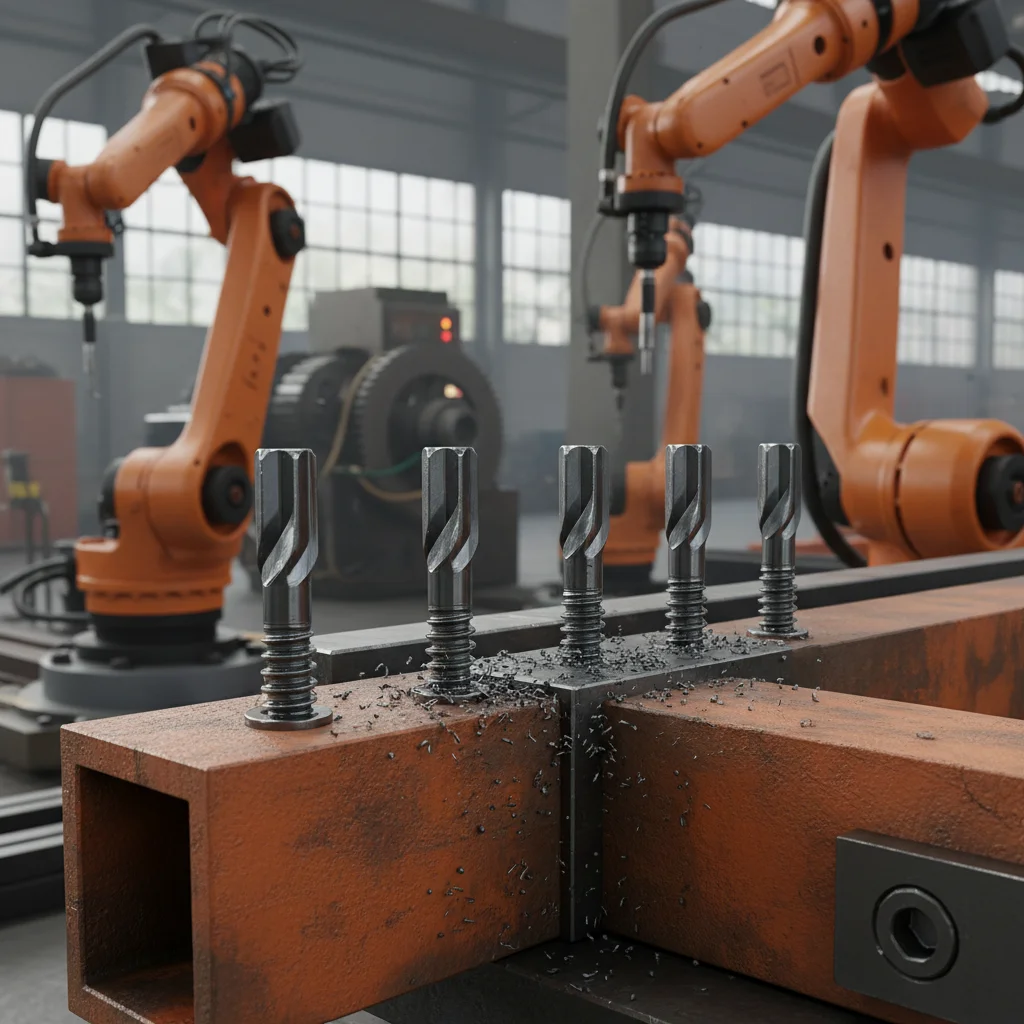
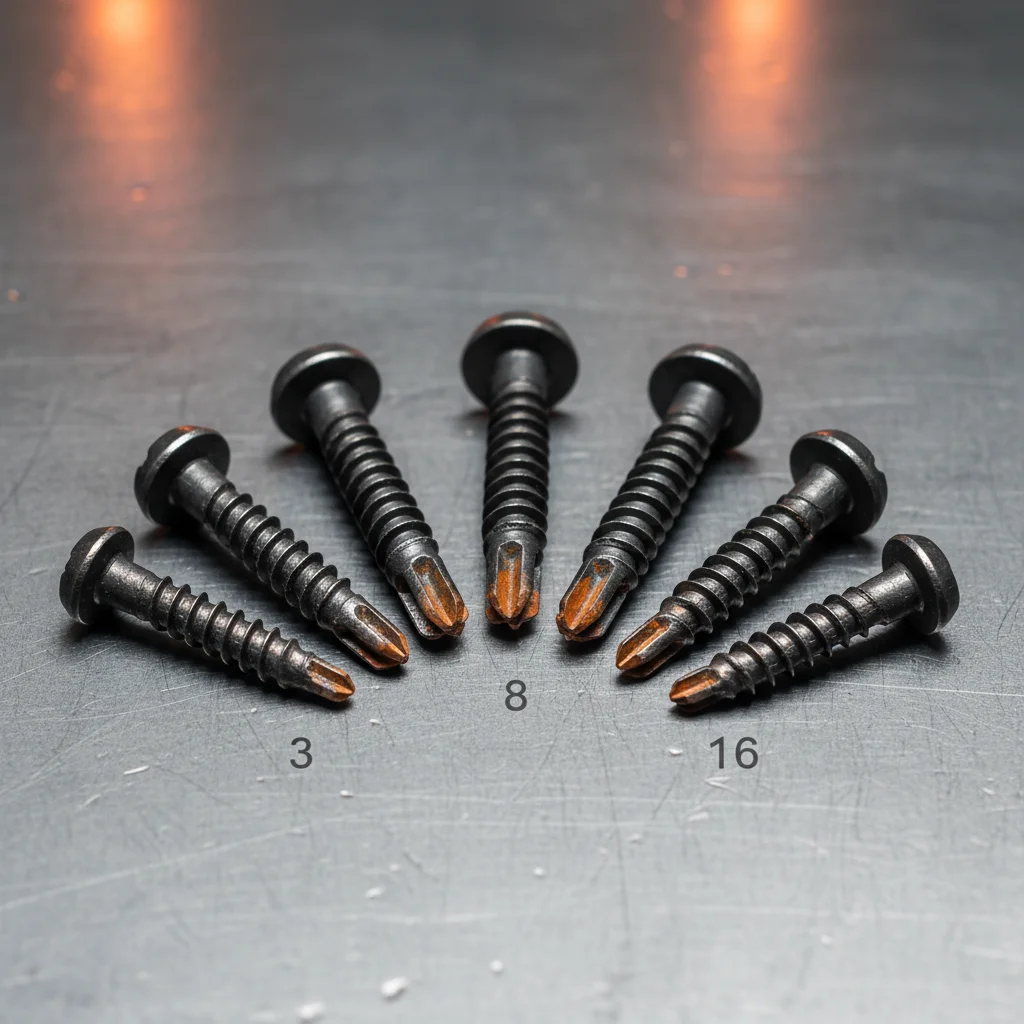
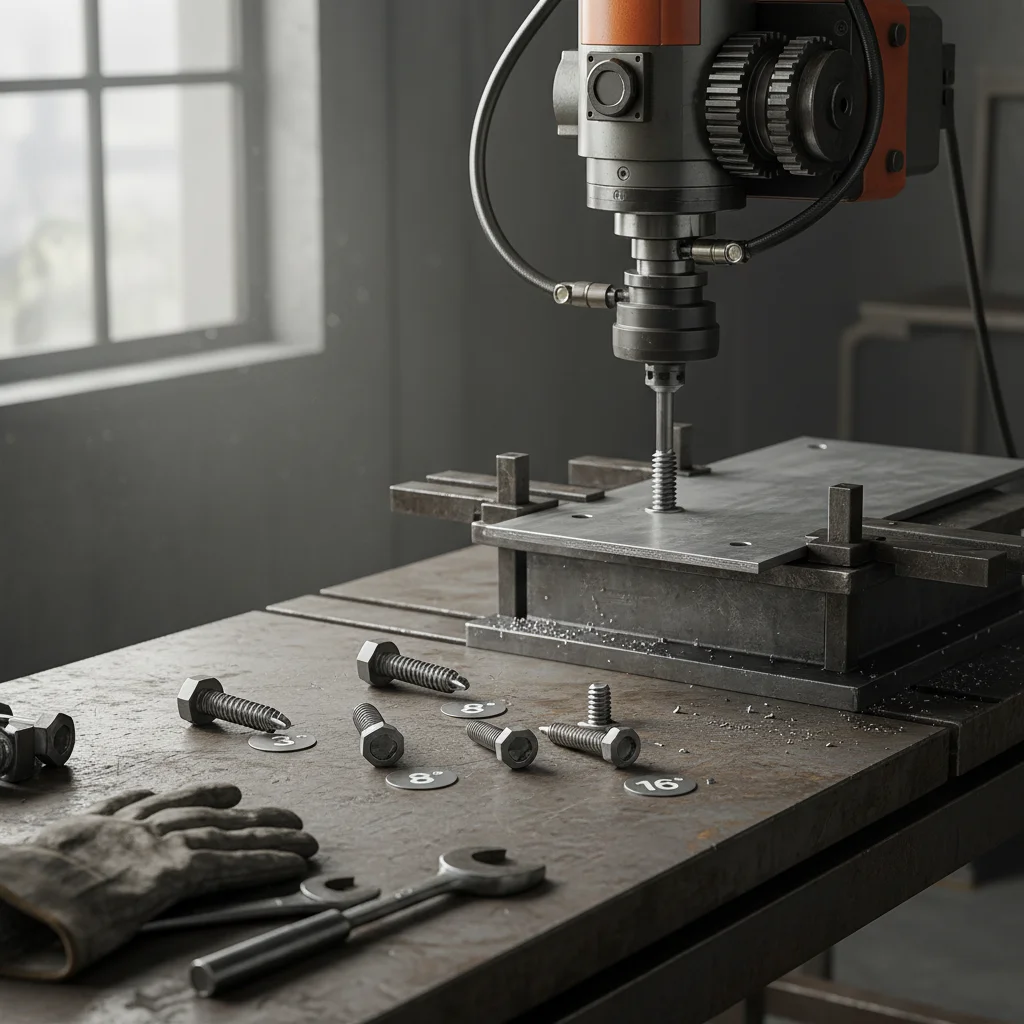
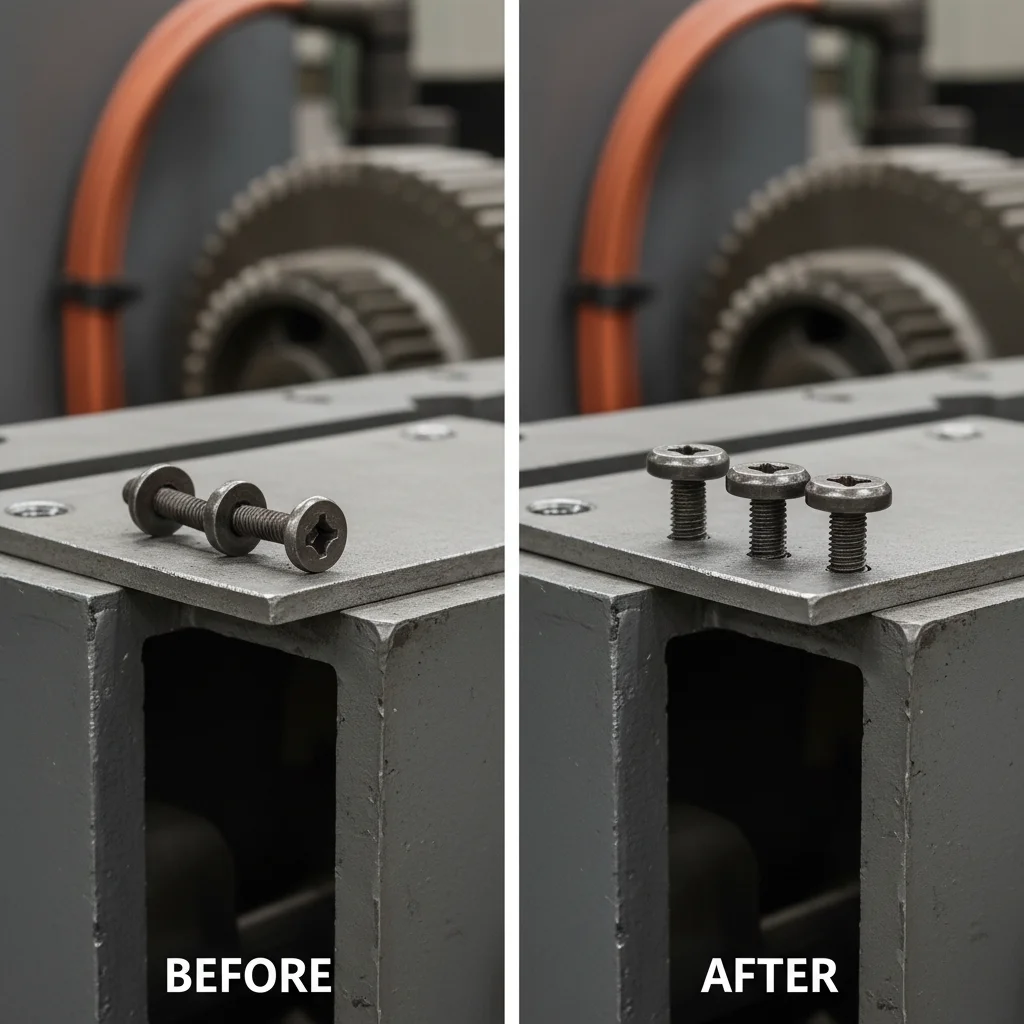
Imagine a screw that can drive itself through one piece of metal and lock into another below — all without pre-drilling a hole. That’s the basic idea behind self piercing metal screws (SPMS). Unlike traditional screws or rivets, these fasteners have a specially designed tip and thread, so they literally "pierce" through the metal surface, joining materials tightly together.
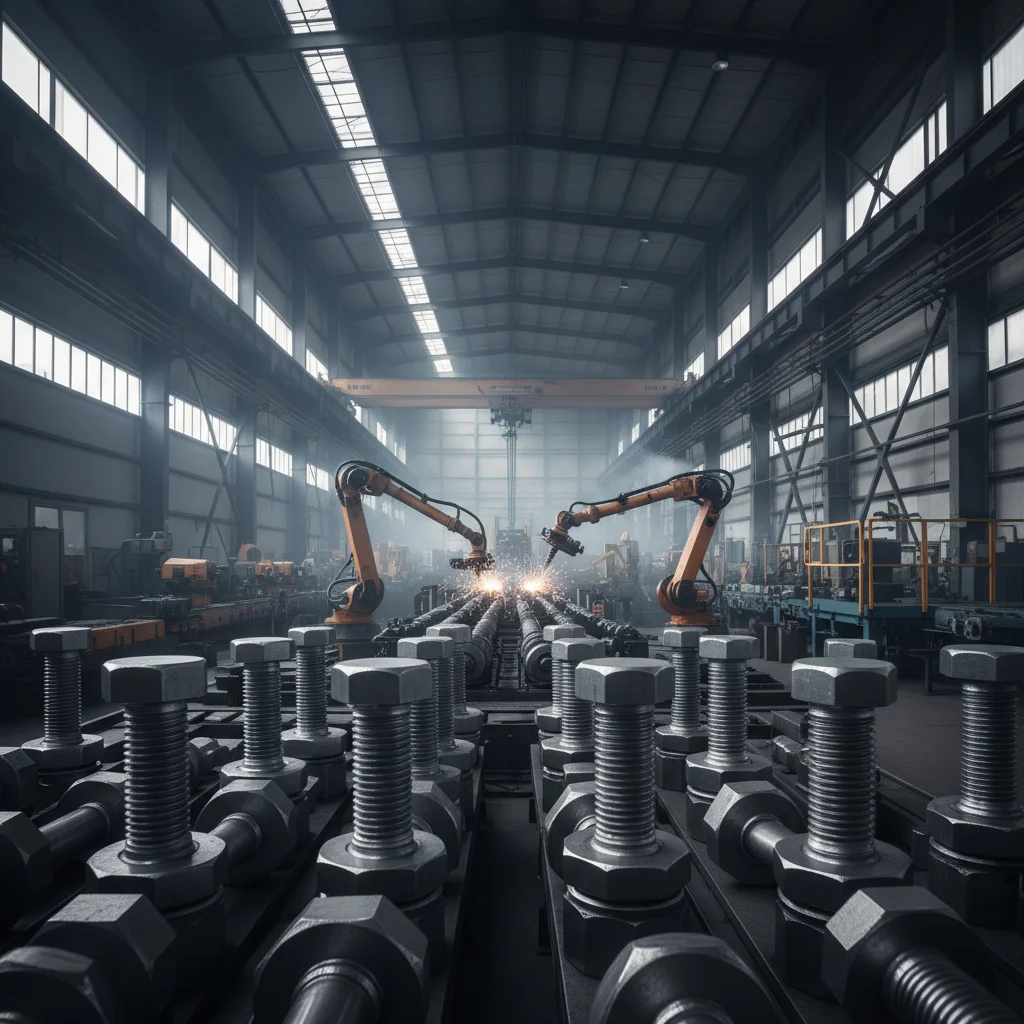
The simplicity is deceptive — it’s this clever functionality that allows manufacturers to speed up processes and reduce tooling costs. You’ll find these screws everywhere: car door panels, electrical cabinets, even lightweight bridges. Essentially, wherever two metal surfaces must be flawlessly joined, SPMS can do the job.
Most SPMS are made from high-strength, corrosion-resistant alloys—think tempered steel with specialized coatings like zinc or epoxy. This means the screws last as long as the structures they join, without rusting or breaking under stress.
The thread profile and point shape make or break the screw’s performance (literally). Advanced design ensures the screw cuts literally and effectively through metal sheets, minimizing deformation or cracks." Engineers often tweak these tiny details based on the application — for instance, automotive fasteners have slightly different specs than those used in outdoor construction.
While these screws might cost a bit more than traditional fasteners upfront, the savings come down the line. Fewer steps in assembly, less labor, and reduced material waste add up — and in large volume manufacturing, this really translates to big profits.
SPMS can join metals of varying thicknesses and types. This flexibility lets manufacturers use the same fastener in multiple parts of a product or across product lines, simplifying supply chains.
By eliminating pre-drilling and reducing scrap, SPMS lower energy consumption and raw material usage during production. That fits well with the global push toward greener manufacturing methods, a point ISO and UN environmental programs keep highlighting.
| Specification | Details |
|---|---|
| Material | Tempered Steel with Zinc Coating |
| Length Range | 10 to 40 mm |
| Thread Type | Sharp, Asymmetric Thread |
| Drive Type | Torx or Phillips |
| Compatible Material Thickness | 0.5 to 3.5 mm |
| Torque Range | 2 to 5 Nm |
Mini takeaway: The perfect SPMS balances toughness, precision design, and optimized dimensions to deliver reliable performance in diverse metal-joining tasks.
The self piercing metal screw finds home in many sectors worldwide:
One fascinating story comes from a Canadian factory that switched entirely to SPMS on their HVAC unit production line — they noted a 25% cut in labor hours and significant waste reduction.
| Vendor | Product Range | Typical Industries | Lead Time | Pricing (Bulk) |
|---|---|---|---|---|
| TornFast Industries | Standard & Custom Screws | Automotive, Construction | 2–3 Weeks | $$ |
| MetaPierce Solutions | High-Strength & Corrosion-Resistant | Heavy Machinery, Electronics | 1–2 Weeks | $$$ |
| FastFix Global | Bulk Standard Self Piercing Screws | Consumer Appliances, Relief Kits | 1 Week | $ |
Mini takeaway: Choosing the right supplier depends on project speed, industry requirements, and budget — and luckily, there’s a vendor for nearly every need.
Beyond the technical specs, what really makes self piercing metal screws shine? I’d say it comes down to:
In real terms, this means manufacturers can promise better products while feeling good about environmental impacts. The trust customers place in these joint systems, when paired with proper quality assurance, creates a virtuous circle of innovation and reliability.
What’s next for self piercing metal screws? A couple of trends are worth watching:
All these trends align well with Industry 4.0 and green manufacturing mandates, signaling a future where these screws are not just fasteners but smart components of complex systems.
However, it’s not all smooth sailing. Some common issues companies face include:
Experts often recommend rigorous testing under specific material conditions and enhanced worker training. Plus, modular assembly techniques that group screw installation with other steps can reduce error risks. In terms of costs, leasing or consignment stock programs can ease financial hurdles for smaller businesses.
A1: Generally yes. SPMS require no pre-drilling, so they speed up the assembly line and produce stronger joints under vibration. Many car manufacturers have switched for faster production and better corrosion resistance.
A2: They typically work on metals ranging from 0.5 mm to 3.5 mm thick, including steel and aluminum. Beyond these ranges, special screw designs or alternative fastening methods might be needed.
A3: Not usually. Removing an SPMS often damages the material or screw, so replacements are recommended for maintaining joint integrity.
A4: Factors include metal types/thickness, environmental exposure, and load requirements. Consulting with suppliers or engineers ensures proper selection suited to your application.
A5: They help reduce waste and energy through eliminating pre-drilling and downsizing components. However, their full eco impact depends on coating materials and recycling practices.
Self piercing metal screws might seem like humble fasteners, but their global impact is anything but small. They increase manufacturing speed, cut costs, and create durable joints that last. From auto giants to aid agencies, these screws underpin countless innovations and solutions. If you work in metal joining or manufacturing, it’s time to get familiar with what they bring to the table.
To dive deeper and explore high-quality options, visit our site: self piercing metal screws.
JOIN OUR NEWSLETTER


If you are interested in our products, you can choose to leave your information here, and we will be in touch with you shortly.