
Hit enter to search or ESC to close
Nov 27, 2025


If you’ve ever wondered how metal construction assemblies can be more efficient, or why some modern structures seem to pop up quicker yet stronger than before, the self drilling screw forming machine might just be your answer. It’s a niche piece of equipment, but with far-reaching implications, especially across industries focused on quick assembly, cost savings, and durable fastening. Globally, these machines are quietly enabling a future where manufacturing meets the demands of speed and precision.
With the surge in infrastructure projects worldwide — from urban skyscrapers in Asia to emergency housing in Africa — the efficiency of fastening methods is more important than ever. According to the ISO, about 60% of industrial fasteners currently incorporate self-drilling or self-tapping screws in some form. These screws reduce assembly times, minimize labor costs, and offer superior structural stability. Yet, the challenge lies in producing them at scale with consistent quality. A self drilling screw forming machine directly responds to that need by automating and accelerating production — critical in both booming industrial nations and post-disaster zones.
Oddly enough, even as digital transformation spreads across manufacturing, the screws themselves often get overlooked. But they’re the silent heroes in everything from solar panel mounting frames to containerized modular housing.
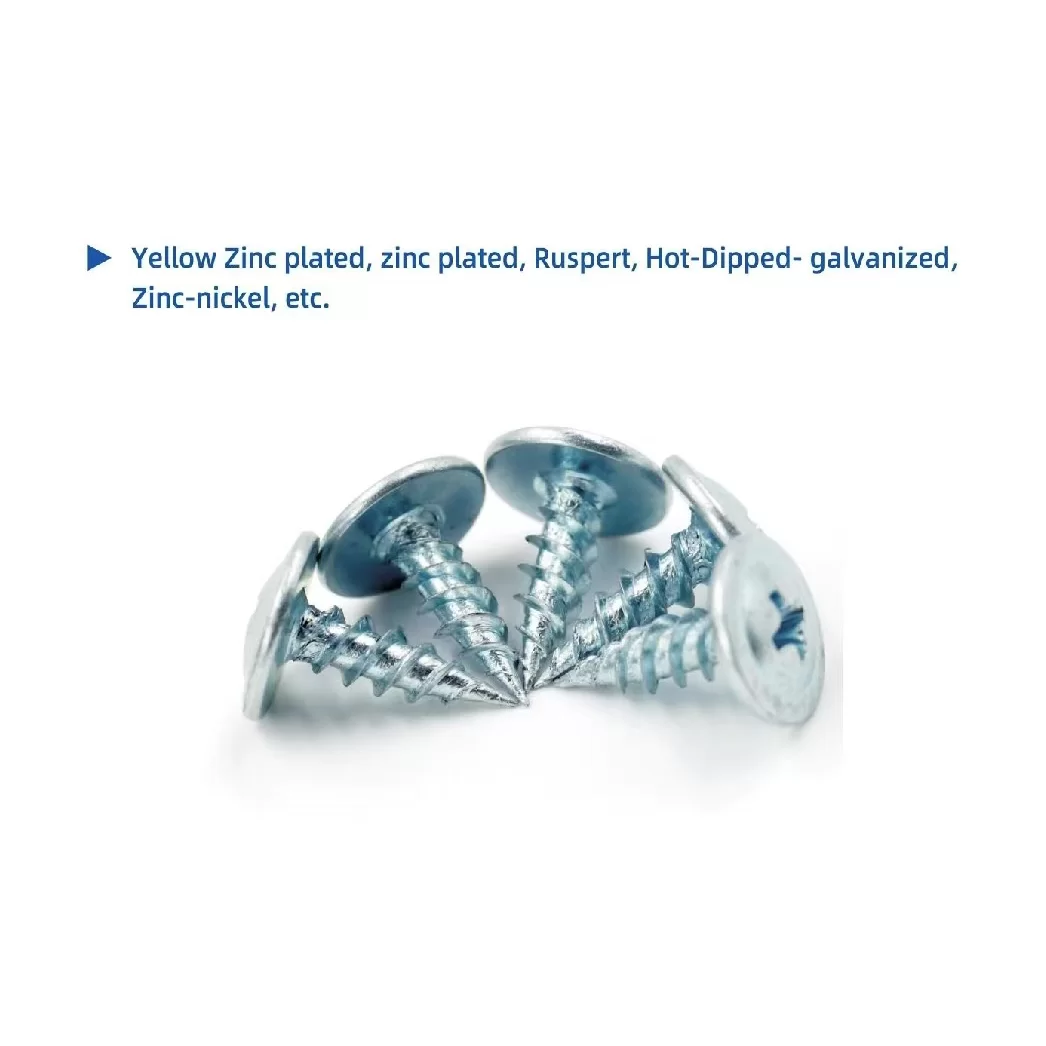
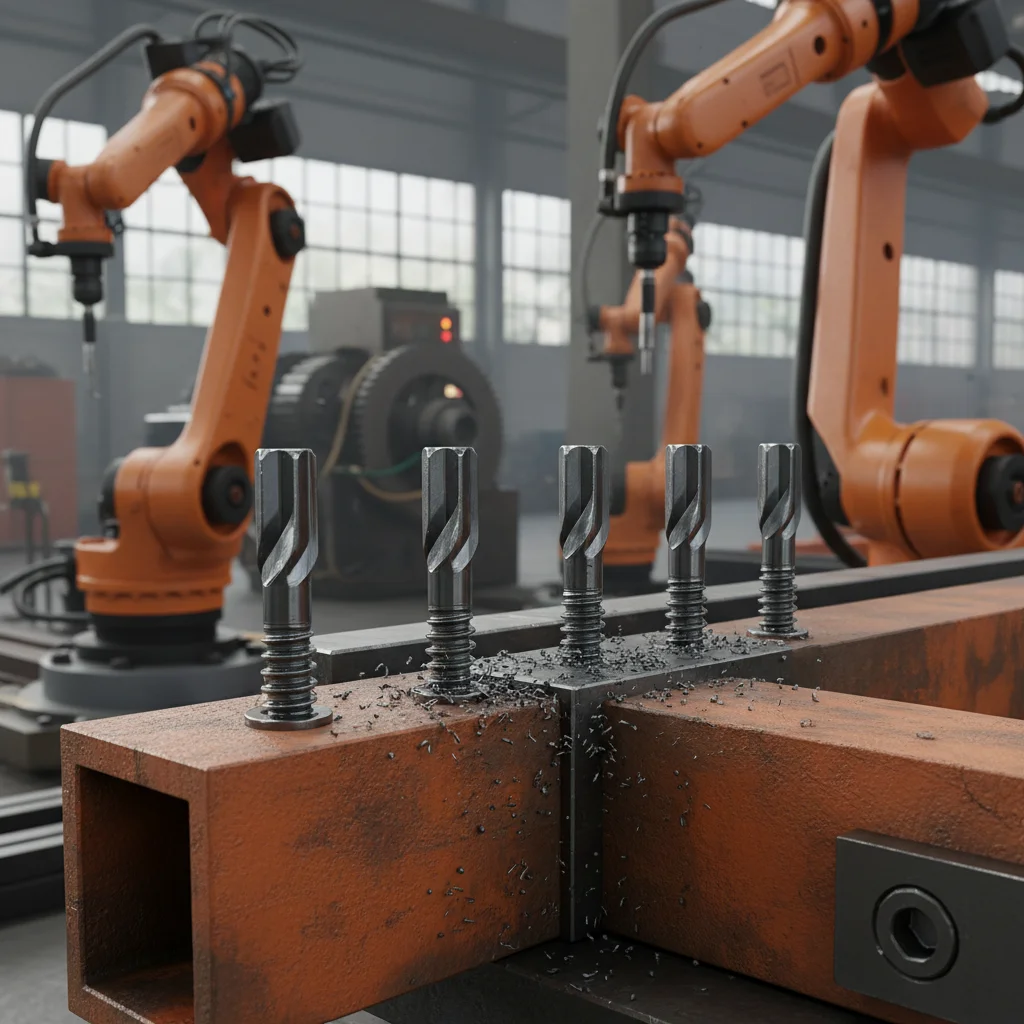
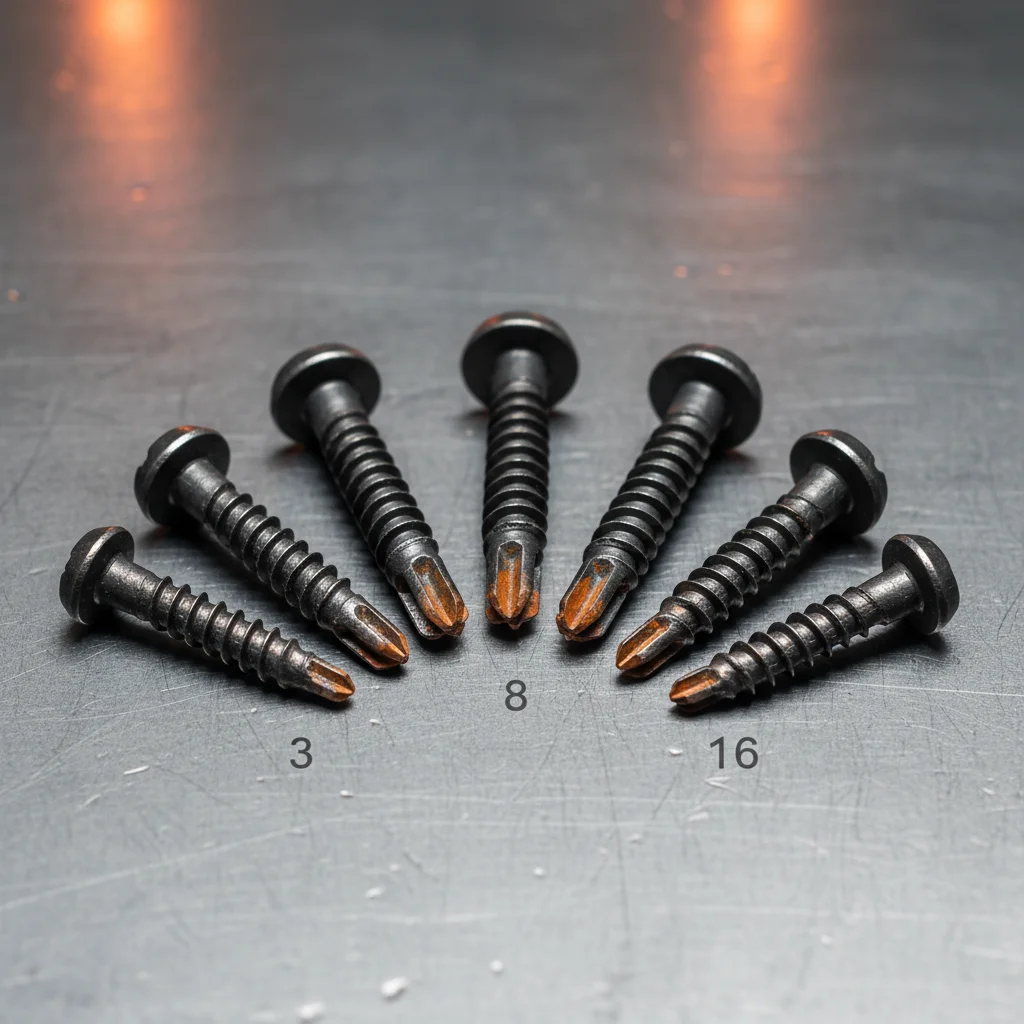
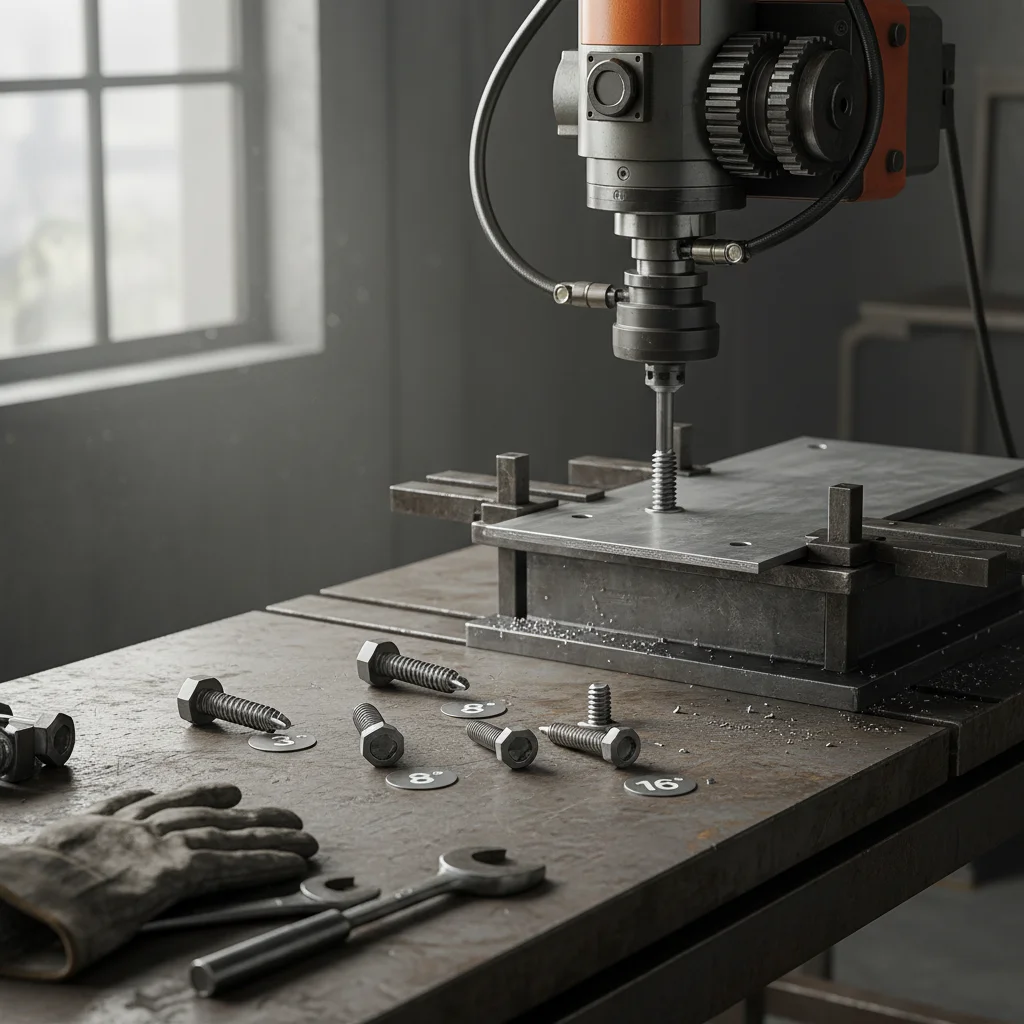
Put simply: it’s a highly specialized automated machine that manufactures self drilling screws by forming, threading, and cutting metal wire coil into screws that can, as the name suggests, drill their own hole into materials during installation. No pre-drilling is needed.
This technology is tightly linked to the modern needs of speed and reliability. For example, think about rapid assembly in construction or manufacturing electronic enclosures. The machine ensures screws with consistent dimensions, materials, and threading are mass-produced without human error — a critical edge in today's fast-moving markets.
Since these machines chug through thousands of screws daily, build quality can’t be an afterthought. High-end models use hardened steel components to withstand wear and maintain dimensional accuracy, which directly affects screw performance.
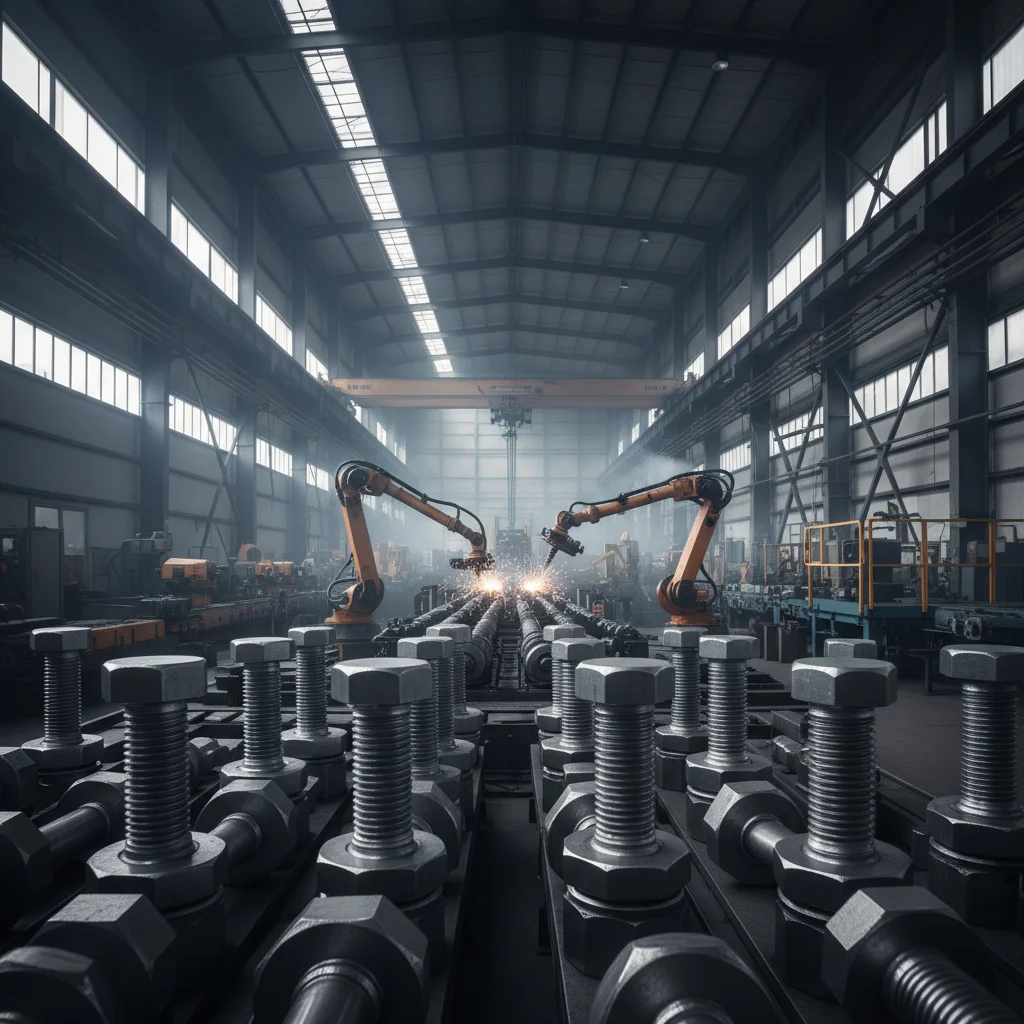
Production runs can range from a few thousand screws per day for small manufacturers to hundreds of thousands for industrial giants. Scalability depends on how many forming stations and cutters the machine accommodates and its automation level.
Automated forming reduces labor costs and errors but comes with upfront investment. However, machines that support quick die changes and minimal maintenance tend to reduce downtime — making a big difference in total cost of ownership.
The ability to produce a variety of screw sizes and types on one platform is a plus for many manufacturers who supply different markets — from automotive to infrastructure sectors.
Modern units feature PLC controls with digital displays, allowing easy parameter settings, fault detection, and even remote monitoring—important for maintaining quality in large-scale operations.
Mini takeaway: The ideal self drilling screw forming machine balances sturdy construction with flexible, user-friendly automation to meet diverse production demands.
Here’s where the topic becomes concrete: how and where are these machines actually shaping industries?
Mini takeaway: These machines indirectly power critical sectors worldwide, especially where speed and reliability converge.
Cost savings are obvious, but the story goes deeper:
Emotionally, it’s reassuring to know these machines can help build shelters that protect families, or infrastructure that supports communities. It’s tech serving a human purpose, quietly and effectively.
The pace of innovation continues. A few trends worth watching:
The main hurdles include the high upfront costs and technical complexity. Some smaller firms hesitate to invest until ROI is proven. Additionally, maintaining tight tolerances on various screw sizes can be tricky.
Innovative financing models, modular machines that scale up with businesses, and multi-brand technical support networks are some solutions gaining attention. Plus, vendors increasingly offer training services — vital because well-trained operators reduce errors hugely.
| Feature | Typical Specification | Benefit |
|---|---|---|
| Wire Diameter | 1.5 mm – 6 mm | Supports broad screw sizes |
| Production Rate | 60-80 screws/min | High throughput for mass production |
| Machine Power | 5-15 kW | Energy efficient operations |
| Control System | PLC with touchscreen | User-friendly interface |
| Automation Level | Semi to Fully Automated | Flexibility in operation setup |
| Vendor | Price Range (USD) | Customization Options | After-Sales Support | Delivery Time |
|---|---|---|---|---|
| Lianshiwjnail Co. | $45,000 – $120,000 | High (multiple screw types) | 24/7 Tech & Training | 6-8 weeks |
| Global Fastener Machines | $50,000 – $110,000 | Medium | Business Hours Only | 8-10 weeks |
| TechSpin Industries | $40,000 – $90,000 | Low | Online Support Only | 4-6 weeks |
In an industry where speed, precision, and reliability dictate success, the self drilling screw forming machine stands out as a powerful enabler. It not only saves costs and improves output but also supports global efforts in sustainable construction and industrial production. With innovations on the horizon and a clear role in humanitarian applications, it’s a technology worth paying attention to.
Looking to upgrade your manufacturing line or start producing self drilling screws? Visit our website at https://www.lianshiwjnail.com to explore the latest models, get expert advice, and see how this tool can transform your production.
JOIN OUR NEWSLETTER


If you are interested in our products, you can choose to leave your information here, and we will be in touch with you shortly.