
Hit enter to search or ESC to close
Nov 12, 2025


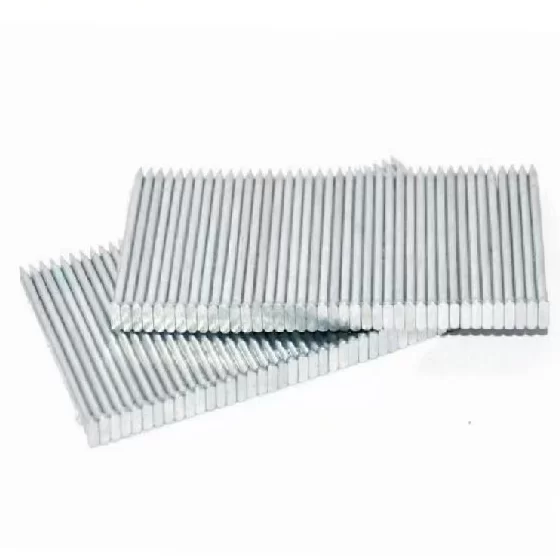
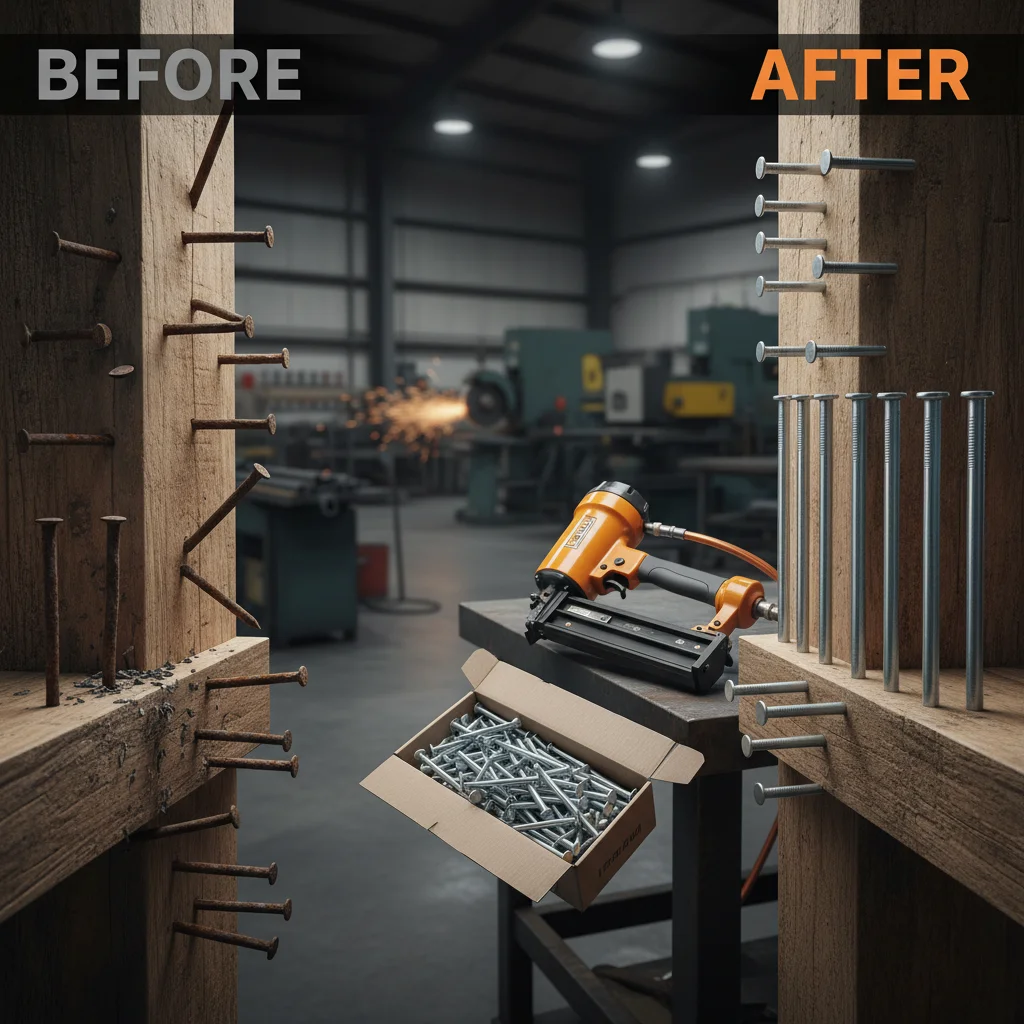
Having worked around various types of industrial fasteners for years, I’ve come to appreciate the simple brilliance behind the humble 2 fluted masonry nails. They’re not flashy, but their design really speaks to the demands of hard, unforgiving materials like concrete and brick. Oddly enough, in a world racing toward chemical adhesives and power-driven anchors, these nails hang in there — literally.
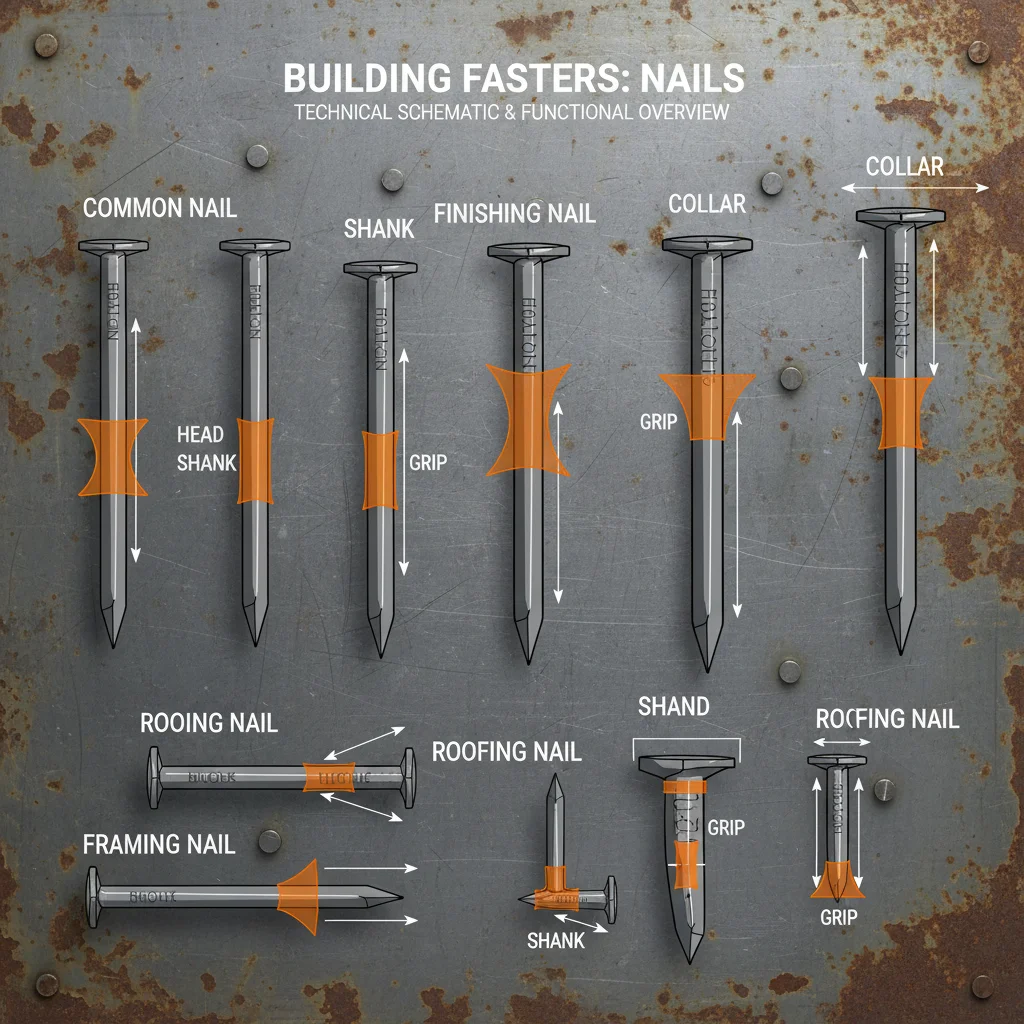
Two steel “flutes” (those small grooves running up the nail’s shank) may sound like a trivial detail, but they serve a crucial purpose: increasing grip and preventing the nail from spinning or loosening once driven in. I remember a job site years ago where our team switched from smooth-shank nails to these fluted variants. The difference in holding power was immediately noticeable, especially in masonry walls subject to vibration or settling.
First, the steel used tends to be hardened and often galvanized or otherwise coated to resist rust. This isn’t just a bonus — it’s a must. When you’re embedding nails into concrete or stone, water ingress and weather exposure can quickly corrode fasteners, risking structural issues down the line.
Second, the shape and length range available make these nails versatile. For example, shorter nails for lighter attachments, longer ones that roughly measure 2 to 3.5 inches, suited well for heavy-duty framing in masonry. The 2 flutes cut a tiny path inside the hole, basically biting into the material for a tenacious hold.
Many engineers I know recommend these nails for quick installation jobs without the mess and wait times of setting chemicals. Plus, they’re often more cost-effective and less prone to mistakes.
| Specification | Detail |
|---|---|
| Material | High-carbon steel, galvanized or stainless finish |
| Length | 50mm to 90mm (approx. 2” to 3.5”) |
| Diameter | 3.75 mm to 4.5 mm (11–14 gauge) |
| Head type | Flat, to provide surface stability |
| Surface | Smooth shank with 2 longitudinal flutes |
| Packaging | Box sizes vary, commonly 500 to 1000 pieces |
In my experience, not all masonry nails are created equal — from steel quality, coatings, to the precision of those grooves. Here’s how a few reliable suppliers stack up, including one I keep turning back to because of consistent quality and pricing.
| Vendor | Steel Grade | Flute Depth | Coating | Price per 1000 Nails | Notes |
|---|---|---|---|---|---|
| Lianshi Nails | Hardened High Carbon | Moderate, precise grooves | Galvanized & Electroplated | $45 | Consistent quality, well-reviewed |
| BuildFast Supplies | Medium Carbon Steel | Shallow | Zinc Coating | $40 | Affordable but less durable |
| ConcretePro Tools | High Carbon Steel | Deep, aggressive flutes | Powder Coated | $52 | Best for extreme conditions |
When you choose these nails, remember it’s a small investment with big returns in structural integrity and ease of installation. I recall a project—granted, a few years back—where switching to 2 fluted nails saved a lot of time. Fewer nails backed out, and rework was minimal. It felt like a minor detail that made a major difference.
The thing about fasteners in the masonry industry is that they quietly fight an uphill battle against nature, time, and heavy loads. Choosing the right nail, like a quality 2 flute model, helps your work stand up longer and withstand the elements — which is sort of the whole point.
So next time you’re sourcing nails for concrete or brickwork, don’t overlook these little grippers. They’ve got decades of quiet endurance behind them.
— Your industrial fastener friend, who’s always got a nail story or two up his sleeve.
JOIN OUR NEWSLETTER


If you are interested in our products, you can choose to leave your information here, and we will be in touch with you shortly.