
Hit enter to search or ESC to close
Feb 26, 2026


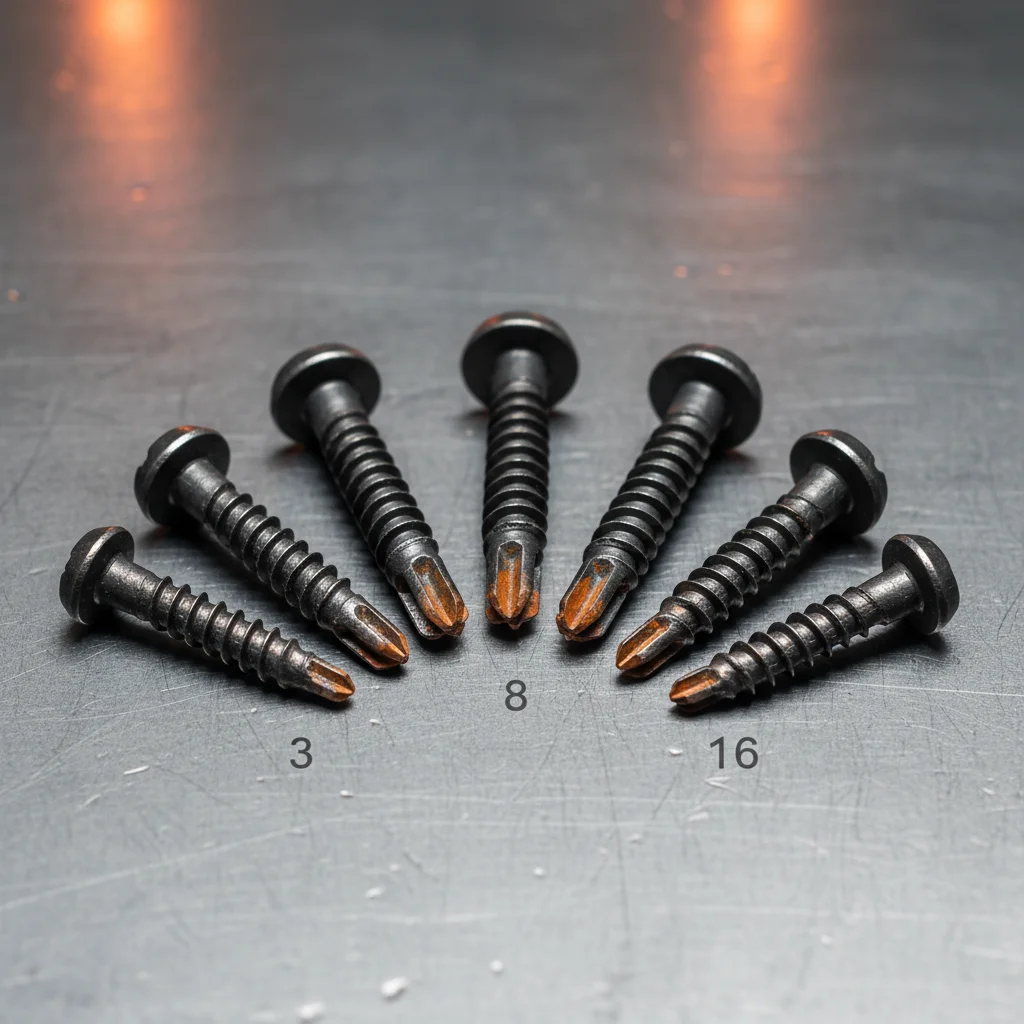
10x1 self tapping screws are versatile fasteners widely used in various industries, from construction and automotive to electronics and DIY projects. These screws create their own threads as they are driven into the material, eliminating the need for pre-tapped holes. This guide provides a comprehensive overview of 10x1 self tapping screws, covering their features, applications, materials, installation, and where to purchase high-quality screws. Understanding these fasteners is key to selecting the right ones for your specific needs and ensuring secure and reliable connections.
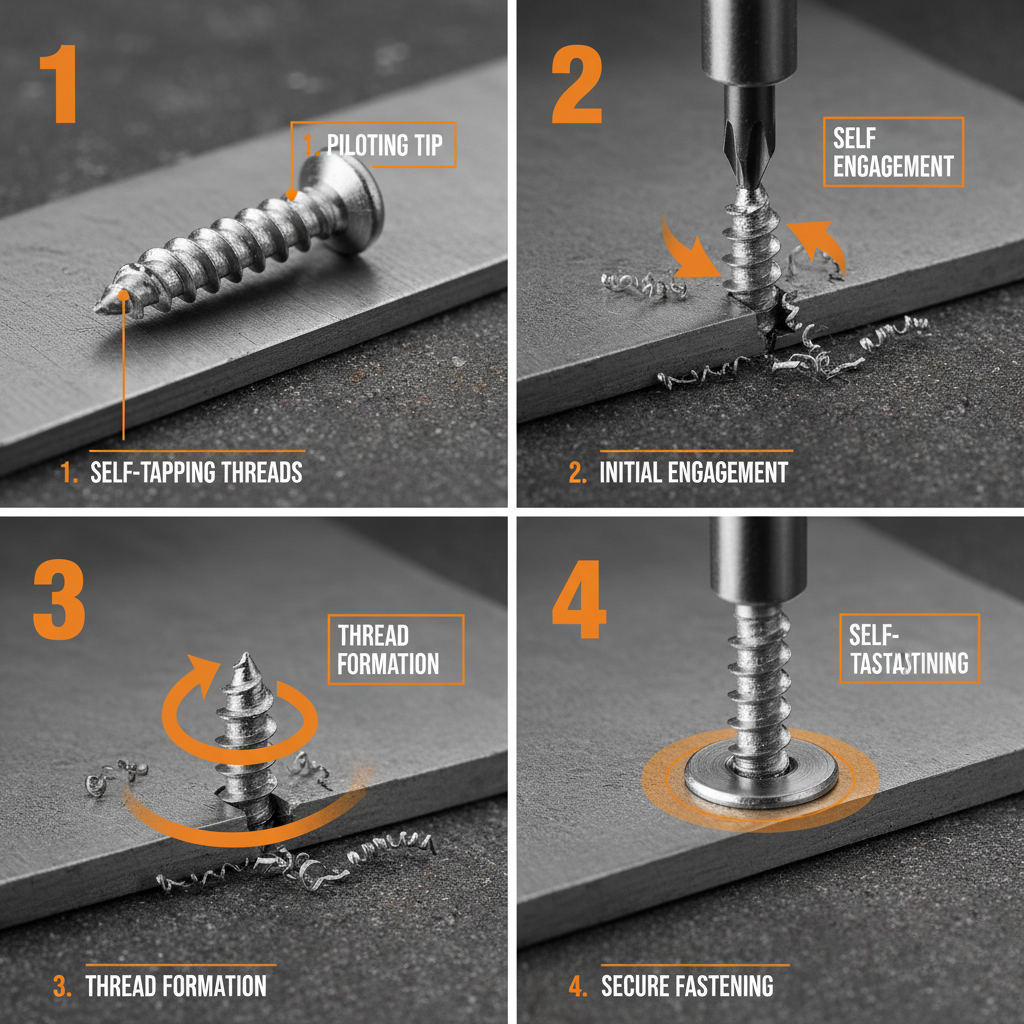
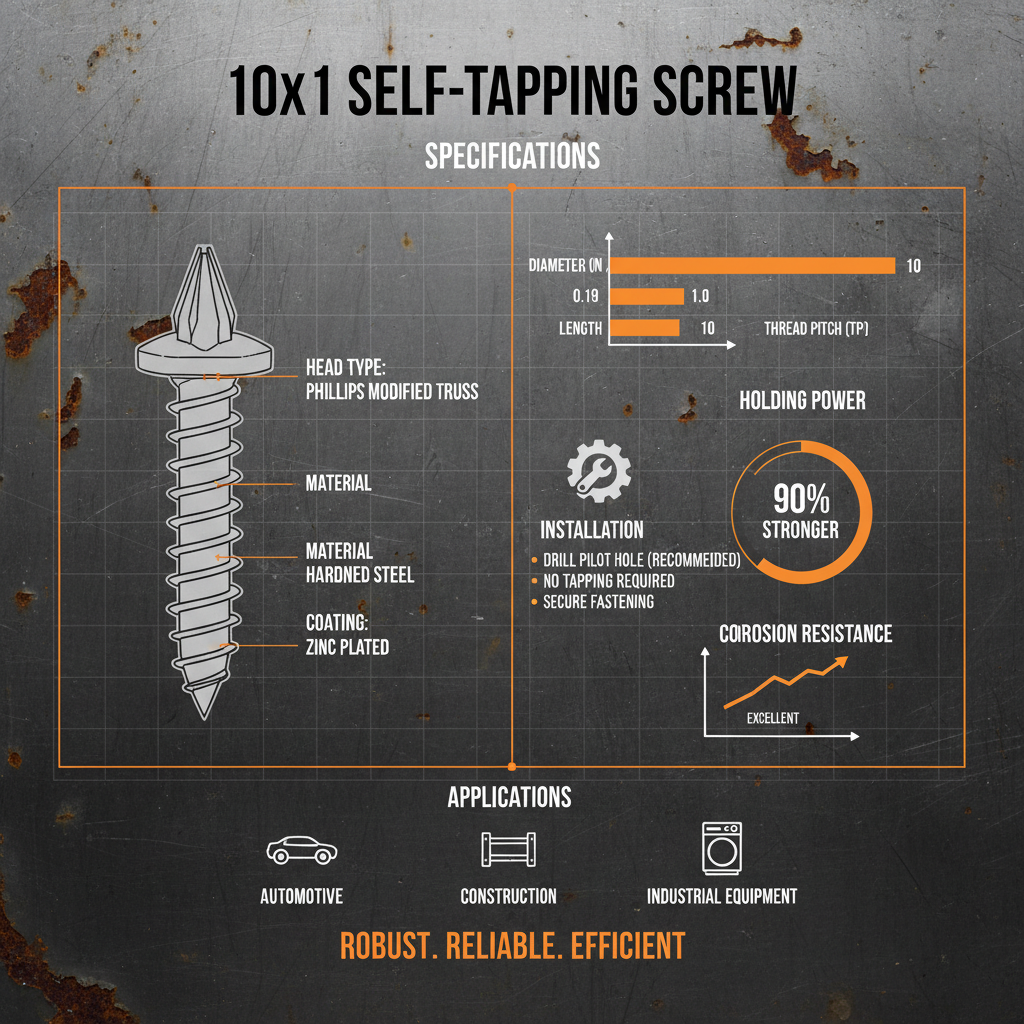
A 10x1 self-tapping screw signifies its dimensions. "10" refers to the screw's major diameter in millimeters, while "1" denotes the thread pitch – the distance between each thread. A finer thread pitch (smaller number) is generally better for harder materials, while a coarser pitch (larger number) is suited for softer materials. These screws eliminate the need for pre-drilled holes and tapping, saving time and labor. They are available in various head types, including flat, pan, round, and oval, catering to diverse application requirements. They are generally made from carbon steel, stainless steel and other material.
Key Highlights: Eliminates the need for pre-drilled holes, saves time and labor, available in various head types and materials, and is ideal for diverse applications.
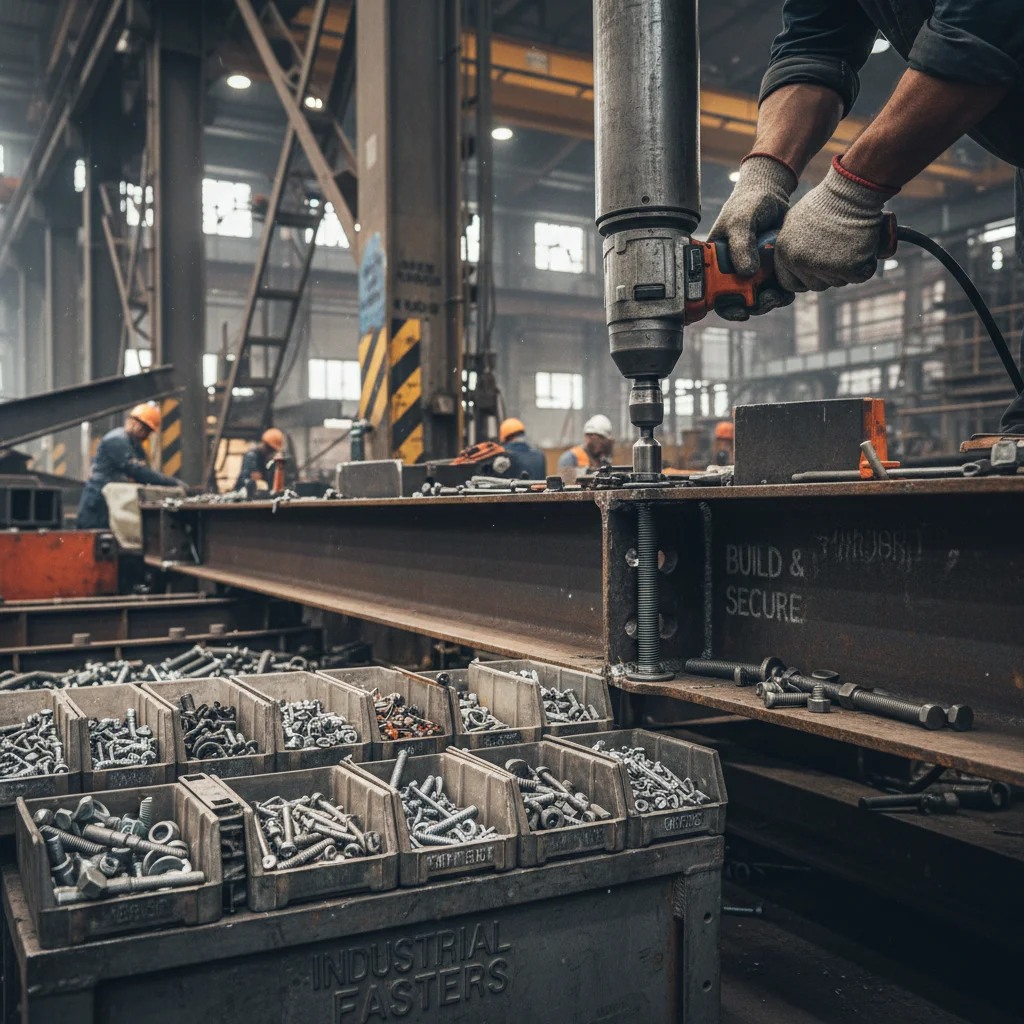
The versatility of 10x1 self tapping screws makes them suitable for a broad spectrum of applications. In the construction industry, they are used for attaching metal components, securing drywall to studs, and assembling roofing systems. The automotive sector relies on them for mounting interior trim, fastening body panels, and installing electrical components. Electronics manufacturers utilize them to assemble housings and secure circuit boards. DIY enthusiasts find them invaluable for home repairs, furniture assembly, and countless other projects. Essentially, any application requiring a secure fastening solution in metal, plastic, or wood can benefit from these screws.
Application Benefits:
• Secures metal components without pre-drilling.
• Ideal for assembling roofing systems.
• Versatile for automotive, electronics, and DIY projects.
• Provides a fast and efficient fastening solution.
The material of a 10x1 self-tapping screw significantly impacts its performance and suitability for specific environments. Carbon steel is a common and cost-effective option, offering high strength and durability. However, it's susceptible to corrosion. Stainless steel provides excellent corrosion resistance, making it ideal for outdoor or damp environments. Other materials include alloy steel, which offers increased strength and hardness, and brass, which provides good electrical conductivity. Selecting the appropriate material depends on the application's specific requirements, considering factors like corrosion resistance, strength, and temperature.
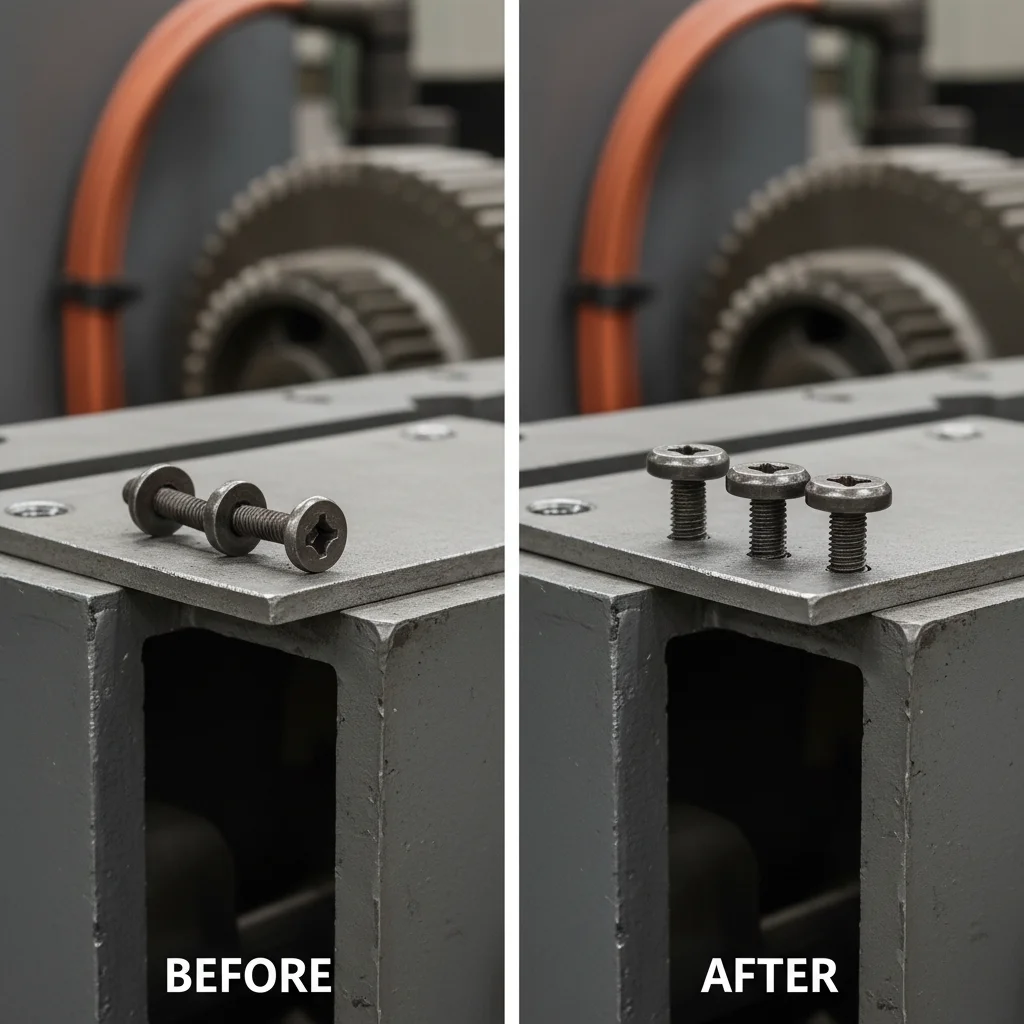
While self-tapping screws eliminate the need for pre-tapping, proper installation is crucial for achieving a secure and lasting connection. Ensure the screw is perpendicular to the surface being fastened. Use the correct driver bit to avoid stripping the screw head. Applying consistent pressure during driving is essential. For thicker materials, you may consider using a pilot hole slightly smaller than the screw diameter to ease installation and reduce the risk of breakage. Over-tightening can damage the screw or the material, so avoid excessive force. Lianshi Wujinail provides expert advice on proper screw installation techniques.
Choosing a reputable supplier is critical for ensuring you receive high-quality 10x1 self-tapping screws that meet your requirements. Lianshi Wujinail is a leading manufacturer and supplier of various screws, including 10x1 self-tapping screws. We offer a wide selection of materials, head types, and sizes to cater to diverse applications. Our commitment to quality, competitive pricing, and excellent customer service makes us a trusted partner for businesses and individuals alike. Browse our extensive catalog today and experience the difference!
Investing in high-quality 10x1 self-tapping screws from a reliable supplier like Lianshi Wujinail ensures durable, secure, and reliable connections for your projects. Understanding the different materials, applications, and installation techniques will help you make informed decisions and achieve optimal results. Don't compromise on quality – choose the right screws for the job!
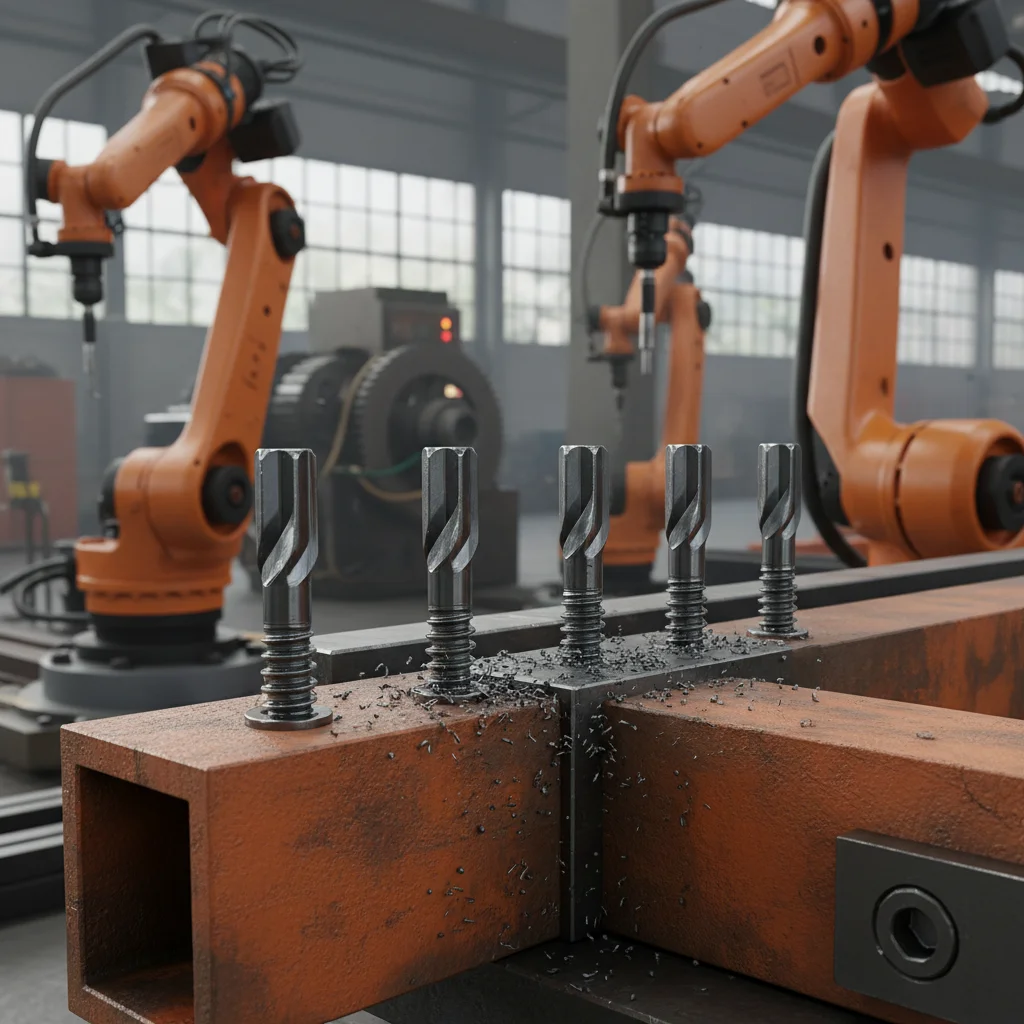
While often used interchangeably, self-tapping and self-drilling screws are distinct. Self-tapping screws require a pre-drilled pilot hole, although smaller than a standard drill hole, to cut threads as they are driven in. Self-drilling screws, on the other hand, have a drill-bit-like point that enables them to drill their own hole and create threads simultaneously. Self-drilling screws are ideal for thicker materials where creating a pilot hole is inconvenient, while self-tapping screws provide a more controlled fastening in thinner materials.
Yes, 10x1 self-tapping screws can be used in plastic, but it's crucial to select a screw specifically designed for plastic. These screws typically have a different thread design and point geometry to effectively bite into the plastic without causing cracking or stripping. Also, avoid over-tightening, as plastic is more susceptible to damage than metal. Using a screw with a coarse thread pitch is generally recommended for softer plastics.
Stripping the screw head can be frustrating. To prevent this, always use the correct driver bit size and type. Ensure the bit is fully seated in the screw head. Apply consistent and firm pressure while driving the screw. Avoid using excessive speed, as this can generate too much heat and damage the screw head. If you encounter resistance, stop and check for obstructions or misalignment. Using a high-quality screw from a reputable supplier like Lianshi Wujinail can also minimize the risk of stripping.
To prevent corrosion, store self-tapping screws in a dry, cool environment. Avoid exposure to moisture, humidity, and extreme temperatures. Consider using a container with a desiccant to absorb any residual moisture. For carbon steel screws, applying a light coating of oil can provide additional protection against rust. Storing screws in their original packaging can also help to maintain their quality.
JOIN OUR NEWSLETTER


If you are interested in our products, you can choose to leave your information here, and we will be in touch with you shortly.