
Hit enter to search or ESC to close
Feb 25, 2026


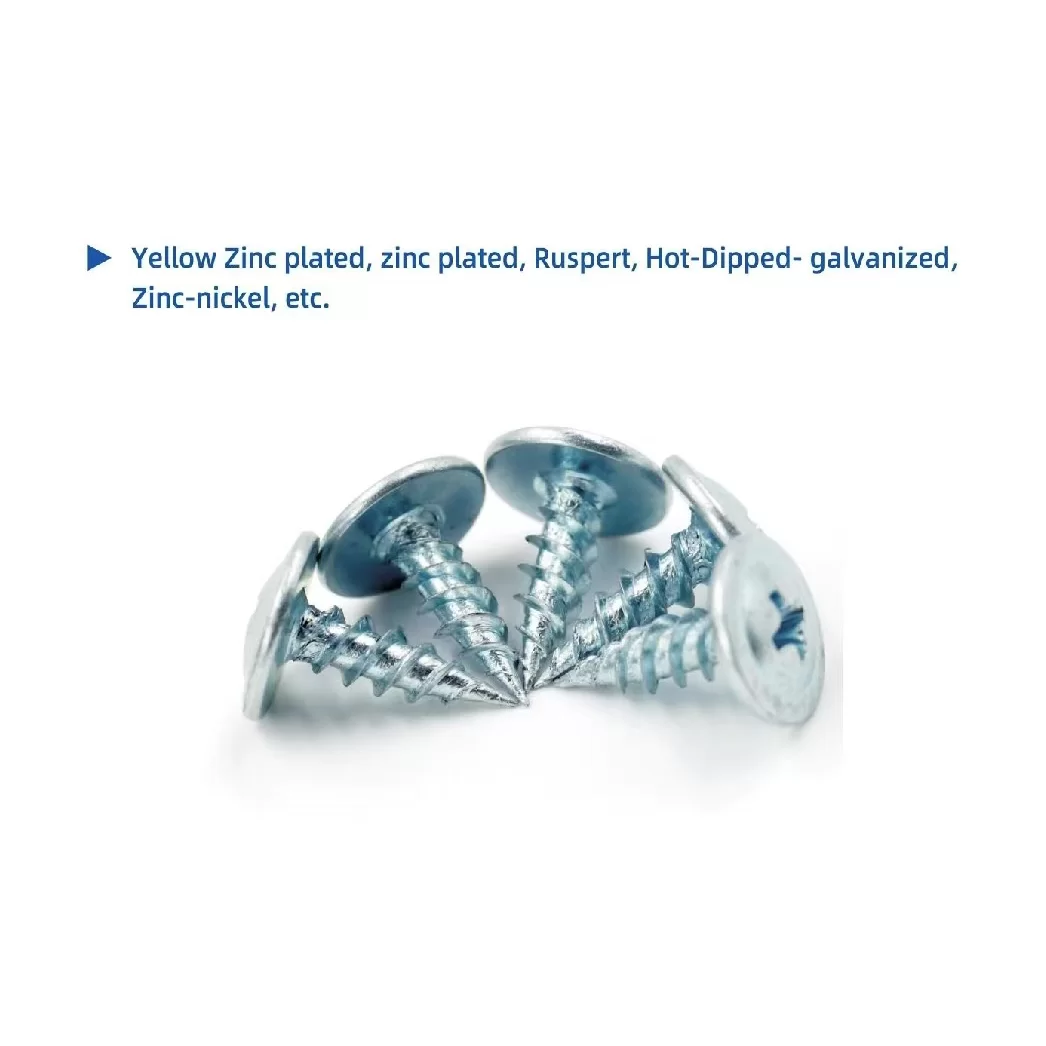
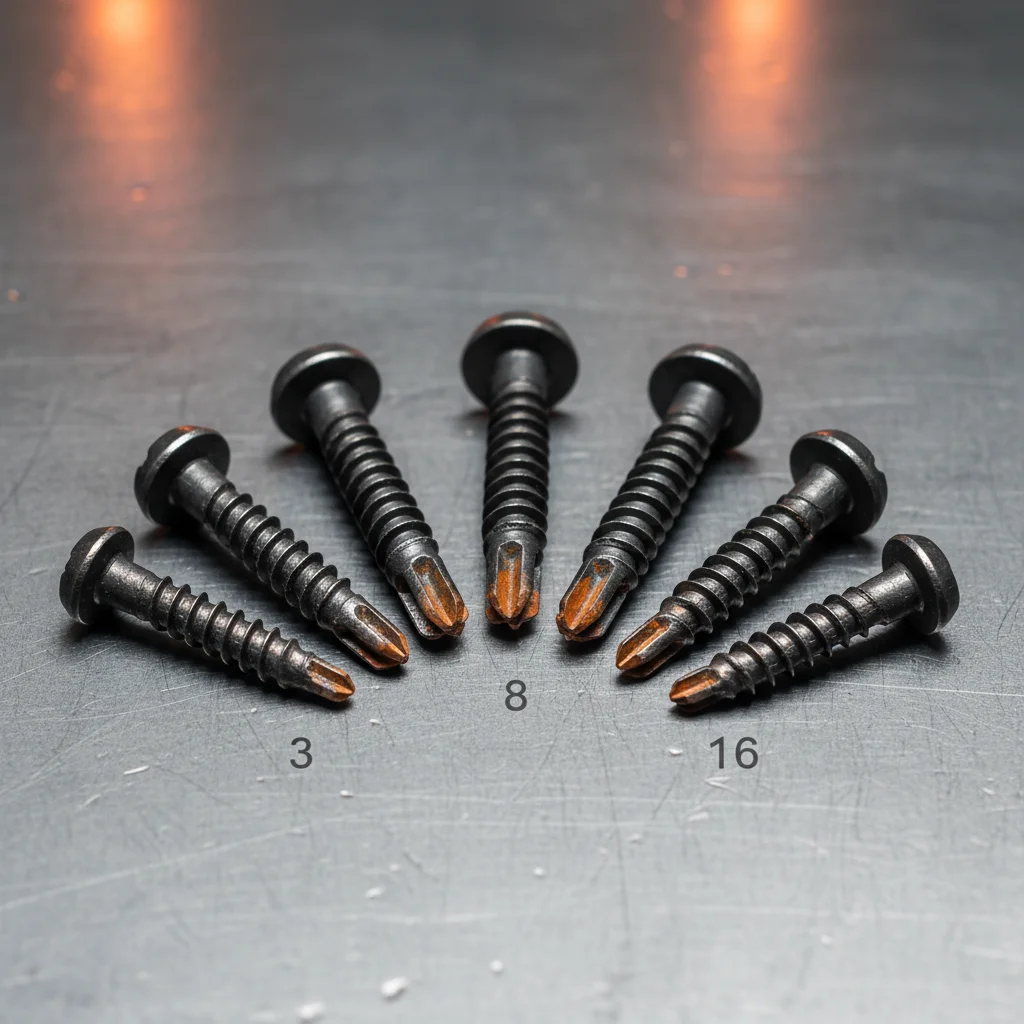
10g self tapping screws are versatile fasteners widely used in various industries, from metalworking and automotive to electronics and construction. These screws are designed to create their own threads as they are driven into materials like sheet metal, plastic, and even some types of wood. Their ability to form threads eliminates the need for pre-tapped holes, saving time and effort. Choosing the right 10g self tapping screw is critical for a secure and lasting connection. Explore our selection of high-quality self tapping screws at Lianshi Wjnail, designed to meet your specific application needs.
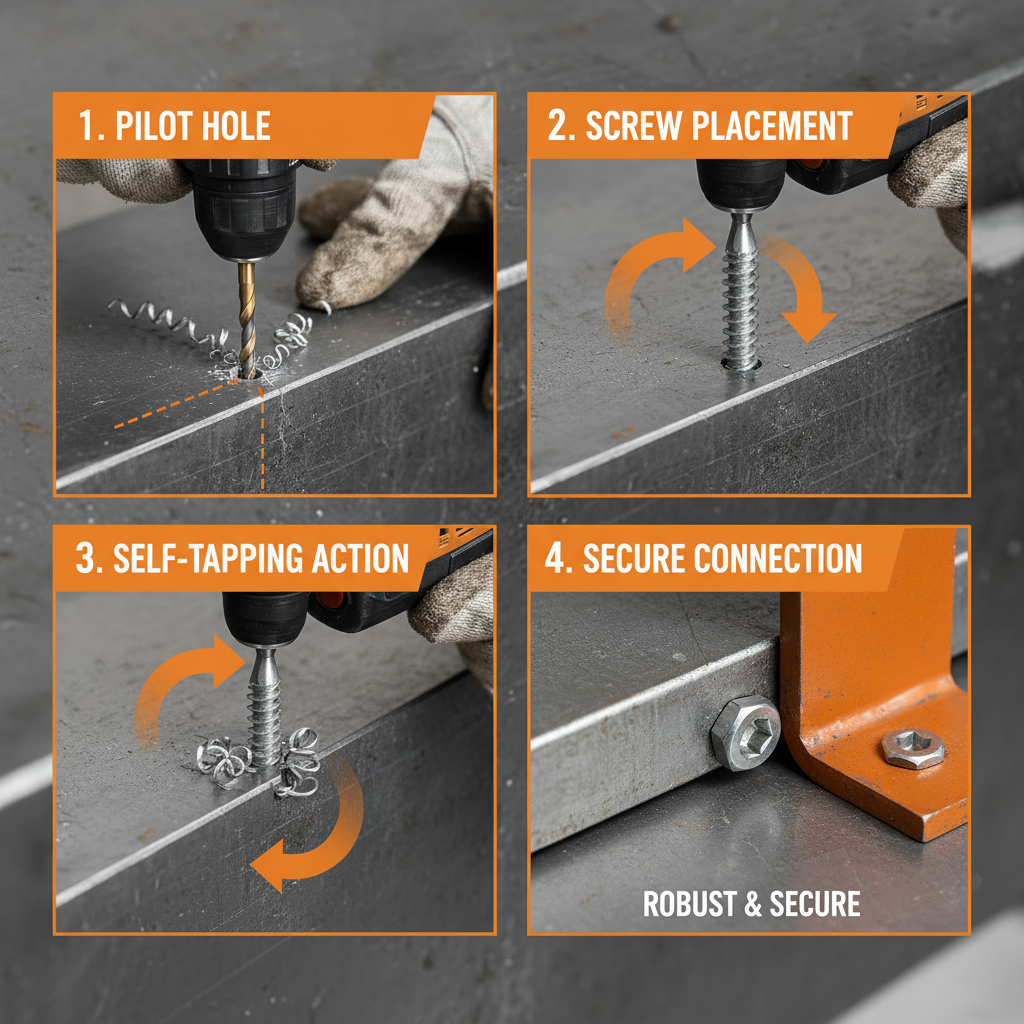
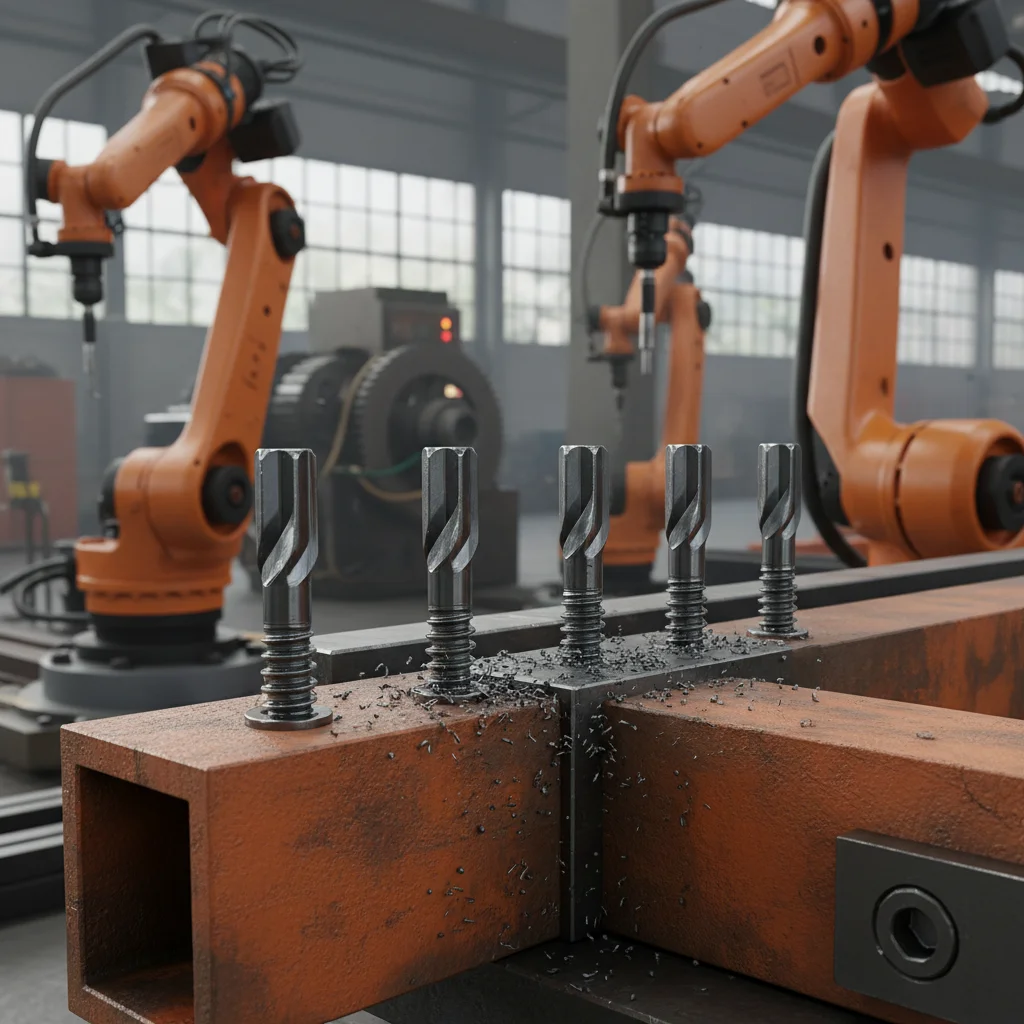
The ‘10g’ designation refers to the screw’s gauge – a standard measure of wire diameter. A 10g screw has a diameter of approximately 2.31mm. ‘Self-tapping’ indicates the screw's ability to create its own threads as it's installed. This functionality is achieved through specially designed flutes or cutting edges on the screw’s shank. These screws are available in various head styles (flat, pan, oval, etc.) and point types (Type A, Type B, etc.) to suit different applications. They offer a significant advantage over traditional screws and bolts, streamlining the assembly process and reducing the number of components required. You can find the exact specification you need at Lianshi Wjnail.
Key Highlights: 10g self tapping screws offer a streamlined fastening solution by eliminating the need for pre-tapped holes, resulting in faster assembly and reduced costs.
10g self-tapping screws aren’t a one-size-fits-all solution. They come in various types, each designed for specific materials and applications. Two of the most common types are Type A and Type B screws. Type A screws are generally used for thinner materials, while Type B screws are better suited for thicker materials. Understanding these differences is crucial for selecting the right screw for your project. Further classifications include screws with different thread patterns – coarse threads for softer materials and fine threads for harder materials. Our range at Lianshi Wjnail encompasses all these variations.
Type A vs. Type B: A Quick Comparison
• Type A: Sharp, pointed tip for fast penetration in thin sheet metal.
• Type B: Blunt tip with cutting flutes, ideal for thicker materials and creating stronger threads.
• Material Compatibility: Type A for thinner gauge metal, Type B for thicker.
• Application: Type A - HVAC ducts, thin panels. Type B - Automotive body panels, machinery.
The material of a 10g self tapping screw significantly impacts its performance and durability. Common materials include carbon steel, stainless steel, and alloy steel. Carbon steel screws are cost-effective and suitable for indoor applications. Stainless steel screws offer excellent corrosion resistance, making them ideal for outdoor or marine environments. Alloy steel screws provide superior strength and hardness. Finishes like zinc plating, black oxide, and ceramic coating further enhance corrosion resistance and aesthetic appeal. Lianshi Wjnail offers screws in a variety of materials and finishes to meet your specific requirements.
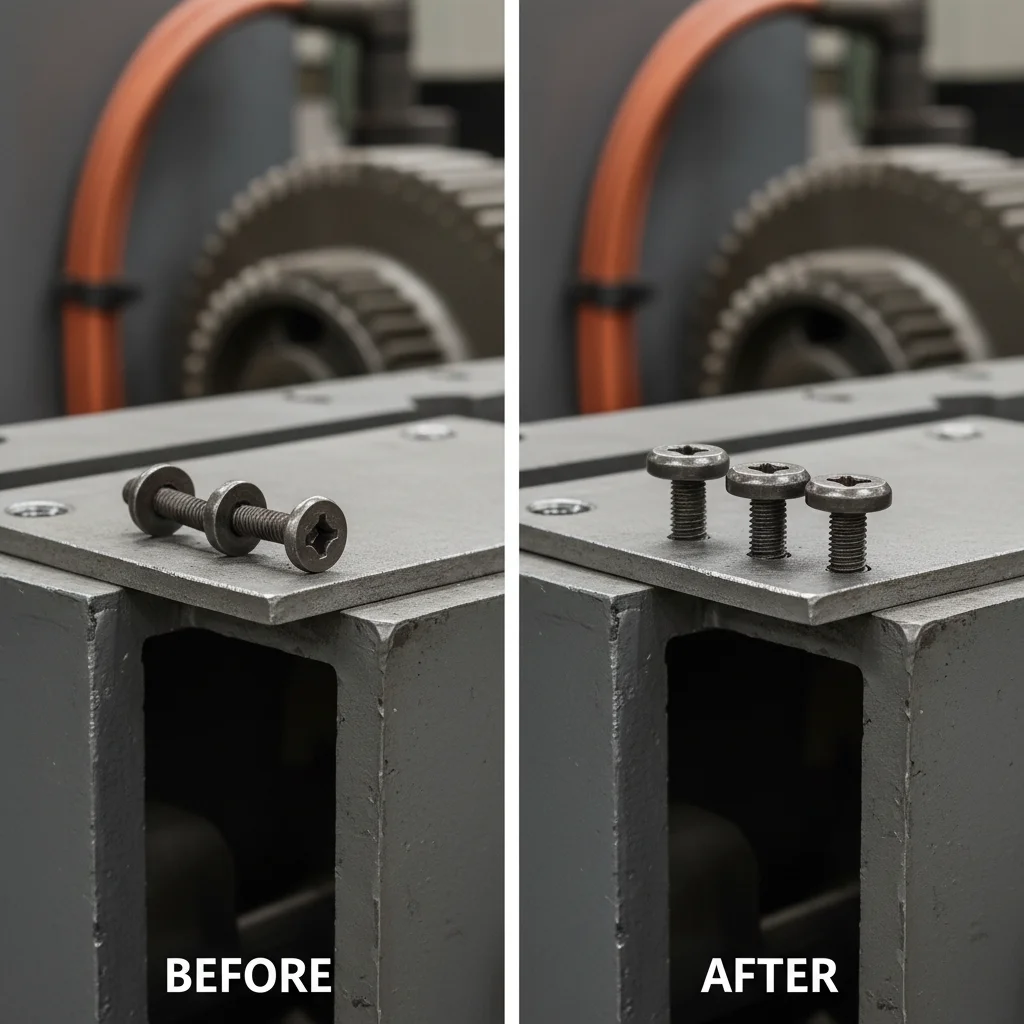
The applications for 10g self-tapping screws are incredibly diverse. They're commonly used in sheet metal fabrication, creating secure connections in ductwork, attaching panels to frames, and assembling electronic components. In the automotive industry, they are used for body panel repairs and securing interior parts. The versatility and ease of use make them a go-to fastener for many professionals and DIY enthusiasts alike. Discover the ideal 10g self-tapping screw for your project by browsing our comprehensive catalog at Lianshi Wjnail.
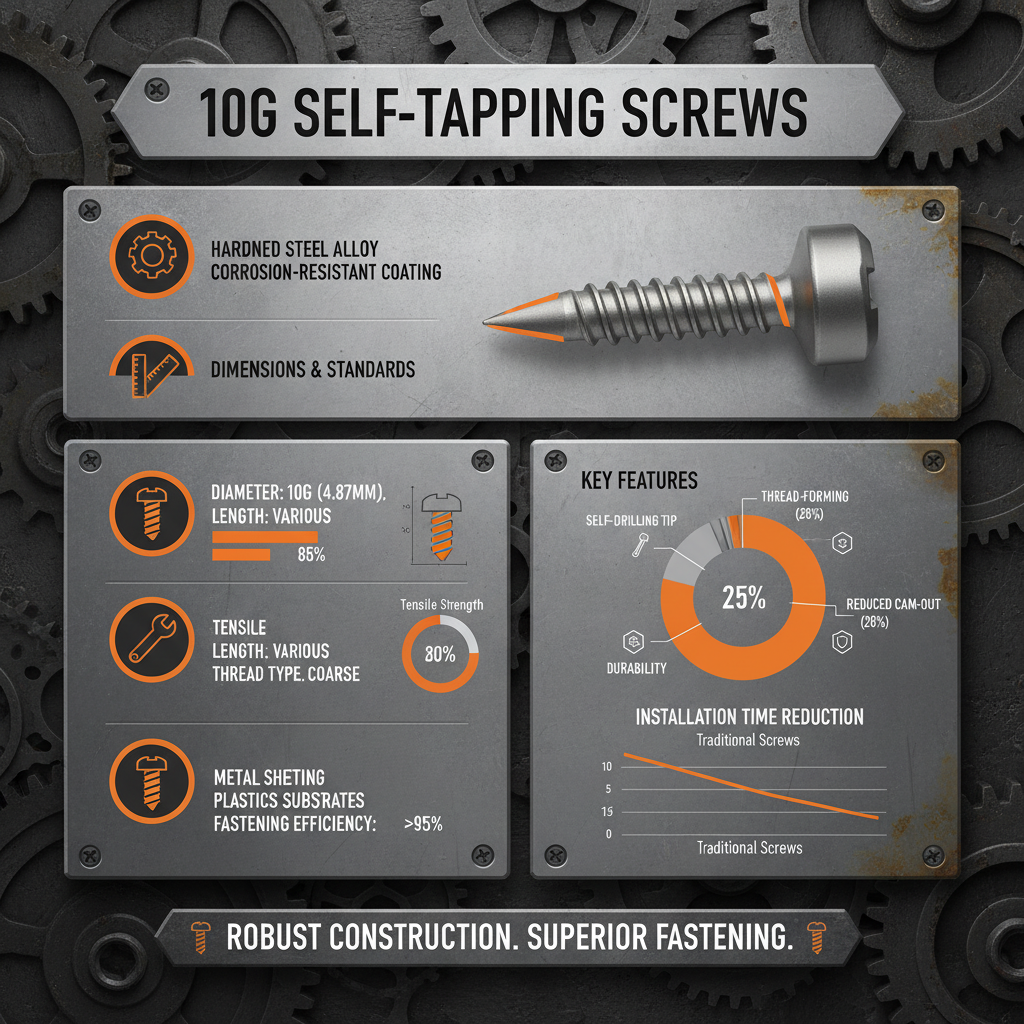
Choosing the right 10g self-tapping screw involves considering several factors. The material you're fastening into is paramount – sheet metal, plastic, or wood each requires a different screw type. The thickness of the material also dictates the appropriate screw length and point type. Head style affects the finished look and functionality. Finally, consider the environment – if the screw will be exposed to moisture or chemicals, choose a corrosion-resistant material like stainless steel. Our team at Lianshi Wjnail can help you navigate these options and select the best screw for your specific application.
10g self-tapping screws are a vital component in many industries, offering a cost-effective and efficient fastening solution. By understanding the different types, materials, and applications, you can select the right screw for your project. Lianshi Wjnail is your trusted partner for high-quality 10g self-tapping screws and expert advice.
The maximum material thickness depends on the screw’s type (A or B) and the material’s hardness. Generally, Type A screws are suitable for materials up to 1.5mm thick, while Type B screws can handle materials up to 3mm thick. However, these are approximate guidelines. For thicker materials, it’s best to use a larger screw or pre-tap the hole. The screw’s thread pattern (coarse vs. fine) also plays a role, with coarser threads offering better grip in softer materials.
While 10g self-tapping screws can be used in some softer woods, they aren’t the ideal choice. They are primarily designed for metal and plastic. When used in wood, they may not hold as securely as wood screws, which have a dedicated thread design for wood fibers. If you do use them, pre-drilling a pilot hole is highly recommended to prevent splitting the wood and to ensure a secure hold.
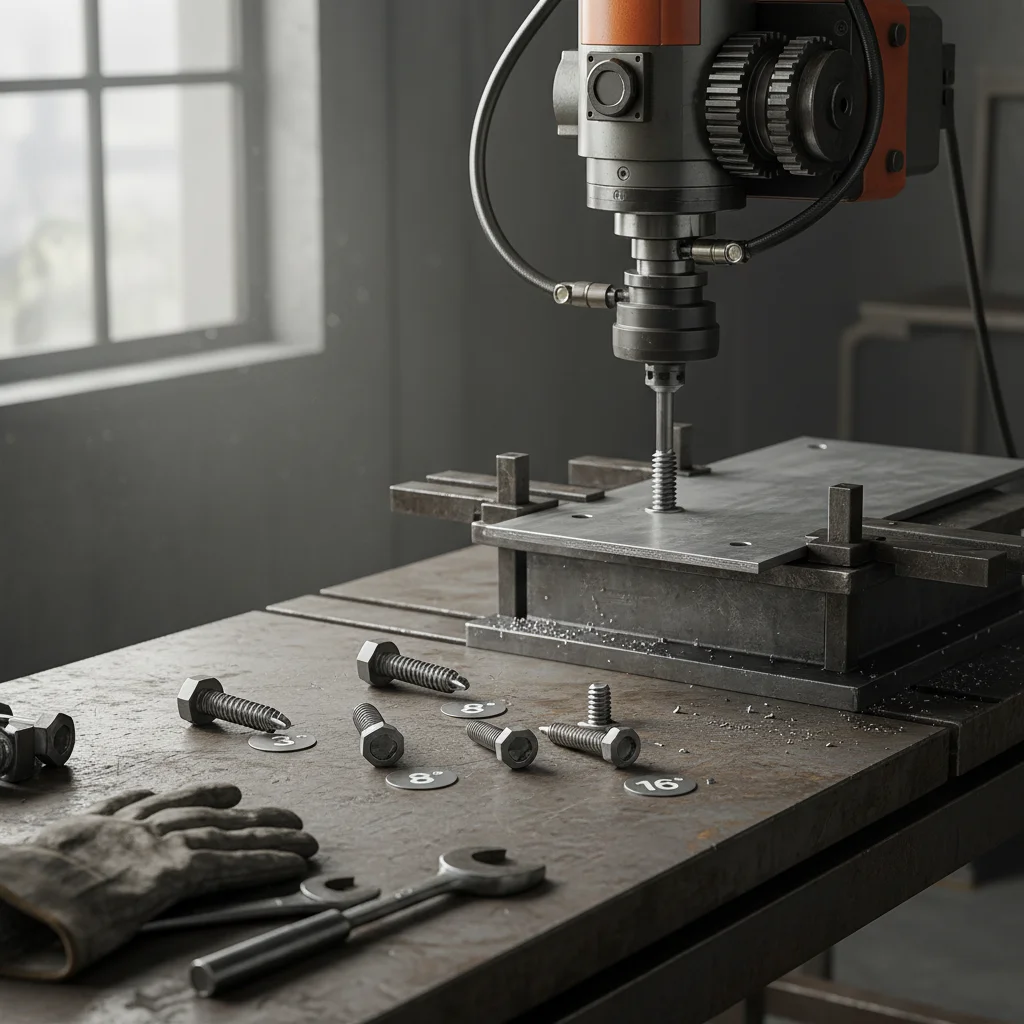
A power drill or screwdriver is essential for installing 10g self-tapping screws. A drill with adjustable torque settings is recommended to avoid stripping the screw head or damaging the surrounding material. For thicker materials or harder metals, a drill bit slightly smaller than the screw’s shank diameter can be used to create a pilot hole, making insertion easier and preventing the screw from breaking. Safety glasses are also crucial to protect your eyes from flying debris.
Stripping the screw head can be frustrating. To prevent this, use the correct size and type of screwdriver bit. Apply consistent, even pressure while driving the screw, and avoid over-tightening. Using a drill with adjustable torque settings and starting at a lower setting can also help. If you encounter resistance, stop and consider pre-drilling a pilot hole. Using high-quality screws, like those from Lianshi Wjnail, can also reduce the risk of stripping.
JOIN OUR NEWSLETTER


If you are interested in our products, you can choose to leave your information here, and we will be in touch with you shortly.