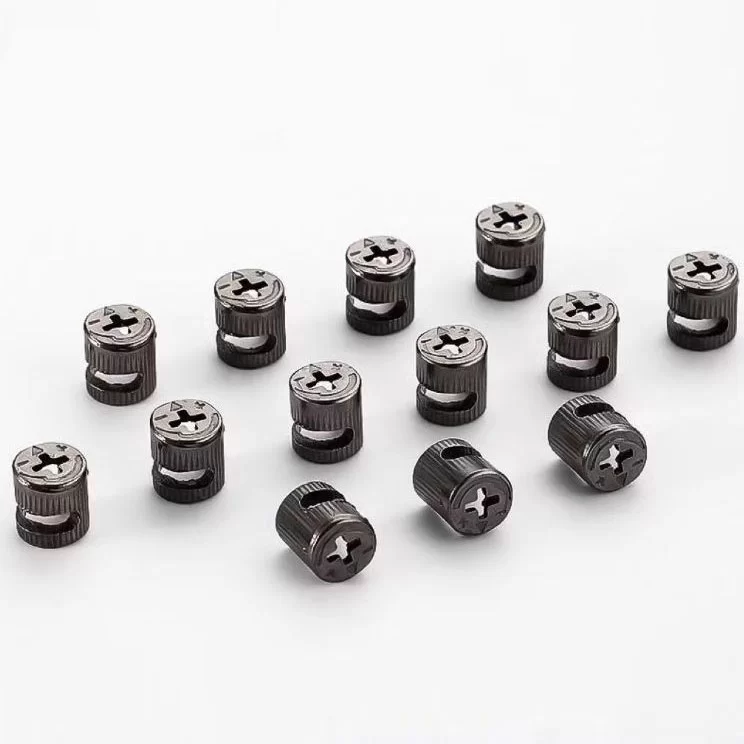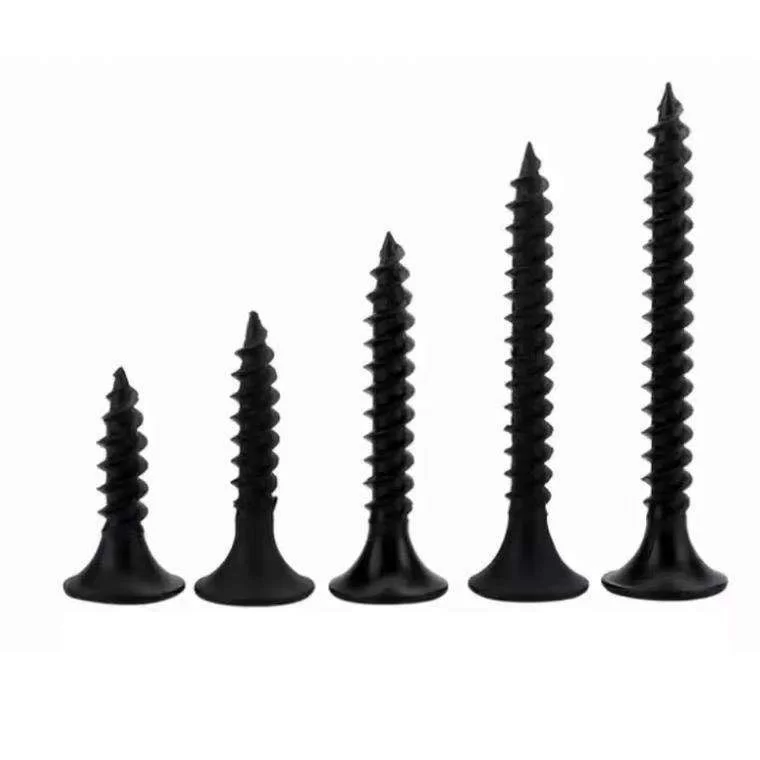



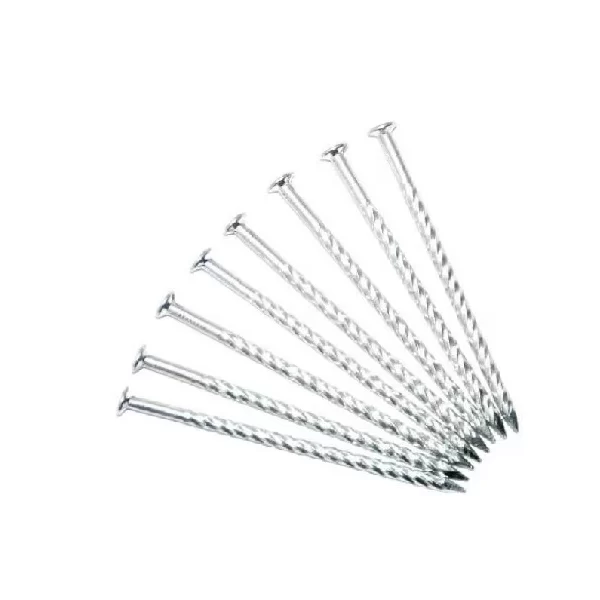
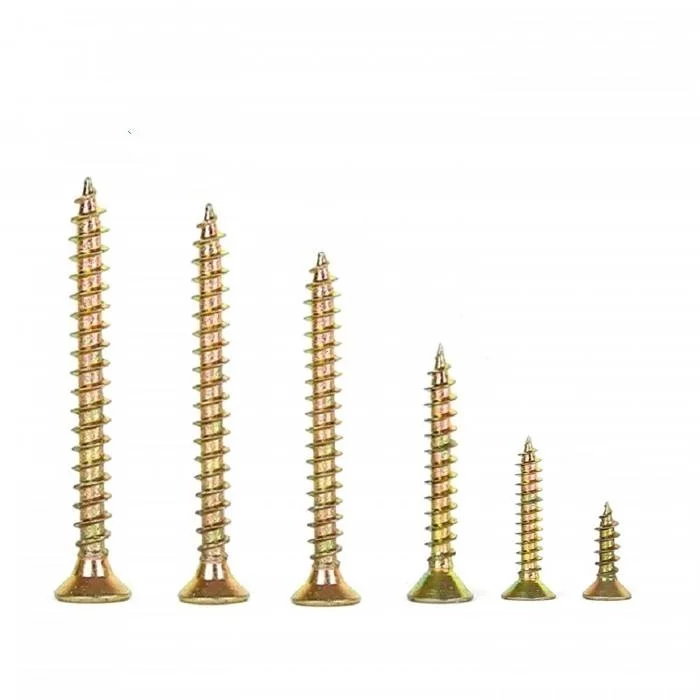
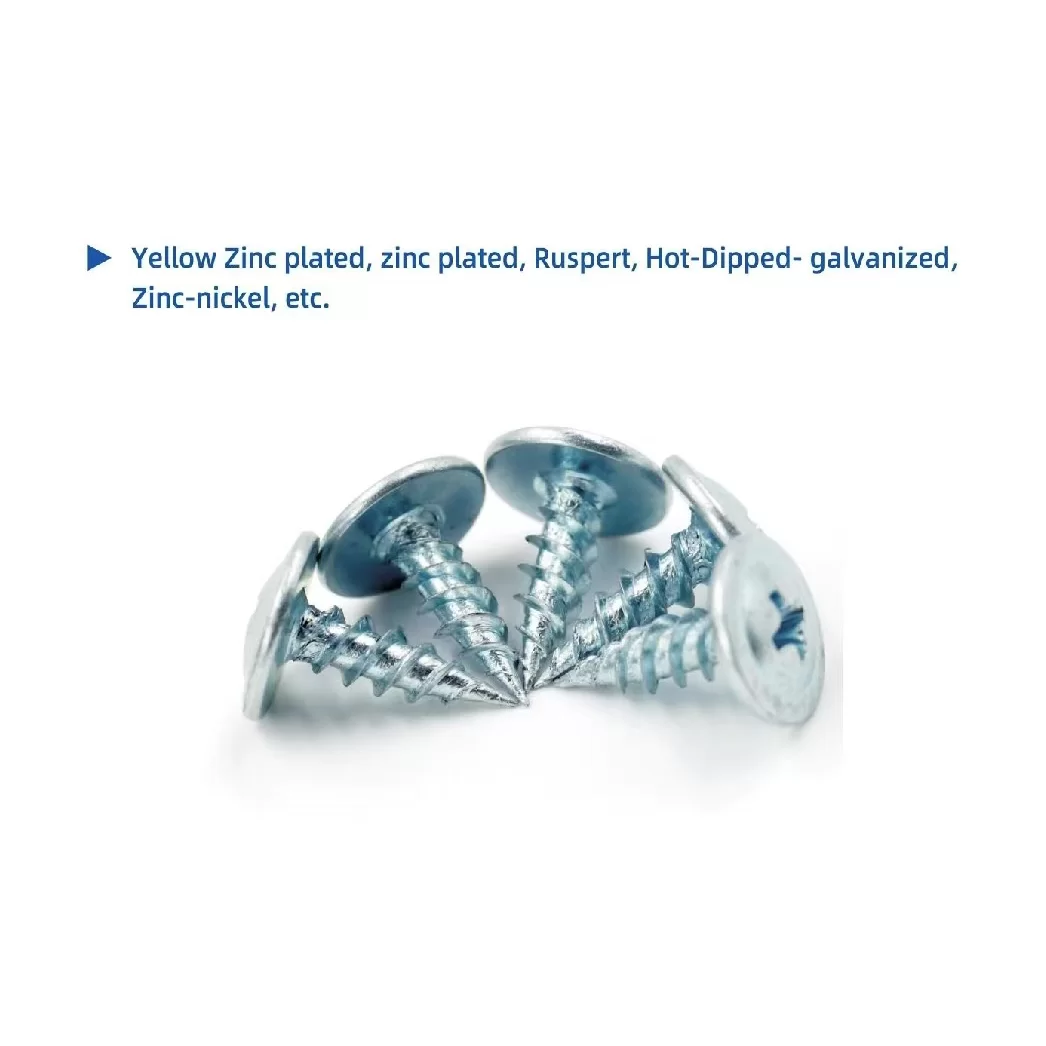
In Tanzania, the furniture industry is currently transitioning from traditional artisan craftsmanship to small-scale industrial production. However, a significant pain point is the prevalence of low-grade fasteners that succumb to the high humidity of Dar es Salaam and the salty coastal air, leading to premature corrosion of Chupboard Screws.
Local manufacturers often struggle with inconsistent quality in imported thin hinges, which fail under the weight of heavy indigenous hardwoods like Mninga or Mpingo. This creates a gap in the market for precision-engineered hardware that can handle the specific density of local timber.
Economically, the growth of the middle class in Dodoma and Arusha has increased demand for modular office and home furniture. This shift requires a move toward standardized components such as dresser hardware rails to replace rudimentary sliding mechanisms.