
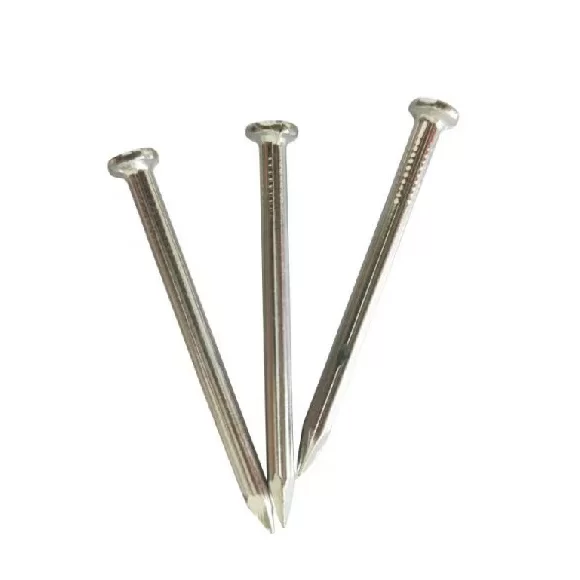
HighPrecision dresser hardware rails Solutions for Chile Furniture Market

High-Precision dresser hardware rails Solutions for Chile Furniture Market

Industrial-grade fastening and sliding systems engineered for durability and seismic resilience in South American cabinetry manufacturing.

High-Precision dresser hardware rails Solutions for Chile Furniture Market

Providing the Chilean furniture industry with advanced metallic components, from precision-engineered screws to heavy-duty sliding rails, ensuring structural integrity and smooth operation.

Current State of Furniture Hardware in Chile

Analyzing the impact of seismic activity and coastal humidity on metal fastening systems.

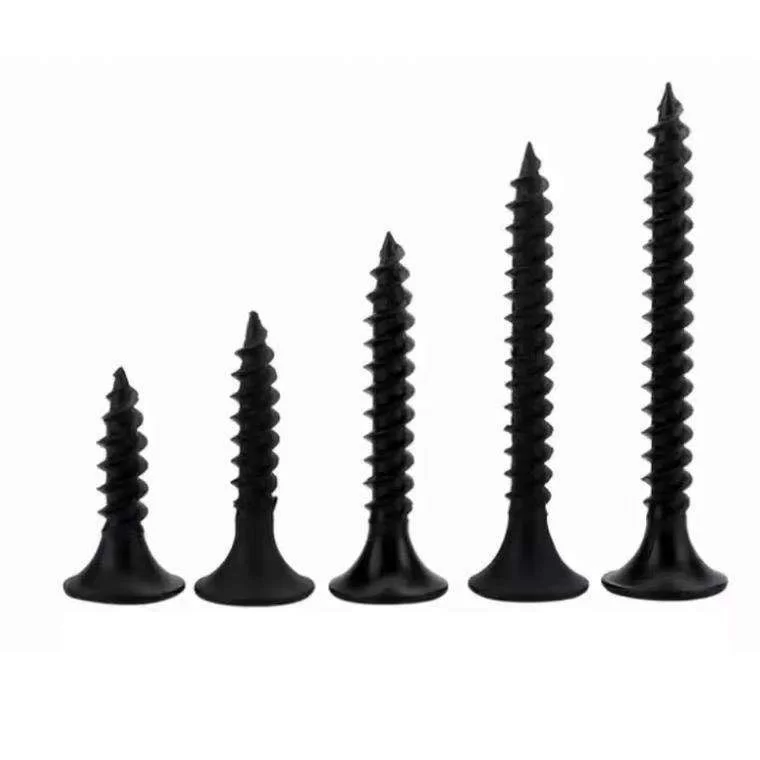
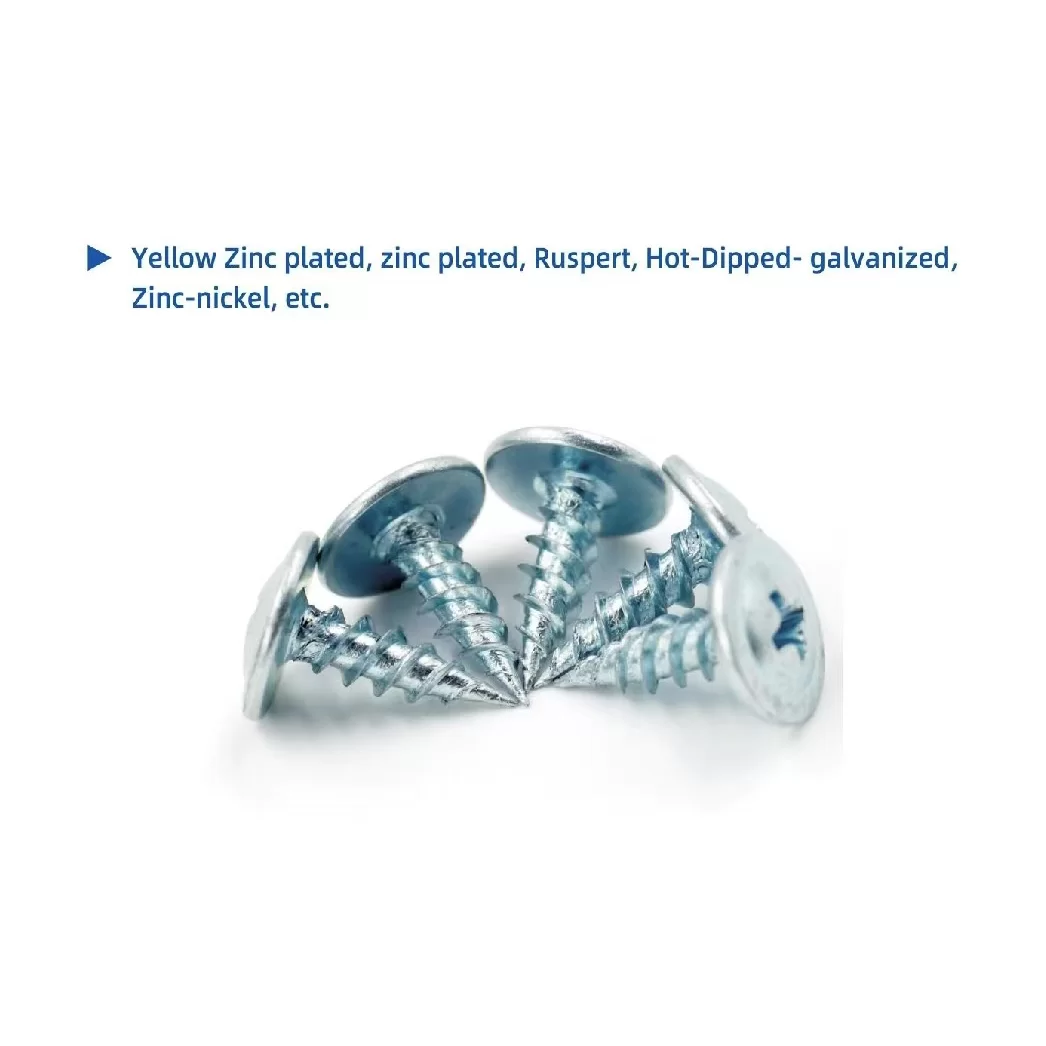
The Chilean furniture market is uniquely characterized by the need for high seismic stability. Due to the region's tectonic activity, there is a growing demand for reinforced Cabinet Screws that can withstand structural vibrations without loosening over time.

Furthermore, the extreme climatic contrast between the arid north and the humid south of Chile forces manufacturers to adopt corrosion-resistant coatings. This has led to a shift toward galvanized and treated thin hinges that prevent oxidation in coastal cities like Valparaíso.

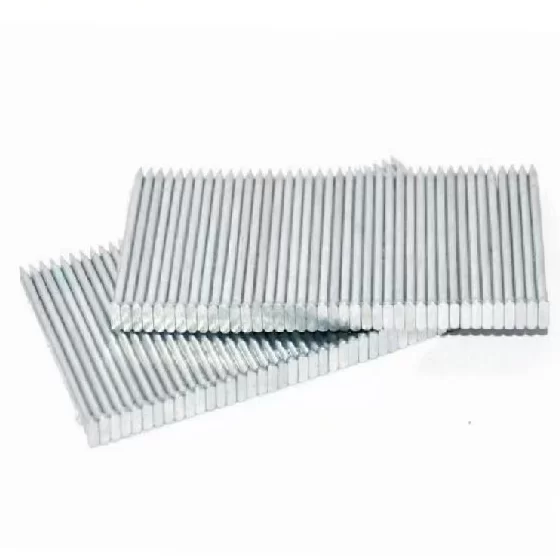
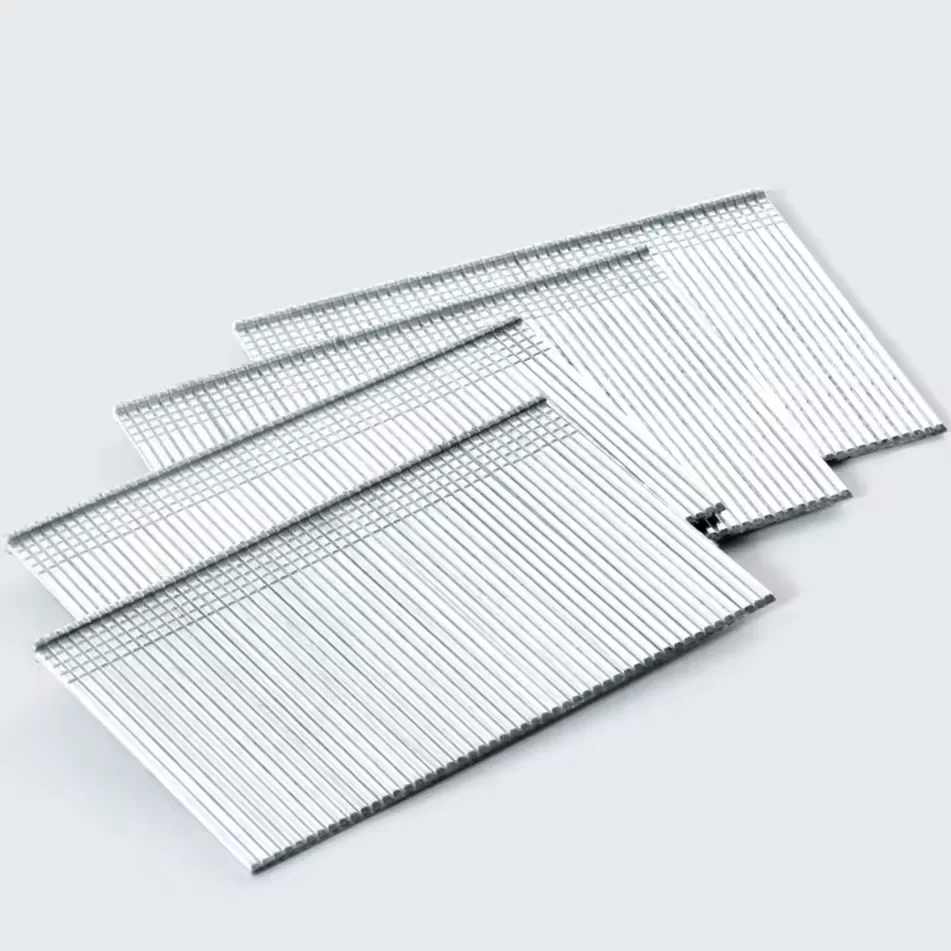
Currently, the industry is transitioning from basic imports to specialized components. Local workshops are increasingly seeking staple shaped fasteners to improve the speed of assembly in modular furniture production, reflecting a broader move toward industrial efficiency.
Evolution of Cabinet Hardware Technology

From traditional manual fastening to automated precision systems.

Market Development History

In the late 20th century, the Chilean market relied heavily on generic hardware. Fastening was predominantly manual, using standard screws that lacked the specific thread pitch required for the diverse wood species native to South America.

Between 2010 and 2020, the introduction of CNC machining in local factories drove the demand for high-tolerance Chupboard Screws. This era marked the shift toward "Ready-to-Assemble" (RTA) furniture, requiring standardized hardware for rapid deployment.

By 2023, the focus shifted toward ergonomics and longevity. The integration of soft-close mechanisms and reinforced rails became the standard for high-end urban developments in Santiago, prioritizing user experience and durability.

Future Development Trends

Smart Material Integration

We predict a rise in the use of shape-memory alloys and self-locking coatings to further enhance the stability of furniture in seismic zones.

Eco-Friendly Plating

Following global trends, Chile will see a transition toward chrome-free and low-VOC surface treatments to meet stricter environmental regulations.

Modular Hardware Ecosystems

The industry will move toward interchangeable hardware kits, allowing for easier repair and upgrading of cabinet systems without replacing the entire unit.

Future Trends and Strategic Outlook

Driving the next generation of furniture assembly in South America.

Seismic-Resistant Engineering
Implementing vibration-damping alloys in rail systems to ensure stability during earthquakes.
Anti-Corrosive Nanocoatings
Applying advanced polymer layers to prevent rust in the high-humidity coastal regions of Chile.
Rapid Assembly Logic
Optimizing fastener geometry to reduce assembly time for large-scale furniture projects.
Precision Lean Manufacturing
Utilizing AI-driven quality control to ensure zero-defect shipments to the Chilean market.

Industry Outlook

Google search trends indicate a significant increase in queries for "sustainable furniture hardware" and "seismic-proof cabinetry" within the Santiago and Concepción regions. This suggests a market shift toward value-based purchasing over lowest-cost options.

Over the next 3-5 years, we expect the integration of IoT-enabled hardware for smart homes to enter the Chilean market, creating new opportunities for high-precision metal components that can house sensors and actuators.

Localized Application Scenarios in Chile

Real-world deployments of our furniture hardware across diverse Chilean environments.

01. Urban High-Rise Apartments in Santiago

Implementing space-saving modular kitchens using heavy-duty rails and precision screws to maximize utility in compact city living spaces.

02. Coastal Vacation Homes in Viña del Mar

Using specially coated thin hinges and salt-resistant fasteners to prevent corrosion caused by the Pacific ocean breeze.

03. Industrial Office Fit-outs in Antofagasta

Deploying high-load capacity dresser hardware rails for mining administrative offices that require extreme durability and frequent use.

04. Artisan Woodworking in the Lake District

Providing staple shaped fasteners and customized screws for high-end furniture makers using local Alerce or Coihue woods.

05. Government Institutional Furniture

Supplying standardized, long-life cycle cabinet hardware for schools and hospitals, focusing on ease of maintenance and structural safety.

Brand Story

Global Development History of Hebei Lianshi Furniture Hardware Co., Ltd.

Foundational Engineering

Established with a focus on metallurgical excellence, solving the fundamental problem of fastener fatigue in heavy-duty furniture.

Precision Expansion

Invested in automated production lines to achieve micron-level precision for high-end sliding systems and hinges.

Global Certification

Achieved international quality standards, allowing us to enter the strict South American and European markets.

Regional Specialization

Developed specific product lines tailored for seismic zones and humid climates, bridging the gap between utility and safety.

Future Vision

Committing to sustainable manufacturing and smart hardware to lead the global furniture accessories industry.

Comprehensive Hardware Portfolio for the Chilean Market

A full suite of metal accessories designed for the unique demands of South American furniture manufacturing.

Chilean Market Furniture Hardware FAQ

Expert answers to common technical challenges in local furniture assembly.

Which Cabinet Screws are best for seismic-prone areas in Chile?

We recommend screws with a coarse thread and high-tensile steel composition that provide better grip in varying wood densities and resist loosening during structural vibrations.

How do thin hinges perform in high-humidity coastal cities like Valparaíso?

Our thin hinges feature a specialized zinc-nickel plating that provides superior salt-spray resistance compared to standard plating, preventing rust and seizing.

Can dresser hardware rails be customized for heavy-duty industrial use?

Yes, we offer reinforced cold-rolled steel rails with increased thickness and high-precision ball bearings to support loads exceeding 45kg per slide.

What are the advantages of staple shaped fasteners in modular assembly?

Staple shaped components allow for rapid structural bonding and are ideal for backing panels, significantly reducing labor time in factory settings.

How do I choose the correct Chupboard Screws for MDF vs. Solid Wood?

For MDF, use deep-thread screws to avoid stripping the composite core. For solid wood, a tapered shank is preferred to prevent splitting the grain.

Are these components compatible with international furniture standards?

All our products follow ISO and DIN standards, ensuring they are fully compatible with global hardware ecosystems used in Chile.

Partner with the Hardware Experts

Ready to upgrade your production line? We provide tailored shipping and technical support for all manufacturers across Chile.

Contact Us Now

If you are interested in our products, you can choose to leave your information here, and we will be in touch with you shortly.


If you are interested in our products, you can choose to leave your information here, and we will be in touch with you shortly.