


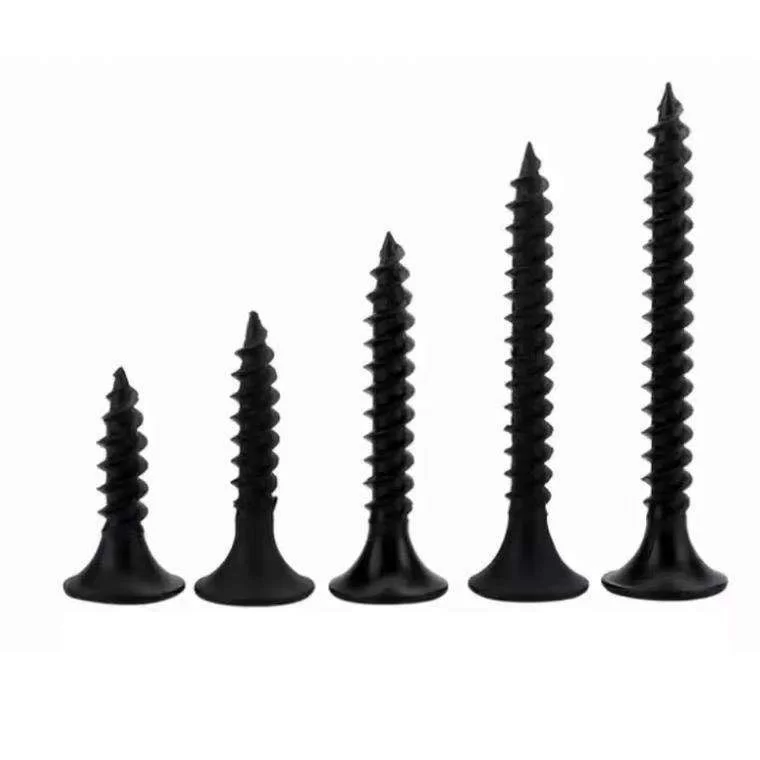
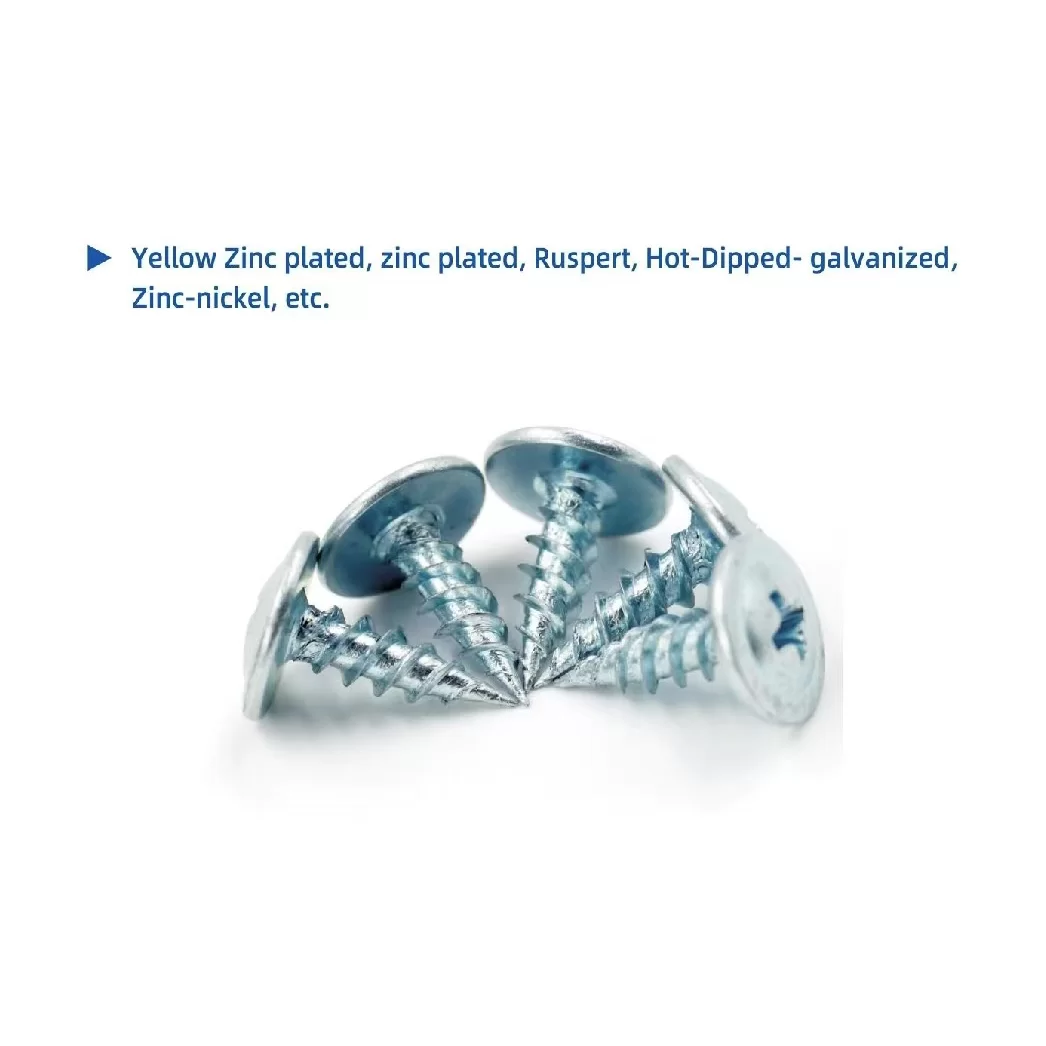
The Afghan furniture market is currently characterized by a transition from purely handcrafted wooden pieces to semi-industrialized production. The extreme temperature fluctuations and arid climate of the region often cause wood to warp, making the demand for high-torque Chupboard Screws critical for maintaining joint stability over time.
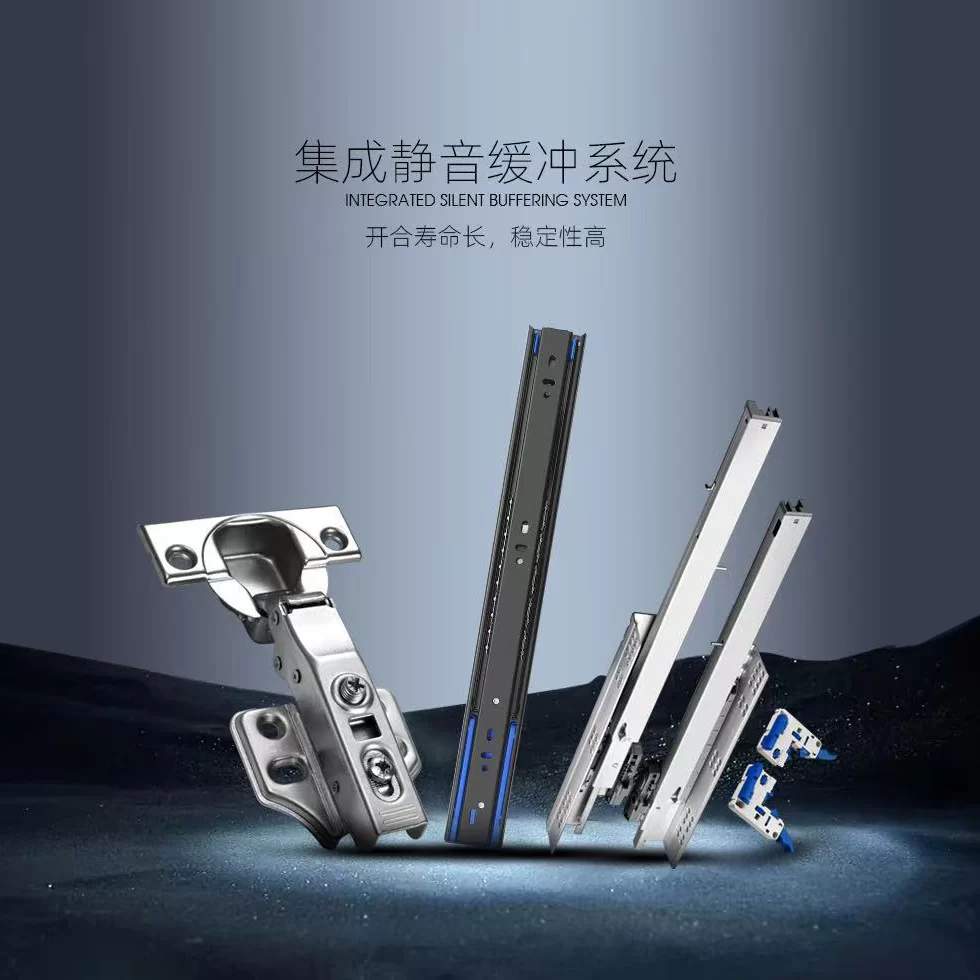
Currently, many local workshops rely on generic imports that often lack the corrosion resistance needed for varying humidity levels. There is a growing shift towards specialized thin hinges that allow for a more refined, modern aesthetic in urban centers like Kabul and Herat, where space-saving furniture is becoming popular.
Furthermore, the logistics of sourcing precision parts like dresser hardware rails have historically been a challenge, leading to a reliance on traditional sliding mechanisms. However, the increasing import of modular furniture is driving the need for standardized, high-durability hardware components.