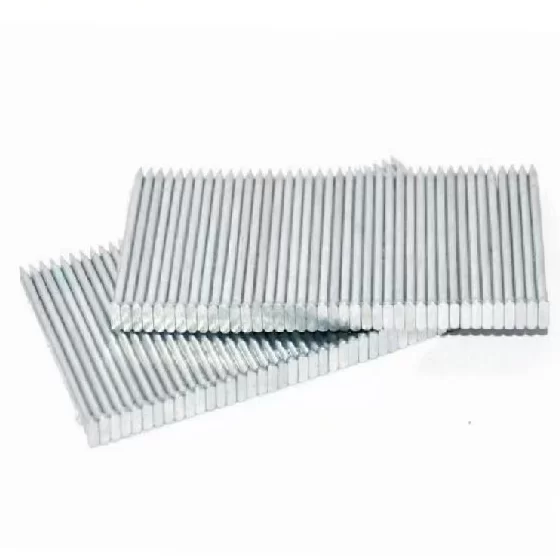
In the demanding world of modern structural engineering, the integrity of a build often rests on the smallest components. Among these, construction lag screws serve as the critical bridge between heavy timber beams and masonry, providing the immense clamping force required for stability in residential and commercial frameworks. Understanding the nuances of these heavy-duty fasteners is not merely a technical requirement but a safety imperative for architects and contractors worldwide.
The global construction market has seen a significant shift toward hybrid material usage, where the marriage of traditional wood and reinforced concrete is common. This evolution has heightened the demand for high-tensile construction lag screws that can withstand shear forces and environmental stressors without compromising the structural load. From the skyscrapers of New York to the sustainable eco-lodges in Scandinavia, these fasteners ensure that joints remain rigid under pressure.
However, selecting the wrong grade of fastener can lead to catastrophic failures, including wood splitting or corrosion-induced loosening. By diving deep into the metallurgy, thread design, and application methods of construction lag screws, professionals can optimize their procurement processes, reduce long-term maintenance costs, and adhere to strict international building codes such as ISO and ASTM standards.

Global Industry Context of Construction Lag Screws
The global demand for construction lag screws is intricately linked to the worldwide surge in urban infrastructure development. According to recent industrial trends, the shift toward sustainable "mass timber" construction—which utilizes Cross-Laminated Timber (CLT)—has placed a renewed emphasis on heavy-duty fasteners that can handle massive loads while maintaining a minimal footprint. This global trend is driving manufacturers to innovate in carbon steel and stainless steel alloys to meet diverse climatic demands.
In emerging economies, the challenge often lies in the balance between rapid urbanization and structural safety. The adoption of standardized construction lag screws ensures that building frameworks meet international safety benchmarks, reducing the risk of collapse during seismic events or extreme weather. This standardization is not just about the product, but about implementing a global culture of precision in the metal-to-wood interface.
Defining Construction Lag Screws in Modern Building
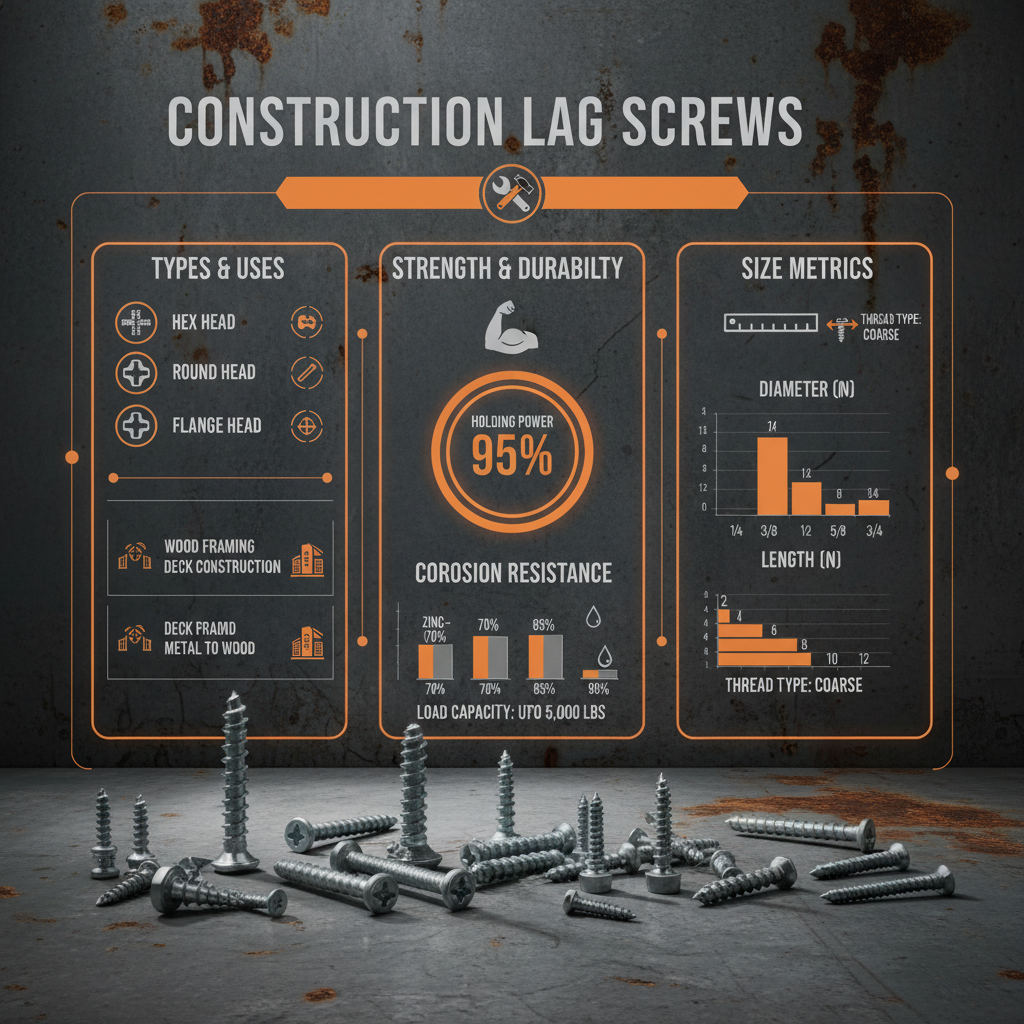
At its core, construction lag screws are heavy-duty fasteners characterized by a coarse thread and a hex-head or square-head design, allowing for high torque application. Unlike standard wood screws, lag screws are designed to be driven into a pre-drilled pilot hole, which prevents the surrounding timber from splitting while allowing the screw to "bite" deeply into the wood fibers for maximum withdrawal resistance.
In the context of modern industry, these fasteners act as the primary anchor for heavy structural members. Whether it is attaching a deck ledger board to a house rim joist or securing heavy machinery to a wooden platform, construction lag screws provide the necessary shear strength and tension capacity that smaller fasteners simply cannot offer.
Beyond the technical definition, these screws represent the bridge between architectural vision and physical reality. By enabling the secure connection of large-scale components, they facilitate the creation of open-concept spaces and complex geometric structures that were previously impossible or too dangerous to implement using traditional nailing methods.
Core Components and Material Integrity
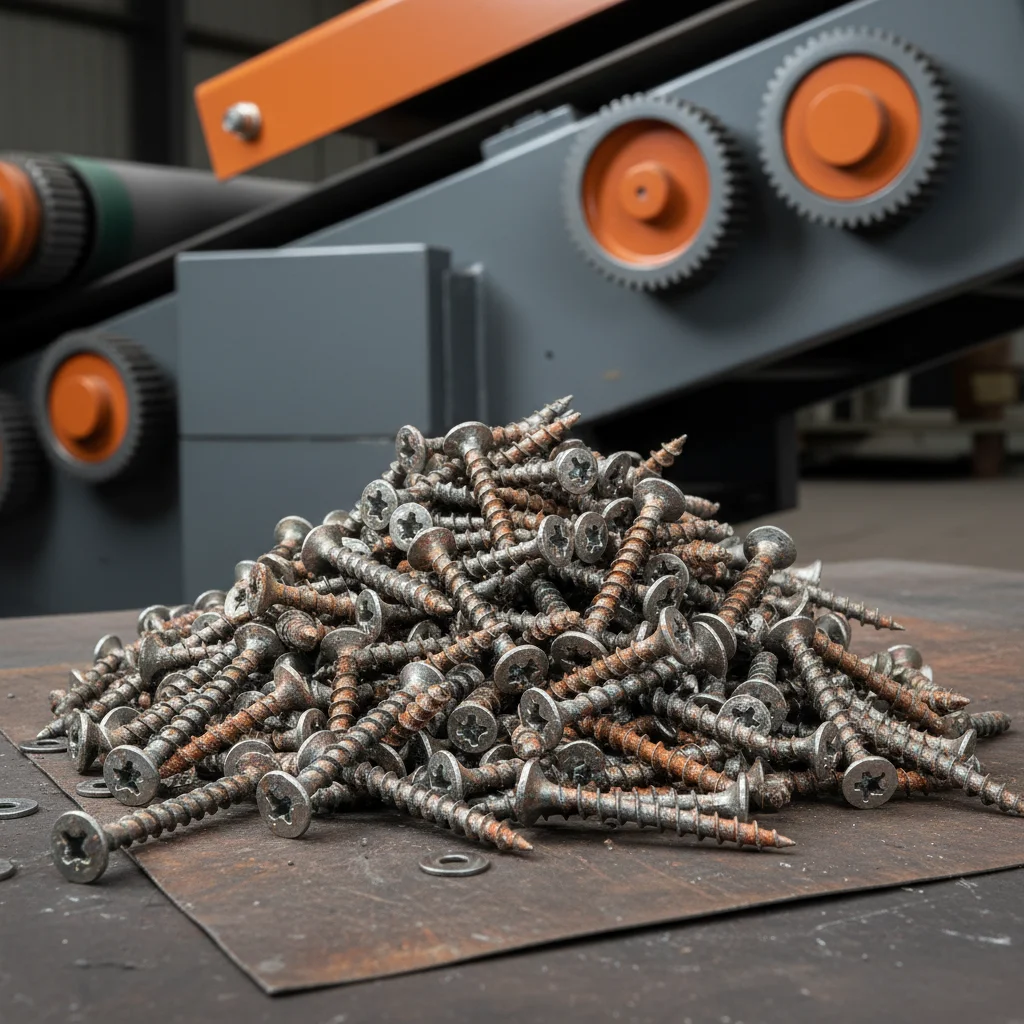
The effectiveness of construction lag screws depends heavily on the metallurgy of the shank and the precision of the thread pitch. High-carbon steel is often used for maximum strength, while galvanized coatings are applied to prevent oxidation in humid environments, ensuring that the fastener does not rust and weaken the structural bond over decades of use.
Another critical aspect is the head design. The hex head of construction lag screws allows contractors to use impact drivers or wrenches to apply significant torque, which is essential for achieving the tight compression required in load-bearing joints. The transition from the head to the shank is reinforced to prevent "head snap" during high-tension installations.
Finally, the thread geometry plays a pivotal role in load distribution. Specialized construction lag screws feature tapered threads that gradually increase the grip as they penetrate deeper into the substrate, distributing the stress across a larger area of the wood and preventing the "stripping" of the hole under heavy load.
Practical Applications and Performance Metrics
In real-world scenarios, construction lag screws are indispensable in heavy timber framing and the installation of architectural decorative hardware. For instance, in the construction of large-scale pergolas or industrial warehouse mezzanines, these screws are used to connect primary support beams to vertical posts, where the shear force exerted by the roof load is immense.
Beyond heavy construction, they are frequently employed in the installation of household hardware that requires a permanent, high-strength bond to wall studs, such as heavy shelving units or security gates. The reliability of construction lag screws ensures that these installations remain secure regardless of the weight they support.
Performance Comparison of Fastening Methods
Long-Term Value and Structural Reliability
The long-term value of investing in premium construction lag screws manifests in reduced maintenance and enhanced building safety. While cheaper alternatives might seem attractive during the initial procurement phase, they often suffer from "creep"—a gradual loosening caused by the natural expansion and contraction of wood. High-quality lag screws maintain their clamping pressure over time, ensuring the structure remains rigid.
From an emotional standpoint, the use of certified construction lag screws provides peace of mind to homeowners and developers. Knowing that the skeletal framework of a building is held together by fasteners that meet stringent safety standards fosters trust in the architectural integrity and ensures the dignity of the living space for future generations.
Future Innovations in Fastener Technology
The future of construction lag screws is being shaped by the push toward "Green Building." We are seeing the emergence of bio-compatible coatings and recycled high-strength alloys that reduce the carbon footprint of fastener production without sacrificing the load-bearing capacity. These innovations allow developers to achieve LEED certifications while maintaining the structural rigor required for heavy-duty projects.
Digital transformation is also playing a role through the integration of "Smart Fasteners." Some experimental construction lag screws are being designed with embedded sensors that can alert building managers to tension loss or structural shifting in real-time. This shift from passive to active fastening represents a leap forward in preventative maintenance and disaster mitigation.
Furthermore, automation in manufacturing is allowing for "Custom Threading" on demand. Using precision CNC machining, construction lag screws can now be tailored to the specific density of the wood species being used, optimizing the grip and reducing the risk of material failure in exotic hardwoods or soft pines.
Challenges and Expert Solutions for Installation
One of the most common challenges when using construction lag screws is the risk of splitting the wood, particularly when working near the edge of a beam. Expert installers overcome this by meticulously calculating the pilot hole diameter—typically 60% to 80% of the screw's shank diameter—to ensure the threads can carve a path without displacing too much material.
Another persistent issue is the "over-torquing" of the screw, which can strip the wood fibers and render the fastener useless. To solve this, the industry is moving toward the use of calibrated torque wrenches. By setting a specific limit, installers can ensure that construction lag screws are tightened to the exact specification required for the load, avoiding both loose joints and crushed timber.
Lastly, corrosion in coastal environments remains a significant threat. The solution lies in the strategic selection of materials; replacing standard galvanized steel with 316-grade stainless steel construction lag screws eliminates the risk of salt-air oxidation. Combining this with waterproof washers ensures a hermetic seal that protects the internal wood grain from moisture ingress.
Comparative Analysis of Construction Lag Screw Specifications
| Material Grade |
Corrosion Resistance |
Load Capacity |
Primary Use Case |
| Zinc Plated Steel |
Low |
Medium |
Indoor Furniture |
| Hot-Dipped Galv. |
High |
High |
Outdoor Decking |
| Stainless 304 |
Very High |
Medium-High |
Humid Interiors |
| Stainless 316 |
Extreme |
Medium-High |
Marine/Coastal |
| Grade 8 Carbon Steel |
Medium |
Extreme |
Industrial Framing |
| Ceramic Coated |
High |
High |
Architectural Accents |
FAQS
Yes, for most structural applications, a pilot hole is essential. Because construction lag screws have a thick shank, they displace a large amount of wood. Without a pilot hole, the internal pressure often causes the timber to split along the grain, which significantly reduces the holding power and compromises the safety of the joint.
A lag screw has a pointed end and threads that carve into the wood, meaning it only requires a hole in the first piece of material. A timber bolt is smooth and requires a hole through both pieces of material and is secured with a nut and washer. construction lag screws are generally faster to install and provide excellent withdrawal resistance.
For most outdoor residential projects, hot-dipped galvanized coating is the industry standard as it provides a thick layer of zinc protection. However, if you are building within a mile of the ocean, stainless steel (Grade 316) is highly recommended to prevent chloride-induced corrosion that would eat through galvanized coatings quickly.
Over-tightening often manifests as the hex head starting to sink too deeply into the wood or, more critically, the audible sound of wood fibers cracking. If you feel a sudden "give" or loss of resistance while turning the wrench, you have likely stripped the wood threads, and the construction lag screws will no longer provide full structural support.
Standard construction lag screws are designed specifically for wood. If you need to anchor into concrete, you should use concrete anchors or sleeve bolts. However, you can use lag screws to attach a wood plate to a concrete wall if the plate is first secured with masonry anchors.
While this depends on local building codes, the standard is typically 1/2-inch diameter construction lag screws. The length must be sufficient to penetrate the house rim joist by at least 2.5 to 3 inches to ensure the ledger does not pull away from the structure under the weight of the deck.
Conclusion
In summary, construction lag screws are far more than simple fasteners; they are the engineered anchors that ensure the stability and longevity of modern architectural projects. By focusing on material grade, precise installation techniques, and the specific demands of the environment, builders can create structures that are not only aesthetically pleasing but fundamentally safe. From the selection of stainless steel for coastal zones to the use of calibrated torque for industrial framing, every detail contributes to the overall structural integrity.
Looking forward, the integration of sustainable materials and smart monitoring technology will continue to elevate the role of the humble fastener. For contractors and engineers, staying informed about these advancements and adhering to rigorous standards is the only way to guarantee reliability in an era of increasingly complex designs. To source the highest quality fasteners for your next project, visit our website: www.lianshiwjnail.com