Look, I’ve spent the last fifteen years breathing in sawdust and concrete dust on construction sites. I’ve seen crews struggle with fasteners that just…don’t hold. Time wasted, projects delayed, budgets blown. That’s why understanding construction screws bulk isn’t just about materials; it's about people, timelines, and getting the job done. We’re not talking about a handful of screws for a home project here, we’re talking about the backbone of large-scale builds, infrastructure, and keeping projects moving at pace.
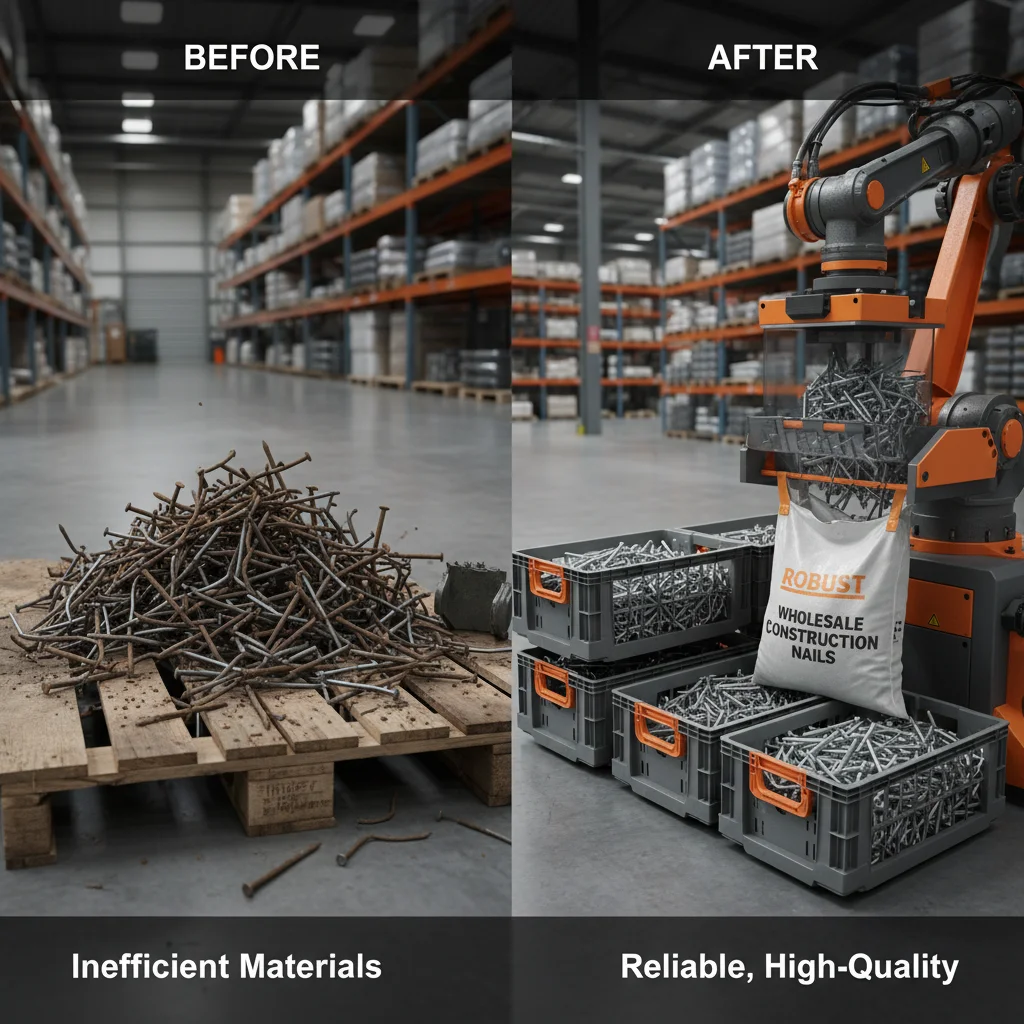
The scale of modern construction demands reliability and efficiency. We’re building bigger, faster, and often in challenging environments. Cheap screws mean re-work, safety hazards, and a hit to your reputation. Investing in quality construction screws bulk is about minimizing risk and maximizing productivity. I’ve seen entire phases of a project put on hold because of fastener failures. It’s not a cost saving – it's a disaster.
And it's not just about the immediate build. Think long-term. The screws you use today will be supporting structures for decades. Corrosion resistance, shear strength, and material compatibility aren’t just specifications on a sheet; they’re guarantees of longevity and safety. Getting it right from the start saves you headaches – and money – down the line.
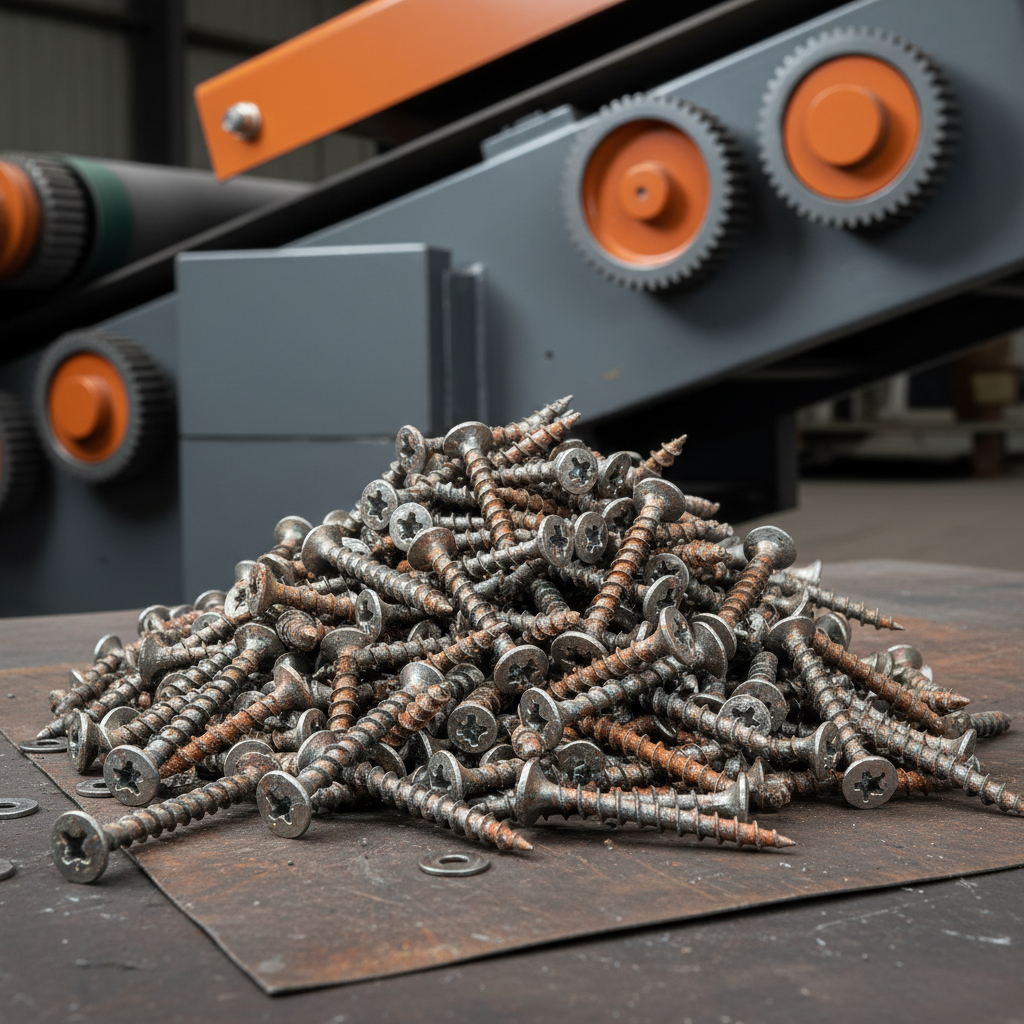
The Critical Role of construction screws bulk in Modern Building
Let’s be clear: construction screws bulk are not a commodity item. They're a critical component of structural integrity. Think of the sheer volume used in a commercial building, a bridge, or even a large residential development. Every single one needs to perform reliably. I've seen projects delayed for weeks because the initial screw supply simply couldn't handle the load requirements.
It's also about the changing nature of building materials. We’re using more engineered wood products, composite materials, and lighter-weight steel. These materials require fasteners specifically designed to work with their properties. A standard screw just won’t cut it. You need to understand the shear strength, tensile strength, and corrosion resistance characteristics to ensure a lasting connection.
Understanding Construction Screw Materials and Coatings
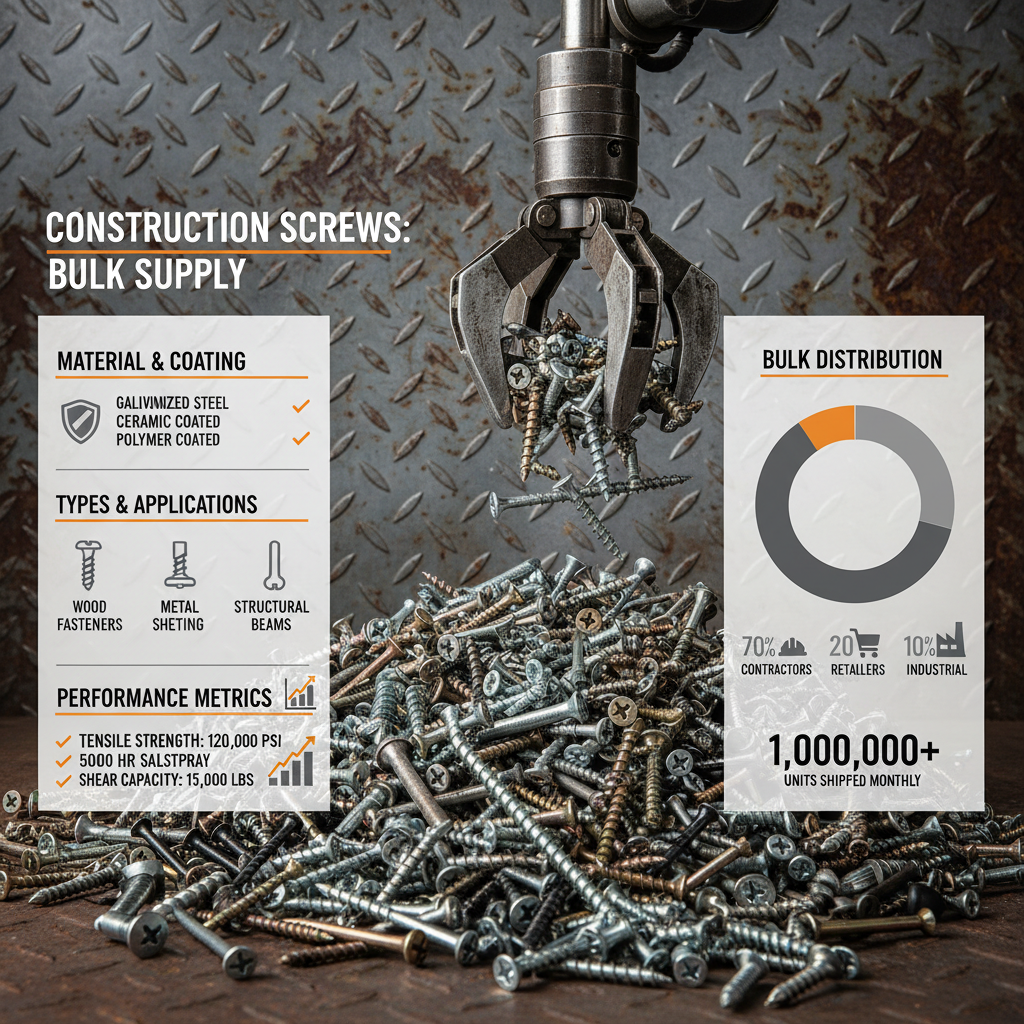
The world of screw materials goes way beyond just ‘steel’. You’ve got carbon steel, stainless steel (304, 316 are common), alloy steels, and even specialized coatings like zinc, ceramic, or epoxy. Each has its place. Carbon steel is good for general interior work, but forget about it outdoors without a coating. Stainless is your go-to for corrosion resistance, but it's more expensive. Alloy steels offer a good balance of strength and durability.
Coatings are crucial. Zinc provides sacrificial protection – it corrodes before the steel. Ceramic coatings offer incredible hardness and abrasion resistance, ideal for high-wear applications. Epoxy coatings provide excellent corrosion resistance, particularly in harsh chemical environments. Understanding which coating is appropriate for the environment is essential. I’ve seen structures fail prematurely simply because the wrong coating was specified.
Don't overlook the screw head type either. Flat heads, pan heads, bugle heads, wafer heads – each is designed for a specific application. A bugle head is great for drywall, but a flat head is essential for a flush finish in wood framing. It seems simple, but these details matter.
Key Factors Influencing the Cost of construction screws bulk
Let's talk money. The cost of construction screws bulk isn't just about the price per screw. It’s influenced by several factors: material type (stainless is always more expensive than carbon steel), coating, quantity purchased, and the supplier’s location and logistics. Buying in bulk should get you a better price, but you need to shop around and compare quotes.
Shipping costs are a big one. A full truckload from a local supplier will be cheaper than importing a container from overseas, even if the per-screw price is lower. You also need to factor in import duties, taxes, and potential delays at customs. I’ve seen projects held up for weeks waiting for screws to clear customs, and that adds up fast.
Finally, don’t forget to consider the cost of failure. A cheap screw that breaks or corrodes can lead to costly repairs, delays, and even safety hazards. Investing in quality screws upfront is almost always cheaper than dealing with the consequences of a failure down the road.
Applications of construction screws bulk Across Industries
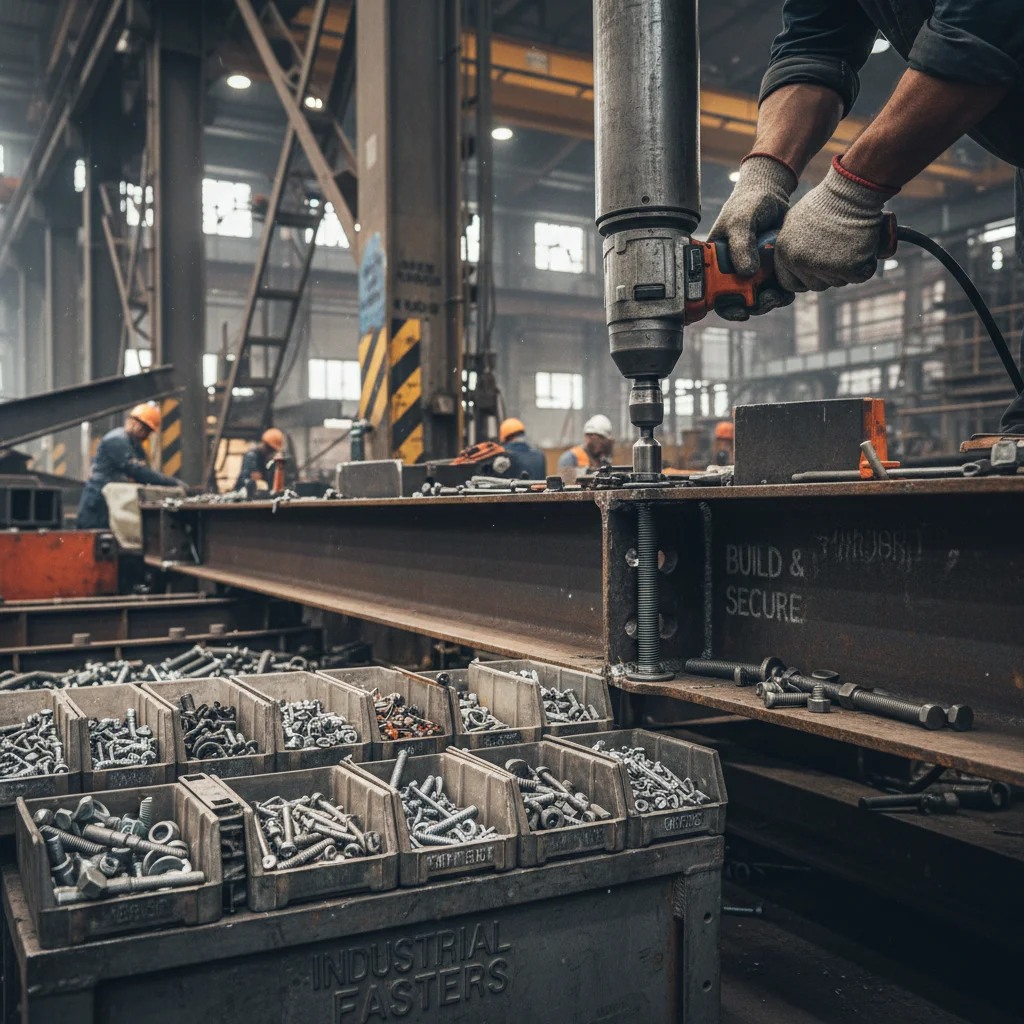
We’re not just talking about building homes. Construction screws bulk are used everywhere. Infrastructure projects like bridges and highways rely heavily on high-strength fasteners. The marine industry uses stainless steel screws to withstand saltwater corrosion. Even the renewable energy sector uses specialized screws for mounting solar panels and wind turbines.
I've worked on projects ranging from high-rise commercial buildings in major cities to remote infrastructure projects in challenging environments. In each case, the choice of fasteners was critical. In post-disaster relief operations, having a reliable supply of screws is essential for quickly erecting temporary shelters and repairing damaged infrastructure. In remote industrial zones, accessibility and durability are paramount.
Construction Screw Usage by Application
Advantages of Sourcing construction screws bulk Directly
Cutting out the middleman is almost always a good idea. Sourcing construction screws bulk directly from a manufacturer or a large distributor gives you better control over quality, pricing, and lead times. You can negotiate better deals, customize your order, and build a long-term relationship with a reliable supplier.
It also allows for greater transparency. You can visit the factory, inspect the manufacturing process, and ensure that the screws meet your specific requirements. That level of control is invaluable, especially for large-scale projects where consistency is critical.
Global Supply Chain Considerations for construction screws bulk
The global supply chain for screws is complex. Raw materials like steel and zinc are sourced from various countries, and manufacturing often takes place in Asia. This means you need to be aware of potential disruptions – trade wars, political instability, natural disasters – that could impact your supply.
Diversifying your suppliers is a smart strategy. Don’t rely on a single source. Having multiple options gives you more flexibility and reduces your risk. Also, keep a close eye on inventory levels. Maintaining a buffer stock can help you weather unexpected delays.
Building strong relationships with your suppliers is also key. Open communication, clear expectations, and a willingness to collaborate can help you navigate challenges and ensure a smooth supply chain.
Quality Control and Testing Standards for construction screws bulk
Don't just take a supplier's word for it. Demand proof of quality. Look for screws that meet relevant industry standards like ISO, ASTM, or DIN. Ask for test reports that verify the screw’s tensile strength, shear strength, corrosion resistance, and other critical properties.
Conduct your own quality control checks whenever possible. Visual inspections, dimensional measurements, and even simple torque tests can help identify potential issues. Remember, a few minutes of inspection can save you weeks of rework.
Summary of Key Quality Control Measures for construction screws bulk
| Test Type |
Parameter Measured |
Acceptance Criteria |
Frequency of Testing |
| Tensile Strength |
Maximum Load Bearing Capacity |
Must meet or exceed specified rating (e.g., 800 MPa) |
Per Batch |
| Shear Strength |
Resistance to Lateral Forces |
Minimum 500 MPa |
Per Batch |
| Corrosion Resistance |
Salt Spray Test Duration |
Minimum 72 hours without significant corrosion |
Per Batch |
| Dimensional Accuracy |
Screw Diameter and Length |
Within +/- 0.1mm tolerance |
Random Sampling (10%) |
| Head Hardness |
Resistance to Stripping |
Rockwell Hardness C Scale: 30-40 HRC |
Per Batch |
| Coating Thickness |
Zinc or Epoxy Layer Thickness |
Minimum coating thickness per specification |
Random Sampling (10%) |
FAQS
Self-tapping screws require a pre-drilled hole and create threads as they’re driven in. Self-drilling screws, on the other hand, drill their own hole and tap the threads simultaneously. Self-drilling are faster, but often less precise and best for softer materials. For structural applications, self-tapping into a properly drilled pilot hole is usually the better choice for strength and longevity.
As a general rule, the screw should penetrate at least half the thickness of the second material. So, if you’re joining two pieces of 2x4 lumber, your screw should be at least 3 inches long. Always consider the thickness of any coatings or washers you're using as well. Too short and it won’t hold; too long and you risk poking through the other side.
Screw gauge refers to the diameter of the screw's threads, typically expressed as a number (e.g., #8, #10). A higher number indicates a thicker screw. Choosing the right gauge is crucial for achieving the necessary holding power. Too small, and it will strip easily; too large, and you risk splitting the wood or damaging the material.
Yes! Pressure-treated lumber contains chemicals that can corrode standard screws. You must use screws specifically coated for pressure-treated wood – look for those labeled with ACQ or similar coatings. Using the wrong screws will lead to premature failure and potential structural issues. I’ve seen decks collapse because of this mistake.
Use the correct screwdriver bit for the screw head type. Apply consistent, even pressure while driving the screw. Don’t overtighten! Pre-drilling a pilot hole, especially in hardwoods, can also help prevent stripping. And invest in quality bits; cheap bits wear out quickly and are more likely to strip screws.
Store screws in a dry, well-ventilated area. Avoid storing them directly on concrete floors, as moisture can accelerate corrosion. If possible, keep them in their original packaging or a sealed container. For long-term storage, consider adding a desiccant packet to absorb any excess moisture.
Conclusion
Ultimately, selecting the right construction screws bulk is about understanding your project's specific needs, the materials you're working with, and the environment they'll be exposed to. It's not a place to cut corners. Investing in quality fasteners upfront saves you time, money, and potential headaches down the road.
Don’t hesitate to consult with a materials expert or a trusted supplier. We're here to help you make the right choice. Visit our website at www.lianshiwjnail.com to explore our wide selection of construction screws and find the perfect solution for your next project.