
Hit enter to search or ESC to close
Mar 5, 2026


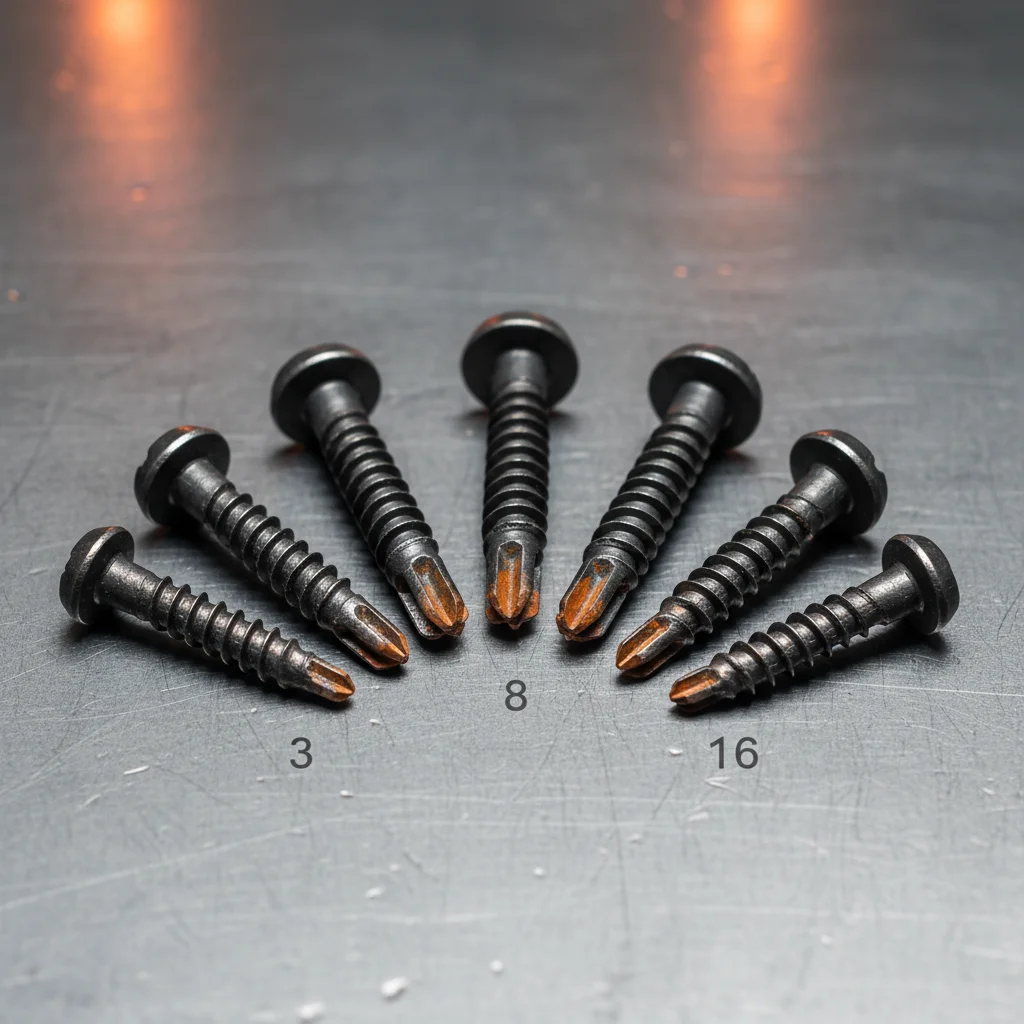
The 14 hex head self tapping screw is a versatile fastening solution widely used across numerous industries, from construction and automotive to electronics and DIY projects. Its ability to create its own threads as it's driven into materials makes it a highly efficient and convenient option. This article will delve into the specifics of this screw type, exploring its features, applications, benefits, and considerations for selecting the right one for your needs. Whether you’re a seasoned professional or a weekend warrior, understanding the nuances of the 14 hex head self tapping screw will help you achieve secure and lasting results.
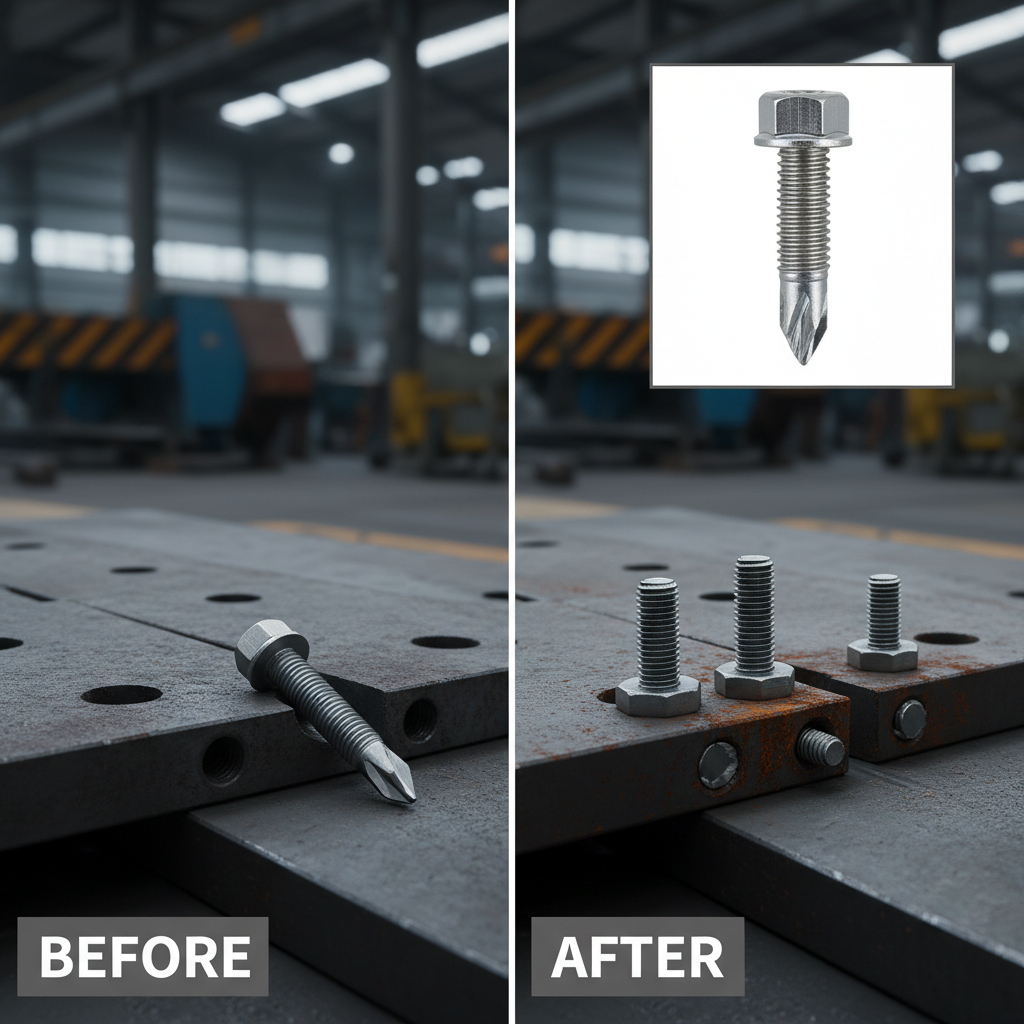
The “14” in the name refers to the screw’s diameter in millimeters. The hex head provides a larger surface area for wrench or socket tightening, offering greater torque and ease of installation compared to other head types. 'Self-tapping' indicates its ability to form threads as it’s screwed in, eliminating the need for pre-tapped holes in many applications. This capability saves time and effort, making it a cost-effective fastening solution. These screws are commonly made from carbon steel, stainless steel, or alloy steel, with various finishes available like zinc plating, black oxide, or galvanization to enhance corrosion resistance. Lianshi Wjnail offers a comprehensive range of these screws to meet diverse application needs.
Key Benefits: Saves time by eliminating pre-tapping, provides strong and reliable fastening, available in various materials and finishes for corrosion resistance, easy to install with standard tools.
The versatility of the 14 hex head self tapping screw makes it suitable for a wide array of applications. In the construction industry, they're used for fastening metal roofing, siding, and structural components. Automotive applications include securing body panels, interior trim, and various mechanical parts. They’re also commonly found in the electronics industry for assembling enclosures and mounting components. Furthermore, DIY enthusiasts frequently utilize them for furniture assembly, repairs, and general household projects. Choosing the right material and finish is crucial to ensure the screw can withstand the specific environmental conditions and loads encountered in each application.
Common Applications:
• Construction: Roofing, siding, metal structures
• Automotive: Body panels, interior trim
• Electronics: Enclosure assembly, component mounting
• DIY Projects: Furniture assembly, repairs
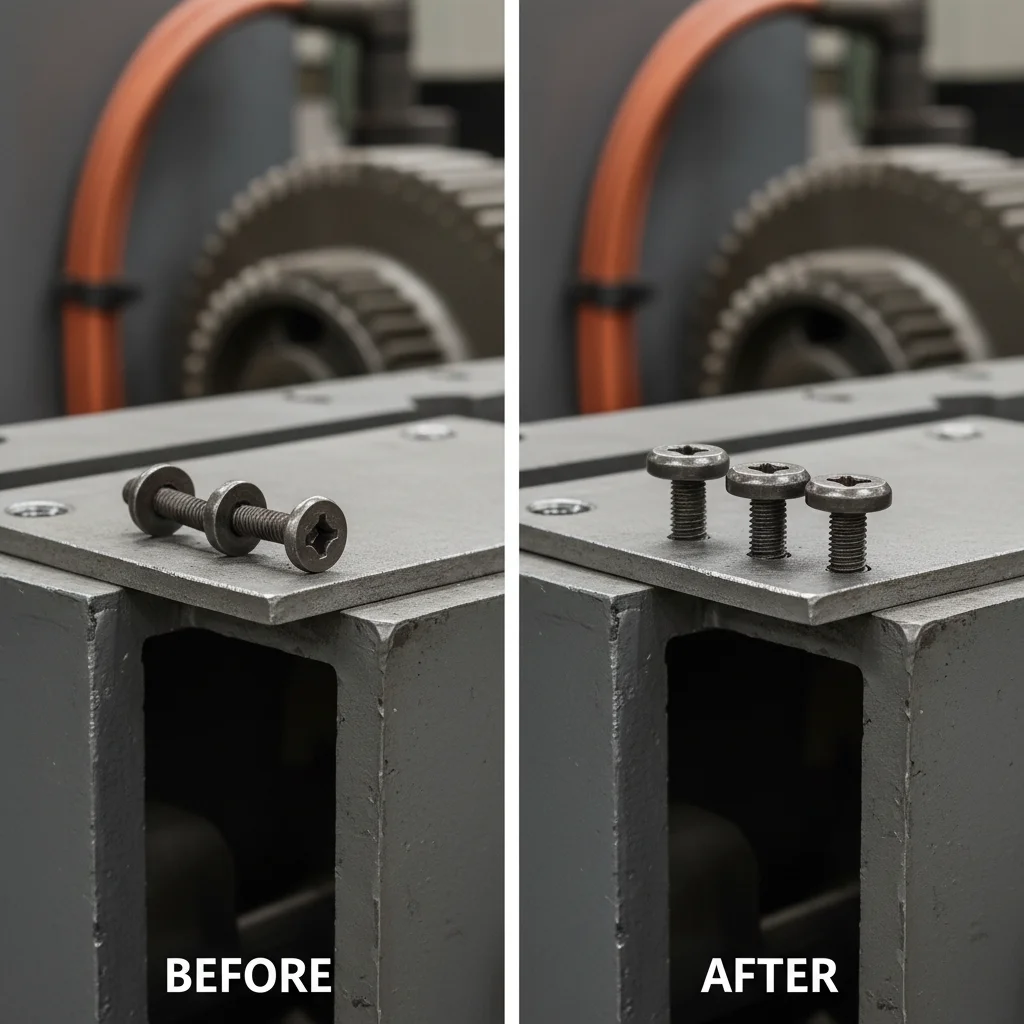
When choosing a fastener, it’s important to consider alternatives and understand their strengths and weaknesses. Compared to standard machine screws, the 14 hex head self tapping screw eliminates the need for pre-tapped holes, saving significant time and labor. Compared to wood screws, self-tapping screws are designed for metal, providing a stronger and more durable connection. They also offer better resistance to loosening due to vibration. Against rivets, screws offer the advantage of being removable and adjustable. Selecting the appropriate fastener depends on the specific application, material being joined, and desired level of permanence.
Several factors influence the choice of a 14 hex head self tapping screw. Consider the material being fastened – different materials require different screw types and coatings. Stainless steel is ideal for corrosive environments, while carbon steel with zinc plating offers a balance of strength and cost-effectiveness. The length of the screw should be appropriate for the thickness of the materials being joined, ensuring sufficient thread engagement. Also, consider the point style – drill point screws are suitable for thinner materials, while cutting point screws are designed for thicker materials. Lianshi Wjnail's product catalog provides detailed specifications and recommendations to assist with your selection.
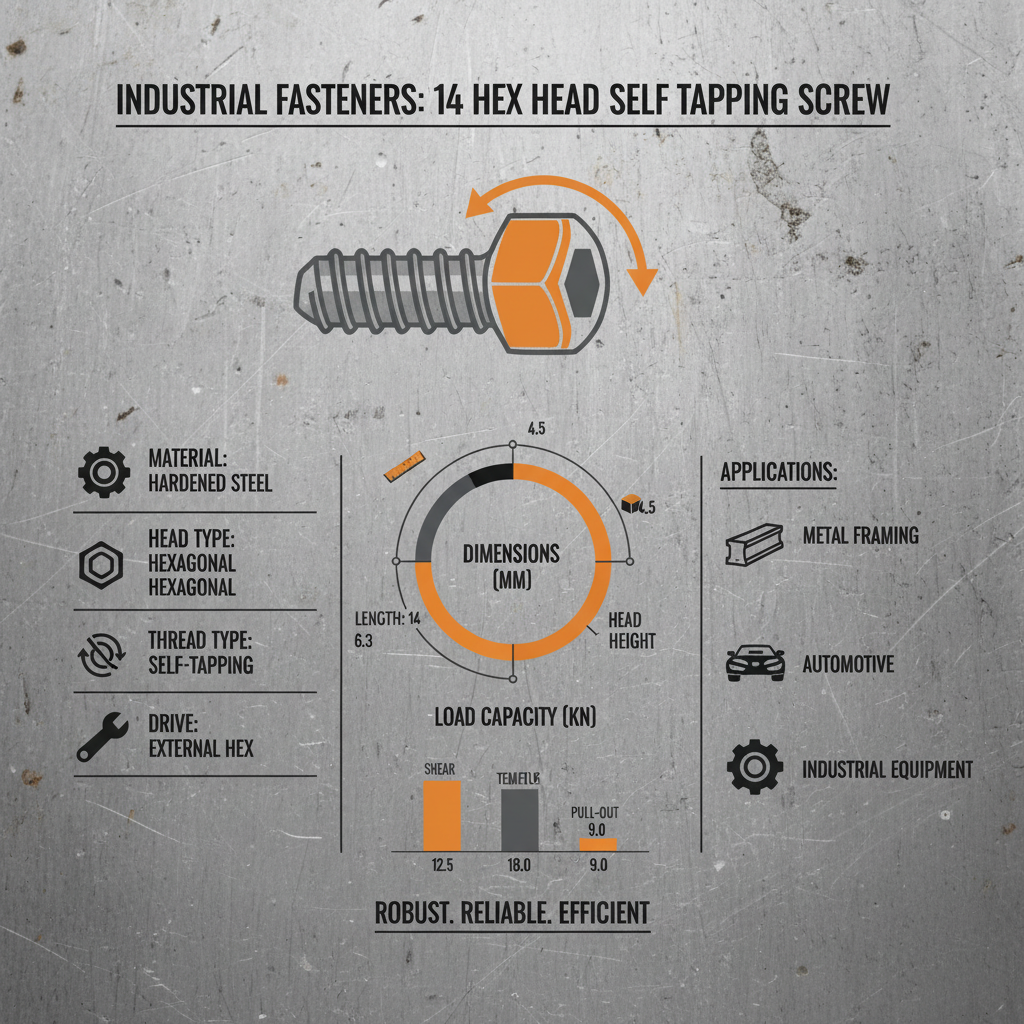
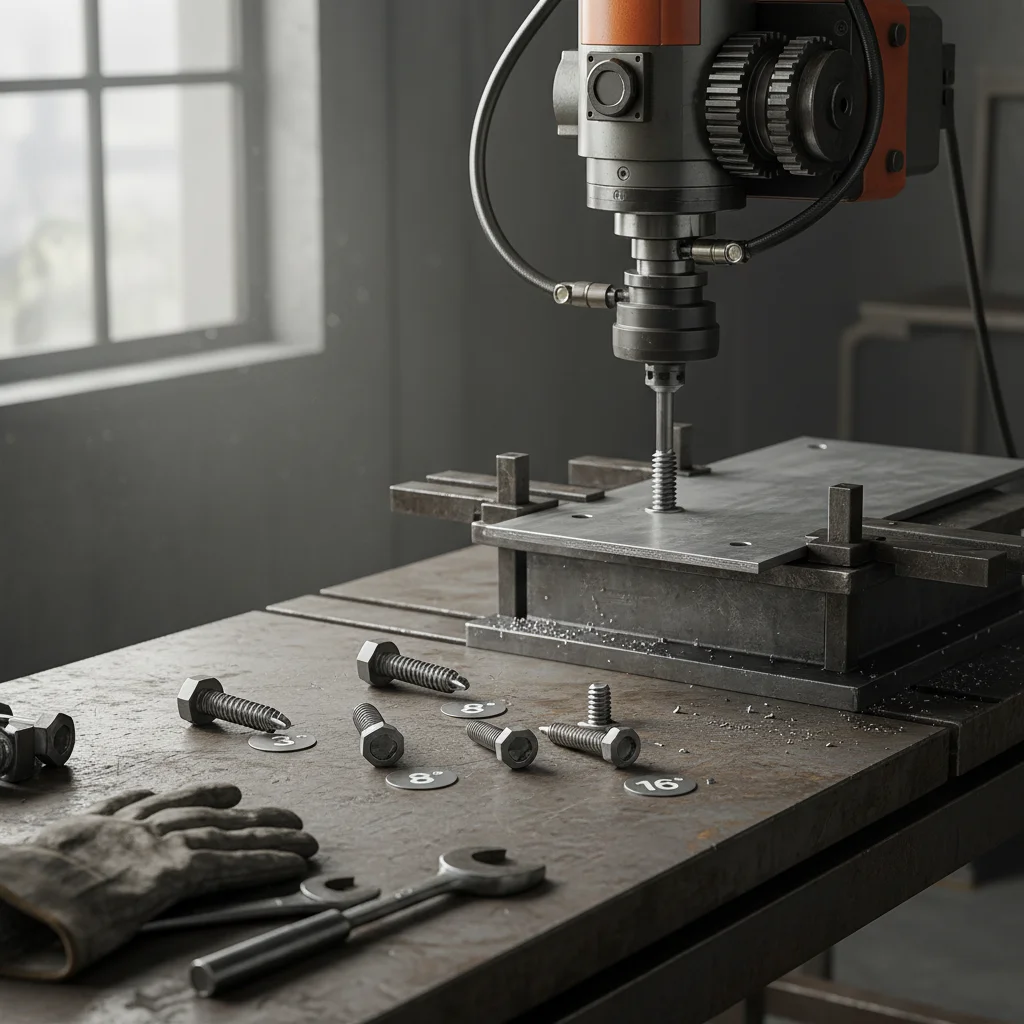
Proper installation is crucial for maximizing the performance and safety of the 14 hex head self tapping screw. Use the correct drill size for pre-drilling pilot holes, if necessary, to prevent stripping or damage to the materials. Apply consistent pressure and avoid over-tightening, which can weaken the screw or the surrounding material. Always wear appropriate safety gear, including eye protection, when working with screws and power tools. Inspect the installed screws regularly to ensure they remain secure and haven't loosened over time.
The 14 hex head self tapping screw stands out as a reliable and efficient fastening solution for a broad spectrum of applications. Its self-tapping capability, combined with the secure grip of the hex head, makes it a favored choice among professionals and DIYers alike. By understanding its features, applications, and proper installation techniques, you can ensure optimal performance and long-lasting results. Choose quality screws from a trusted supplier like Lianshi Wjnail for peace of mind and superior fastening power.
These screws are commonly manufactured from carbon steel, stainless steel, and alloy steel. Carbon steel offers excellent strength and is often coated with zinc for corrosion resistance. Stainless steel provides superior corrosion resistance, making it ideal for outdoor or marine applications. Alloy steel combines strength and durability for demanding applications. The choice of material depends on the specific environment and the loads the screw will be subjected to. Lianshi Wjnail offers screws in all these materials to meet diverse needs. Selecting the correct material is key to ensuring longevity and preventing failure.
The screw length should be sufficient to penetrate both materials being joined and provide adequate thread engagement. As a general rule, the screw should extend at least half the thickness of the bottom material beyond the surface. It’s crucial to avoid screws that are too short, as they won't provide a secure hold, or too long, as they may protrude and create a hazard. Measure the combined thickness of the materials and add the required penetration depth to determine the appropriate length. Consider also the presence of any washers or spacers that may affect the overall length needed.
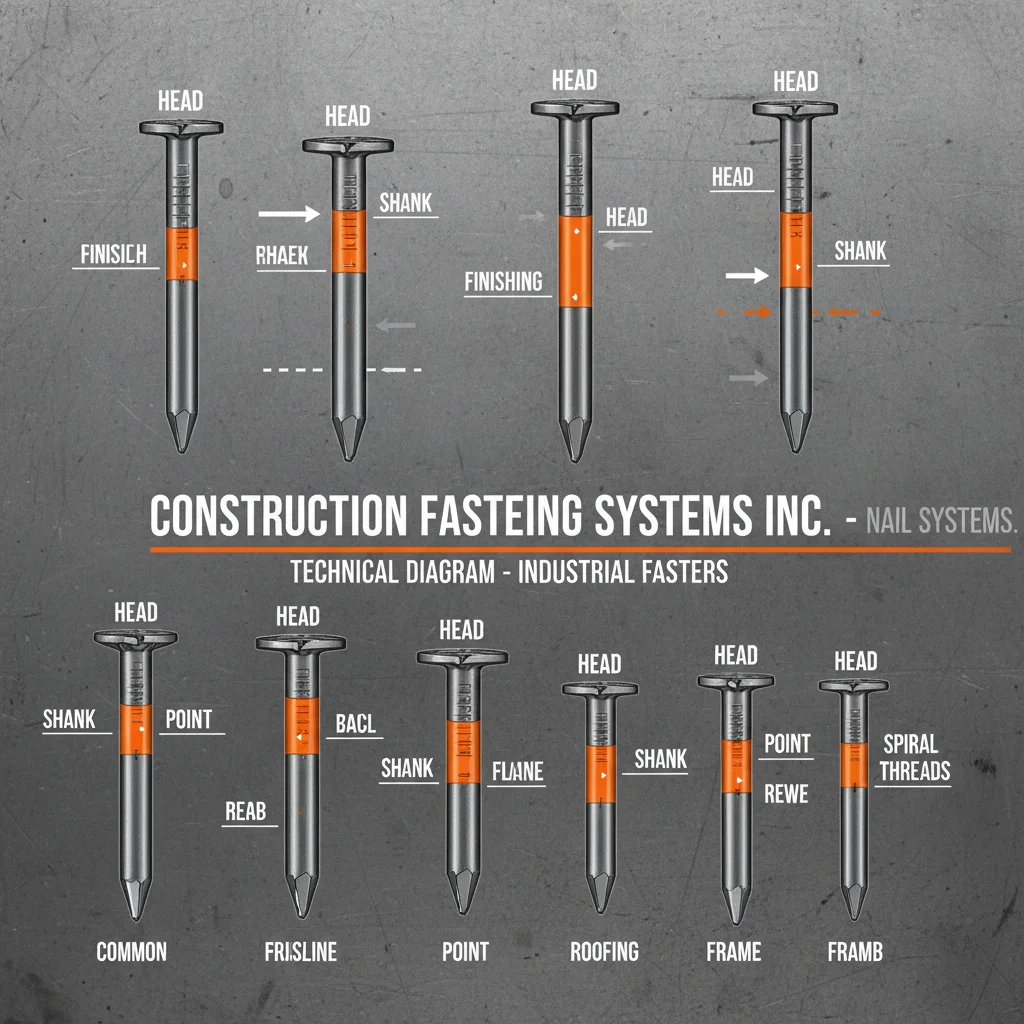
Drill point screws have a sharp point that resembles a drill bit, making them suitable for thinner materials. They create their own threads and hole simultaneously. Cutting point screws, on the other hand, have a more aggressive cutting edge and are designed for thicker materials. They essentially cut through the material as they're driven in. Choosing the right point style depends on the material thickness and hardness – drill point for thinner, softer materials, and cutting point for thicker, harder materials.
Yes, you can often use a standard drill with a suitable bit to install 14 hex head self-tapping screws, especially for pre-drilling pilot holes. However, using an impact driver is generally recommended, as it provides more controlled power and torque, reducing the risk of stripping the screw head or damaging the material. When using a drill, start with a low speed and gradually increase it as needed. Always use the correct drill bit size for the screw diameter and material being fastened.
JOIN OUR NEWSLETTER


If you are interested in our products, you can choose to leave your information here, and we will be in touch with you shortly.