


When you look to buy stainless steel nails, you are investing in a fastening solution designed for longevity and structural stability. Unlike standard carbon steel options, stainless steel nails provide an essential barrier against oxidation, making them indispensable for environments exposed to moisture, chemicals, or varying weather conditions. Whether for architectural accents or heavy-duty industrial fixing, the right grade of steel ensures that the integrity of the build remains intact over decades.
The challenge for most procurement managers and contractors lies in balancing material cost with actual performance requirements. Many fail to account for the long-term maintenance costs associated with corrosion-prone fasteners, leading to premature failure and expensive retrofitting. Understanding the synergy between material grade, coating types, and the specific demands of the substrate is critical to avoiding these common infrastructure pitfalls.
This guide provides a comprehensive analysis of high-performance fastening solutions, specifically focusing on specialized options like Sotts Pipe Clip Nails. We will explore the technical specifications, application scenarios, and procurement criteria necessary to help you make an informed decision when you buy stainless steel nails for your next construction or renovation project.

1Understanding the Essentials of Stainless Fasteners

Buying stainless steel nails is not merely about selecting a fastener, but about matching the metallurgy to the environment. Stainless steel's primary value lies in its chromium content, which forms a passive layer of chromium oxide that prevents surface corrosion. In the context of furniture hardware and architectural decorative hardware, this ensures that the aesthetic finish remains pristine without the need for frequent painting or replacement.
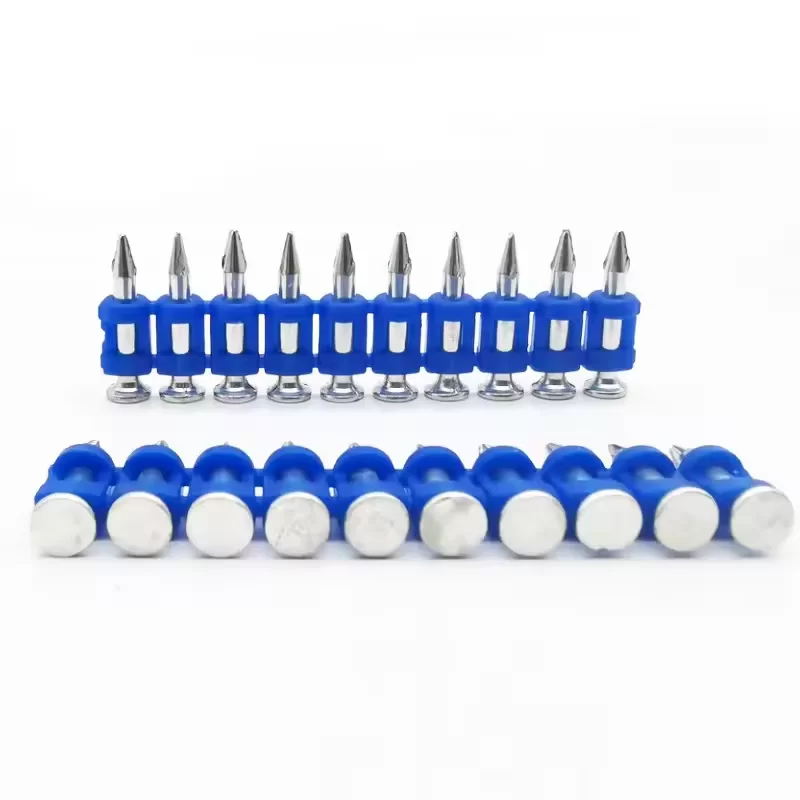
For specialized applications, such as the Sotts Pipe Clip Nails, the integration of a galvanized finish on high-grade steel creates a dual layer of protection. This is particularly vital for water pipe and conduit installations where constant contact with damp surfaces is inevitable.
Understanding these basics prevents the common mistake of over-specifying materials for indoor use or under-specifying for outdoor industrial zones, thereby optimizing the project budget without compromising safety.
2Core Technical Advantages of High-Grade Steel Nails
The technical superiority of premium nails, such as those manufactured from Class 6 steel, manifests in their load-bearing capacity and resistance to bending. When you buy stainless steel nails with a smooth shank design, you reduce the friction during driving, which not only speeds up the installation process but also minimizes the risk of splitting the substrate material.
Corrosion resistance is further enhanced through advanced galvanized surface treatments. This process prevents rust and oxidation at a molecular level, extending the operational lifespan of the fastening system far beyond that of traditional common nails.
Furthermore, the precision in sizing—ranging from 4cents to 1inch—allows engineers to match the fastener exactly to the conduit diameter and substrate thickness, eliminating the gaps that often lead to structural instability.
3Practical Application Scenarios in Modern Construction
In residential and commercial plumbing, the secure installation of water pipes requires fasteners that can withstand constant vibration and humidity. Sotts Pipe Clip Nails are specifically engineered for this purpose, ensuring that pipes remain flush against walls and ceilings without shifting over time.
Beyond plumbing, these fasteners are widely used in electrical infrastructure for securing conduits. The smooth shank allows for rapid deployment across large-scale projects, reducing labor hours while maintaining a high standard of safety and alignment.
In the realm of furniture manufacturing and carpentry, the use of high-quality steel nails ensures that decorative elements and structural joints remain tight, preventing the "loosening" effect often seen in lower-grade hardware after several years of use.
4Performance Analysis: Galvanized vs. Standard Steel
When comparing the ROI of fastening materials, the initial cost of the nail is often eclipsed by the cost of failure. Standard nails often succumb to rust within a few years in humid environments, leading to "rust bleed" that stains walls and weakens the grip on the conduit.
High-performance galvanized nails, like the Sotts series, significantly extend the project lifecycle. The data indicates a marked improvement in longevity and installation efficiency due to the reduced friction of the smooth shank and the chemical stability of the galvanized layer.
buy stainless steel nails Performance Metrics
As shown in the performance metrics, the shift toward specialized steel nails results in lower maintenance costs and increased safety. The ability to maintain structural integrity under Class 6 steel standards ensures that the load-bearing capacity remains consistent regardless of environmental stressors.
5Strategic Procurement and Selection Criteria
To optimize procurement when you buy stainless steel nails, focus on three primary variables: substrate compatibility, environmental exposure, and required load capacity. Selecting a nail that is too large can damage the conduit clip, while one too small will fail to provide the necessary stability.
Evaluating the supplier's quality assurance process is equally important. Ensure that the galvanization is uniform and that the steel meets specific industry grades to avoid batch inconsistency, which can lead to uneven installation speeds across a project.
Additionally, consider the logistics of the supply chain. Sourcing from regions with advanced metal fabrication technology, such as Hebei, China, often provides a better balance of precision engineering and cost-effectiveness for international shipments.
6Industry Trends in Corrosion-Resistant Hardware
The hardware industry is shifting toward "lean manufacturing" and precision customization. There is an increasing demand for fasteners that are not just "strong," but are optimized for specific diameters and materials, reducing material waste during the construction phase.
Technological reforms in galvanization are allowing for thinner yet more durable protective layers, which maintain the nail's precision dimensions while increasing its resistance to salt-spray and industrial pollutants.
As sustainability becomes a priority, the focus is moving toward materials with longer lifecycles. By investing in higher-grade steel nails now, companies reduce the environmental impact associated with repeated replacement and disposal of failed fasteners.
7Comparative Analysis for Decision Making
Choosing the right nail requires a direct comparison between standard utility fasteners and engineered solutions. While standard nails are suitable for temporary or low-moisture internal tasks, they lack the specialized properties required for professional plumbing and electrical work.
The following table outlines the critical differences in value impact, helping procurement teams justify the investment in higher-grade materials based on total project lifecycle costs.
| Feature | Standard Nails | Sotts Pipe Nails | Value Impact |
|---|---|---|---|
| Corrosion Life | Short-term | Long-term (Galvanized) | Lower Maintenance |
| Installation Speed | Average | High (Smooth Shank) | Reduced Labor Cost |
| Holding Power | Variable | High (Class 6 Steel) | Increased Safety |
| Material Waste | Moderate | Low (Precision Fit) | Material Saving |
| Project Lifecycle | Standard | Extended | Higher ROI |
| Substrate Fit | General | Optimized for Clips | Better Stability |
In conclusion, the evidence suggests that for any application involving water conduits or long-term structural requirements, the engineered advantages of galvanized high-grade steel far outweigh the marginal increase in initial cost.
Frequently Asked Questions
Conclusion
Choosing the right fastening solution is a critical step in ensuring the long-term viability of any construction project. When you buy stainless steel nails or high-grade galvanized alternatives, you are mitigating the risk of corrosion and structural failure, which ultimately protects the investment of the property owner and the reputation of the contractor.
For those seeking high-performance fasteners that combine strength, corrosion resistance, and installation efficiency, reviewing the technical specifications at www.lianshiwjnail.com can provide the necessary guidance to select the ideal product for your specific application.