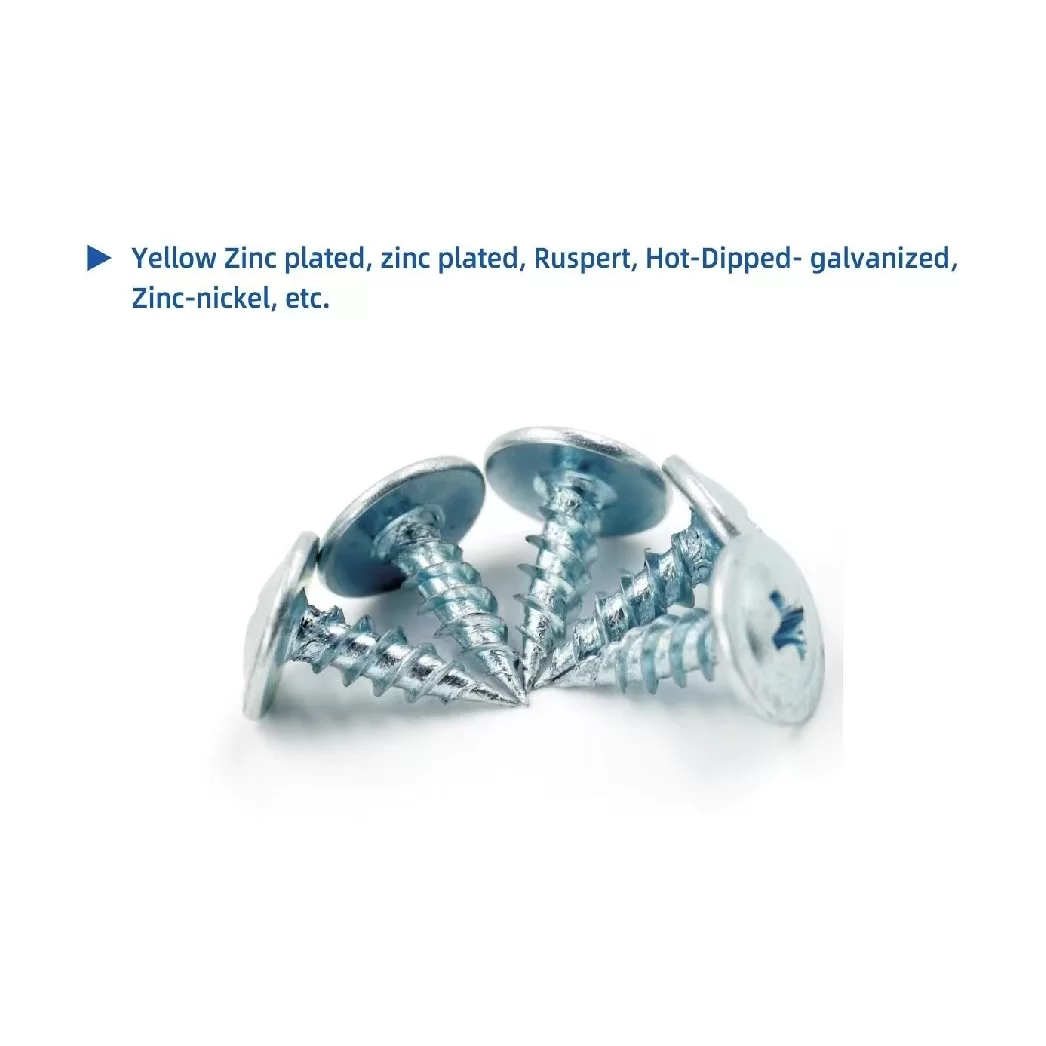



Procuring high-performance fasteners often leads buyers to a critical crossroads: balancing the immediate cost of materials against long-term structural integrity. When evaluating ss nails price per kg, the focus frequently shifts toward the raw commodity market, yet the true value lies in the intersection of alloy grade, manufacturing precision, and the specific environmental demands of the project.
Whether you are managing large-scale infrastructure or specialized furniture production, understanding the variables that drive the pricing of stainless steel nails is essential for optimizing procurement budgets. Price fluctuations are rarely random; they are tied to global nickel and chromium indices, the complexity of the nail's geometry, and the scale of the order.
This guide examines the economic and technical drivers behind stainless steel fastener pricing, providing a framework for procurement officers and contractors to distinguish between low-cost commodities and high-value engineered solutions that prevent costly future failures.

Understanding the Volatility of Stainless Steel Fastener Pricing

The market for stainless steel fasteners is characterized by a complex interplay of raw material costs and production overhead. When users search for ss nails price per kg, they are often encountering a price point that is heavily influenced by the LME (London Metal Exchange) nickel prices. Since nickel is a primary component in most 300-series stainless steels, any geopolitical or industrial shift affecting nickel supply directly translates to the cost per kilogram of the finished nail.
Beyond raw materials, the processing cost—including cold heading, thread rolling, and surface treatment—adds a layer of value. For instance, nails with specialized coatings or those requiring high-precision tolerances for industrial machinery will command a premium over standard construction-grade nails. This means that a simple "price per kg" metric can be misleading if the quality of the alloy and the precision of the manufacture are not considered.
Furthermore, the scale of production impacts the unit cost. Manufacturers like Hebei Lianshi Furniture Hardware Co., Ltd. leverage specialized machinery to optimize output, which helps in stabilizing costs for large-volume orders. However, for small-batch custom lengths or specialized head styles, the setup costs are amortized over fewer units, naturally increasing the price per kilogram.
Technical Drivers of Cost: Material Grade and Geometry
Not all stainless steel is created equal, and the grade selection is the most significant variable in determining the final price. Grade 304 is the industry standard for general corrosion resistance, but when applications move toward marine environments or chemical processing, Grade 316 is required due to the addition of molybdenum. This chemical upgrade significantly increases the cost per kg but prevents pitting and crevice corrosion.
Geometry also plays a critical role. For example, a fluted shank design—where the body of the nail is grooved to increase mechanical interlock with concrete—requires more complex tooling and higher quality control than a smooth shank. While the raw weight of the steel remains similar, the engineering required to ensure the ridges provide consistent "bite force" adds to the manufacturing cost.
Additionally, the head style and length range (from 20mm to 150mm) affect material waste during the production process. Shorter, high-volume nails are typically more cost-efficient to produce, whereas exceptionally long nails may require different tempering processes to prevent bending during insertion into dense substrates, thereby impacting the price.
Application Contexts for High-Grade Stainless Steel Nails
The selection of stainless steel nails is driven by the environment they will inhabit. In architectural decorative hardware, the priority is often a combination of aesthetic finish and corrosion resistance. Here, the price per kg is secondary to the nail's ability to remain flush and rust-free over decades of exposure to humidity and cleaning agents.
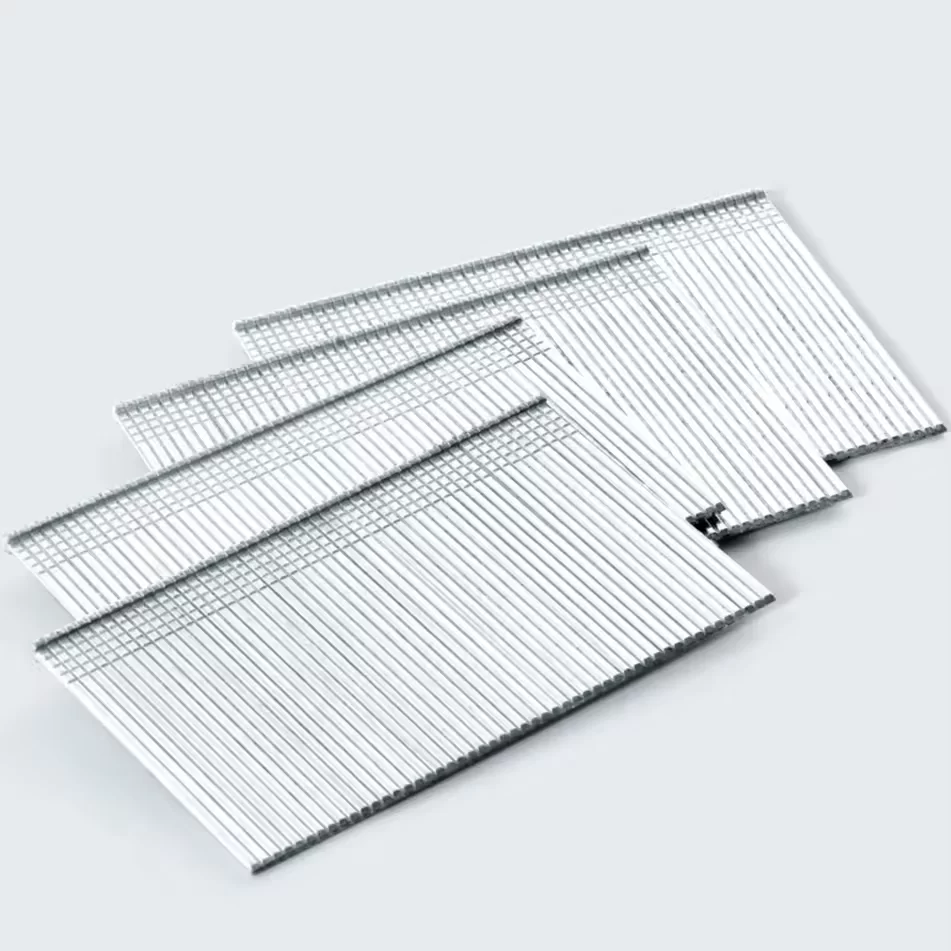
In industrial infrastructure, such as installing conduit or piping supports on concrete bridges and tunnels, the focus shifts to load-bearing capacity and structural stability. The use of pneumatic steel nails in these scenarios streamlines the workflow, reducing labor costs which can often outweigh the material cost of the fasteners themselves. The fluted design becomes an operational necessity to prevent pull-out under vibration.
For the DIY and home improvement sector, precision hand nails are preferred for localized repairs and custom installations. In these cases, the value proposition is based on ease of use and the prevention of damage to the surrounding material, meaning the user is paying for a product that balances strength with a clean, low-profile finish.
Comparing Cost Efficiency Across Different Steel Varieties
When evaluating the ROI of different nail types, it is helpful to look at performance metrics relative to their cost. Standard carbon steel nails are the cheapest per kg but fail quickly in moist environments. Galvanized steel offers a middle ground, but only high-grade stainless steel provides the long-term stability required for permanent concrete and masonry attachments.
The following data illustrates the relative performance of different fasteners in terms of corrosion resistance, pull-out strength, and installation speed. While stainless steel has a higher initial price point, its performance in critical metrics ensures that the total cost of ownership is lower over the project's lifespan.
ss nails price per kg Performance Metrics
As shown in the comparison, the "Industry Benchmark" (representing standard fasteners) often falls short in long-term durability and stability. The integration of high-grade stainless steel with innovative features like fluted shanks significantly boosts the reliability of the fastening system, justifying the higher material cost through reduced rework and maintenance.
Strategic Procurement Guidelines for Bulk Hardware Orders
To optimize procurement, buyers should move away from simply seeking the lowest price per kilogram and instead implement a value-based selection process. This begins with a rigorous assessment of the environmental exposure—is the project in a coastal zone, an industrial plant, or an indoor residential setting? This determination dictates whether the investment in Grade 316 or the standard Grade 304 is appropriate.
Secondly, evaluate the tool-compatibility of the nails. Transitioning from manual hand nails to pneumatic steel nails can drastically reduce labor hours on high-volume sites. While the nails themselves might have a different price point, the reduction in man-hours often results in a significant net saving for the overall project budget.
Finally, establish long-term partnerships with manufacturers who maintain strict quality controls. Hebei Lianshi Furniture Hardware Co., Ltd. focuses on "survival by quality and development by efficiency," ensuring that the fasteners delivered meet ISO and regional construction standards, which minimizes the risk of batch inconsistency and structural failure.
Future Market Shifts in Metal Fastener Manufacturing
The manufacturing of stainless steel nails is likely to be influenced by the trend toward "lean manufacturing" and the adoption of higher-precision automated tooling. As the industry evolves, we may see a shift toward more sustainable alloy compositions that maintain high corrosion resistance while reducing dependence on volatile rare metals, potentially stabilizing the price per kg over the long term.
Furthermore, the demand for "smart" construction materials could lead to the development of fasteners with integrated sensors or specialized coatings that indicate structural stress. While these are currently niche applications, the foundation is being laid through the current innovation in shank design and material tempering, moving the nail from a simple commodity to an engineered component.
Digital integration in the supply chain is also expected to provide buyers with more real-time transparency regarding material costs. This will allow for more dynamic pricing models where procurement can be timed to coincide with market dips in raw nickel and chromium, further optimizing the cost of high-volume hardware orders.
Decision Framework for Stainless Steel Fastener Selection
Choosing the right fastener requires a balanced analysis of material properties, application needs, and budget constraints. The following matrix provides a comparison of common fastener types to help procurement officers determine the most suitable option based on specific operating conditions and performance requirements.
By analyzing the trade-offs between different steel grades and shank designs, it becomes clear that the most expensive option per kilogram is not always the most costly in the long run, especially when the cost of failure is high.
| Fastener Type | Primary Use Case | Corrosion Risk | Cost Driver |
|---|---|---|---|
| Grade 304 Standard | Indoor Furniture/Hardware | Low to Moderate | Nickel Market Price |
| Grade 316 Marine | Coastal/Chemical Plants | Very Low | Molybdenum Content |
| Fluted Shank Steel | Concrete Wall Fixtures | Moderate | Tooling Complexity |
| Pneumatic Steel Nail | High-Volume Construction | Moderate | Precision Tolerances |
| Galvanized Carbon | Temporary Structures | High (Long-term) | Zinc Coating Process |
| Tapping Screws | Metal-to-Metal Joinery | Moderate | Thread Engineering |
Ultimately, the decision should be based on the specific technical requirements of the project. For those seeking a reliable partner in the manufacturing of architectural and household hardware, the range of products available at www.lianshiwjnail.com provides the necessary diversity in specifications to meet both precision and volume needs.
Frequently Asked Questions
Conclusion
Navigating the complexities of ss nails price per kg requires a shift in perspective from viewing fasteners as simple commodities to seeing them as critical engineered components. The initial investment in high-grade materials and innovative designs, such as fluted shanks, pays dividends in the form of structural reliability and reduced long-term maintenance costs.
By aligning material grades with environmental demands and optimizing installation methods through pneumatic tools, procurement professionals can achieve a superior balance of cost and performance. For those seeking high-quality, industry-compliant hardware solutions, exploring the technical specifications available through www.lianshiwjnail.com can provide the necessary data to make an informed decision.