


Selecting the right components for structural stability often begins with a comprehensive building hardware materials list, a critical roadmap for contractors and engineers to ensure every joint, conduit, and fixture is secured with the correct grade of fastener.
In the complex environment of modern construction, the difference between a project that lasts decades and one that requires premature maintenance often lies in the metallurgical properties and coating specifications of the hardware used. From architectural decorative elements to heavy-duty structural nails, the material choice dictates the resistance to shear force and environmental corrosion.
This guide examines the technical requirements for essential building hardware, focusing on how precision-engineered solutions—such as those provided by Hebei Lianshi Furniture Hardware Co., Ltd.—optimize installation efficiency and long-term structural integrity across residential and industrial applications.

Essential Categories in a Professional Hardware Inventory

A professional building hardware materials list is not merely a shopping list but a technical specification document. It typically divides hardware into distinct functional groups: structural fasteners, architectural decorative hardware, and household utility components. Each group serves a unique purpose, where structural components prioritize tensile strength and decorative hardware emphasizes aesthetic finish and corrosion resistance.
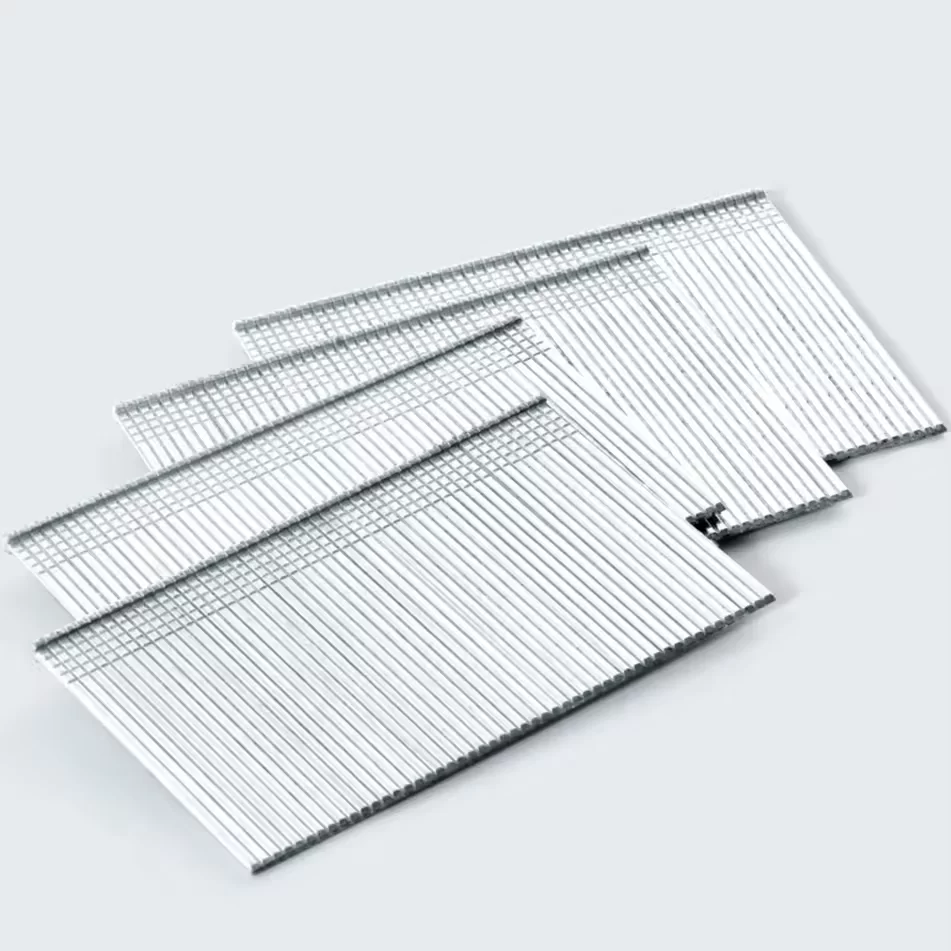
For instance, the inclusion of specialized items like tapping screws and steel shooting nails indicates a need for rapid installation without sacrificing the grip strength required for heavy-duty framing or cabinetry. These components must be cross-referenced with the substrate material—be it hardwood, softwood, or light-gauge steel—to prevent splitting or stripping during the driving process.
Moreover, the integration of household hardware, such as damping hinges and buffer slides, reflects the shift toward user-centric design in interior construction. By categorizing hardware based on both mechanical function and environmental exposure, project managers can avoid the costly mistake of using internal-grade fasteners in external, moisture-prone areas.
Technical Specifications for High-Performance Fastening Solutions
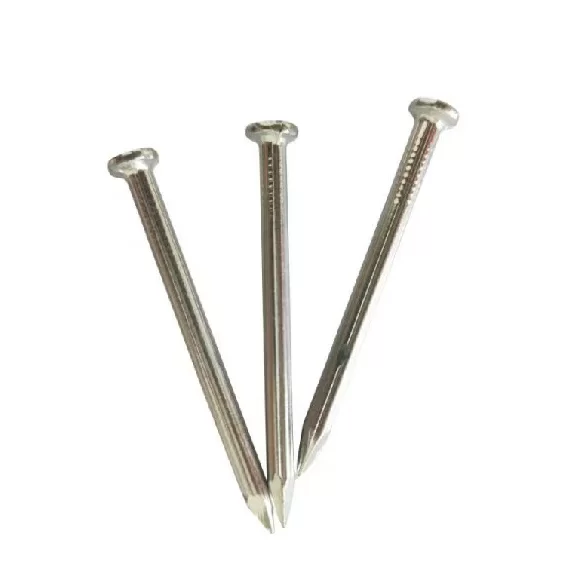
When analyzing specific components, such as the Sotts Pipe Clip Nails, the technical focus shifts to the synergy between material grade and surface treatment. Manufactured from Class 6 high-quality steel, these fasteners are engineered to provide the exact balance of rigidity and flexibility needed to secure water pipes and electrical conduits without bending under pressure.
The smooth shank design is a critical technical detail; it reduces friction during penetration, which significantly increases the speed of conduit fixing. When combined with a flat round head, the fastener creates a wide contact area that prevents the nail from pulling through the clip, ensuring a stable, flush grip that is essential for long-term conduit management.
Corrosion resistance is achieved through advanced galvanization. A galvanized finish creates a protective zinc layer that prevents oxidation, making these components suitable for the demanding conditions found in plumbing infrastructure. This technical approach ensures that the structural integrity of the fastening system remains intact even when exposed to ambient humidity.
Application Scenarios for Architectural and Household Hardware
The application of building hardware varies drastically between the structural skeleton of a building and its final interior finishes. In industrial plumbing and electrical setups, the primary requirement is secure conduit management. Here, Pipe Clip Nails in sizes like 4cents, 6cents, and 1inch are deployed to lock clips against masonry or timber substrates, preventing pipe vibration and sag.
In the realm of furniture manufacturing and interior decoration, the focus shifts to movement and ergonomics. Hebei Lianshi Furniture Hardware utilizes specialized machinery to produce eccentric wheels and connecting rods that allow for modular assembly. These components are vital in modern cabinetry, where the ability to disassemble and reassemble furniture without compromising the joint strength is a key market demand.
Architectural decorative hardware further bridges the gap between function and form. These elements are often used in high-visibility areas where the finish—whether polished or galvanized—must match the overall design language while still providing the necessary load-bearing capacity for fixtures and wall-mounted installations.
Evaluating Material Durability and Load-Bearing Capacity
Quantifying the performance of building hardware requires a look at the trade-offs between material grade and installation speed. Standard nails often suffer from higher friction and lower corrosion resistance, which increases the total cost of ownership due to frequent replacements and slower labor cycles.
By implementing Class 6 steel and specialized galvanized coatings, the lifespan of the installation is extended. The following metrics illustrate the comparative advantage of precision-engineered hardware over generic alternatives in terms of installation efficiency and long-term stability.
building hardware materials list Performance Metrics
As shown, the transition to optimized smooth-shank and galvanized hardware results in a marked increase in installation speed and a significant reduction in maintenance requirements. This data suggests that investing in higher-grade materials at the procurement stage yields a higher ROI over the project lifecycle.
Procurement Strategies for Large Scale Construction Projects
Efficient procurement for construction hardware hinges on the balance between Minimum Order Quantities (MOQ) and supply chain reliability. For large-scale projects, the risk of project delays due to fastener shortages is a significant cost driver. Implementing a real-time inventory control system allows for consistent supply levels without overstocking.
When evaluating suppliers, procurement officers should prioritize those who offer batch customization. The ability to specify size distributions based on technical drawings—such as choosing a higher ratio of 6cents nails for residential conduit work—reduces on-site material waste. Furthermore, streamlined ordering processes with flexible MOQs, starting from a single carton, allow for agile adjustments as project needs evolve.
Logistics optimization also plays a role in cost reduction. Secure carton packing is essential for international shipping to ensure zero damage during transit, particularly for precision-threaded components like tapping screws, where any deformation of the thread can render the part useless.
Future Trends in Sustainable Metal Fabrication Hardware
The metal hardware industry is currently experiencing a shift toward sustainable fabrication and "smart" fastening. New coatings are being developed to replace traditional galvanization with more environmentally friendly alternatives that offer equivalent or superior anti-corrosive properties without the associated chemical footprint.
Automation in production is also increasing the precision of hardware. The use of advanced CNC machinery for producing furniture connecting rods and damping hinges allows for tighter tolerances, which in turn reduces the need for manual adjustment during installation. This trend is likely to lead to more modular building systems where hardware is standardized across different architectural styles.
Additionally, the integration of high-strength, low-weight alloys may become more prevalent. As construction materials evolve, hardware must adapt to provide the same holding power while reducing the overall mass of the building components, potentially lowering transport costs and carbon emissions associated with heavy steel shipments.
Comparative Analysis of Hardware Fastening Systems
Choosing between different hardware solutions requires a systematic comparison of their mechanical properties and application suitability. Whether selecting a pipe clip nail for utility work or a tapping screw for assembly, the decision should be based on the expected load, the environmental exposure, and the required installation speed.
The following table provides a technical comparison of common hardware types used in contemporary building and furniture projects, highlighting the specific trade-offs involved in each selection.
| Hardware Type | Primary Material | Key Application | Main Advantage |
|---|---|---|---|
| Pipe Clip Nail | Class 6 Steel | Conduit Fixing | Rapid Installation |
| Tapping Screw | Hardened Steel | Metal-to-Metal | High Shear Strength |
| Damping Hinge | Zinc Alloy/Steel | Cabinetry | Smooth Operation |
| Connecting Rod | Galvanized Steel | Modular Furniture | Structural Versatility |
| Shooting Nail | High Carbon Steel | Framing/Carpentry | Extreme Speed |
| Decorative Hardware | Polished Alloy | Interior Finishes | Aesthetic Appeal |
Ultimately, the selection process must be guided by the technical requirements of the project. For those evaluating these specifications, detailed product and company information is available through www.lianshiwjnail.com to ensure the chosen hardware aligns with the structural goals of the build.
Frequently Asked Questions
Conclusion
The integrity of any construction project relies on the meticulous selection of components found within a building hardware materials list. By prioritizing material grades like Class 6 steel and surface treatments like galvanization, developers can ensure that their infrastructure is not only installed efficiently but is also resistant to the inevitable effects of time and environment.
As the industry moves toward greater precision and sustainability, the role of specialized manufacturers becomes increasingly vital. Those seeking high-performance fastening and furniture hardware solutions can review the full range of technical capabilities and product specifications at www.lianshiwjnail.com.