
Hit enter to search or ESC to close
Mar 10, 2026


When building or repairing outdoor structures, choosing the right fasteners is critical for longevity and safety. 2 1/2" self tapping exterior decking screws are a popular choice for decking, fencing, and other exterior projects, offering a secure and durable connection. This article provides a comprehensive guide to these screws, covering their features, benefits, applications, and how to choose the best ones for your needs. Investing in quality screws like those offered by Lianshi Wjnail ensures your project stands the test of time.
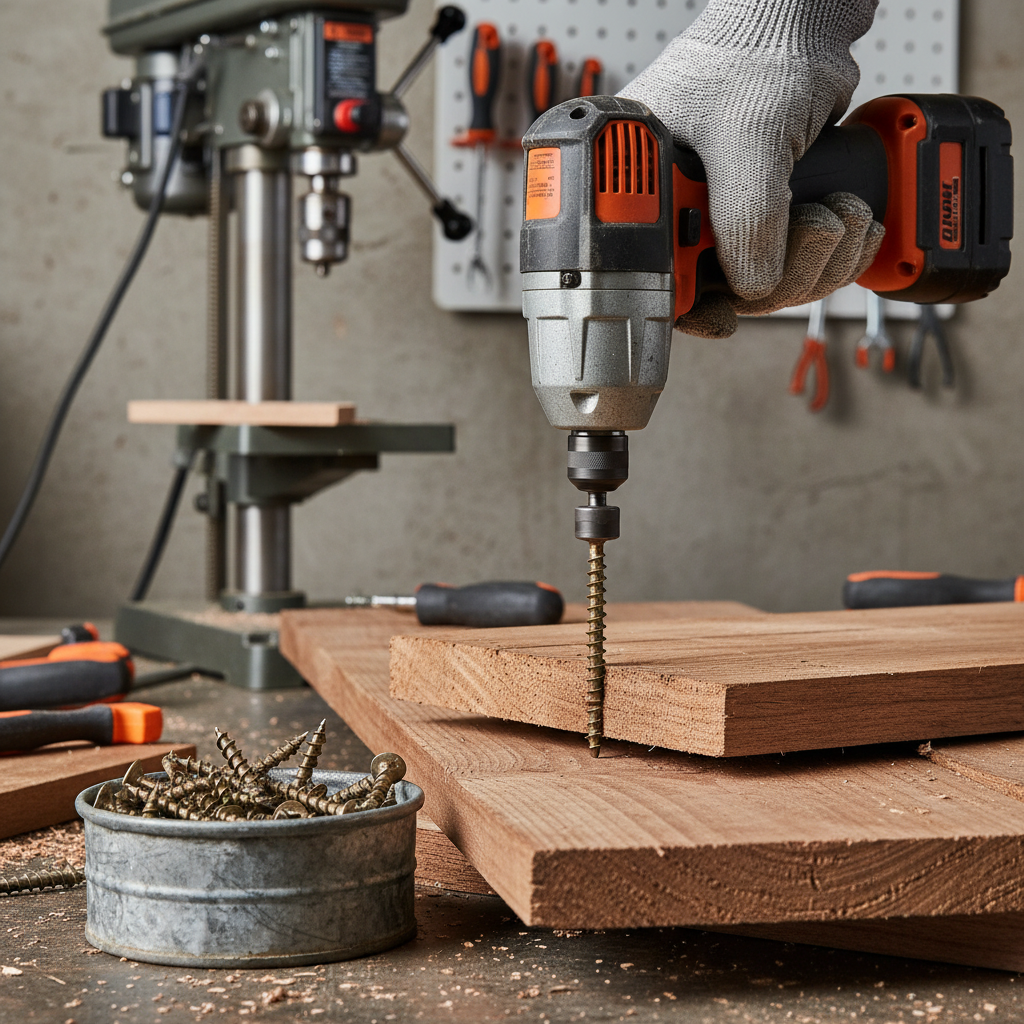
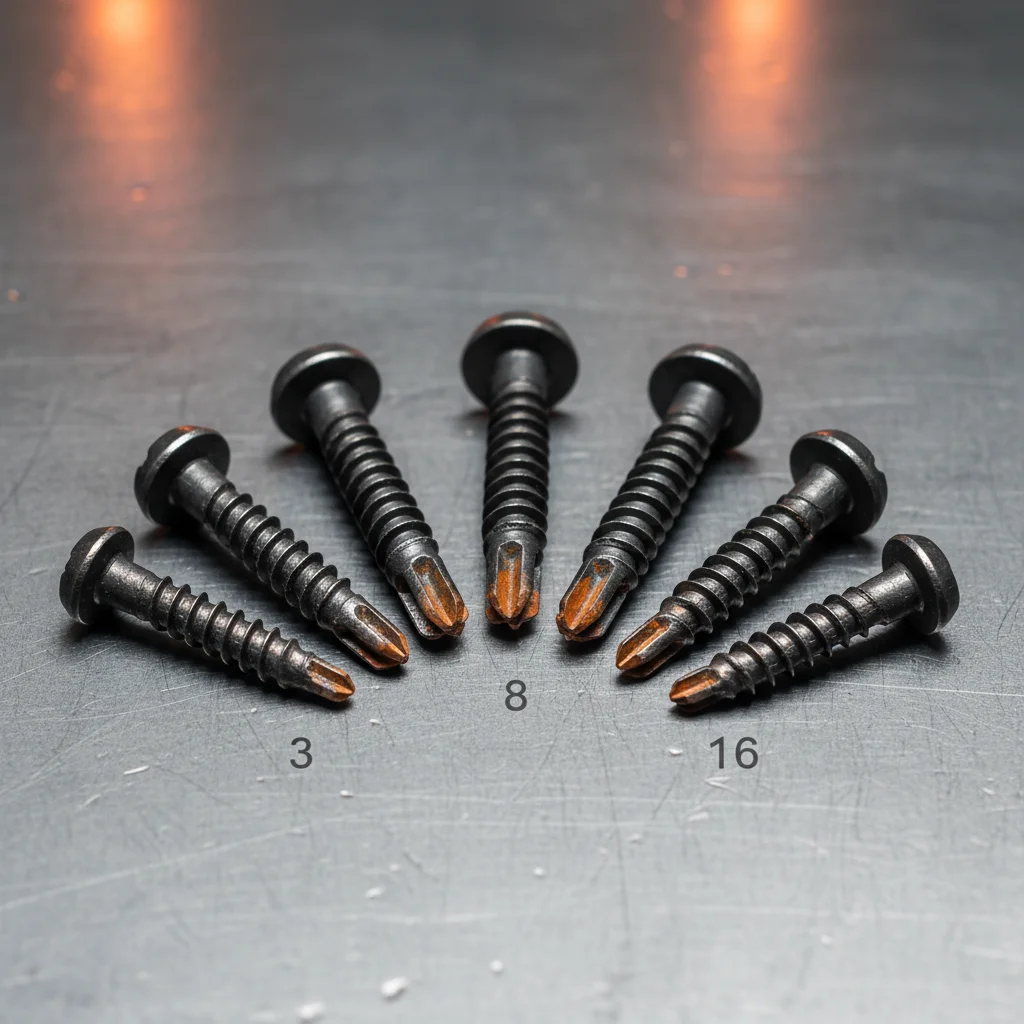
These screws are specifically designed for exterior use, meaning they're made from materials that resist corrosion from weather exposure. The “self-tapping” feature eliminates the need to pre-drill holes in most softwood decking materials, saving time and effort. The 2 1/2” length provides a strong, secure hold in typical decking board thicknesses, as well as for attaching railings and other structural elements. Look for screws with a bugle head, which countersinks neatly into the wood surface without splitting. A star drive (Torx) head is also preferred, offering superior bit engagement and reduced cam-out compared to Phillips or slotted heads. Lianshi Wjnail offers a diverse selection catering to various project needs.
Key Highlights: Corrosion-resistant coating, self-tapping design, 2 1/2" length for secure hold, bugle head for countersinking, and star drive for improved performance.
Using self-tapping screws streamlines the construction process. Pre-drilling can be time-consuming, especially on larger projects. Self-tapping screws eliminate this step, making installation faster and more efficient. Furthermore, the self-tapping design creates a tight, secure connection, reducing the risk of loosening over time. This is particularly important for exterior structures that are exposed to wind, rain, and temperature fluctuations. Choosing the right screw material—stainless steel or coated carbon steel—further enhances durability and protects against corrosion. These screws offer a significant advantage over traditional nails, which are more prone to pulling out or rusting.
Self-Tapping Screw Advantages:
• Eliminates pre-drilling, saving time and effort.
• Creates a tight, secure connection.
• Reduced risk of loosening due to weather exposure.
• More durable than nails.
The material of your decking screws significantly impacts their longevity and performance. The most common materials are stainless steel and coated carbon steel. Each has its pros and cons. Stainless steel offers superior corrosion resistance, making it ideal for coastal environments or projects exposed to harsh chemicals. However, it’s generally more expensive than coated carbon steel. Coated carbon steel screws, treated with a protective coating like ceramic or polymer, provide good corrosion resistance at a more affordable price point. The specific coating determines the level of protection, with ceramic coatings offering the highest resistance. Consider your project location and budget when choosing the right material. Lianshi Wjnail offers both stainless steel and coated carbon steel options.
These versatile screws are suitable for a wide range of exterior projects. Common applications include building and repairing wooden decks, constructing fences, attaching railings, building pergolas and arbors, and securing outdoor furniture. They are also excellent for fastening siding, trim, and other exterior wood components. Their self-tapping design makes them particularly useful for projects where pre-drilling is difficult or impractical. From small DIY projects to large-scale construction, these screws offer a reliable fastening solution.
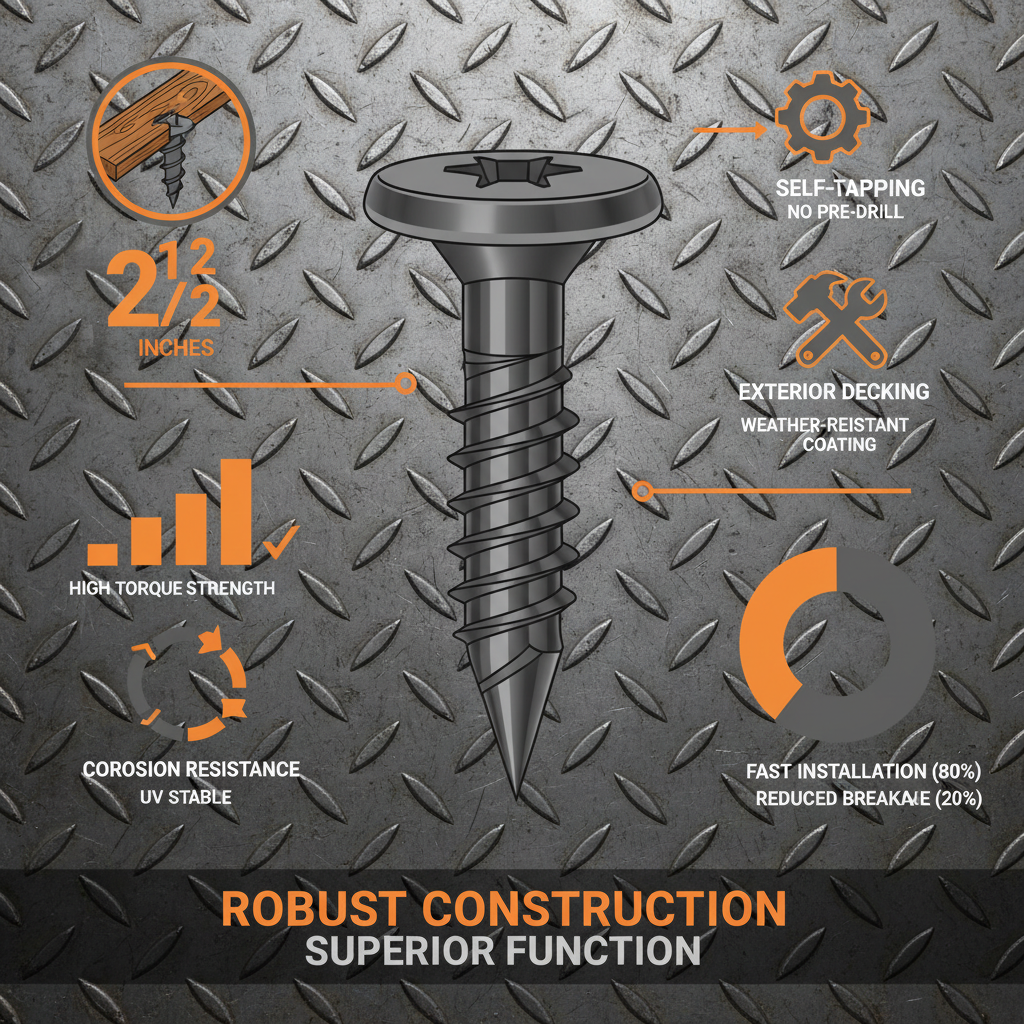
When selecting 2 1/2" self-tapping exterior decking screws, consider the wood type, project location, and desired level of corrosion resistance. For softwood decking like pine or cedar, a self-tapping screw with a bugle head and star drive is an excellent choice. If your project is near saltwater or exposed to harsh chemicals, opt for stainless steel screws. Always check the screw’s specifications to ensure it’s suitable for exterior use and meets relevant building codes. Lianshi Wjnail offers detailed product information to help you make the right decision.
Choosing the right fasteners, like 2 1/2" self tapping exterior decking screws from Lianshi Wjnail, is essential for a durable and safe outdoor project. By considering the material, length, and features described in this guide, you can ensure your structure stands the test of time. Don’t compromise on quality – invest in screws that will provide a secure and long-lasting connection.
These screws work particularly well with softwoods like pine, cedar, redwood, and pressure-treated lumber. The self-tapping design readily bites into these materials, creating a secure hold without the need for pre-drilling. However, they can also be used with hardwoods, but pre-drilling is often recommended to prevent splitting. Always test on a scrap piece of wood first to ensure optimal performance. The screw's ability to efficiently tap into the wood fiber is key for a strong connection.
Using a high-quality drill or driver with the correct size star drive bit is crucial. Apply consistent, firm pressure while driving the screw. Avoid over-tightening, as this is the most common cause of stripping. A slow to medium speed is generally recommended. If you encounter resistance, stop and assess the situation – you may need to pre-drill a pilot hole or use a lubricant.
Yes, 2 1/2" self-tapping screws can be used with composite decking, but it's essential to use screws specifically designed for composite materials. These screws typically have a different thread pattern and point geometry to ensure optimal grip and prevent splitting or cracking of the composite board. Lianshi Wjnail offers composite decking screws that are designed for this purpose.
"Corrosion resistant" indicates the screw is treated to withstand environmental factors like moisture, salt, and chemicals. The level of resistance varies based on the coating or material. Stainless steel provides the highest level of protection, while coated carbon steel offers good protection at a lower cost. The specific coating type (e.g., ceramic, polymer) determines the degree of corrosion resistance. For coastal areas or projects exposed to harsh conditions, stainless steel is highly recommended.
JOIN OUR NEWSLETTER


If you are interested in our products, you can choose to leave your information here, and we will be in touch with you shortly.