
Hit enter to search or ESC to close
Feb 9, 2026


Self-drilling screws, also known as self-tapping screws, are incredibly versatile fasteners used in a wide range of industries, from construction and metalworking to DIY projects. Among the many sizes available, the 10 16 self drilling screw is a popular choice for its specific applications. This article will delve into the features, benefits, applications, and how to choose the right 10 16 self drilling screw for your needs. We’ll also explore where to find high-quality screws like those offered by Lianshi Wjnail.

The designation "10 16" refers to the screw's size. The first number (10) indicates the screw's diameter – in this case, approximately #10, which equates to roughly 4.8mm. The second number (16) signifies the screw’s length in inches, meaning this screw is 16 inches (around 406mm) long. This specific size offers a good balance between strength and penetration depth. It’s commonly used when joining thicker materials or when a greater hold is required. The self-drilling feature eliminates the need for pre-drilling pilot holes, saving time and effort. This is particularly beneficial when working with metal, though they can also be effectively used in wood and plastics. Explore Lianshi Wjnail’s selection to find the perfect 10 16 self drilling screw for your project.
Key Highlights: The 10 16 self drilling screw provides a reliable fastening solution, simplifying installation and offering excellent holding power. Eliminates the need for pre-drilling, saving both time and resources.
The versatility of the 10 16 self drilling screw makes it ideal for a multitude of applications. Common uses include: fastening sheet metal to metal framing, securing roofing panels to metal purlins, assembling HVAC ductwork, and attaching metal components in manufacturing. These screws are also popular in automotive repairs, appliance assembly, and even large-scale construction projects. Their ability to create their own threads ensures a tight, secure connection, minimizing the risk of loosening or failure.
Common Applications:
• Sheet metal roofing
• Metal framing and purlins
• HVAC systems
• Automotive repairs
Comparing the 10 16 self drilling screw to other common screw types highlights its advantages. Unlike wood screws, which require a pre-drilled hole in wood, self-drilling screws can penetrate metal directly. Compared to machine screws, which necessitate a tapped hole, self-drilling screws eliminate that extra step. They also offer greater strength than standard sheet metal screws. Here's a detailed comparison:
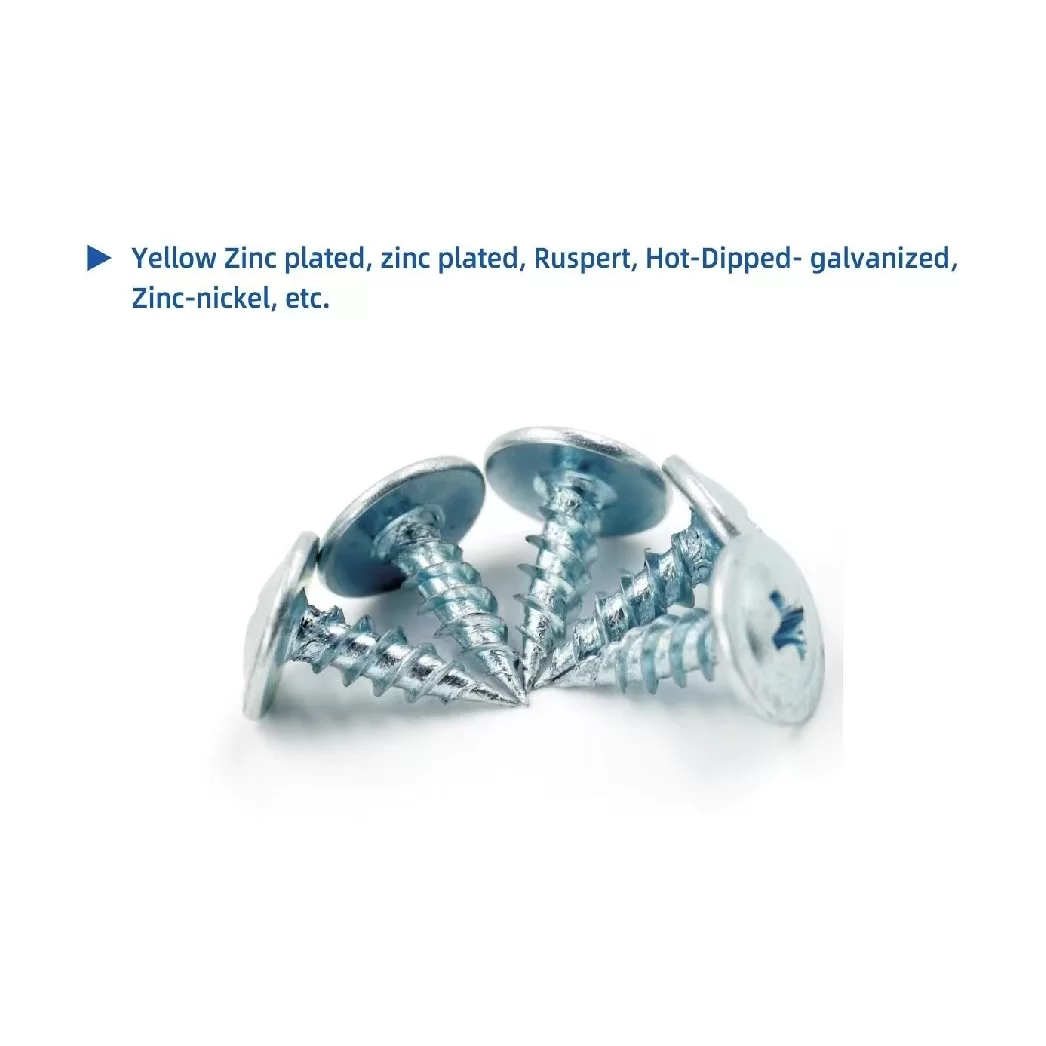
When selecting a 10 16 self drilling screw, consider the material you’ll be fastening. Different screws are designed for specific materials. Look for screws with coatings (like zinc or ceramic) for corrosion resistance, particularly for outdoor applications. The head type (flat, pan, hex) also matters, depending on the desired aesthetic and torque requirements. Lianshi Wjnail offers a wide variety of finishes and head types to suit your project needs.

For reliable and durable 10 16 self drilling screws, Lianshi Wjnail is a trusted supplier. We offer a comprehensive selection of self-drilling screws in various sizes, materials, and finishes, ensuring you find the perfect screw for your specific application. We are committed to providing high-quality products and excellent customer service.
The 10 16 self drilling screw is a valuable asset in any toolbox, offering efficiency, reliability, and versatility. Its ability to simplify installation and provide a secure hold makes it a go-to choice for professionals and DIY enthusiasts alike. Invest in quality screws from a trusted supplier like Lianshi Wjnail to ensure optimal performance and long-lasting results.
The ideal drilling speed depends on the material being fastened. Generally, a slower speed (around 300-500 RPM) is recommended for harder metals like steel. For softer materials like aluminum or plastic, a slightly faster speed (500-800 RPM) can be used. Applying consistent pressure while drilling is crucial to ensure the screw creates its own threads effectively. Avoid excessive force, which can damage the screw or the material.
Yes, but it's crucial to choose screws with appropriate corrosion resistance. Screws coated with zinc, ceramic, or stainless steel are best suited for outdoor applications. These coatings protect the screw from rust and weathering, ensuring long-lasting performance. Avoid using uncoated carbon steel screws outdoors, as they will quickly corrode.
While self-drilling screws eliminate the need for pre-drilling in many cases, using a drill with a self-drilling bit (often a step drill bit) can help create a cleaner and more precise hole, especially in harder materials. This is particularly recommended for thicker materials or when aligning multiple screws. Using the correct bit also reduces the risk of stripping the screw head.
Type A screws have a sharp, pointed drill tip designed for thinner materials. Type AB screws have a blunt drill tip and are suitable for thicker materials. Type AB screws are generally more versatile and are a good all-around choice for a wide range of applications. The choice depends on the material's thickness and hardness.
JOIN OUR NEWSLETTER


If you are interested in our products, you can choose to leave your information here, and we will be in touch with you shortly.