
Hit enter to search or ESC to close
Feb 5, 2026


When tackling metal fastening projects, selecting the right screw is crucial. 1 inch self tapping metal screws are a versatile and efficient solution for a wide range of applications. This article provides an in-depth look at these screws, covering their features, benefits, uses, and how to choose the best one for your needs. We'll explore why these screws are a go-to choice for professionals and DIY enthusiasts alike.
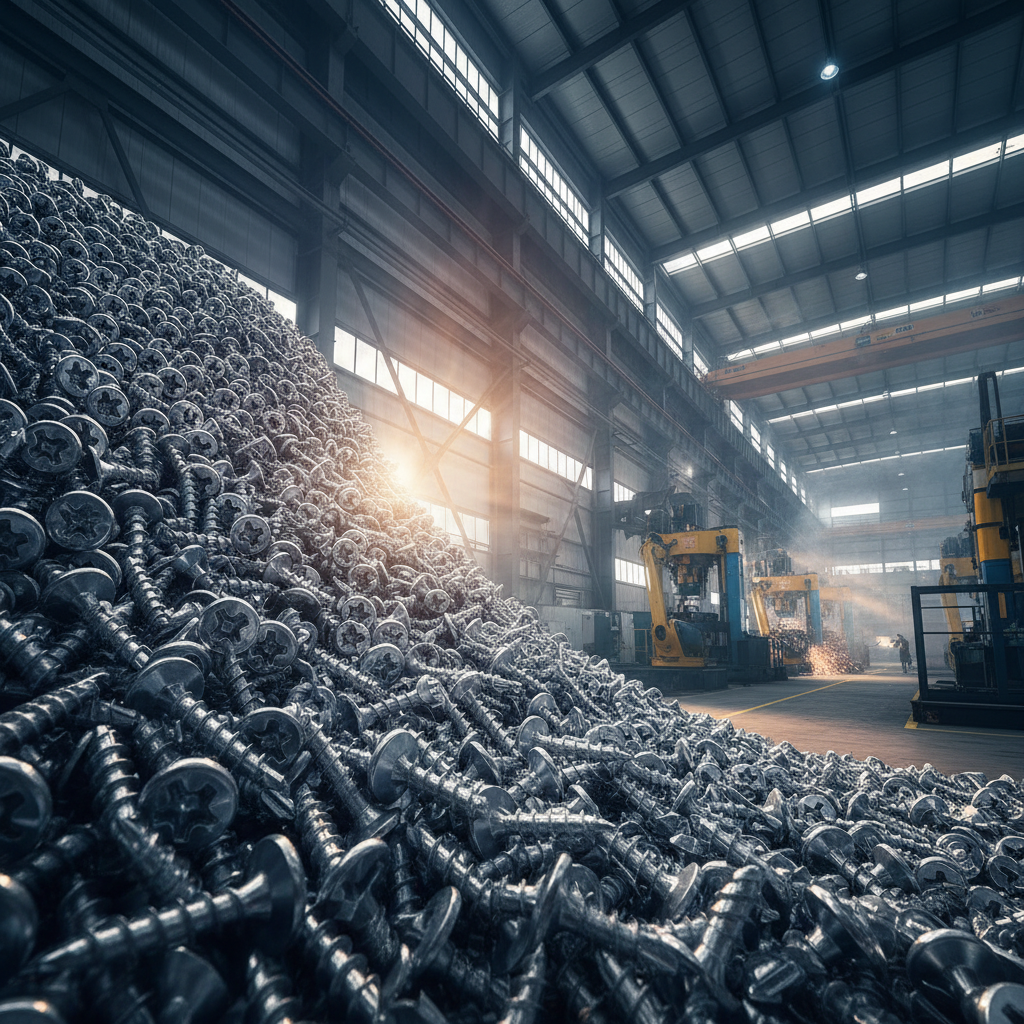
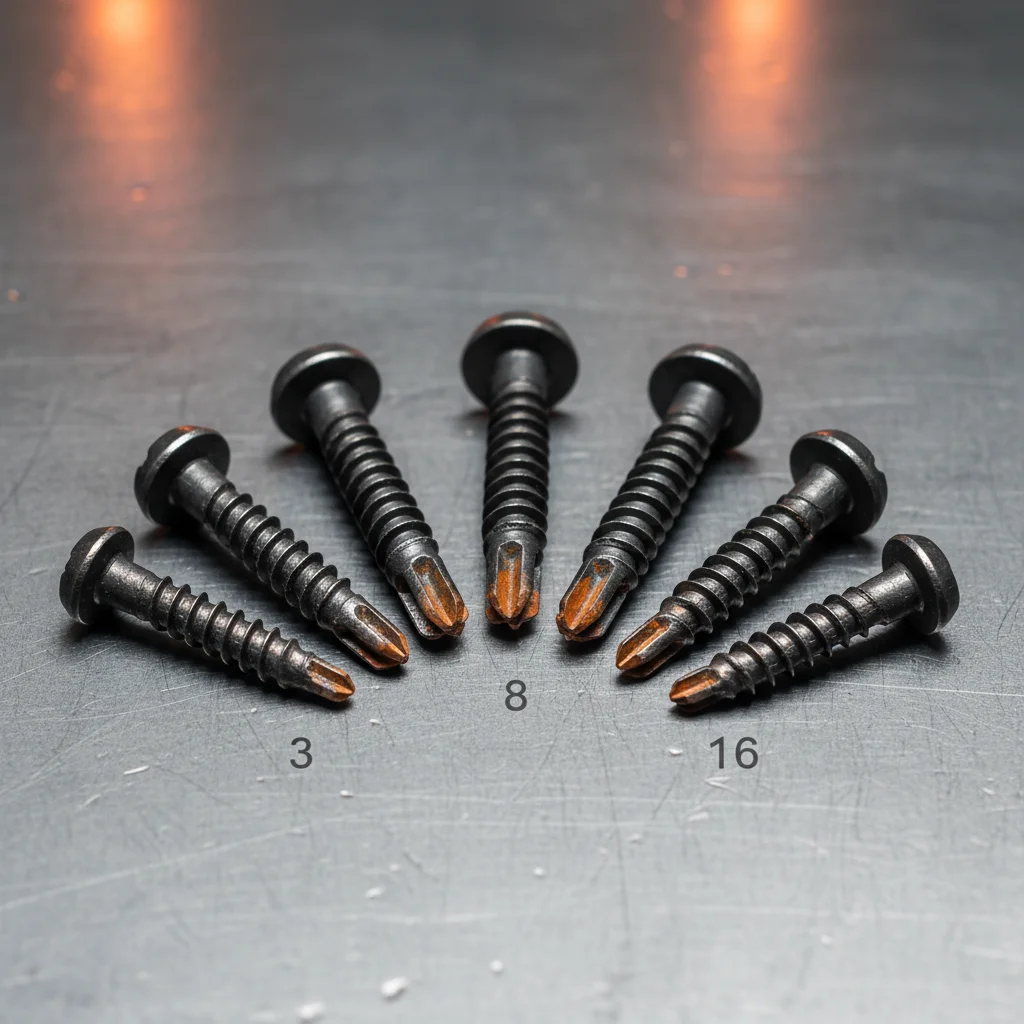
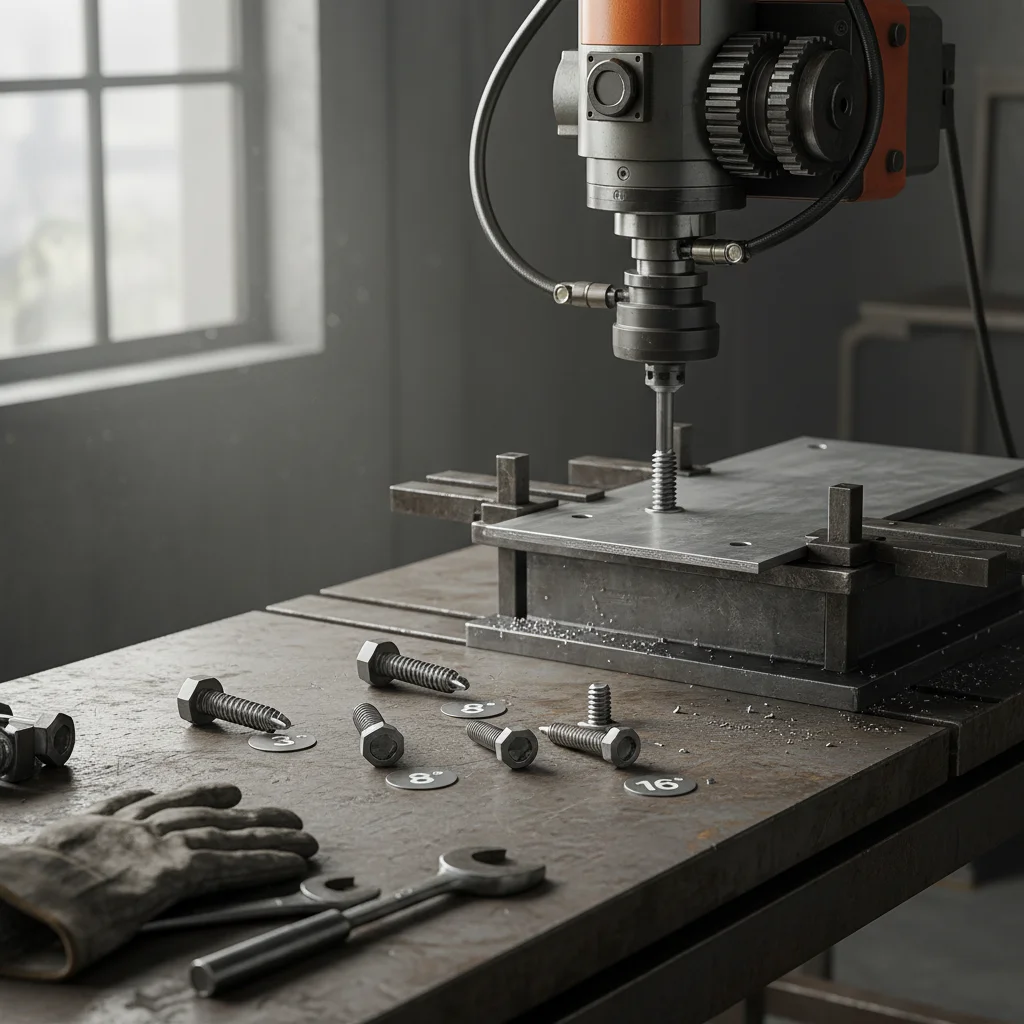
1 inch self tapping metal screws are designed to create their own threads as they are driven into metal surfaces. Unlike traditional screws that require a pre-drilled hole, these screws feature a hardened tip that cuts into the metal, forming a secure and reliable connection. The "1 inch" refers to the screw's length, making them ideal for joining materials of moderate thickness. They are commonly used in applications such as sheet metal work, HVAC systems, automotive repairs, and general metal construction. Lianshiwjnail offers a wide selection of these screws to meet diverse project requirements.
Key Highlights: These screws eliminate the need for pre-drilling, saving time and labor. Their self-tapping design provides a strong and durable connection, suitable for various metal applications.
Several types of 1 inch self tapping metal screws are available, each designed for specific applications. These include Type A, Type B, and Type AB screws. Type A screws are suitable for thinner metal sheets, while Type B screws are designed for heavier gauge metals. Type AB screws offer a compromise, performing well on both thin and thick materials. Understanding these differences will help you select the appropriate screw for your project, ensuring optimal performance and a secure hold. The material the screw is made of is also important. Common materials include steel, stainless steel and aluminum.
Screw Type Benefits:
• Type A: Ideal for thin metal sheets.
• Type B: Best for heavier gauge metals.
• Type AB: Versatile for both thin and thick materials.
Choosing the correct material for your 1 inch self tapping metal screw is critical for long-term performance and corrosion resistance. Here's a comparison of common materials:
These screws find application in a multitude of industries and projects. Common uses include attaching sheet metal roofing, securing ductwork in HVAC systems, assembling metal furniture, repairing automotive body panels, and building metal structures. Their versatility and ease of use make them a preferred choice for both professional contractors and DIY enthusiasts. Browse our selection for the perfect screw for your next project!
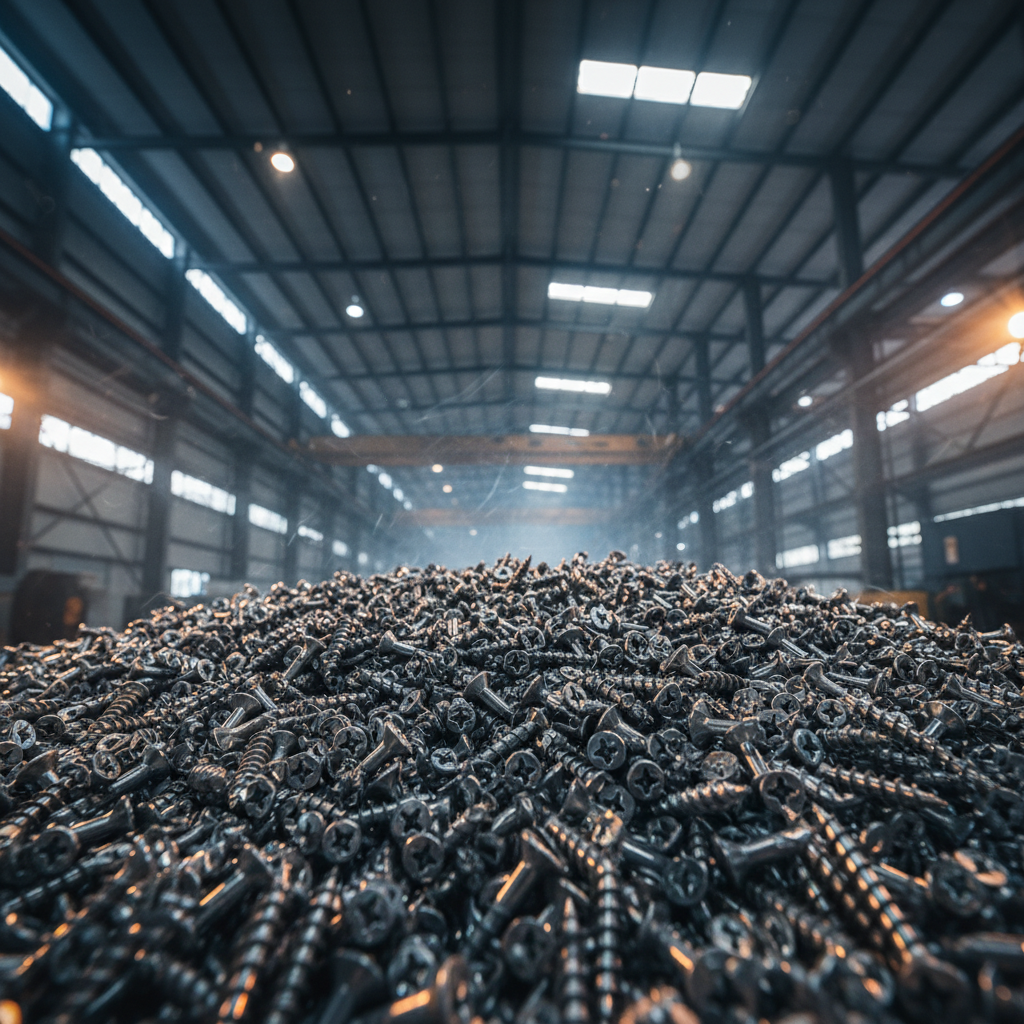
Selecting the correct screw involves considering several factors, including the metal thickness, the desired hold strength, and the environment in which the screw will be used. For thinner metals, a Type A screw is usually sufficient. For thicker metals, a Type B screw is recommended. If you’re working in a corrosive environment, stainless steel screws are the best choice. Always ensure the screw length is appropriate for the materials being joined, leaving sufficient thread engagement for a secure hold. Lianshiwjnail provides expert advice to help you select the right screw for your specific application.
1 inch self tapping metal screws are a versatile and efficient solution for a wide range of metal fastening applications. By understanding the different types, materials, and applications, you can select the perfect screw for your project, ensuring a strong, durable, and reliable connection. Explore Lianshiwjnail's extensive inventory today and find the right screws to get the job done!
Typically, a drill or impact driver with the appropriate bit is required. The bit should match the screw head type (e.g., Phillips, slotted, Torx). For larger or tougher materials, an impact driver is recommended, as it provides more torque. Applying consistent pressure and speed is crucial for a clean and efficient installation. It’s important to avoid over-tightening, which could strip the threads or damage the materials.
Yes, they can, but it’s crucial to select the right type of screw for aluminum. Aluminum is a softer metal, so using a screw designed for harder metals could damage the threads or cause the aluminum to deform. Self-tapping screws specifically designed for aluminum are available and provide a secure and reliable hold. Using a slower speed and lighter pressure is also recommended when working with aluminum.
Stripping the screw head can be frustrating. To prevent this, ensure you’re using the correct bit size and type. Apply consistent, downward pressure while driving the screw. Avoid using excessive speed or torque. If you encounter resistance, try backing the screw out slightly and then continuing to drive it in. Using a screw guide or pilot hole can also help to ensure a straight and clean installation.
Stainless steel screws offer exceptional corrosion resistance, making them ideal for outdoor applications or environments exposed to moisture, chemicals, or salt. While they are generally more expensive than carbon steel screws, their durability and longevity make them a cost-effective choice in the long run, particularly in harsh conditions. They prevent rust and maintain their structural integrity for extended periods.
JOIN OUR NEWSLETTER


If you are interested in our products, you can choose to leave your information here, and we will be in touch with you shortly.