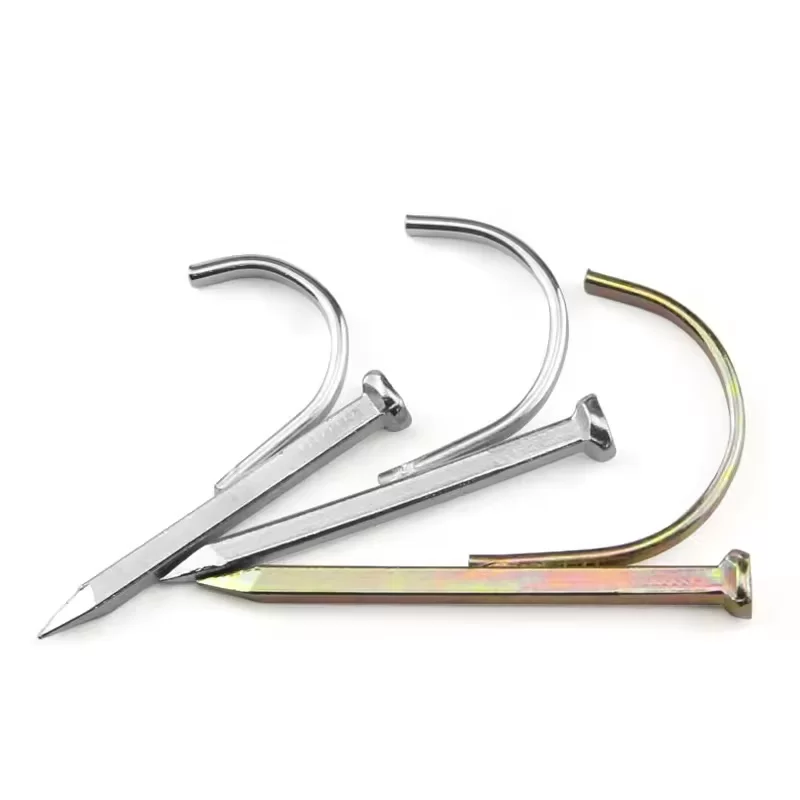
In the modern architectural landscape, the reliability of a structure is only as strong as the smallest components holding it together. A professional construction fasteners supply network ensures that engineers and contractors have access to high-grade steel nails, tapping screws, and decorative hardware that meet rigorous safety standards. Without a consistent supply of these precision-engineered parts, the timeline and structural integrity of global infrastructure projects would be severely compromised.
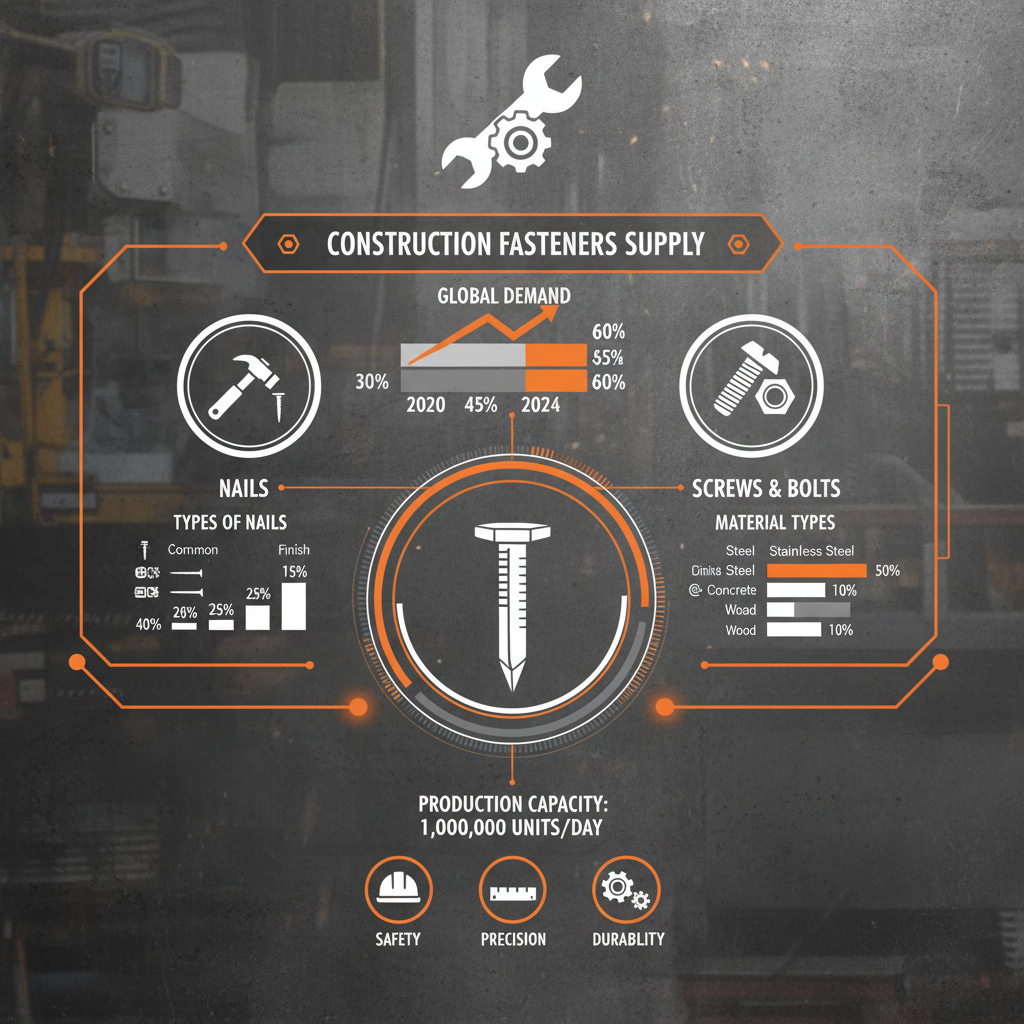
The global demand for high-performance fastening solutions is driven by the rapid urbanization of emerging economies and the renovation of aging infrastructure in developed nations. From the intricate needs of furniture hardware to the heavy-duty requirements of steel nail shooting, the industry has evolved from simple nail production to a sophisticated science of metallurgy and load-bearing analysis. Ensuring a steady construction fasteners supply means mitigating risks associated with material fatigue and environmental corrosion.
Understanding the nuances of fastener selection—such as choosing between different tapping screw threads or selecting the right architectural decorative hardware—can significantly reduce long-term maintenance costs. This guide explores the critical dimensions of the fastening industry, providing technical insights into how a strategic supply chain enhances building durability and operational efficiency across the globe.
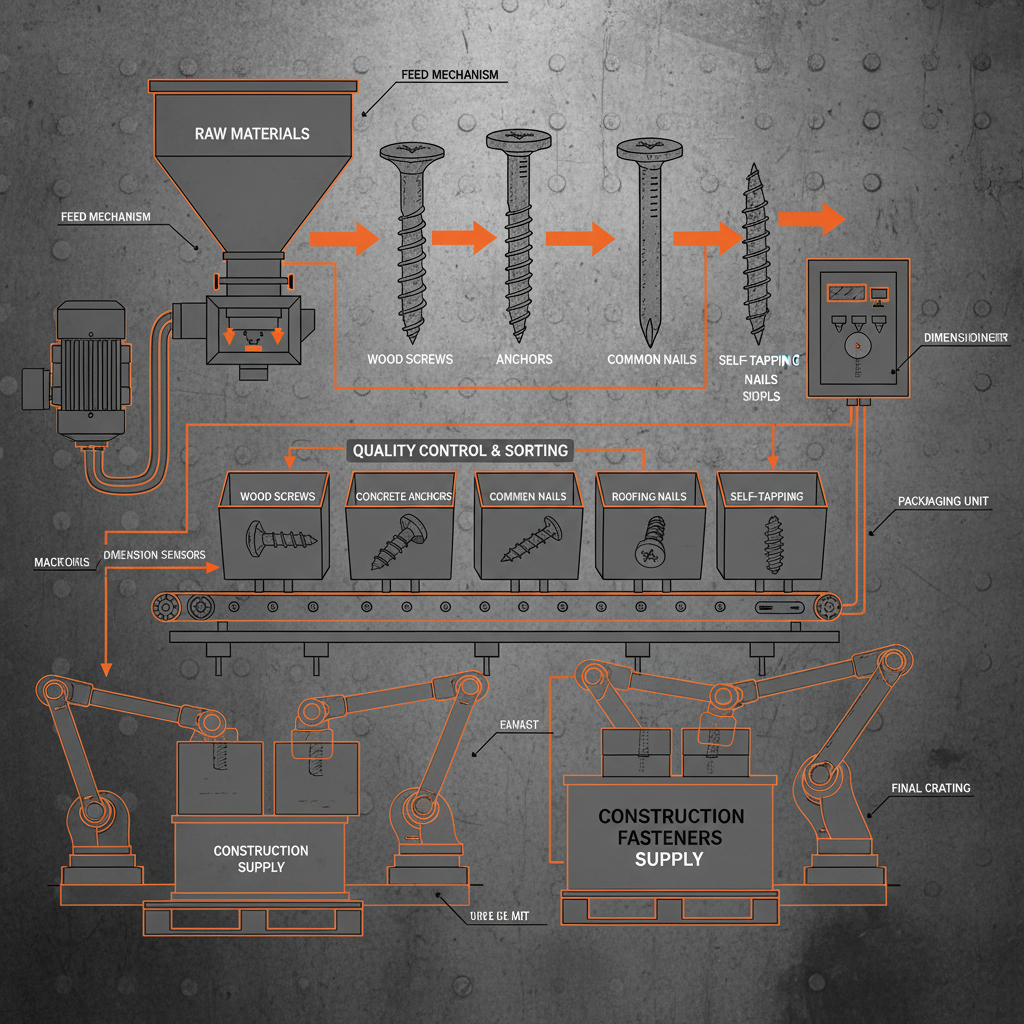
Global Importance of Construction Fasteners Supply
On a global scale, the construction fasteners supply industry acts as the invisible backbone of the built environment. According to international industrial standards, the precision of a tapping screw or the tensile strength of a shooting nail can determine the lifespan of a residential complex or an industrial warehouse. As ISO standards become more stringent, the ability to source fasteners that provide consistent torque and shear resistance has become a primary concern for global procurement officers.
The economic impact of a disrupted construction fasteners supply is profound, often leading to cascading delays in project completion and increased labor costs. By integrating advanced logistics with high-capacity manufacturing, the industry now supports everything from rapid-deployment housing in disaster zones to the construction of soaring skyscrapers, ensuring that every joint and connection is secure and sustainable.
Defining the Scope of Fastening Systems
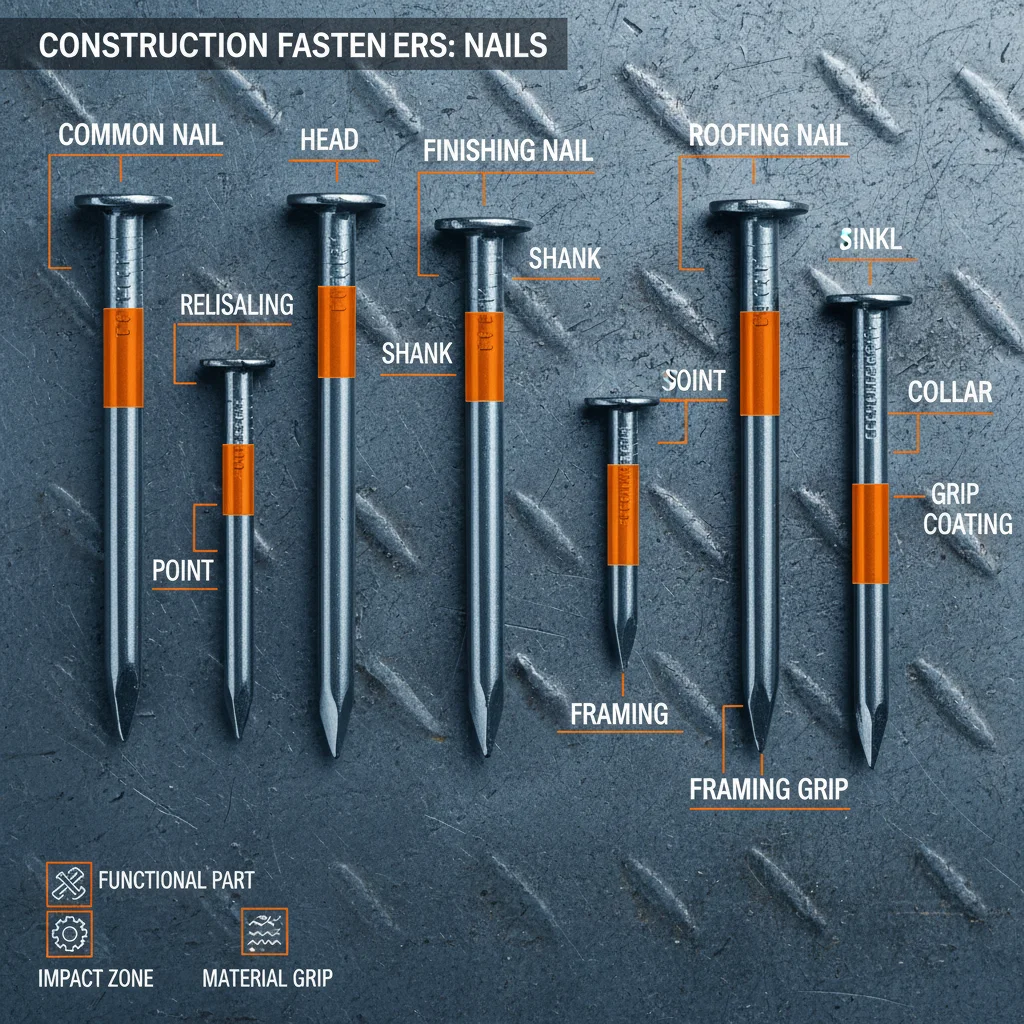
At its core, a construction fasteners supply encompasses a vast array of mechanical devices used to join two or more objects together. This includes everything from basic steel nails used in framing to complex architectural decorative hardware that blends aesthetic appeal with structural utility. These components are designed to resist withdrawal, withstand vibration, and prevent material separation under varying thermal and mechanical loads.
In the context of modern industry, fastening systems are no longer seen as mere commodities but as engineered solutions. For instance, the transition from traditional nails to high-velocity steel nail shooting has revolutionized the speed of timber construction, while specialized tapping screws have enabled the seamless integration of metal cladding in commercial buildings.
Beyond industrial use, these supplies address critical humanitarian needs, such as the rapid assembly of temporary shelters and the reinforcement of schools in seismic zones. The versatility of the supply chain allows for the delivery of specific grades of steel and coatings, such as galvanization or zinc-plating, to ensure that fasteners perform reliably in corrosive coastal or humid tropical environments.
Core Components of High-Quality Fasteners
Durability is the foremost metric in any professional construction fasteners supply. High-quality fasteners are forged from premium carbon steel or stainless steel alloys, ensuring they do not snap under tension or succumb to oxidation. The metallurgical composition must be precise to allow for the necessary hardness to penetrate materials while maintaining enough ductility to avoid brittle failure.
Precision engineering in the production of tapping screws and household hardware ensures a perfect fit, which is critical for load distribution. When a fastener is manufactured to exact tolerances, it maximizes the contact area between the screw threads and the substrate, thereby reducing the risk of stripping and enhancing the overall stability of the assembled structure.
Finally, cost-efficiency and scalability allow large-scale projects to remain viable. By optimizing the manufacturing process of steel nail shooting components and architectural hardware, suppliers can provide bulk quantities without sacrificing the stringent quality controls required for safety-critical applications in the construction sector.
Practical Applications in Modern Architecture
The application of a diverse construction fasteners supply varies significantly across different construction phases. In the early framing stages, steel nail shooting nails are indispensable for their speed and grip, allowing crews to erect wall frames in a fraction of the time required for manual nailing. Simultaneously, architectural decorative hardware is integrated into interior finishes to provide both support and a polished visual aesthetic.
In specialized industrial zones, such as offshore oil rigs or chemical plants, the choice of tapping screws with high-grade anti-corrosion coatings is mandatory to prevent structural failure due to saltwater exposure. These high-stress environments demand fasteners that can withstand extreme temperature fluctuations and chemical aggression without losing their clamping force.
Comparative Efficiency of Construction Fasteners Supply Methods
Strategic Advantages of Reliable Supply Chains
Establishing a partnership with a reliable construction fasteners supply provider offers more than just material procurement; it provides peace of mind. The emotional value of knowing that every tapping screw and steel nail meets international safety standards allows developers to focus on design and innovation rather than worrying about potential structural failures or costly recalls.
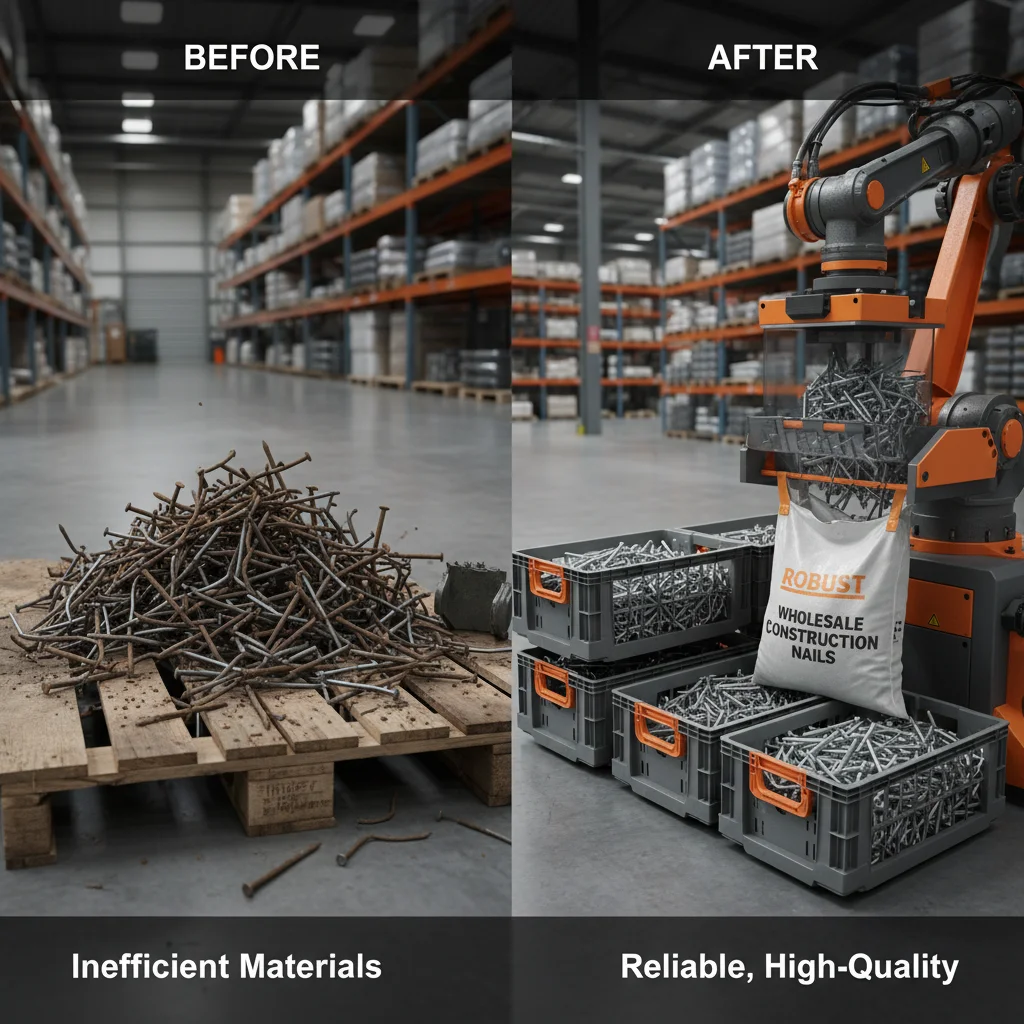
Logically, the advantages manifest in reduced waste and improved sustainability. High-precision fasteners reduce the likelihood of material splitting or stripping during installation, which means fewer replaced components and less landfill waste. This reliability builds trust between the contractor and the end-user, ensuring that the finished building is not only beautiful but fundamentally safe for decades to come.
Future Trends in Fastener Metallurgy
The future of construction fasteners supply is being shaped by the intersection of material science and digital transformation. We are seeing the rise of "smart fasteners" equipped with sensors that can monitor tension and stress in real-time, alerting engineers to potential structural weaknesses before they become critical. This integration of IoT (Internet of Things) into basic hardware is transforming maintenance from a reactive to a predictive model.
Sustainability is also driving the adoption of green metallurgy. New coatings that are chromium-free and eco-friendly are replacing traditional toxic treatments, reducing the environmental footprint of fastener production. Furthermore, the shift toward modular construction is increasing the demand for high-strength, quick-release fasteners that allow buildings to be disassembled and repurposed, aligning with circular economy principles.
Automation in the supply chain, from AI-driven inventory management to robotic sorting of architectural decorative hardware, is ensuring that the right parts reach the site exactly when needed. This "Just-in-Time" delivery model reduces on-site clutter and minimizes the risk of material degradation due to improper storage of steel nails and screws.
Overcoming Common Fastening Challenges
One of the most persistent challenges in construction fasteners supply is material incompatibility, where the fastener reacts chemically with the substrate, leading to galvanic corrosion. This is particularly common when using certain tapping screws in aluminum frames. The solution lies in expert consultation and the use of isolation washers or specific alloy coatings that neutralize the electrochemical reaction.
Another common issue is the "over-torquing" of screws, which leads to stripped threads and compromised joint strength. To overcome this, the industry is moving toward the use of calibrated power tools and fasteners designed with optimized thread geometries that provide higher pull-out resistance even in softer materials like medium-density fiberboard (MDF).
Finally, the volatility of raw steel prices often creates instability in supply chains. Forward-thinking procurement strategies, such as long-term fixed-price contracts with diversified manufacturers, allow construction firms to hedge against market swings and maintain a consistent flow of essential components like steel nail shooting nails and household hardware.
Comparison of Fastener Performance Across Different Environmental Conditions
| Fastener Type |
Corrosion Resistance |
Load Capacity |
Installation Speed |
| Steel Nail Shooting |
Moderate |
High |
Very Fast |
| Zinc-Plated Tapping Screws |
High |
Moderate |
Moderate |
| Stainless Decorative Hardware |
Excellent |
Moderate |
Slow |
| Galvanized Steel Nails |
Very High |
High |
Fast |
| Self-Drilling Screws |
Moderate |
Very High |
Fast |
| Brass Household Hardware |
High |
Low |
Moderate |
FAQS
For coastal areas, prioritize fasteners with high corrosion resistance, such as 316-grade stainless steel or hot-dip galvanized coatings. These materials create a protective barrier against salt spray and humidity, preventing rust and structural degradation over time. Avoid standard zinc-plated screws in these zones as they may fail prematurely.
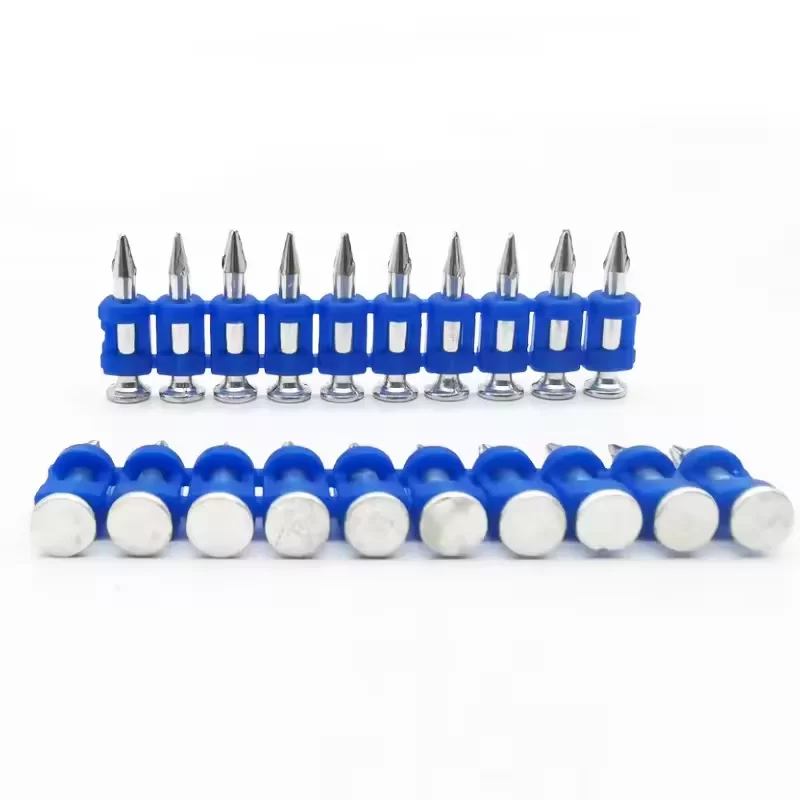
Steel nail shooting nails are designed for pneumatic or powder-actuated tools, allowing for near-instantaneous installation and deeper penetration into hard substrates. Traditional nails require manual hammering. Shooting nails significantly increase labor productivity and provide a more consistent driving force, though they require specialized equipment.
While tapping screws are excellent for cladding and light framing, they are generally not used as the primary load-bearing component in heavy structural joints. For those applications, high-tensile bolts or specialized structural screws are recommended. Always consult the engineering specifications to ensure the fastener's shear strength matches the load requirements.
To prevent stripping, use fasteners with a coarser thread pitch designed for wood, and always use a torque-limiting driver. Pre-drilling a pilot hole slightly smaller than the screw diameter can also reduce the internal pressure on the wood fibers, allowing the threads to grip securely without destroying the material.
Professional decorative hardware is engineered to be both. While it provides the visual finish for high-end furniture and interiors, it must also meet load-bearing standards to ensure that handles, hinges, and brackets can withstand daily wear and tear without loosening or breaking.
Low-quality fasteners often exhibit inconsistent head shapes, uneven threading, or coatings that flake off easily. Performance-wise, they may snap during installation or strip easily. Genuine professional-grade supplies will have consistent dimensions and certifications (like ASTM or ISO) ensuring metallurgical purity.
Conclusion
In summary, a robust and high-quality construction fasteners supply is fundamental to the safety, longevity, and efficiency of any building project. From the raw strength of steel nail shooting components to the precision of tapping screws and the elegance of architectural hardware, these small elements bear the immense responsibility of holding our modern world together. By focusing on material purity, precision engineering, and sustainable supply chains, the industry ensures that infrastructure can withstand the tests of time and environment.
Looking forward, the integration of smart materials and green metallurgy will further redefine how we secure our structures. For developers and contractors, the key to success lies in moving beyond a "commodity" mindset and treating fastening solutions as critical engineered components. Investing in premium supplies today is the most effective way to avoid the catastrophic costs of failure tomorrow. Visit our website for industry-leading solutions: www.lianshiwjnail.com