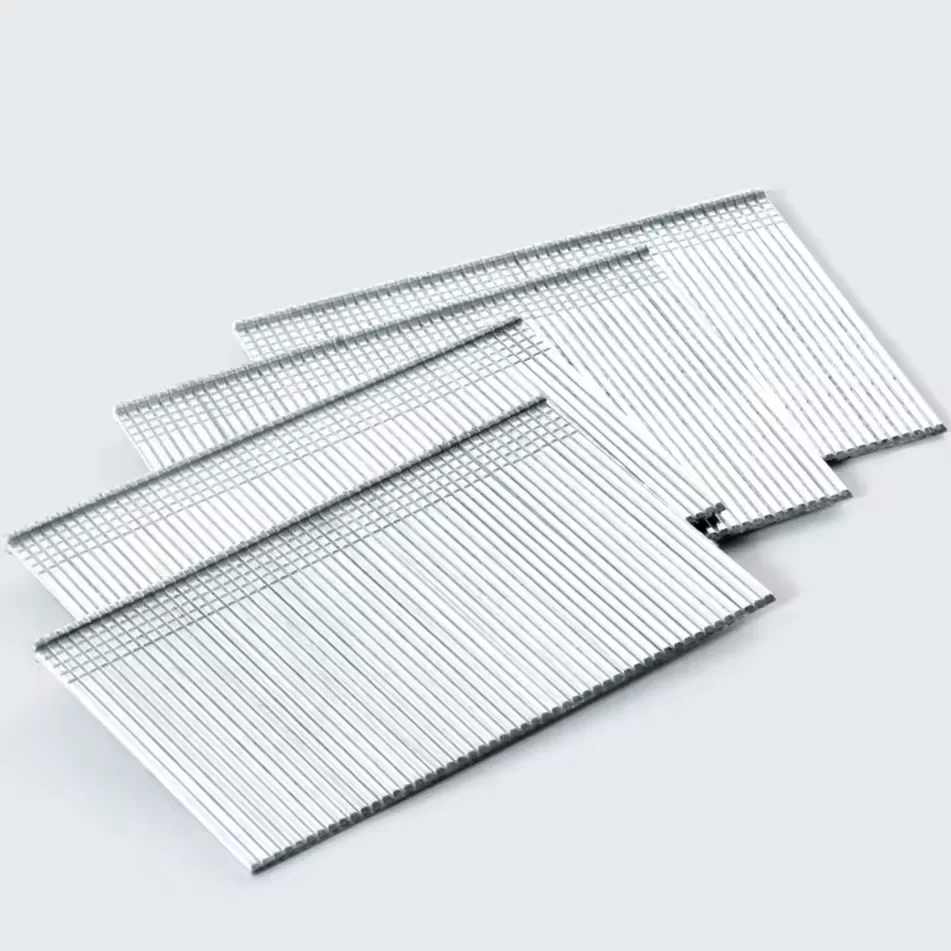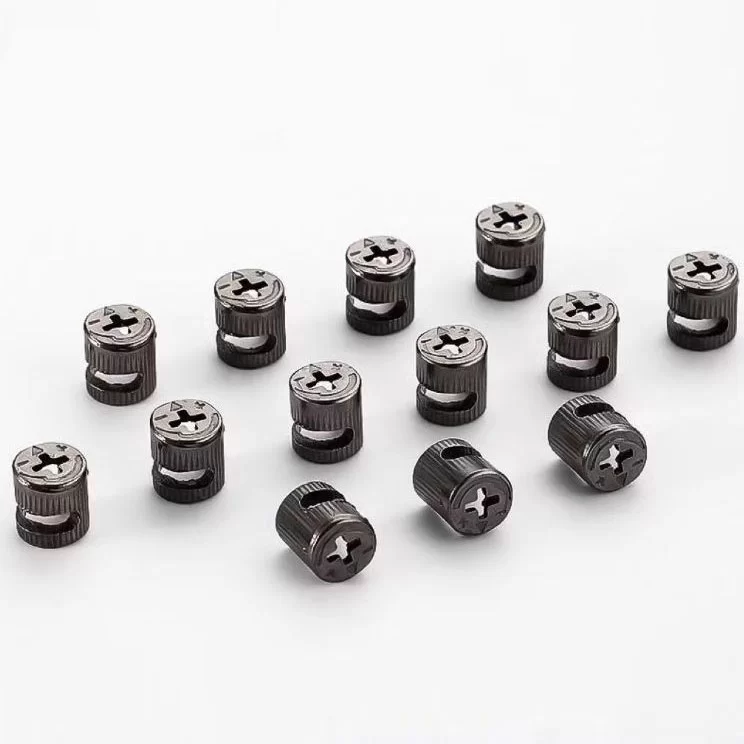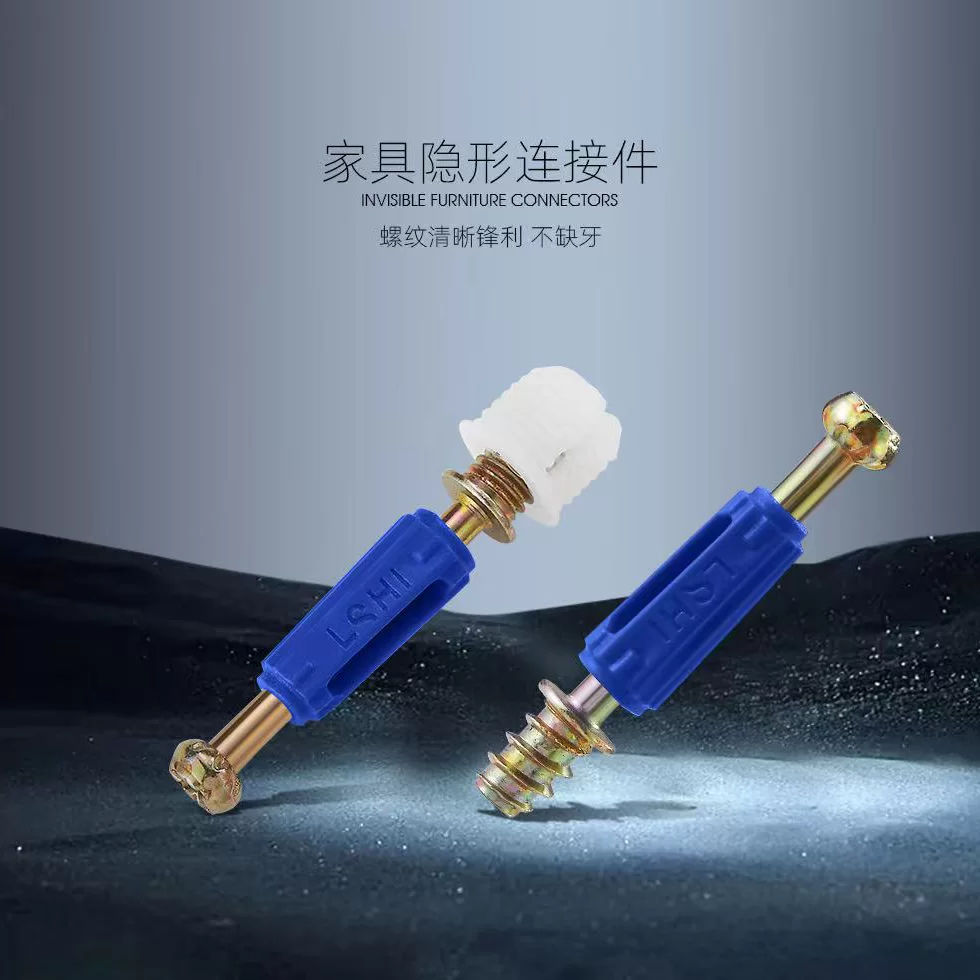



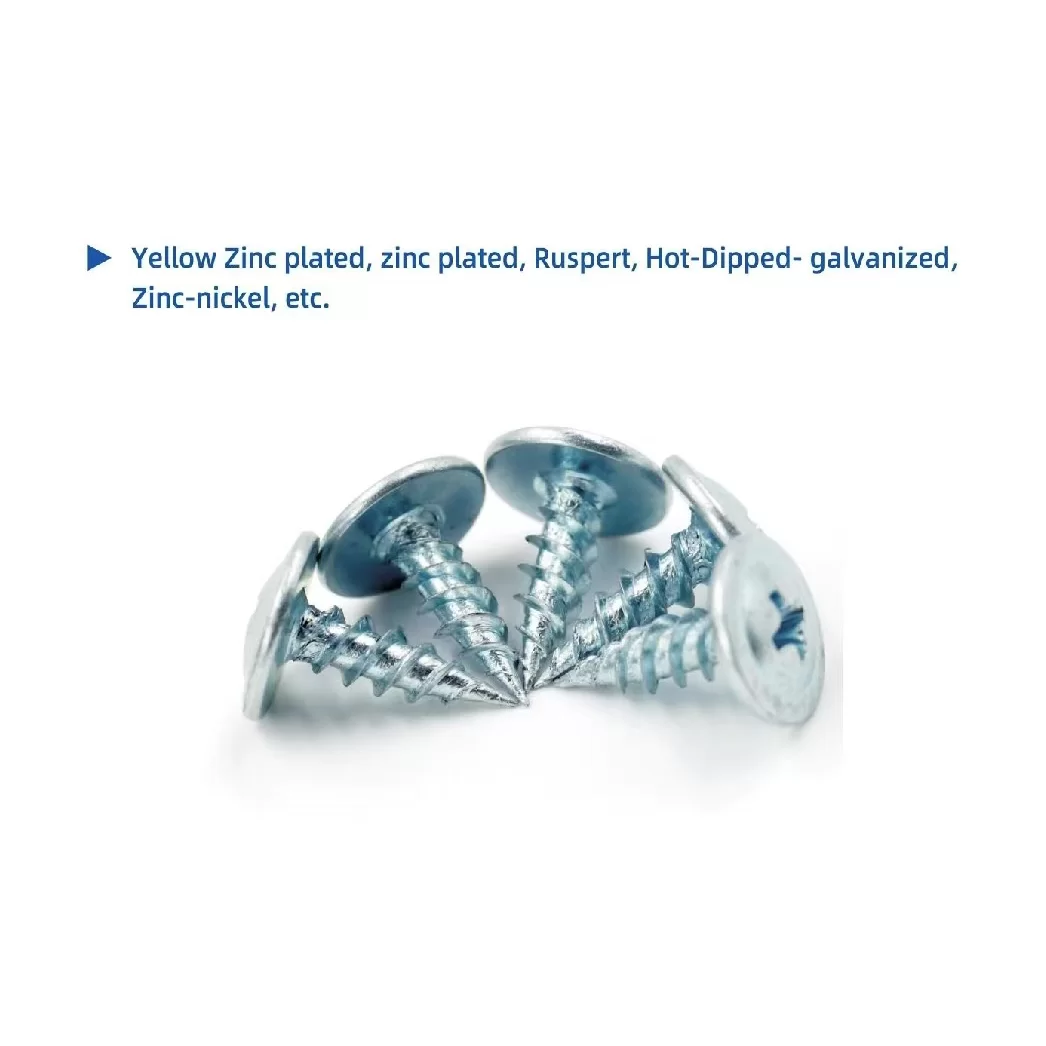
The furniture manufacturing sector in Sri Lanka is currently transitioning from traditional artisanal woodworking to semi-automated industrial production. However, the island's high coastal humidity poses a significant threat to metal components, making the demand for specialized thin hinges and treated alloys more critical than ever to prevent oxidation and joint failure.
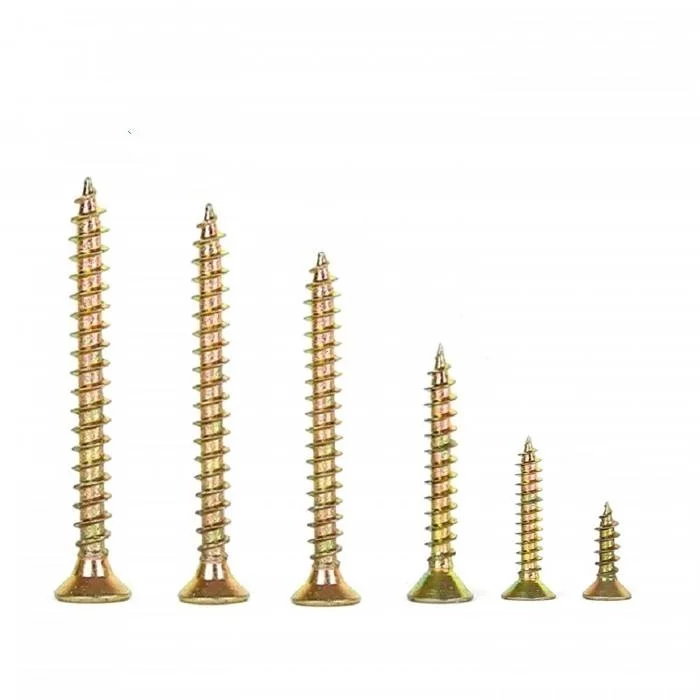
Currently, local manufacturers rely heavily on imported hardware. There is a growing gap between the availability of generic fasteners and the need for precision-engineered components like Chupboard Screws that can withstand the expansion and contraction of local hardwoods under varying temperature cycles.
Moreover, the rise of urban apartment living in Colombo has surged the demand for space-saving furniture. This shift requires hardware that offers higher load-bearing capacities and smoother operation, pushing the market toward high-grade steel rails and specialized mounting systems.