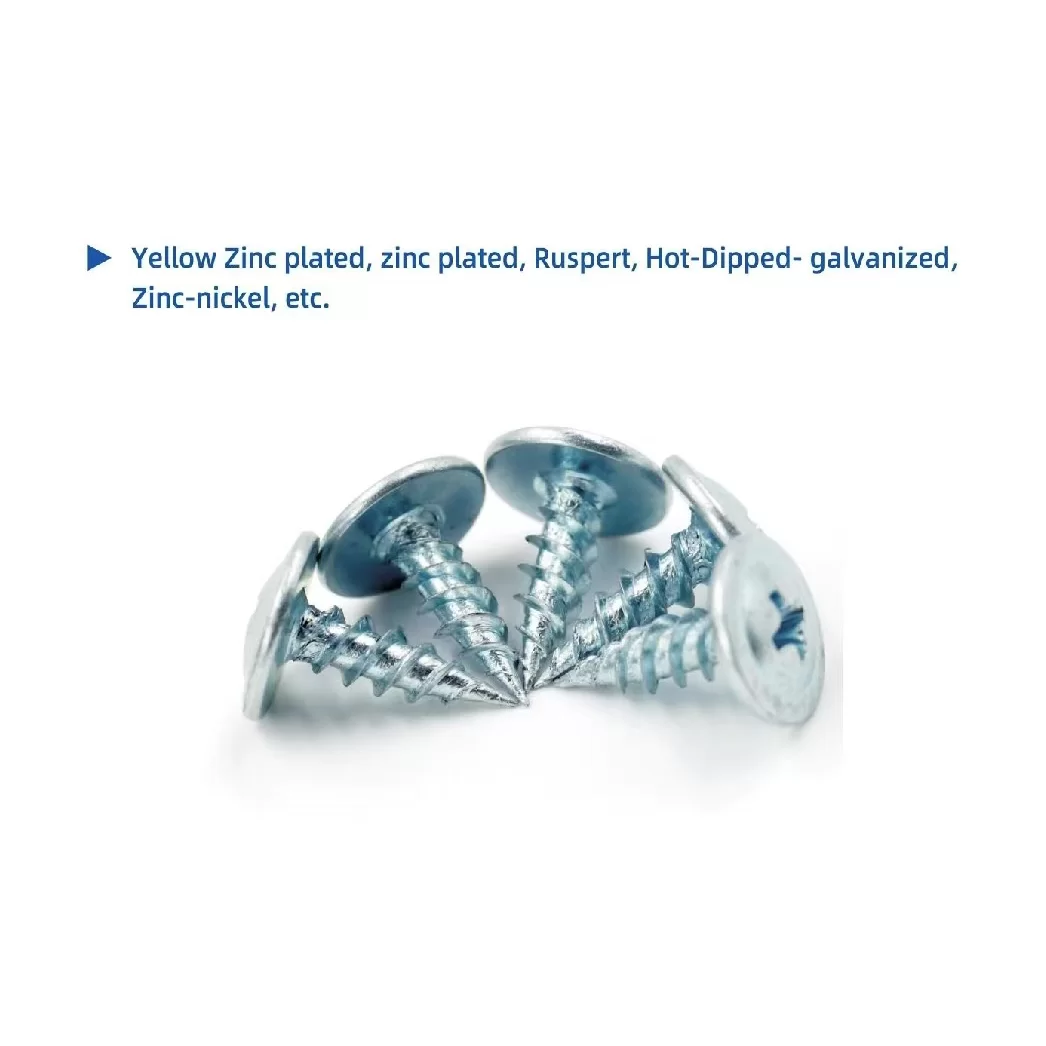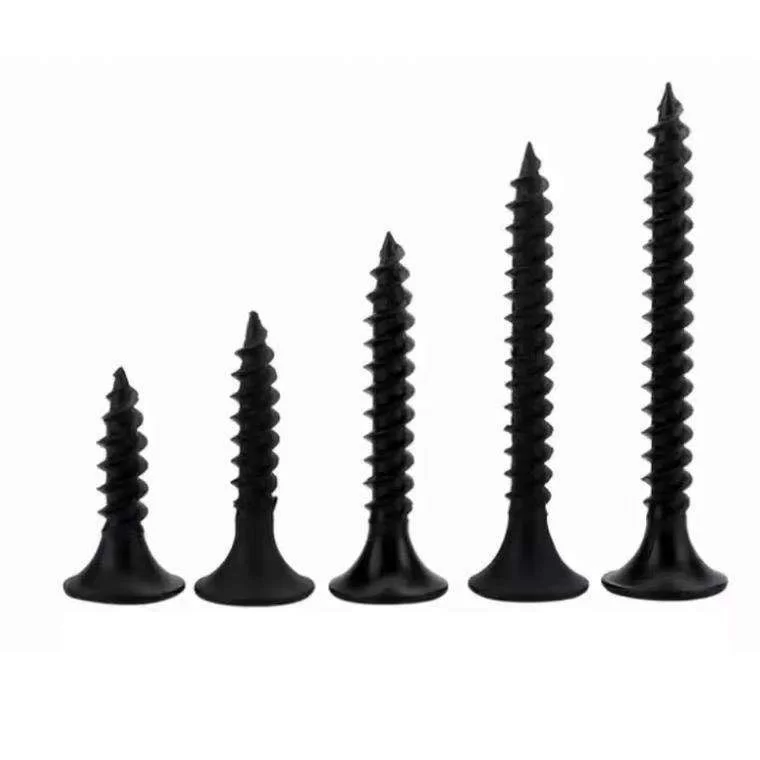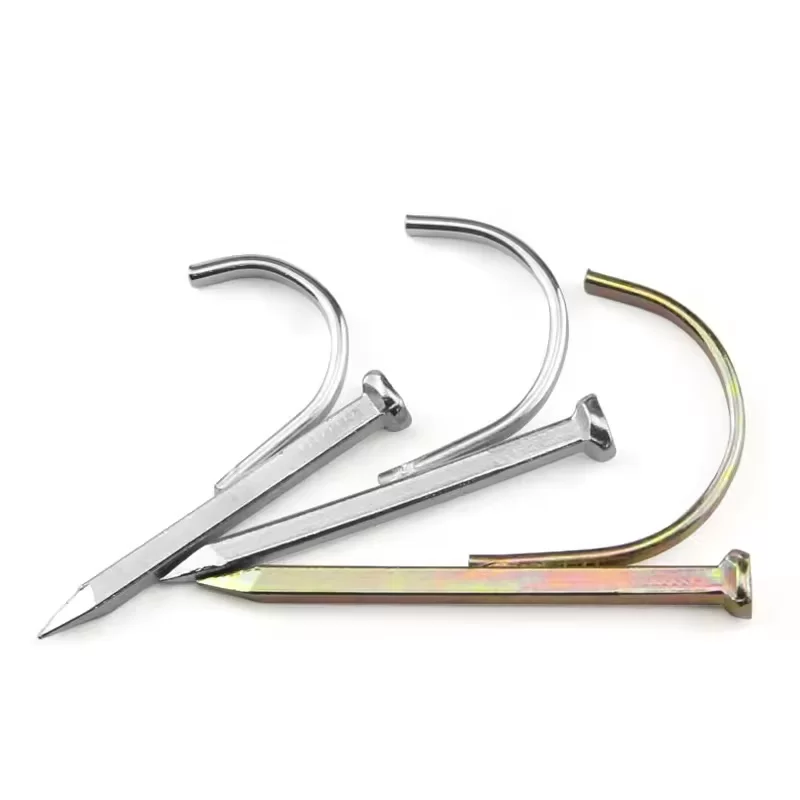



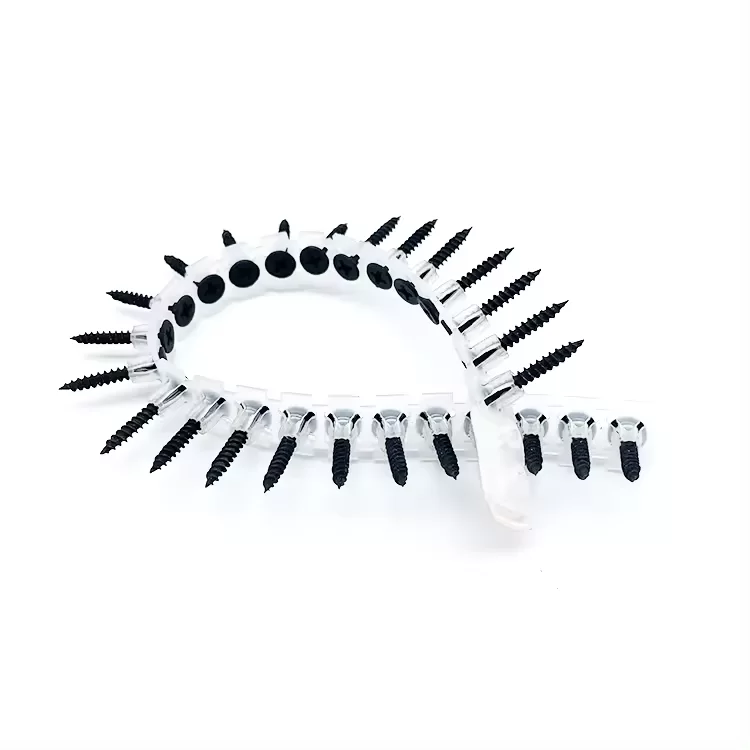
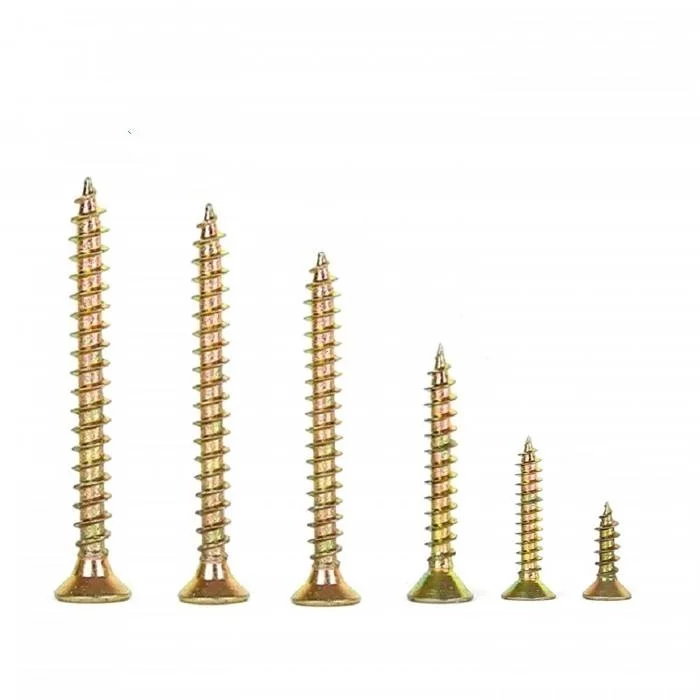
The Ethiopian furniture market is currently undergoing a transition from artisanal workshops to semi-industrial production. In regions like Addis Ababa, there is an increasing demand for standardized Chupboard Screws to replace traditional adhesive and nail methods, driven by the rise of urban residential developments.
Climate factors in Ethiopia, ranging from the humid highlands to the arid lowlands, necessitate metal components with superior corrosion resistance. The use of low-grade hardware often leads to premature failure, making the adoption of high-zinc plated thin hinges critical for longevity in varied environmental conditions.
Economically, the reliance on imported hardware creates a volatile pricing environment. However, the growth of the "Made in Ethiopia" initiative is pushing local manufacturers to seek reliable, bulk-supply partners who can provide consistent quality for components like dresser hardware rails.