
Hit enter to search or ESC to close
Apr 9, 2026


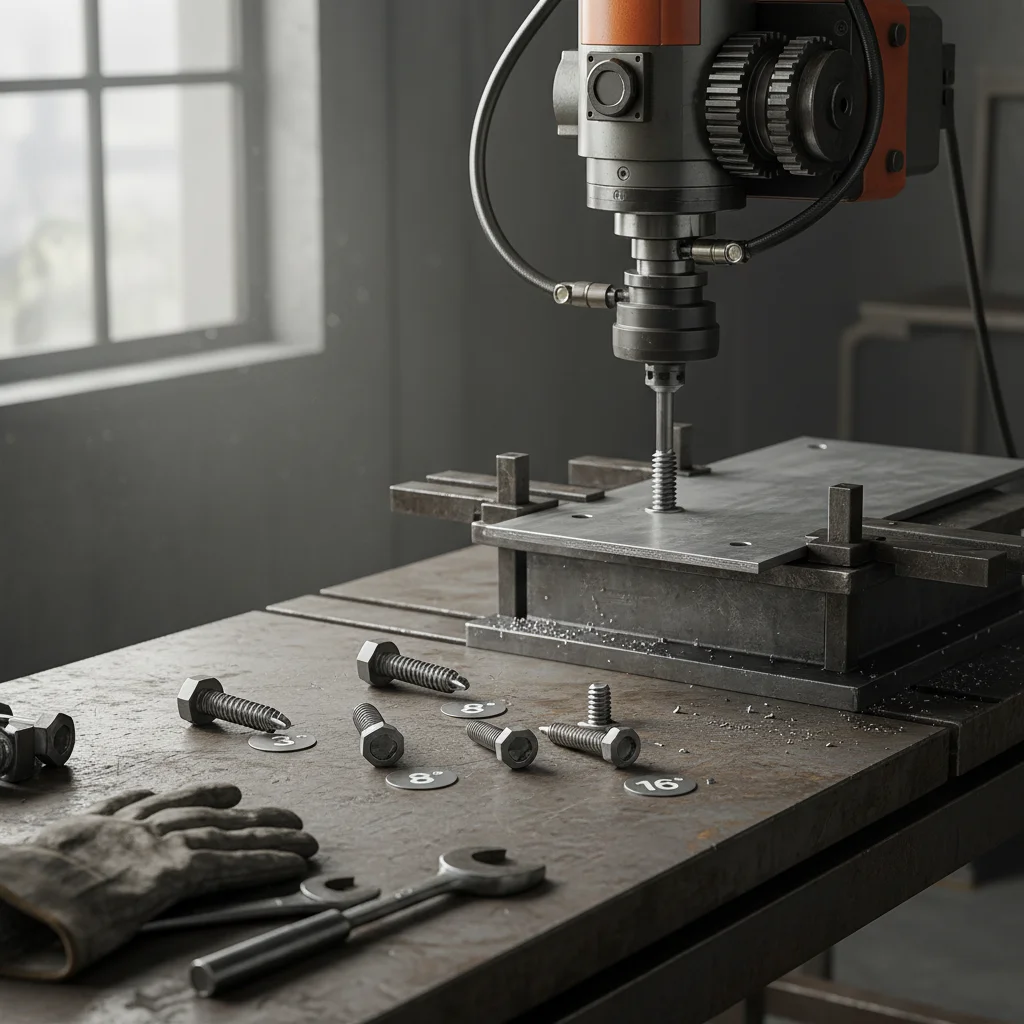
In the world of industrial fastening, precision and efficiency are the cornerstones of any successful project. The 3 8 16 self tapping screw is a specialized fastener engineered to provide a secure, tight hold without the need for pre-drilled pilot holes. This particular specification—combining a 3/8 inch diameter with a 16-thread pitch—is widely utilized across automotive, construction, and machinery manufacturing. By integrating the drilling and fastening process into a single step, these screws significantly reduce labor costs and assembly time. In this guide, we will explore the technical nuances and practical applications of this essential hardware.
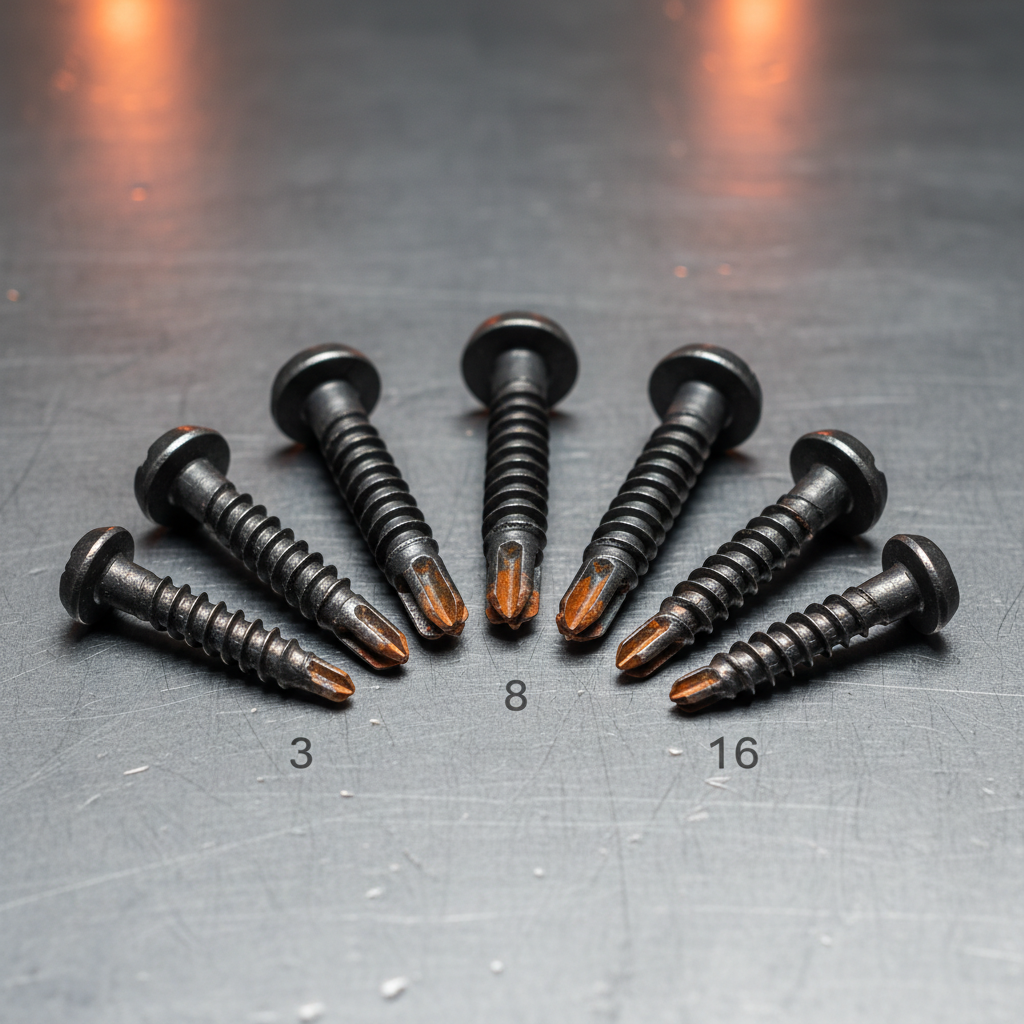
What exactly makes a 3 8 16 self tapping screw so effective? Unlike standard machine screws that require a pre-tapped hole, self-tapping screws are designed to "tap" or cut their own threads as they are driven into the material. The 3/8" diameter provides substantial shear strength, while the 16-thread pitch ensures a coarse, aggressive grip that is ideal for softer metals and plastics. The sharp thread profile displaces material to create a high-friction interface, resulting in a joint that resists loosening even under vibrational stress. This makes them an indispensable tool for professionals who prioritize speed without sacrificing structural integrity.
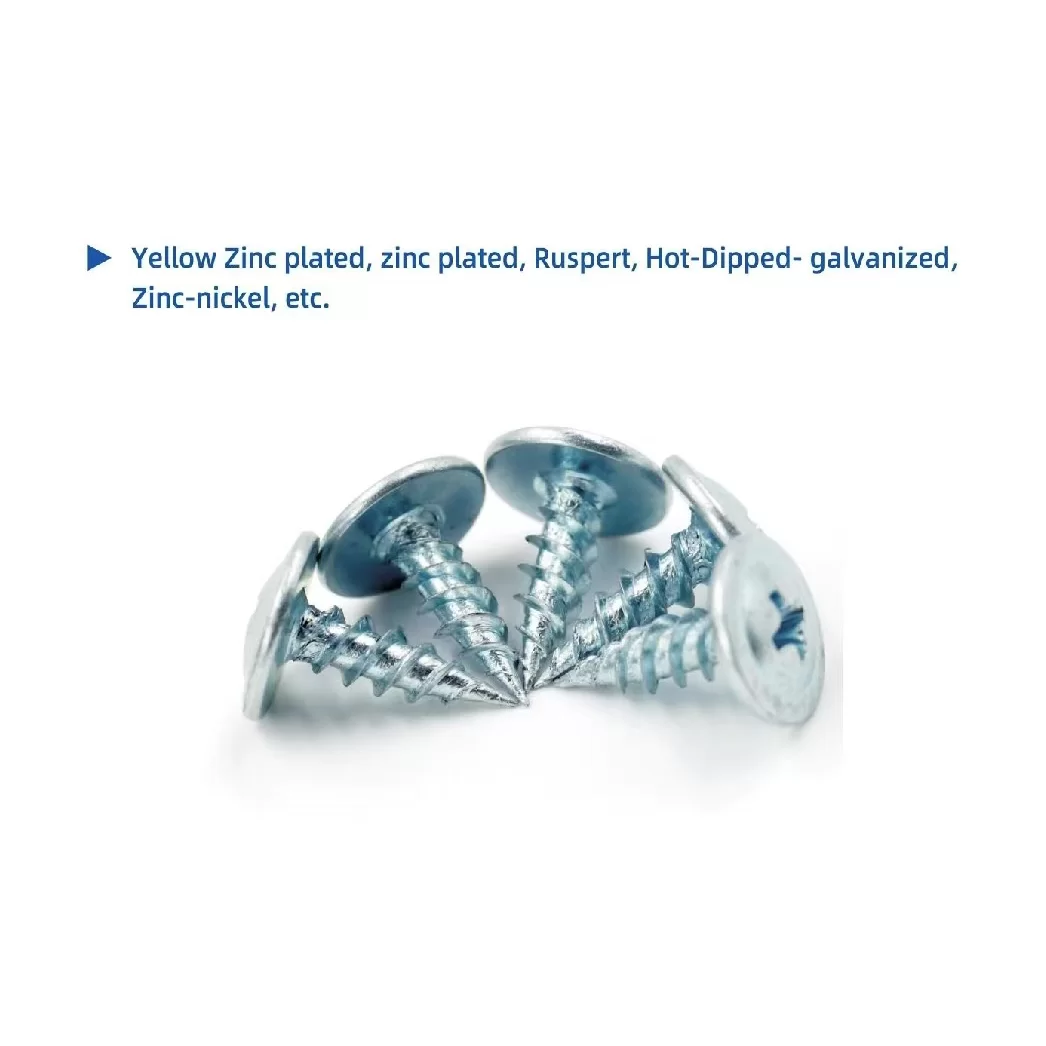
The environment in which a fastener is used determines its longevity. For the 3/8 16 self tapping screw, materials typically range from carbon steel to high-grade stainless steel. Carbon steel offers excellent strength but requires coating to prevent oxidation, whereas stainless steel provides inherent corrosion resistance. Common coatings include zinc plating for general indoor use and galvanized finishes for outdoor exposure. Choosing the right material is critical; for instance, using a non-coated screw in a coastal environment would lead to premature failure due to salt-air corrosion. A high-quality 3 8 16 self tapping screw from a reputable supplier ensures that the metallurgy is optimized for the specific torque requirements of your project.
Pro Tip: When working with aluminum or thin-walled steel, always check the thread engagement depth to prevent stripping the material, as the aggressive nature of the 16-pitch thread can remove too much base metal if over-torqued.
To ensure the correct fit for your engineering requirements, it is vital to understand the exact measurements and tolerances of the hardware. The following table outlines the standard specifications for the 3 8 16 self tapping screw to help you compare it with other fastening options.
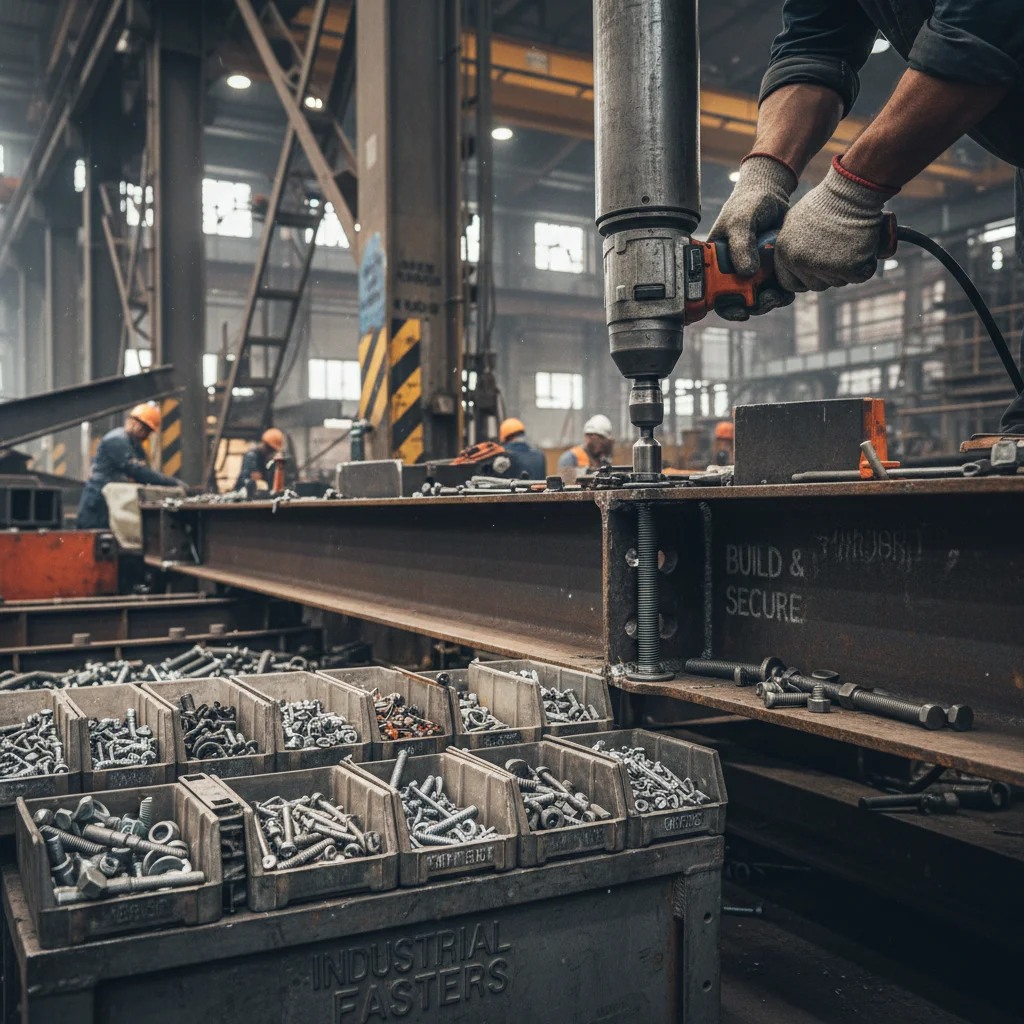
The versatility of the 3 8 16 self tapping screw allows it to be used in a myriad of settings. In the automotive sector, these screws are frequently used for securing interior panels and engine components where vibration is a constant factor. In the construction industry, they are ideal for attaching metal brackets to steel beams. Additionally, HVAC installations rely on these fasteners for quick and secure ductwork assembly. Because they eliminate the need for a separate tapping tool, the efficiency gain on a large-scale job site can be measured in hundreds of man-hours saved. Whether it's heavy-duty machinery or light industrial frames, this screw provides the reliability needed for safety-critical joints.
To get the most out of your 3 8 16 self tapping screw, proper installation technique is essential. First, ensure the surfaces are aligned and clamped to prevent shifting during the initial "bite." Using a power driver with an adjustable clutch is highly recommended; this prevents over-driving the screw, which could strip the threads and compromise the hold. For thicker materials, a small starter hole (smaller than 3/8") can reduce the torque required and ensure the screw enters perfectly straight. Finally, always apply a consistent amount of pressure to ensure the head of the screw sits flush against the mating surface, providing a clean and professional finish.
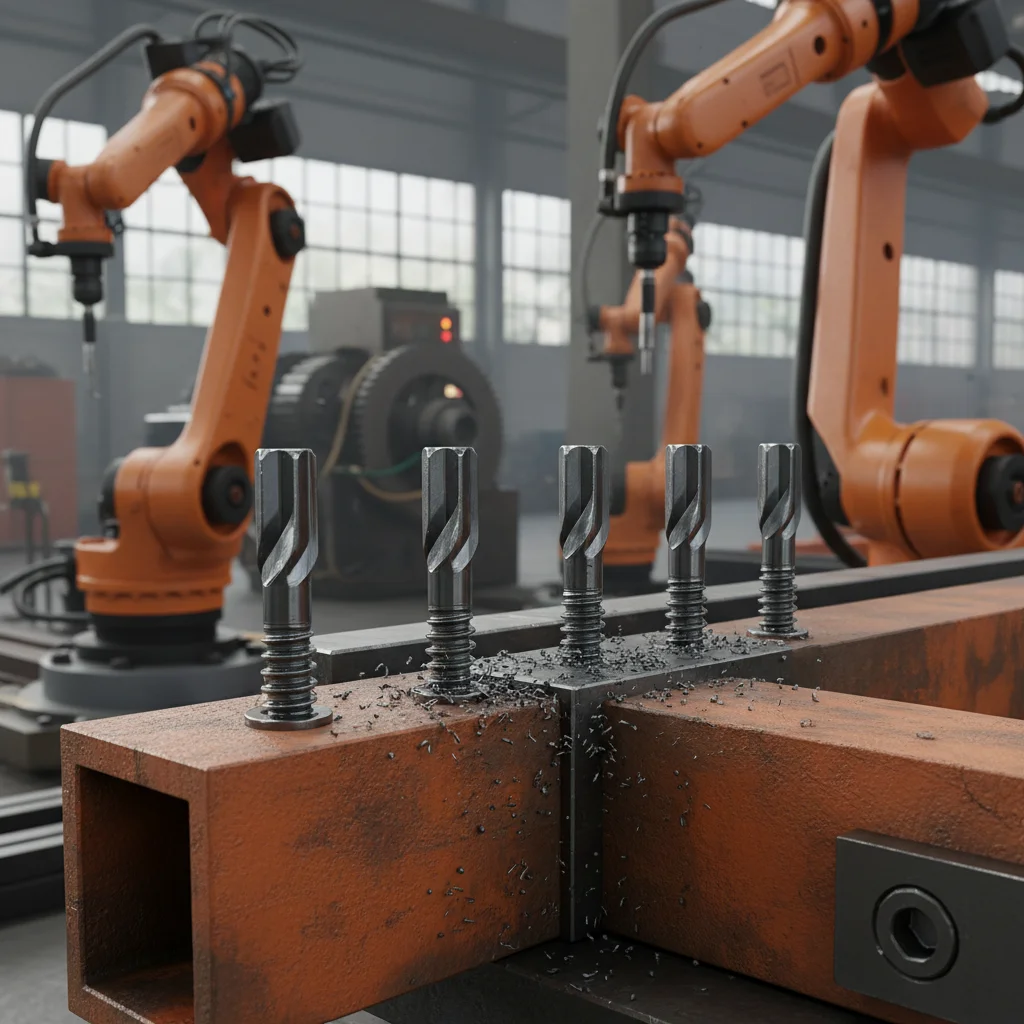
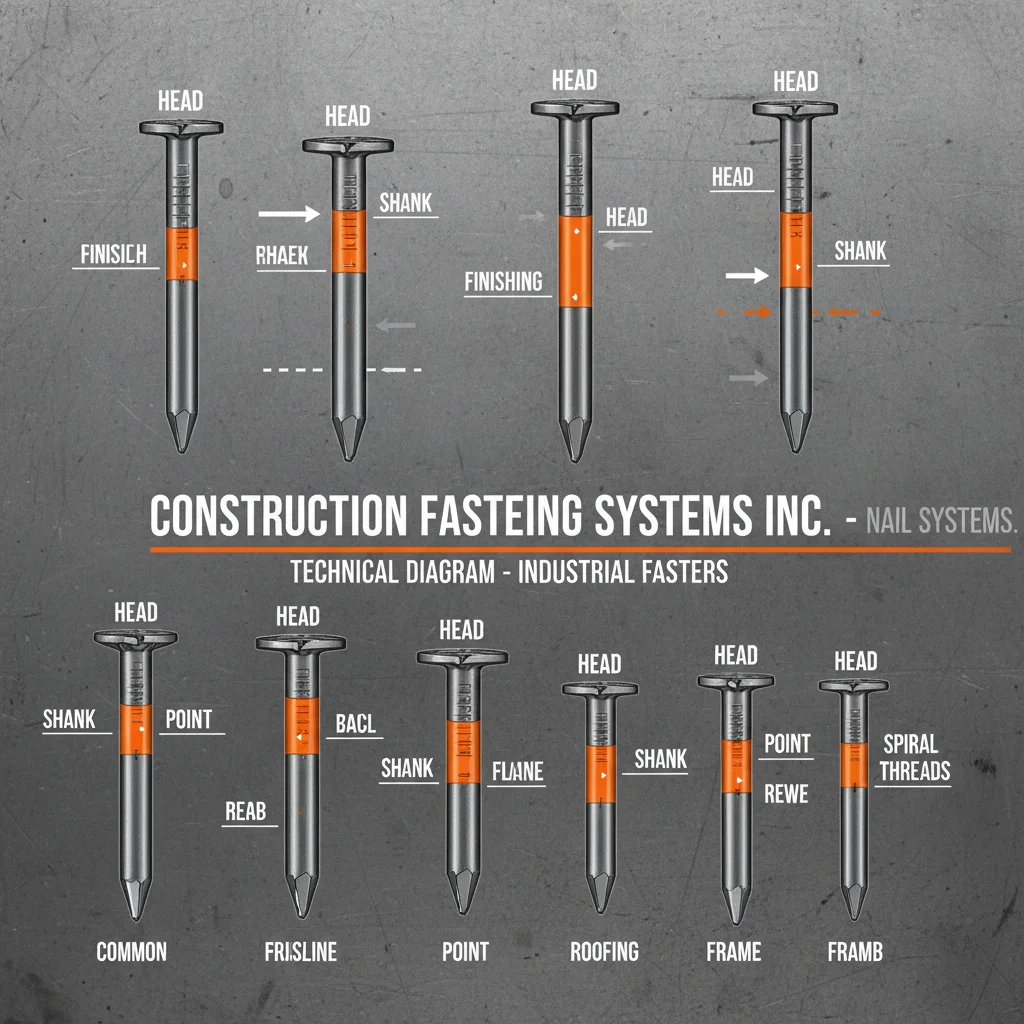
Many users confuse self-tapping and self-drilling screws. While both create their own threads, the primary difference lies in the tip. A self-drilling screw has a tip that looks like a drill bit, allowing it to penetrate thick metal without any pre-hole. A 3 8 16 self tapping screw typically has a pointed or blunt tip and is designed to cut threads into a hole that is already there or into softer materials. For applications where the base material is relatively thin or soft, the self-tapping variety is often more cost-effective and provides a tighter grip due to the thread geometry.
Selecting the right fastener can make or break the quality of an industrial assembly. The 3 8 16 self tapping screw offers a powerful combination of strength, efficiency, and reliability. By understanding its technical specifications and applying the correct installation methods, engineers and contractors can ensure their structures are secure and durable. When you source your hardware from a professional manufacturer like Lianshi, you guarantee a product that meets international standards for tolerance and tensile strength. Elevate your assembly standards today by choosing the right tools for the job.
The designation "3 8 16" is a shorthand for the screw's dimensions. The "3 8" refers to the nominal diameter of the screw, which is 3/8 of an inch. The "16" refers to the thread pitch, meaning there are 16 threads per inch (TPI). This is a standard coarse thread specification that provides a strong grip in a variety of materials, making it a popular choice for industrial applications where high pull-out resistance is required.
Yes, these screws can be used in many types of hard plastics. However, because the threads are aggressive, there is a risk of cracking the plastic or stripping the hole if the material is too brittle or the hole is too small. It is often recommended to drill a small pilot hole in plastic to relieve internal stress during the tapping process. This ensures that the 3 8 16 self tapping screw creates clean threads without fracturing the surrounding material.
Stripping usually occurs due to the use of an incorrect driver bit or excessive torque. To prevent this, always use a high-quality bit that fits the head of the screw perfectly with no "play." If you are using a hex head, ensure the socket is fully seated. Additionally, using a driver with a torque-limiting clutch can stop the tool once the desired tightness is reached, protecting both the screw head and the workpiece from damage.
For outdoor environments, hot-dipped galvanized coating or stainless steel (Grade 304 or 316) is the best choice. Zinc plating is suitable for indoor use but will rust quickly when exposed to rain and humidity. Galvanized coatings provide a thick layer of zinc that protects the steel from the elements. If the project is near the ocean, Grade 316 stainless steel is highly recommended due to its superior resistance to chlorides and salt spray, ensuring the long-term stability of your fasteners.
JOIN OUR NEWSLETTER


If you are interested in our products, you can choose to leave your information here, and we will be in touch with you shortly.