Hit enter to search or ESC to close
Construction nails, seemingly simple fasteners, are a cornerstone of global infrastructure and a significant factor in project costs. Understanding the nuances of construction nails price isn't just about finding the cheapest option; it's about balancing cost, durability, and suitability for specific applications. Globally, the construction industry spends billions annually on these essential components, making even slight fluctuations in price impactful. A robust understanding of these price dynamics is crucial for contractors, builders, and even homeowners undertaking significant projects.
The construction nails price is inextricably linked to raw material costs—primarily steel—and global economic factors. Supply chain disruptions, tariffs, and energy prices all play a role. Recently, we’ve seen significant price volatility driven by geopolitical instability and increased demand in rapidly developing economies. Keeping a finger on the pulse of these forces is essential for project budgeting and risk management. From the muddy job sites in Southeast Asia to the towering skyscrapers in North America, the cost of these nails directly influences timelines and overall profitability.
Ultimately, nailing down the right construction nails price isn’t just about securing materials. It impacts the stability, longevity, and safety of the structures we build. It’s a detail often overlooked in project planning, yet a critical one for ensuring a successful outcome. We’re talking about everything from framing houses to building bridges, and the cost efficiency associated with selecting the right nails directly translates to better value for clients and stronger, more resilient infrastructure.
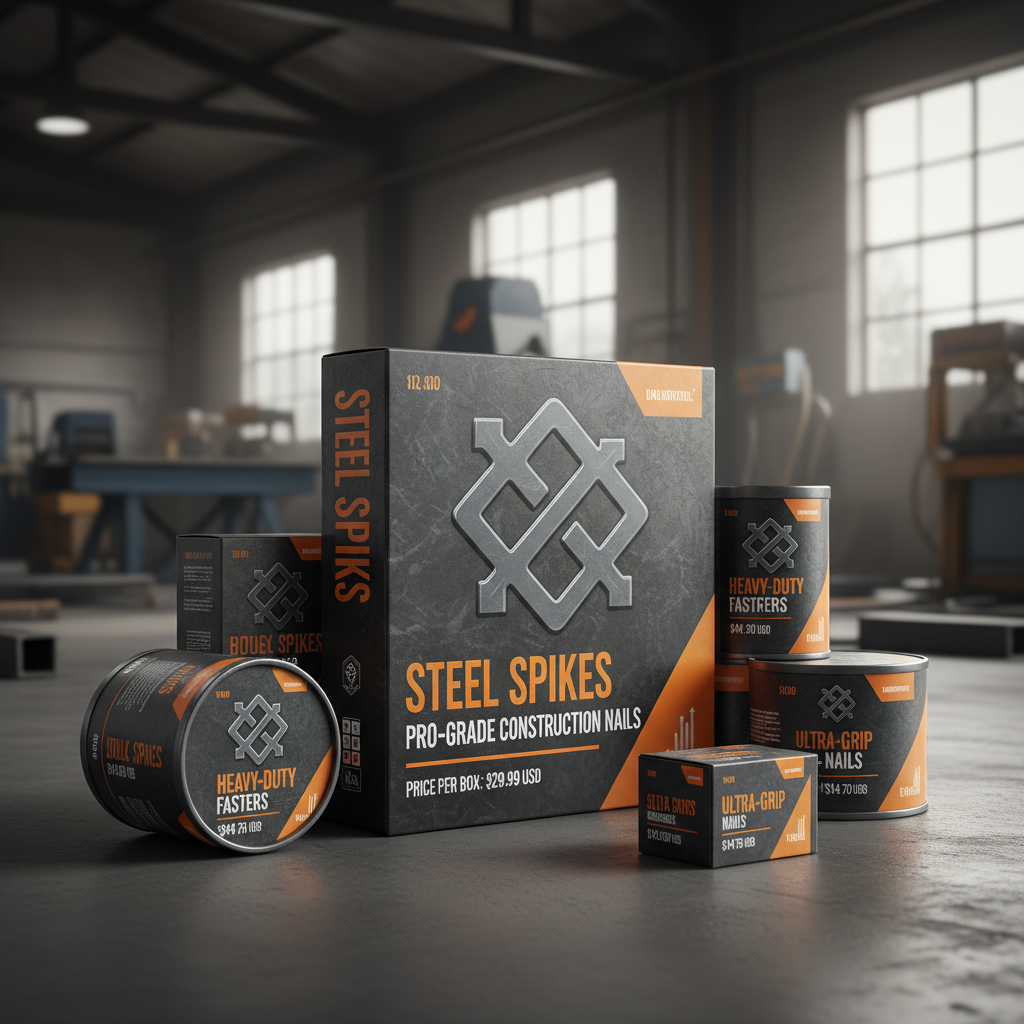
Look, I’ve spent twenty years walking these sites. I’ve seen projects succeed and fail, and a surprising number of times, it comes down to seemingly small details like fastener costs. Understanding construction nails price isn’t just for the accountants. It’s about knowing what you’re getting for your money – the steel quality, the coating, the consistency. It's about preventing delays from reordering the wrong type or finding out mid-project your supplier jacked up the price. It’s a fundamental part of good project management.
It's a cost that often gets buried in the overall budget, but it can quickly snowball. Even a few cents difference per nail adds up when you're talking about tens or hundreds of thousands. And that's before you factor in wasted materials if you’re using inferior nails that bend or break easily. We’re constantly looking for ways to optimize every aspect of a build, and a solid grasp on nails price is a vital part of that process. construction nails price is a key factor.
From a boots-on-the-ground perspective, construction nails price isn’t just a number on an invoice. It’s a reflection of the entire supply chain. It includes the cost of raw steel, manufacturing, transportation, distribution, and the supplier’s profit margin. It’s also heavily influenced by the type of nail – common, box, roofing, flooring, and so on. Each type has different steel requirements, coatings (galvanized, stainless steel), and shank designs, all impacting the price.
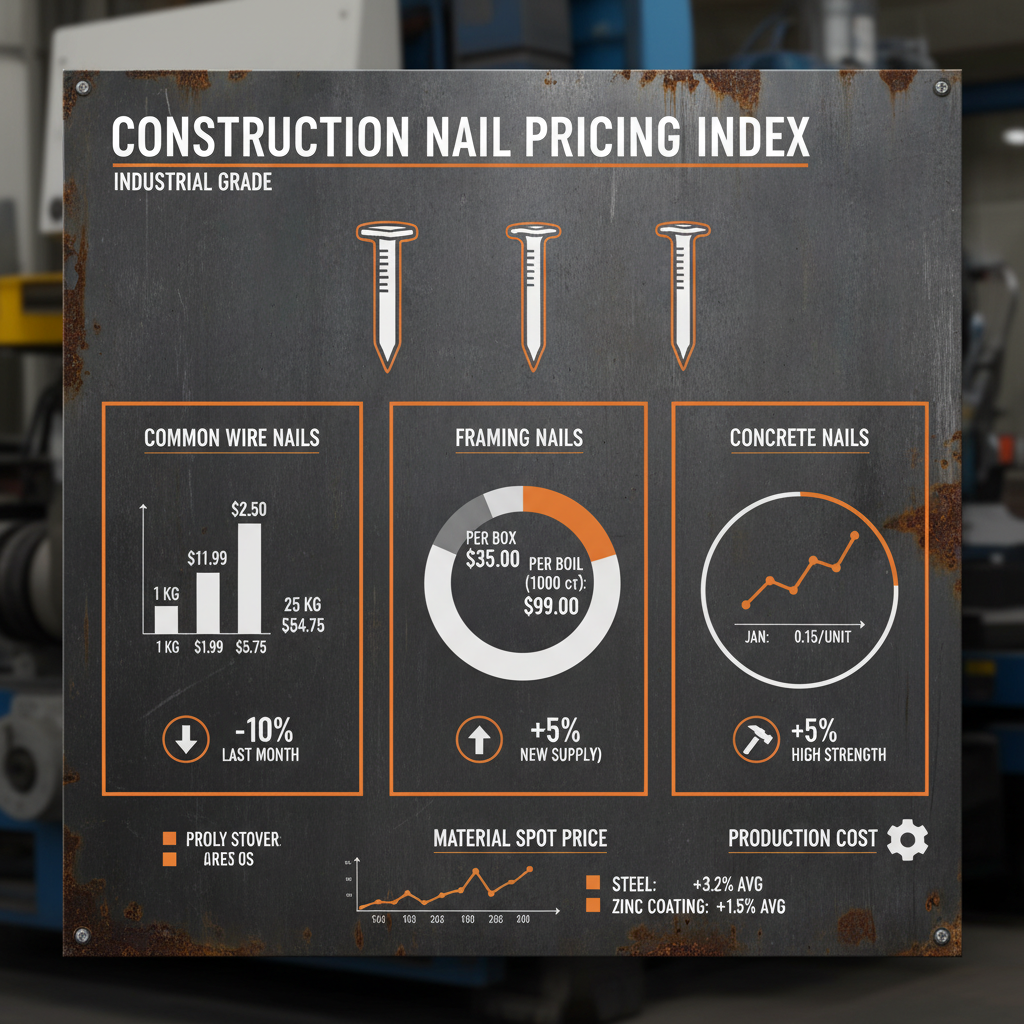
The price can be quoted in various ways: per pound, per kilogram, or, most commonly, per box or carton. The key is to standardize your units and compare apples to apples. You also need to factor in bulk discounts. A good supplier will work with you on volume pricing, especially for larger projects. Don't be afraid to negotiate and get quotes from multiple vendors.
Ultimately, construction nails price represents the value you receive for a specific fastener. A cheaper nail isn’t always better if it means more labor to install, a higher risk of failure, or a shorter lifespan for the structure. It’s about finding the sweet spot between cost and performance.
Steel prices are the biggest driver, hands down. Global steel markets fluctuate based on demand from industries like automotive, manufacturing, and, of course, construction. Tariffs and trade wars can also significantly impact steel costs, and therefore nail prices. I’ve seen prices jump 15-20% overnight simply due to a new trade agreement. Staying informed about these macro-economic factors is critical.
The type of coating is another major factor. Galvanized nails are a common choice for exterior applications due to their corrosion resistance, but the cost of zinc also influences the price. Stainless steel nails are even more durable but come with a significantly higher price tag. Choosing the right coating depends on the environment and the intended lifespan of the structure.
Finally, demand plays a role. During peak construction seasons, or in areas experiencing rapid growth, prices tend to rise due to increased competition for materials. Supply chain disruptions, like those we’ve seen in recent years, can also drive up prices and lead to delays.
The need for construction nails is universal, but prices vary significantly by region. In North America, you'll find a relatively stable market with established suppliers. Europe tends to have higher prices due to stricter environmental regulations and labor costs. Emerging markets in Asia and Africa often have lower prices, but quality control can be a concern.
Different applications also demand different price points. Framing nails for residential construction are generally cheaper than specialized nails used in roofing or decking. Similarly, nails used in seismic-resistant construction, which require higher strength and ductility, will command a premium price.
We recently completed a project in the Philippines, and sourcing nails locally was significantly cheaper than importing them from the US. However, we had to conduct thorough quality control inspections to ensure they met our standards. It’s a balancing act – cost versus quality, and it requires on-the-ground expertise.
Optimizing construction nails price isn’t just about saving money. It’s about improving project efficiency and quality. Using the right nails for the job reduces wasted materials, minimizes installation time, and ensures the structural integrity of the build. A well-chosen nail will drive straight, hold firmly, and resist corrosion – reducing the need for rework and repairs down the line.
It also impacts your reputation. Delivering projects on time and within budget builds trust with clients and establishes you as a reliable contractor. And in today’s competitive market, that’s a significant advantage.
We’re seeing a growing demand for more sustainable and environmentally friendly construction materials, and nails are no exception. Expect to see increased use of recycled steel and bio-based coatings. There’s also a push towards lighter-weight nails that reduce material costs and transportation expenses.
Technology is playing a role too. Automated nailing systems are becoming more common, increasing efficiency and reducing labor costs. And with the rise of Building Information Modeling (BIM), we’re able to more accurately estimate nail requirements, minimizing waste and optimizing procurement.
I think we'll also see more emphasis on traceability and transparency in the supply chain. Clients want to know where their materials are coming from and how they’re made.
One of the biggest challenges is price volatility. Steel prices can fluctuate wildly, making it difficult to lock in a fixed price for a project. The solution? Develop strong relationships with multiple suppliers and consider using forward contracts to secure pricing.
Another challenge is quality control. Counterfeit or substandard nails can compromise the structural integrity of a build. Always inspect materials upon delivery and work with reputable suppliers who can provide certifications of compliance.
Finally, staying informed about market trends and regulatory changes is crucial. Attend industry events, subscribe to trade publications, and network with other professionals. Knowledge is power when it comes to managing construction nails price.
| Challenge | Impact on construction nails price | Solution | Implementation Difficulty (1-10) |
|---|---|---|---|
| Steel Price Volatility | Unpredictable increases in nail costs | Diversify suppliers, utilize forward contracts | 6 |
| Substandard Nail Quality | Structural weakness, increased repair costs | Thorough inspections, reputable suppliers | 7 |
| Supply Chain Disruptions | Delays, price increases, material shortages | Maintain buffer stock, regional sourcing | 8 |
| Lack of Market Information | Inability to negotiate optimal prices | Industry networking, trade publications | 4 |
| Hidden Costs (Shipping/Handling) | Unexpected budget increases | Detailed quoting, inclusive pricing | 5 |
| Regulatory Compliance | Potential fines, project delays | Supplier certifications, documentation | 6 |
The primary driver of construction nails price changes is the cost of raw steel. Global steel market dynamics, influenced by factors like supply and demand, geopolitical events, and tariffs, directly correlate to nail prices. Additionally, the cost of zinc for galvanization and transportation expenses contribute to price volatility. Staying informed about these market conditions is key to predicting price trends.
The best approach involves several strategies. First, establish relationships with multiple reputable suppliers to foster competition. Second, consider negotiating forward contracts to lock in pricing, especially for long-term projects. Third, explore bulk purchasing discounts and inquire about potential rebates. Finally, carefully analyze quotes, ensuring all costs, including shipping and handling, are transparently outlined.
Galvanized nails are coated with zinc to provide corrosion resistance, making them suitable for most exterior applications. They are generally more affordable than stainless steel. Stainless steel nails offer superior corrosion resistance, making them ideal for highly corrosive environments, like coastal areas or projects using treated lumber. However, their higher steel alloy content results in a significantly higher price point.
Supply chain disruptions, such as those experienced recently with global shipping and manufacturing, can lead to both price increases and material shortages. Reduced availability drives up demand, causing prices to surge. Disruptions also impact lead times, potentially delaying project timelines. Mitigation strategies include diversifying suppliers, maintaining buffer stock, and proactively planning for potential delays.
Yes, the industry is seeing a growing emphasis on sustainability. Options include nails made from recycled steel, bio-based coatings to reduce environmental impact, and innovative fastening systems that minimize material usage. While these alternatives may sometimes have a slightly higher upfront cost, they can offer long-term benefits in terms of sustainability and project value.
Nail gauge (diameter) and length directly impact price. Thicker gauge nails and longer lengths require more steel to manufacture, increasing the cost. Choosing the appropriate gauge and length for the specific application is crucial – overspecifying increases costs unnecessarily, while underspecifying compromises structural integrity. Always refer to building codes and engineering specifications.
In conclusion, understanding construction nails price is far more than just a budgetary exercise. It's a crucial component of effective project management, impacting everything from material costs and labor efficiency to structural integrity and long-term durability. Being attuned to market dynamics, supplier relationships, and the subtle nuances of different nail types empowers construction professionals to make informed decisions and deliver superior results.
Looking ahead, expect continued innovation in materials and fastening technologies. Embracing sustainable practices and prioritizing quality control will be paramount. By staying informed and proactive, we can navigate the complexities of the construction nails market and build a stronger, more resilient future. For competitive pricing and a wide range of high-quality construction nails, visit our website: www.lianshiwjnail.com.

JOIN OUR NEWSLETTER
If you are interested in our products, you can choose to leave your information here, and we will be in touch with you shortly.