
Hit enter to search or ESC to close
Feb 27, 2026


Self-drilling screws, also known as self-tapping screws, are incredibly versatile fasteners widely used in various industries. Among the numerous sizes available, the 12 14 self drilling screw is a popular choice due to its balance of strength, drilling capability, and suitability for a range of materials. This article will delve into the features, applications, benefits, and specifications of these screws, providing a detailed overview for professionals and DIY enthusiasts alike. Understanding these screws can help you choose the right fastener for your next project.
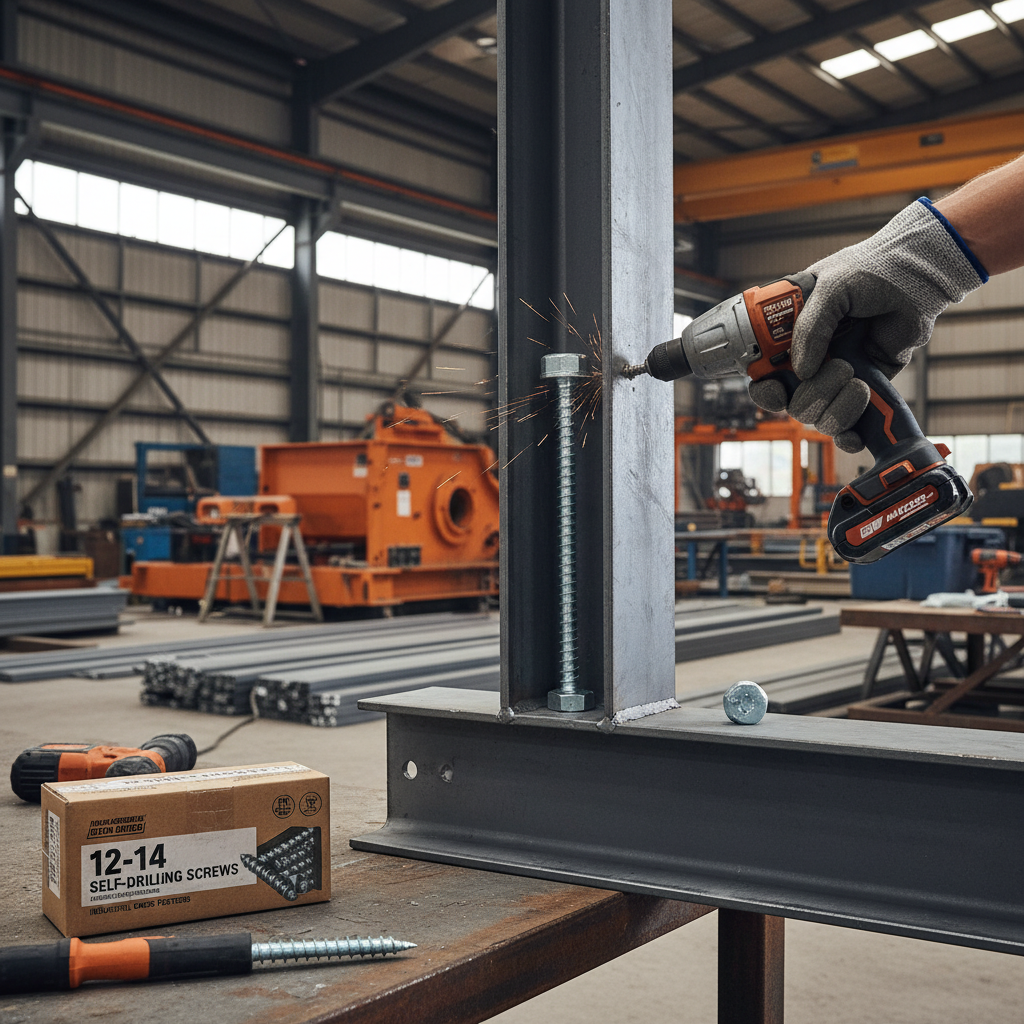
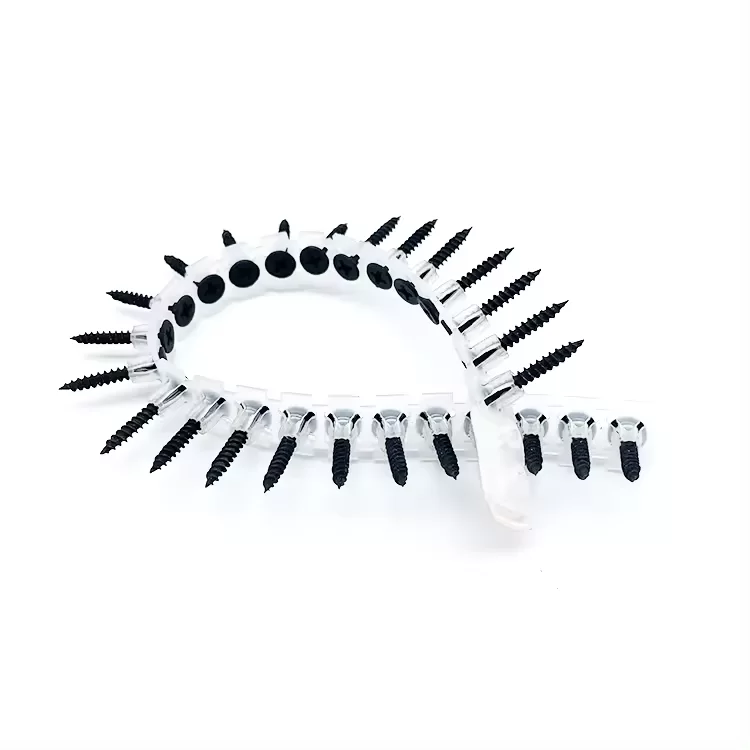
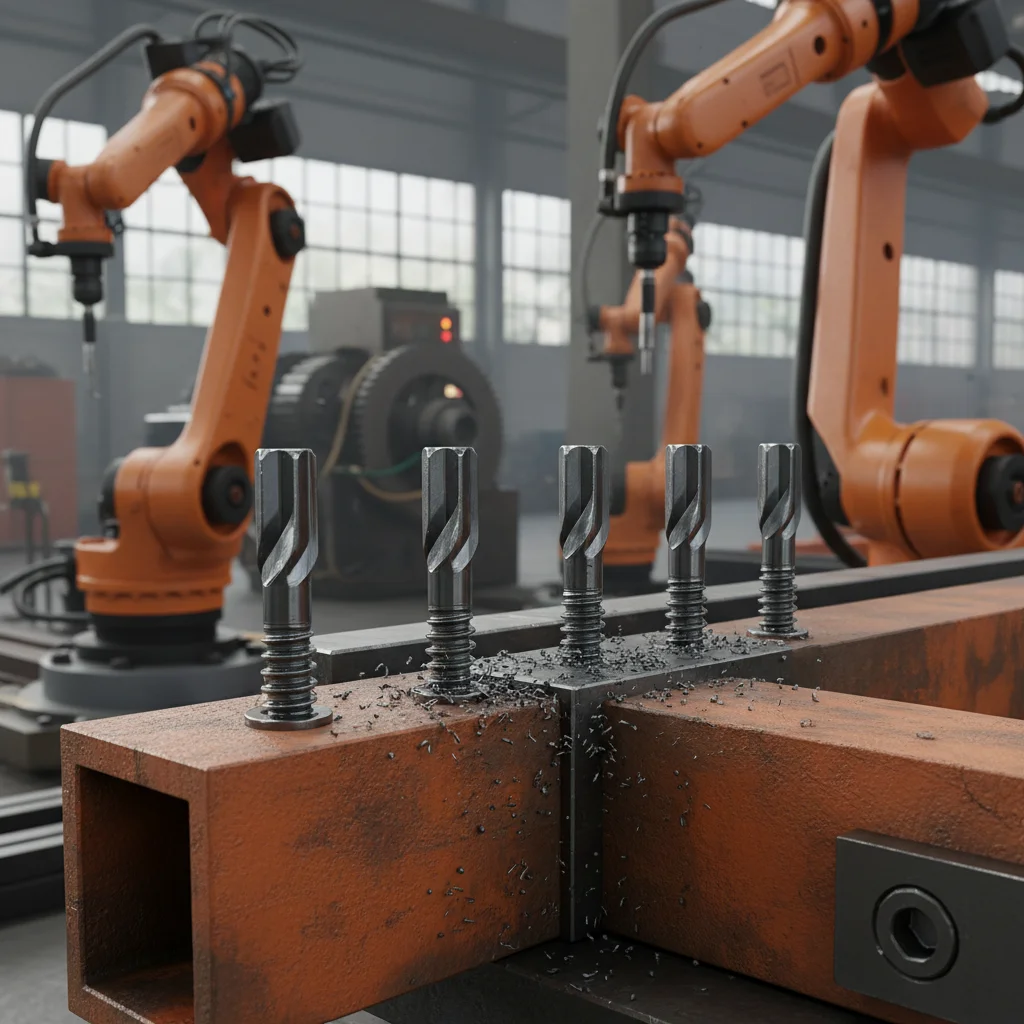
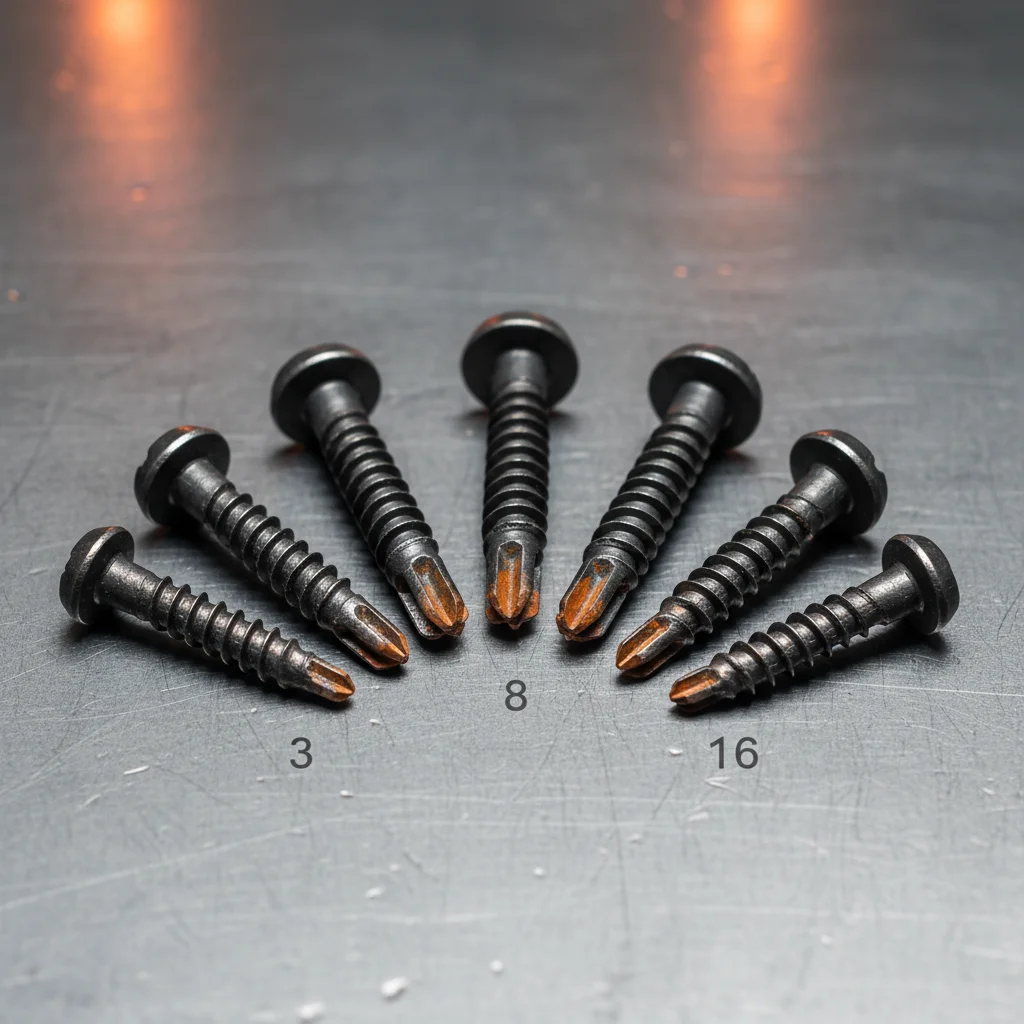
A 12 14 self-drilling screw refers to the screw’s dimensions. ‘12’ generally indicates the major diameter of the thread, and ‘14’ represents the length of the screw in millimeters. These screws are designed with a drill-bit-like point, eliminating the need for pre-drilling holes in many applications. This saves time and effort, making them ideal for projects where efficiency is key. The screws are made from hardened steel, ensuring durability and resistance to breakage. They are commonly used in metal, plastic, and wood applications, making them a staple in construction, manufacturing, and DIY projects. They are available in different head types, such as pan, flat, and hex, to suit different needs.
Key Highlights: Eliminates the need for pre-drilling, saving time and effort. Available in various head types and materials. Suitable for a wide range of applications in metal, plastic, and wood.
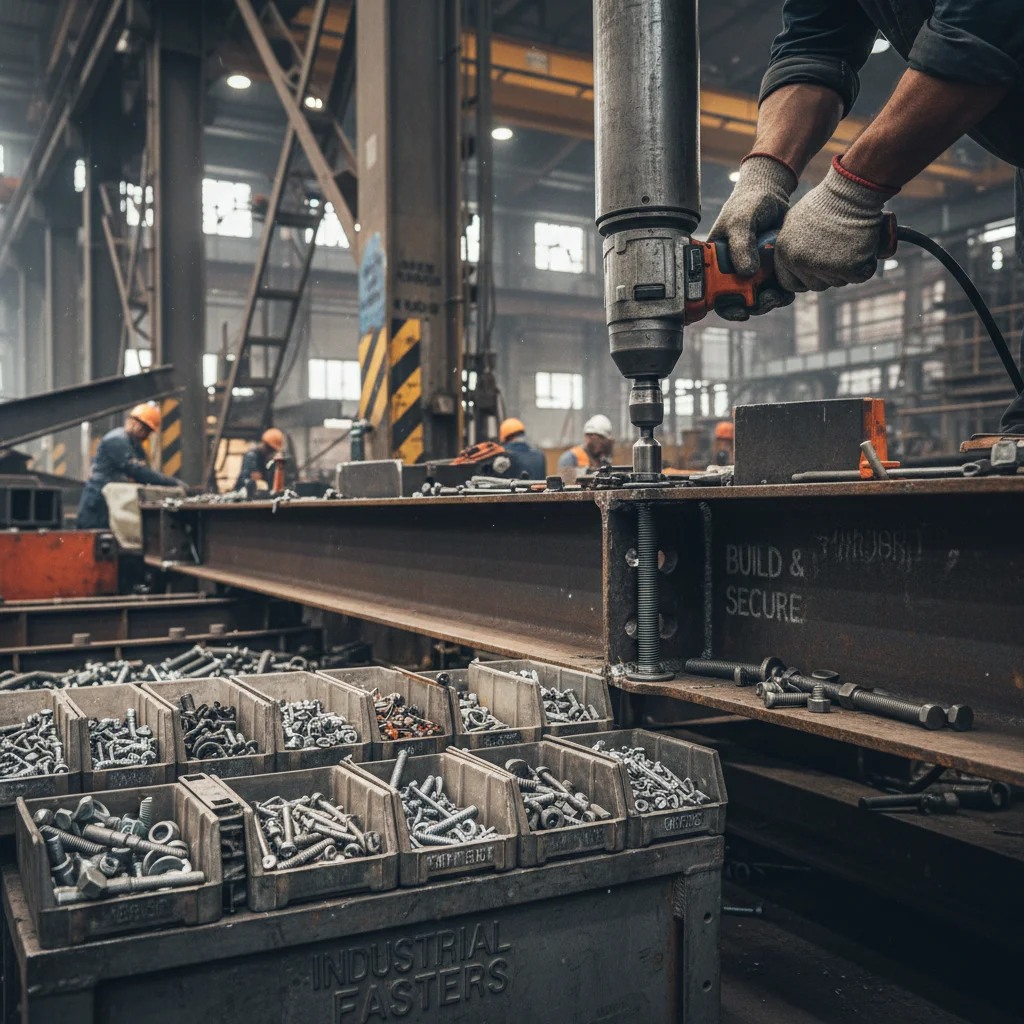
The versatility of 12 14 self-drilling screws makes them suitable for a wide array of applications. In the construction industry, they are frequently used for attaching roofing sheets to steel frames, securing metal siding, and assembling metal structures. In the automotive industry, they are employed in paneling, trim work, and various fastening tasks. DIY enthusiasts often use them for projects like assembling furniture, creating metal art, and repairing appliances. They're also prevalent in the HVAC industry for attaching ductwork and securing components. Their ability to quickly and securely fasten materials without pre-drilling makes them a preferred choice for numerous projects. Lianshi Wjnail offers a wide range of sizes and types to meet diverse project requirements.
Application Areas:
• Construction: Roofing, siding, metal framing
• Automotive: Paneling, trim work, repairs
• HVAC: Ductwork, component fastening
• DIY Projects: Furniture assembly, metal art
Compared to traditional screws, 12 14 self-drilling screws offer several key advantages. The primary benefit is the elimination of the pre-drilling step, which significantly speeds up the fastening process. This also reduces the risk of material damage or splitting that can occur with pre-drilling. Traditional screws require more tools and effort, while self-drilling screws streamline the process, saving both time and labor costs. The self-drilling feature also creates a cleaner, more precise fastening, resulting in a stronger and more durable connection. While traditional screws might be more cost-effective for very basic applications, the long-term benefits of self-drilling screws often outweigh the initial cost.
Choosing the correct 12 14 self-drilling screw depends on the material you're working with and the application. For thicker materials, you'll need screws with a more aggressive thread pattern and a larger drill point. The screw’s material should also be considered. Stainless steel screws are ideal for outdoor applications or corrosive environments, while carbon steel screws are suitable for general-purpose use. Additionally, the head type should match the application – flat heads are flush with the surface, pan heads provide a broader bearing surface, and hex heads offer greater torque. Lianshi Wjnail provides detailed specifications for each product to help you make the right selection.
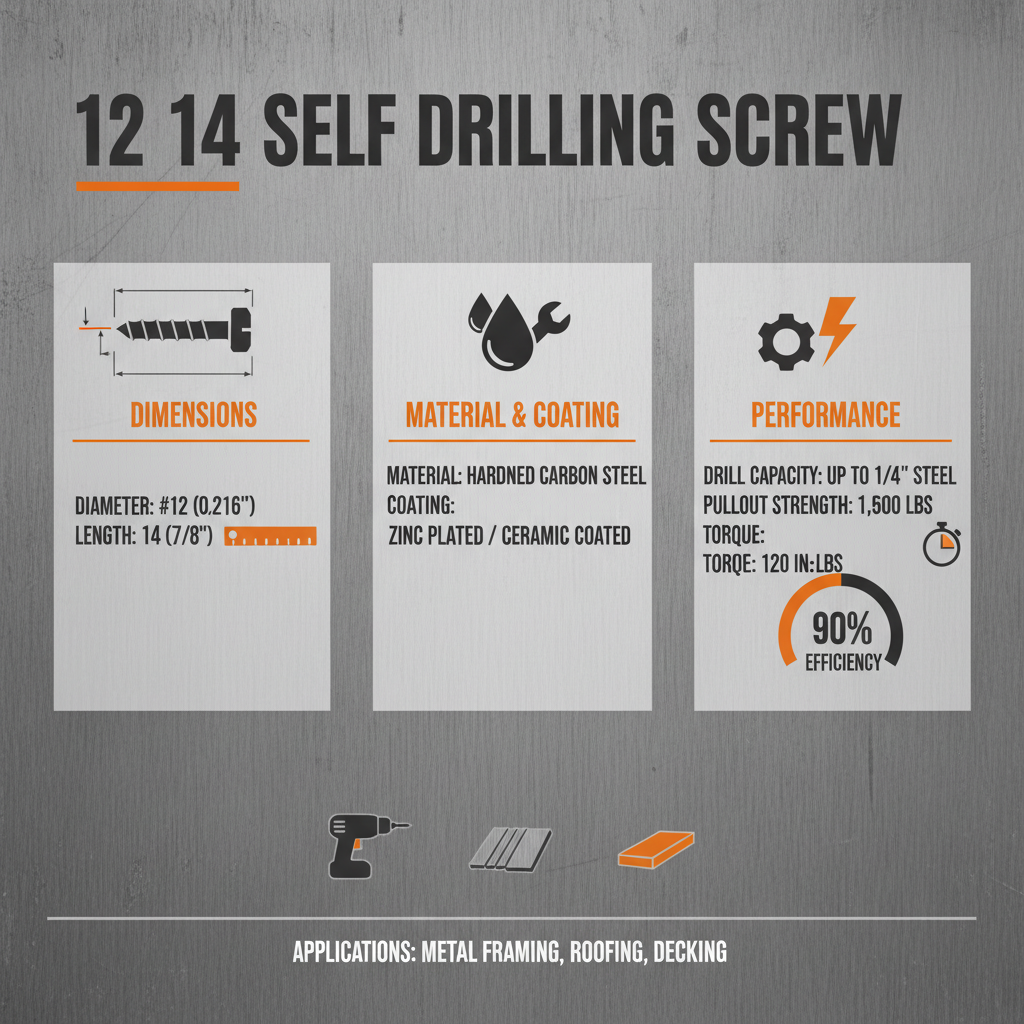
When selecting a 12 14 self drilling screw, it's essential to review the technical specifications to ensure it meets your project requirements. Key considerations include the material (carbon steel, stainless steel, etc.), point style (Type A, Type B, etc.), thread type, and coating (zinc, phosphate, etc.). Understanding these specifications will help you choose a screw that delivers optimal performance and longevity. Always refer to the manufacturer's datasheet for detailed information. The size 12 14 typically refers to the thread diameter and length in millimeters, providing a convenient reference for compatibility and application.
The 12 14 self drilling screw is a valuable asset for any toolbox, offering efficiency, reliability, and versatility. By understanding its applications, specifications, and benefits, you can ensure you select the right fastener for your needs. Investing in quality screws from a reputable supplier like Lianshi Wjnail will save you time, effort, and potentially costly repairs in the long run.
These screws are versatile and can be used in metal, plastic, and wood. However, the optimal material depends on the screw's composition. Stainless steel screws are ideal for outdoor applications or corrosive environments, while carbon steel screws work well for general-purpose fastening. Always check the manufacturer's recommendations for specific material compatibility. For thicker metals, choose screws with a more aggressive thread pattern for better grip and drilling performance.
Type A drill points are designed for thinner materials, creating a smaller pilot hole. They are ideal for applications where pre-drilling is unnecessary and a cleaner finish is desired. Type B drill points are more aggressive and are suitable for thicker materials. They create a larger pilot hole and require more torque to drive. Choosing the right drill point is crucial for efficient and effective fastening. Type B points are often preferred for thicker metals where self-drilling can be more challenging.
Stripping the screw head can occur from using excessive force or an incorrect drill bit. Ensure you're using the right drill speed and applying consistent pressure. Avoid over-tightening the screw, as this can damage the head. Using a high-quality drill bit and a properly sized driver bit will also help prevent stripping. If you encounter resistance, reduce the speed and apply more controlled pressure.
You can purchase high-quality 12 14 self drilling screws from Lianshi Wjnail. We offer a wide selection of screws in various materials, sizes, and coatings to meet your specific needs. We are committed to providing reliable products and excellent customer service. Visit our website to browse our inventory and place your order today.
JOIN OUR NEWSLETTER


If you are interested in our products, you can choose to leave your information here, and we will be in touch with you shortly.