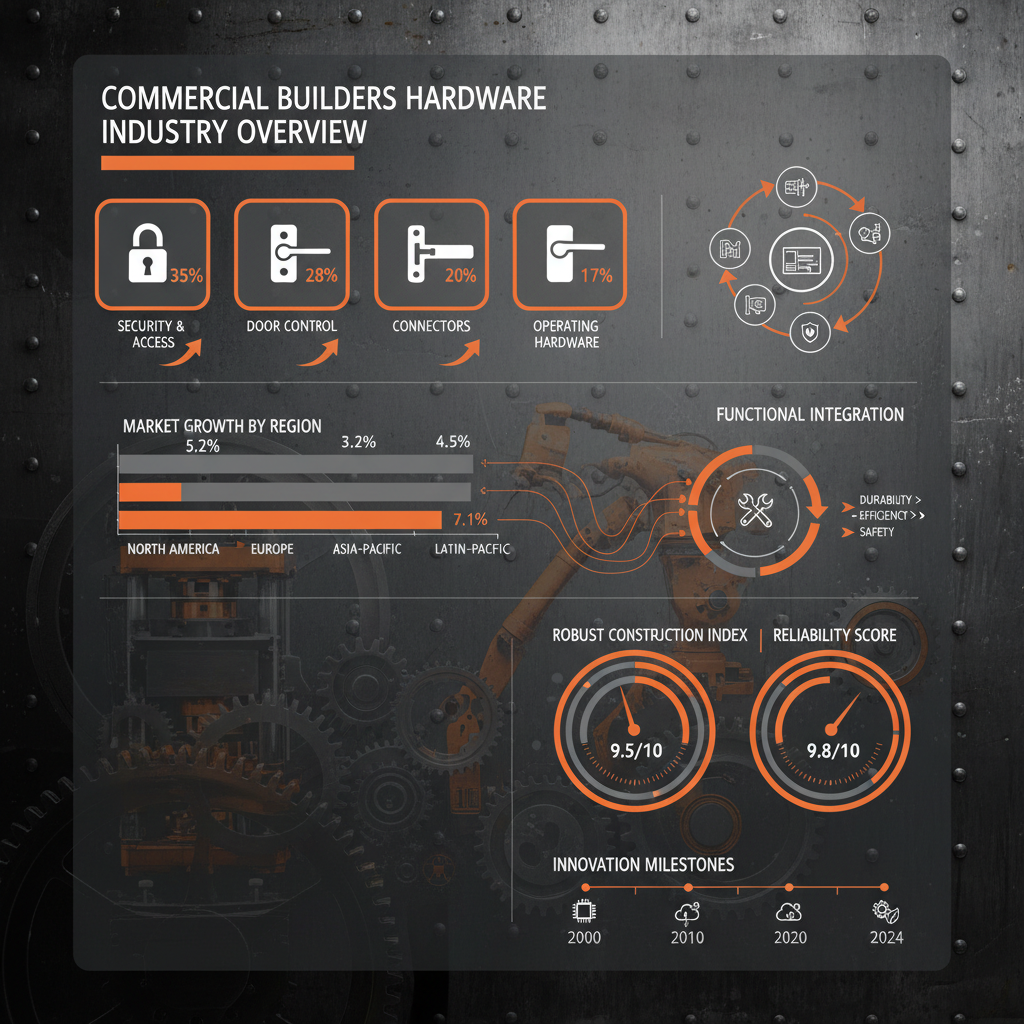
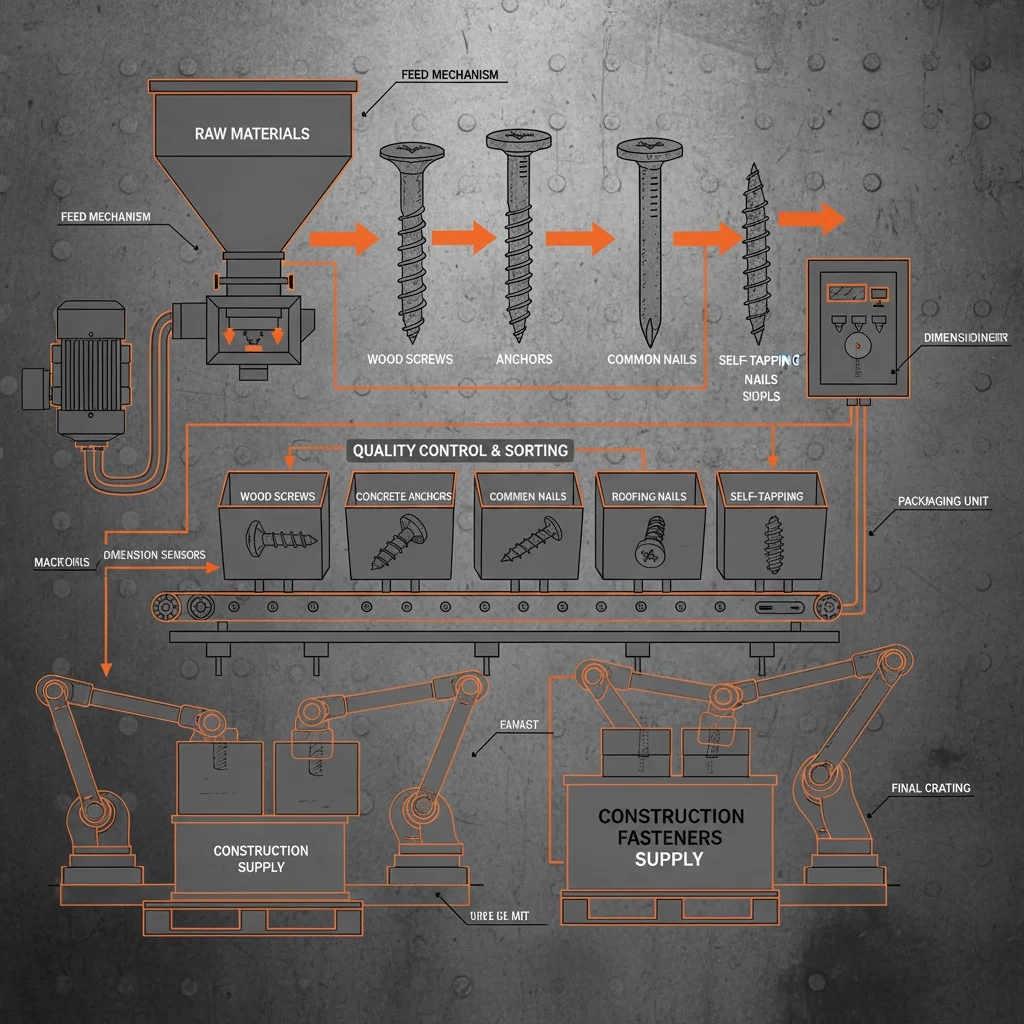
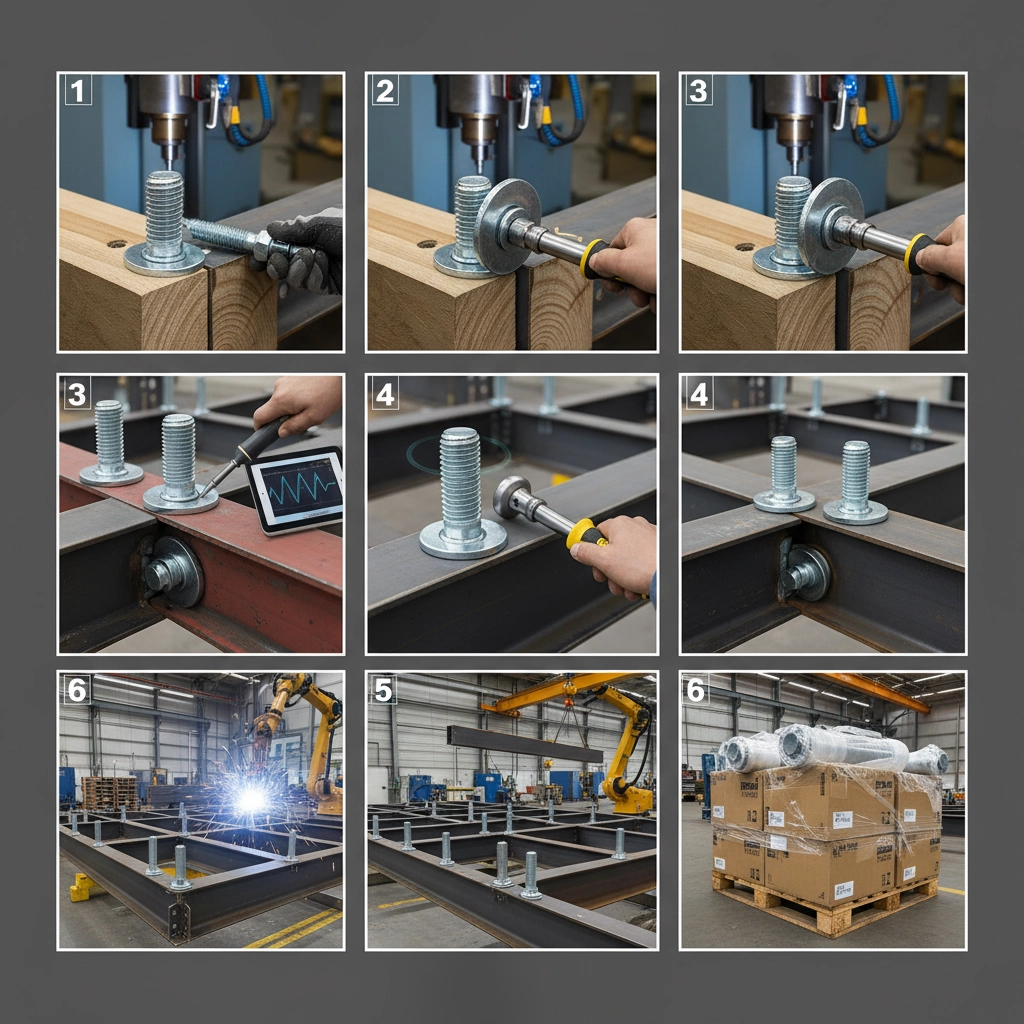
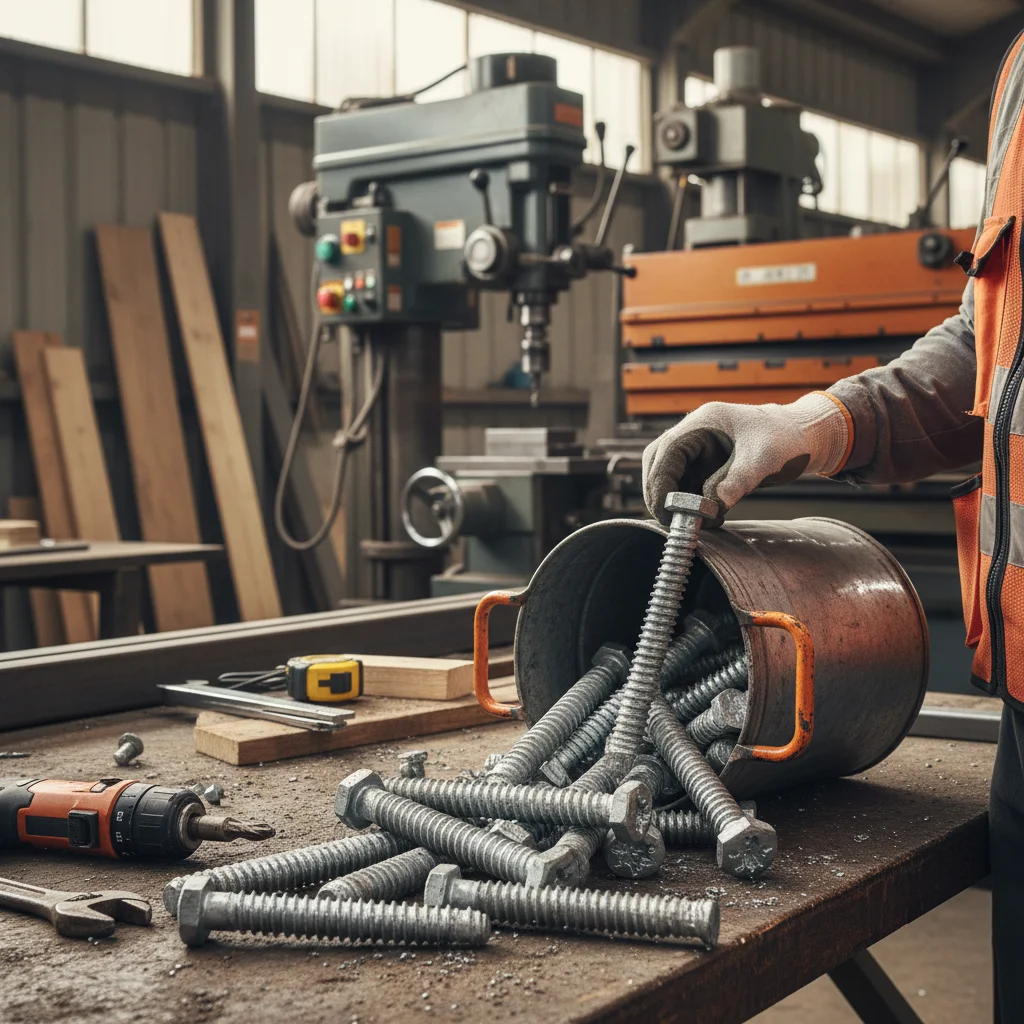
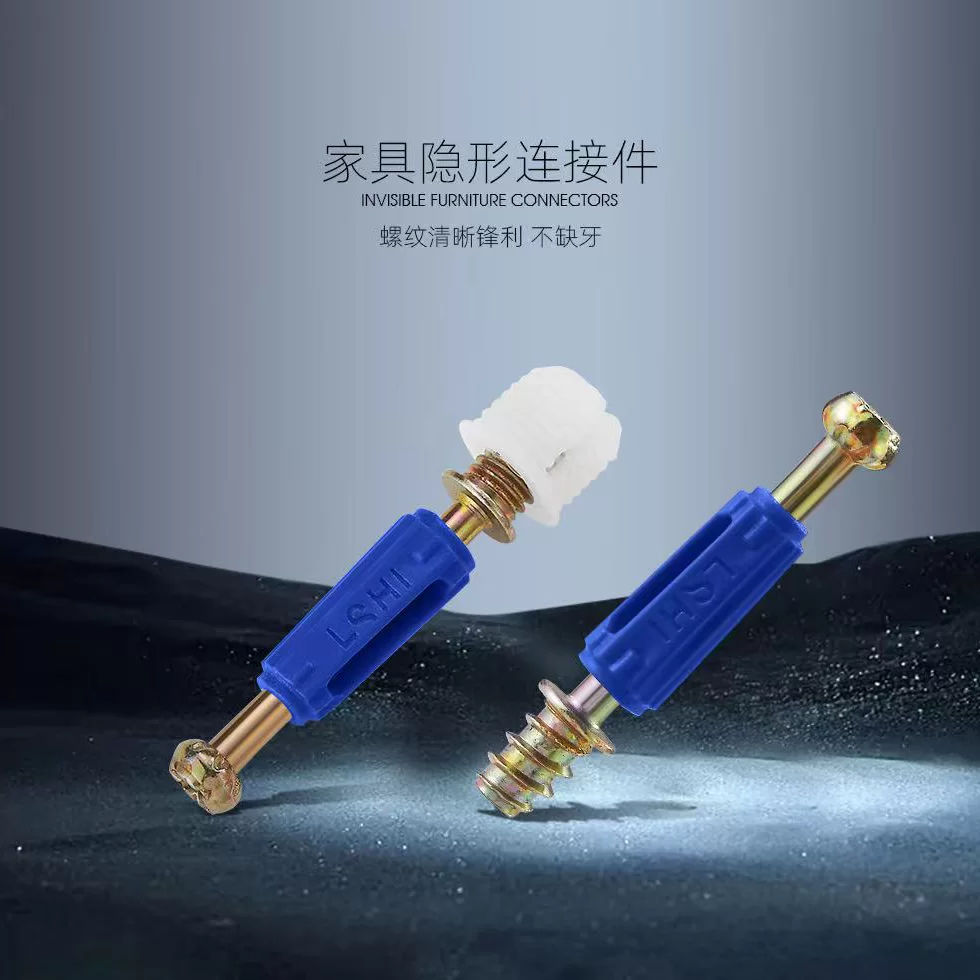
Commercial builders hardware forms the backbone of modern construction, extending beyond simple fasteners to encompass a complex ecosystem of specialized components. Its relevance spans the globe, driving efficiency, safety, and durability in projects ranging from residential complexes to large-scale infrastructure. Understanding the nuances of commercial builders hardware is crucial for architects, engineers, contractors, and anyone involved in the building process, impacting project timelines, budgets, and ultimately, the quality and longevity of structures.
The demand for robust and reliable commercial builders hardware is escalating alongside global urbanization and infrastructure development. According to the UN, 68% of the world’s population is projected to live in urban areas by 2050, fueling a construction boom. This growth necessitates innovative and high-performance hardware solutions to meet increasingly stringent building codes and sustainability standards. Failure to prioritize quality hardware can lead to structural failures, costly repairs, and compromised safety, highlighting the critical role of informed selection and implementation.
Investing in advanced commercial builders hardware is not merely a matter of completing a project; it’s an investment in long-term value, public safety, and economic stability. Its importance is exemplified in disaster-resilient construction and the ability to rapidly deploy essential infrastructure in response to emergencies.
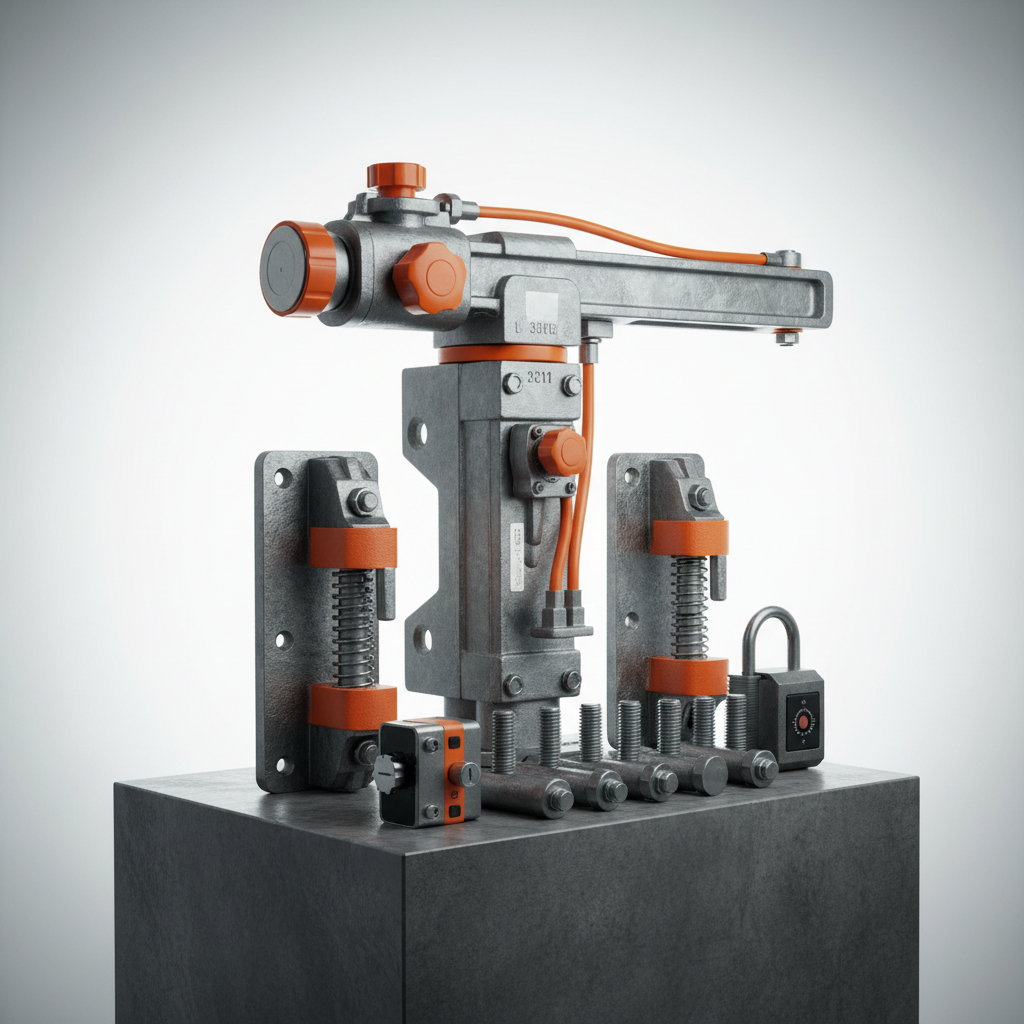
The Global Significance of Commercial Builders Hardware
The global commercial builders hardware market is a multi-billion dollar industry, deeply intertwined with economic growth and infrastructural development. The World Bank estimates that over $1 trillion will be invested in infrastructure projects in developing countries by 2030, creating immense demand for high-quality hardware. This demand isn't merely quantitative; increasingly, it's driven by a need for sustainable, durable, and innovative solutions that can withstand diverse environmental conditions and meet evolving building standards.
ISO standards play a critical role in ensuring quality and interoperability within the commercial builders hardware sector. Compliance with these standards facilitates trade, promotes safety, and fosters trust among stakeholders. However, challenges remain in enforcing consistent quality control across all manufacturing regions, particularly in rapidly developing economies where counterfeit or substandard products can pose significant risks.
Defining Commercial Builders Hardware
Commercial builders hardware encompasses a wide range of mechanical components used in the construction of buildings and infrastructure. This extends beyond basic nails and screws to include items like structural fasteners, hinges, locks, door closers, access control systems, specialized anchors, and support brackets. Unlike residential hardware, commercial-grade products are engineered to withstand higher loads, greater frequency of use, and more demanding environmental conditions.
Its connection to modern industry lies in its ability to enable efficient and safe construction practices. Modern architectural designs often rely on complex structural systems that demand precisely engineered hardware for stability and integrity. Furthermore, commercial builders hardware facilitates accessibility, security, and fire safety – all critical aspects of contemporary building codes.
In humanitarian contexts, the provision of robust and reliable commercial builders hardware is essential for rapid disaster relief and the construction of temporary shelters and critical infrastructure. The ability to quickly assemble durable structures can significantly improve living conditions and save lives in emergency situations.
Core Components and Key Factors
Several core factors differentiate high-quality commercial builders hardware. Durability is paramount, with materials like stainless steel, high-strength alloys, and corrosion-resistant coatings ensuring longevity and minimizing maintenance. Load Capacity is another crucial aspect, dictating the hardware’s ability to safely support structural elements and withstand anticipated stresses.
Compliance with Standards, such as ANSI, ASTM, and ISO, guarantees performance and safety. Ease of Installation impacts project timelines and labor costs; hardware designed for simplified installation streamlines the construction process. Cost-Effectiveness considers the total life cycle cost, factoring in initial purchase price, installation expenses, maintenance requirements, and potential replacement costs.
Finally, Versatility is vital, with hardware adaptable to various materials and construction techniques. A single, high-quality component able to perform across diverse applications enhances efficiency and reduces inventory complexity. Choosing the right commercial builders hardware requires a holistic understanding of these factors and their interplay within a specific project context.
Applications Across Industries
Commercial builders hardware finds application in a diverse range of industries. In the construction of high-rise buildings, heavy-duty anchors and structural fasteners are critical for ensuring stability and safety. Healthcare facilities require specialized hardware for hygienic doors, access control, and patient safety. Educational institutions rely on durable locks, door closers, and security systems to protect students and staff.
The retail sector benefits from hardware that facilitates efficient store layouts, secure inventory storage, and accessibility for customers. Industrial facilities require robust hardware capable of withstanding harsh environments, heavy machinery, and frequent use. In post-disaster relief operations, rapidly deployable shelters and temporary infrastructure rely on lightweight, durable, and easy-to-assemble hardware components.
Even in remote industrial zones, the availability of reliable commercial builders hardware is crucial for maintaining essential infrastructure and supporting economic activity. Mining operations, oil and gas facilities, and research stations often operate in challenging conditions where the performance of hardware can directly impact operational efficiency and safety.
Commercial Builders Hardware Performance Ratings
Advantages & Long-Term Value Proposition
The tangible benefits of investing in quality commercial builders hardware are numerous. Cost savings accrue through reduced maintenance, fewer repairs, and increased structural longevity. Sustainability is enhanced by utilizing durable materials and minimizing waste associated with frequent replacements. Safety is paramount, with reliable hardware preventing structural failures and protecting occupants.
Beyond the practical advantages, superior commercial builders hardware fosters trust between builders, owners, and occupants. It projects an image of quality and professionalism, enhancing brand reputation. The innovation inherent in advanced hardware solutions contributes to more efficient construction processes and improved building performance. Ultimately, it delivers peace of mind, knowing that structures are built to last and provide a safe and secure environment.
Future Trends and Innovations
The future of commercial builders hardware is poised for significant innovation. The integration of digital transformation technologies, such as Building Information Modeling (BIM) and IoT sensors, is enabling smart hardware that monitors performance, predicts maintenance needs, and optimizes building operations. Automation in manufacturing processes is driving down costs and improving precision.
Increasingly, sustainable materials are being incorporated into hardware production, reducing environmental impact and promoting circular economy principles. The development of self-healing materials promises to extend hardware lifespan and minimize the need for repairs. Furthermore, evolving building codes and regulations are driving demand for hardware solutions that enhance energy efficiency and resilience to extreme weather events.
Challenges and Emerging Solutions
Despite advancements, several challenges persist in the commercial builders hardware sector. Supply chain disruptions can lead to delays and increased costs. Counterfeit products pose a significant safety risk. Lack of standardization across different regions and manufacturers can hinder interoperability.
Emerging solutions include diversifying supply chains, implementing robust quality control measures, and promoting greater collaboration between industry stakeholders to develop universal standards. Blockchain technology is being explored to enhance traceability and combat counterfeiting. Furthermore, increased investment in research and development is driving the creation of innovative materials and manufacturing processes.
Adopting a life cycle assessment approach – considering the environmental impact from raw material extraction to end-of-life disposal – is becoming increasingly important for promoting sustainability and responsible hardware selection.
Summary of Challenges and Solutions in Commercial Builders Hardware
| Challenge |
Impact Area |
Potential Solution |
Implementation Difficulty (1-5) |
| Supply Chain Disruptions |
Project Timelines & Costs |
Diversification of Suppliers |
3 |
| Counterfeit Hardware |
Safety & Structural Integrity |
Blockchain-Based Traceability |
4 |
| Lack of Standardization |
Interoperability & Efficiency |
Industry-Wide Collaboration |
5 |
| Material Costs |
Project Budgets |
Exploring Alternative Materials |
2 |
| Skilled Labor Shortage |
Installation Quality |
Training and Certification Programs |
3 |
| Environmental Impact |
Sustainability & Regulations |
Adoption of Sustainable Materials |
3 |
FAQS
Commercial builders hardware is engineered for significantly higher loads, greater frequency of use, and more demanding environments than residential hardware. It typically utilizes heavier-duty materials like stainless steel and high-strength alloys, and is designed to meet stringent building codes and safety regulations. Residential hardware prioritizes aesthetics and ease of use, while commercial hardware prioritizes durability, security, and compliance.
Look for hardware that is certified by recognized standards organizations like ANSI, ASTM, and ISO. Verify that the product documentation clearly states compliance with applicable standards. Purchase from reputable suppliers who can provide certificates of compliance and material specifications. Avoid purchasing hardware from unknown sources, as it may not meet safety requirements.
Stainless steel, particularly grades 304 and 316, offers excellent corrosion resistance. Hot-dip galvanized steel provides a protective zinc coating. Aluminum alloys are also corrosion-resistant, but may not be suitable for all applications. Specialized coatings, such as powder coating and ceramic coatings, can further enhance corrosion protection. The specific material choice depends on the severity of the environment and the required lifespan of the hardware.
Building Information Modeling (BIM) allows for the accurate representation of commercial builders hardware within a digital model of the building. This facilitates clash detection, ensuring that hardware components do not interfere with other structural elements. BIM also enables accurate quantity takeoffs, streamlining the procurement process. Furthermore, it supports lifecycle management, allowing for easy tracking of hardware maintenance and replacement schedules.
The Internet of Things (IoT) enables the integration of sensors into commercial builders hardware, allowing for real-time monitoring of performance. This data can be used to detect anomalies, predict maintenance needs, and optimize building operations. Smart hardware can also provide alerts for security breaches, environmental changes, or structural stress, enhancing safety and efficiency.
Prioritize hardware made from recycled or sustainably sourced materials. Choose products with a long lifespan to reduce the need for frequent replacements. Consider the embodied energy of the hardware – the energy required to manufacture and transport it. Look for hardware that is designed for disassembly and recyclability at the end of its life. Implementing a life cycle assessment can help you make informed decisions.
Conclusion
Commercial builders hardware is far more than just fasteners; it’s a critical component of safe, durable, and sustainable construction. From enabling efficient building processes to protecting occupants and preserving structural integrity, its impact is profound and far-reaching. Understanding the core factors, emerging trends, and potential challenges associated with this field is essential for anyone involved in the building industry.
Looking ahead, embracing innovation, prioritizing sustainability, and fostering collaboration will be crucial for shaping the future of commercial builders hardware. By adopting advanced technologies, promoting responsible material selection, and investing in quality assurance, we can build a more resilient, efficient, and sustainable built environment. For reliable and high-quality solutions, visit our website: www.lianshiwjnail.com.