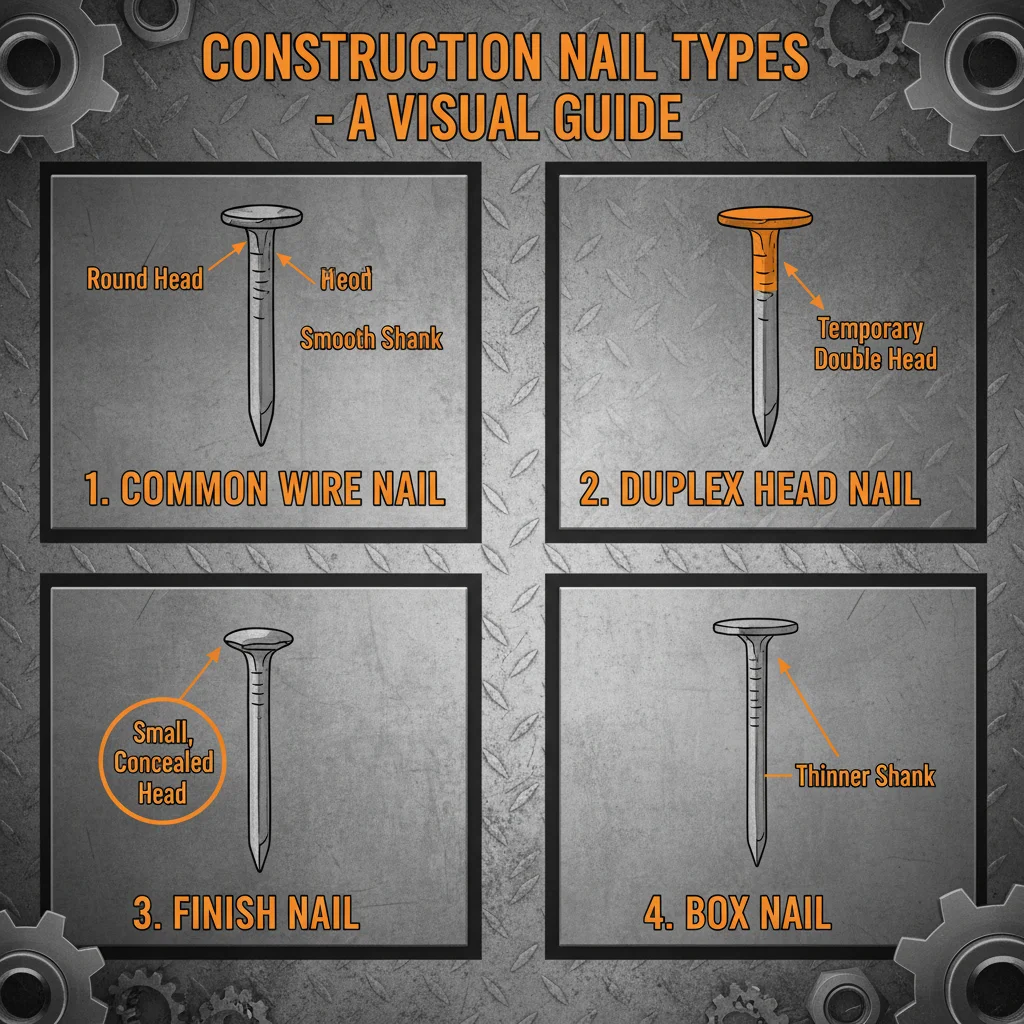
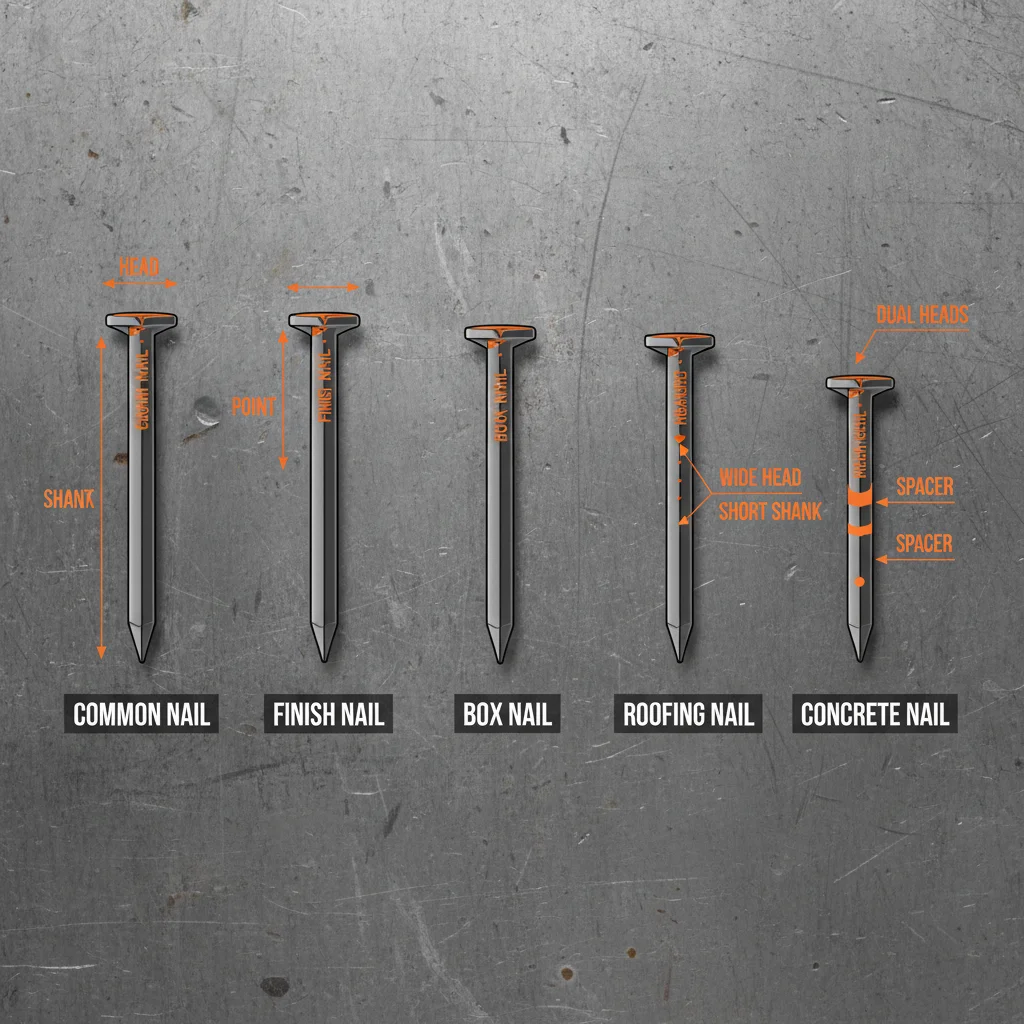
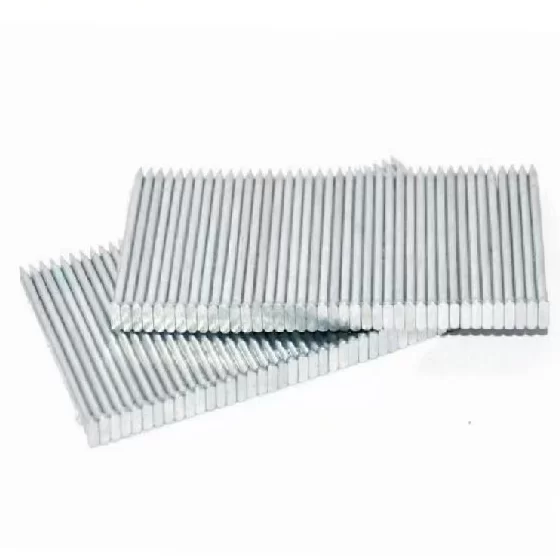
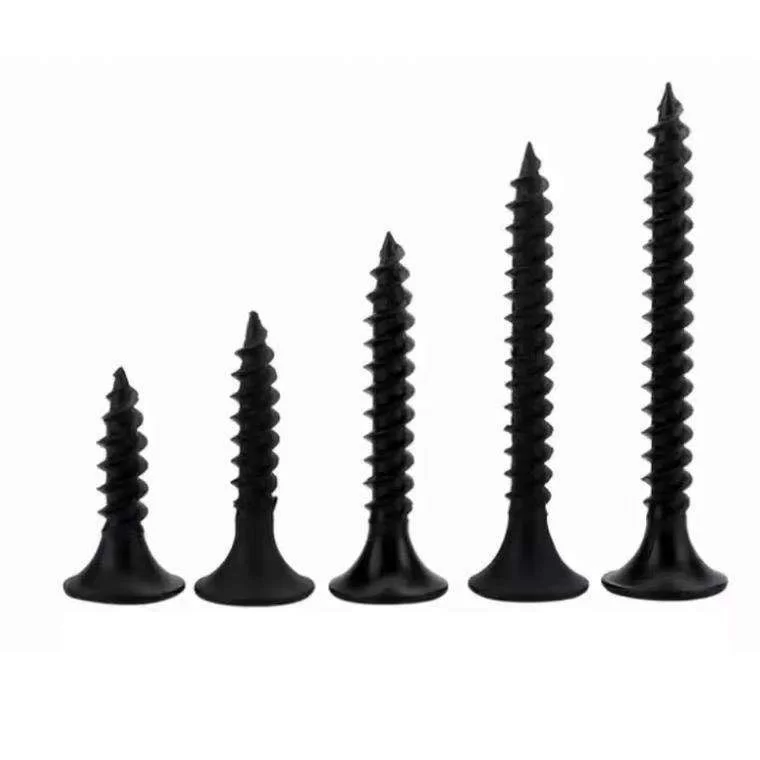
Carpentry hardware, encompassing a vast array of fasteners, connectors, and finishing elements, forms the fundamental backbone of construction and woodworking globally. From the simplest nail to complex engineered connectors, these components dictate the structural integrity, aesthetic appeal, and longevity of countless structures. The demand for reliable and innovative carpentry hardware is constantly growing, driven by urbanization, infrastructure development, and a rising emphasis on sustainable building practices. Understanding its nuances is crucial for professionals and enthusiasts alike.
The global carpentry hardware market is a multi-billion dollar industry, significantly impacted by economic conditions, housing trends, and material science advancements. According to recent reports, the Asia-Pacific region currently dominates the market, fueled by rapid construction in countries like China and India. However, demand is steadily increasing in other regions as well, spurred by infrastructure projects and the renovation of existing buildings. Challenges exist in maintaining consistent quality standards and addressing supply chain disruptions, as highlighted by recent global events.
Carpentry hardware isn't simply about holding wood together; it’s about ensuring safety, durability, and the realization of architectural visions. The ongoing need for resilient infrastructure, coupled with a growing demand for custom woodworking projects, continues to propel innovation within this essential sector. Mastering the selection and application of appropriate carpentry hardware is paramount to creating structures that endure and inspire.

The Foundation of Building: Understanding carpentry hardware
At its heart, carpentry hardware provides the means to securely join wooden components, creating everything from simple furniture to complex architectural structures. Beyond basic fastening, modern carpentry hardware encompasses a sophisticated range of products designed for specific applications – from heavy-duty timber framing connectors to decorative hinges and pulls. The evolution of these materials reflects a continuous pursuit of improved strength, durability, and ease of use.
The selection of appropriate carpentry hardware significantly impacts the longevity and structural integrity of any woodworking project. Choosing the right screw, nail, or connector for a particular wood type and application is critical to prevent failures such as splitting, shearing, or corrosion. It's a field where detailed knowledge and careful consideration are essential for optimal results.
The Global Significance of carpentry hardware
The demand for carpentry hardware is intrinsically linked to global construction activity. Emerging economies undergoing rapid urbanization are experiencing substantial growth in this sector. Furthermore, the increasing popularity of DIY projects and home renovations in developed nations contributes significantly to market demand. Statistics from the United Nations indicate that over half of the world's population now lives in urban areas, driving an unprecedented need for housing and infrastructure.
Supply chains for carpentry hardware are complex and often span multiple continents. Manufacturers in countries like China and Taiwan are major exporters, while raw material sourcing can originate from diverse locations. Recent geopolitical events and logistical challenges have highlighted the vulnerability of these supply chains, leading to increased costs and delivery delays. Diversification of sourcing and investment in domestic production are becoming increasingly important strategies.
Sustainability is also playing a growing role. Consumers and builders are increasingly seeking environmentally friendly options, such as hardware made from recycled materials or treated with eco-friendly coatings. Regulatory pressures to reduce carbon footprints and promote sustainable building practices are further driving this trend.
Defining carpentry hardware: A Core Component of Construction
Carpentry hardware refers to the metallic components used in woodworking and construction to fasten, join, support, or decorate wooden structures. This broad category includes nails, screws, bolts, hinges, latches, handles, brackets, connectors, and various specialized fasteners. Unlike purely structural materials like lumber, carpentry hardware provides the crucial element of securement and functionality.
The connection between carpentry hardware and modern industry is profound. Advancements in metallurgy, manufacturing processes, and coating technologies have led to the development of increasingly specialized and high-performing hardware. For example, stainless steel screws offer superior corrosion resistance for outdoor applications, while engineered wood screws provide enhanced holding power in hardwoods. These innovations directly impact the quality and durability of construction projects.
Even in humanitarian contexts, readily available and reliable carpentry hardware is essential for building shelters, repairing infrastructure, and supporting disaster relief efforts. The ability to quickly assemble temporary structures using simple hand tools and durable hardware can be life-saving in emergency situations.
Key Attributes of Quality carpentry hardware
Several key factors define the quality and suitability of carpentry hardware for a given application. Durability, ensuring resistance to wear, tear, and environmental factors, is paramount. Scalability, meaning the availability of hardware in various sizes and configurations to meet diverse project needs, is also essential.
Cost-efficiency, balancing performance with affordability, is a critical consideration for many projects. Beyond these core factors, corrosion resistance, ease of installation, and aesthetic appeal contribute to the overall value of carpentry hardware. Choosing the right material – steel, stainless steel, brass, or aluminum – is crucial for optimizing these attributes.
Performance Ratings of Common carpentry hardware Methods
Applications of carpentry hardware Across Industries
Carpentry hardware finds application across a remarkably diverse range of industries. In residential construction, it's used for framing, roofing, flooring, and finishing. Commercial building projects utilize specialized hardware for structural connections, fire safety systems, and architectural features.
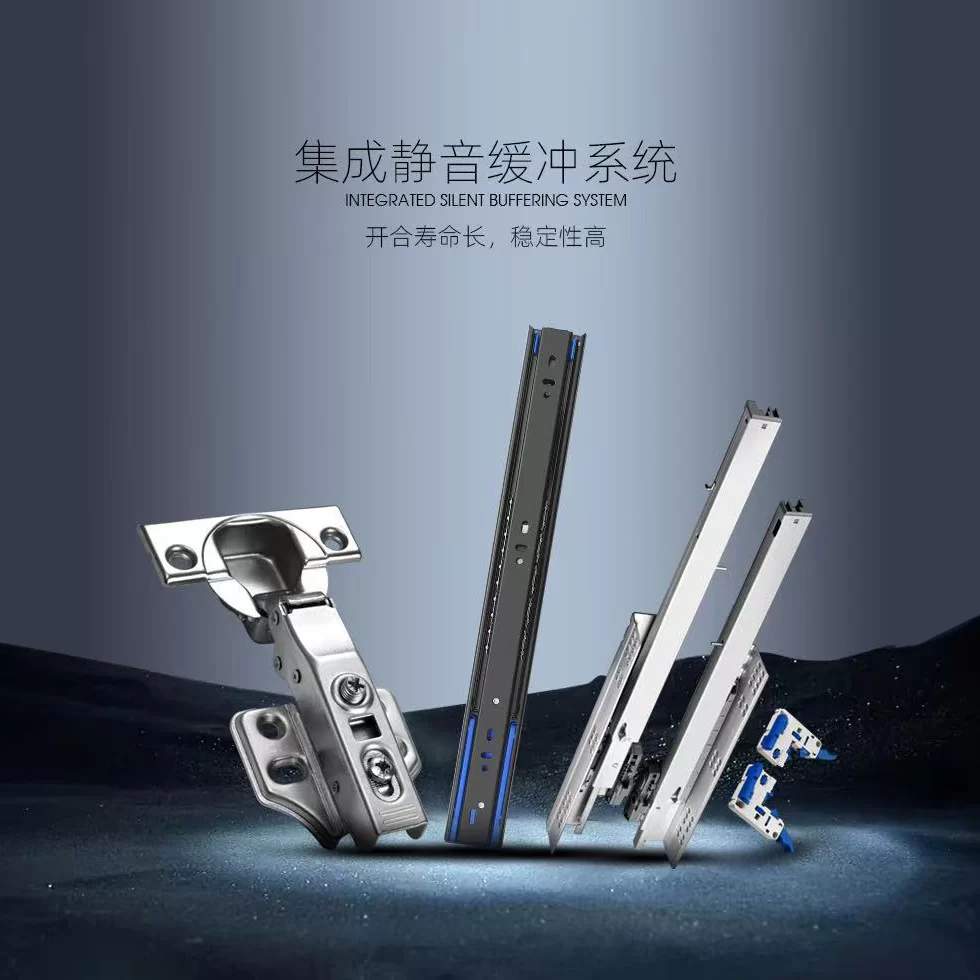
The furniture industry relies heavily on hardware for assembling cabinets, chairs, tables, and other pieces. The marine industry employs corrosion-resistant hardware for boat building and repair. Even in artistic and sculptural applications, carpentry hardware plays a role in creating durable and visually appealing works. In post-disaster relief operations, quick-assembly shelters rely heavily on standardized hardware components for rapid deployment.
The Long-Term Value and Benefits of Superior carpentry hardware
Investing in high-quality carpentry hardware delivers tangible benefits beyond immediate functionality. Lower life-cycle costs result from reduced maintenance and fewer replacements. Enhanced sustainability is achieved through the use of durable materials and responsible manufacturing processes.
Superior hardware contributes to increased safety by ensuring structural integrity and preventing failures. The peace of mind that comes with knowing a structure is securely built adds intangible value. Furthermore, the aesthetic appeal of well-chosen hardware can elevate the overall look and feel of a project, enhancing its market value and creating a sense of pride for the builder and owner.
Future Trends and Innovations in carpentry hardware
The future of carpentry hardware is being shaped by several key trends. The development of smart hardware, incorporating sensors and connectivity for monitoring structural health, is gaining traction. Advancements in materials science are leading to the creation of stronger, lighter, and more durable fasteners.
Digital transformation is revolutionizing hardware design and manufacturing, with 3D printing and automated production processes becoming increasingly prevalent. A growing emphasis on sustainability is driving demand for eco-friendly materials and circular economy solutions. Automation in construction, utilizing robotic systems for precise hardware installation, is also expected to gain momentum.
Green building certifications, such as LEED, are influencing hardware choices. Products with lower embodied carbon and reduced environmental impact are favored in these projects. The integration of carpentry hardware with Building Information Modeling (BIM) software will enable more accurate project planning and efficient material management.
Core Factors Influencing Future carpentry hardware Development
| Material Innovation |
Digital Integration |
Sustainability Focus |
Performance Metrics |
| Development of bio-based polymers |
BIM integration for hardware selection |
Increased use of recycled content |
Tensile Strength (Rating 1-10) |
| Enhanced corrosion resistance alloys |
AI-powered hardware optimization |
Reduced carbon footprint manufacturing |
Shear Strength (Rating 1-10) |
| Self-healing materials for fasteners |
IoT-enabled hardware monitoring |
Life Cycle Assessment (LCA) reporting |
Durability (Rating 1-10) |
| Lightweight composite materials |
Augmented reality (AR) installation guides |
Waste reduction in packaging |
Corrosion Resistance (Rating 1-10) |
| Shape-memory alloys for adaptive fasteners |
Digital twins for hardware performance simulation |
Closed-loop material recovery systems |
Installation Speed (Rating 1-10) |
| Nano-coated surfaces for enhanced grip |
Blockchain for supply chain traceability |
Ethical sourcing of raw materials |
Cost-Effectiveness (Rating 1-10) |
FAQS
Galvanized steel features a zinc coating that offers good corrosion resistance for general outdoor use. However, stainless steel provides superior protection, especially in harsh environments like saltwater or areas exposed to chemicals. Stainless steel is more expensive initially but boasts a significantly longer lifespan and requires less maintenance, making it a better long-term investment for demanding applications. Understanding the specific environment is key to selecting the appropriate material.
Different wood species have varying densities and grain patterns, influencing the best screw type. For softwoods like pine, standard wood screws often suffice. Hardwoods like oak or maple require screws with hardened tips and aggressive threads to prevent splitting and ensure a secure hold. Self-tapping screws are beneficial for hardwoods, reducing the need for pre-drilling. Consider the screw’s gauge (diameter) and length for optimal strength and penetration.
Timber connectors, like joist hangers, angle brackets, and post bases, are designed to create strong and reliable connections between wooden members. They’re crucial for structural applications where load-bearing capacity is paramount, such as building decks, framing walls, and constructing roofs. Using connectors ensures code compliance and enhances the safety and stability of the structure, particularly in areas prone to seismic activity or high winds.
Several techniques can minimize stripping. Pre-drilling pilot holes, especially in hardwoods, is essential. Use the correct screw size and type for the application. Apply consistent pressure while driving the screw and avoid over-tightening. Using a screw driving bit with a good grip and ensuring the bit is properly seated in the screw head also helps. For particularly fragile wood, consider using lubricant or screws with self-tapping features.
Proper storage is crucial for preserving the integrity of carpentry hardware. Store hardware in a dry, well-ventilated environment, away from direct sunlight and moisture. Using airtight containers or plastic bags can provide additional protection against humidity. Consider adding desiccant packets to absorb any remaining moisture. Regularly inspect stored hardware for signs of rust and address them promptly with a rust inhibitor.
Yes, increasingly there are eco-friendly options available. Look for hardware made from recycled metals, bio-based plastics, or sustainably sourced materials. Choose finishes that are low in volatile organic compounds (VOCs). Supporting manufacturers committed to responsible manufacturing practices is also a good way to contribute to a more sustainable industry. Consider hardware with longer lifespans to reduce the need for frequent replacements.
Conclusion
In conclusion, carpentry hardware is far more than just fasteners; it's the fundamental building block of countless structures, impacting safety, durability, and aesthetic appeal. Understanding the nuances of material selection, proper application techniques, and emerging trends is crucial for professionals and enthusiasts alike. The continuous innovation in this sector – from smart hardware to sustainable materials – promises to further enhance the performance and longevity of woodworking projects worldwide.
Looking ahead, prioritizing quality carpentry hardware is an investment in lasting value. By embracing sustainable practices, staying informed about technological advancements, and adhering to industry best practices, we can ensure the creation of structures that are not only beautiful and functional but also resilient and environmentally responsible. Visit our website at lianshiwjnail.com to explore our extensive range of carpentry hardware solutions.