
Hit enter to search or ESC to close
Dec 4, 2025


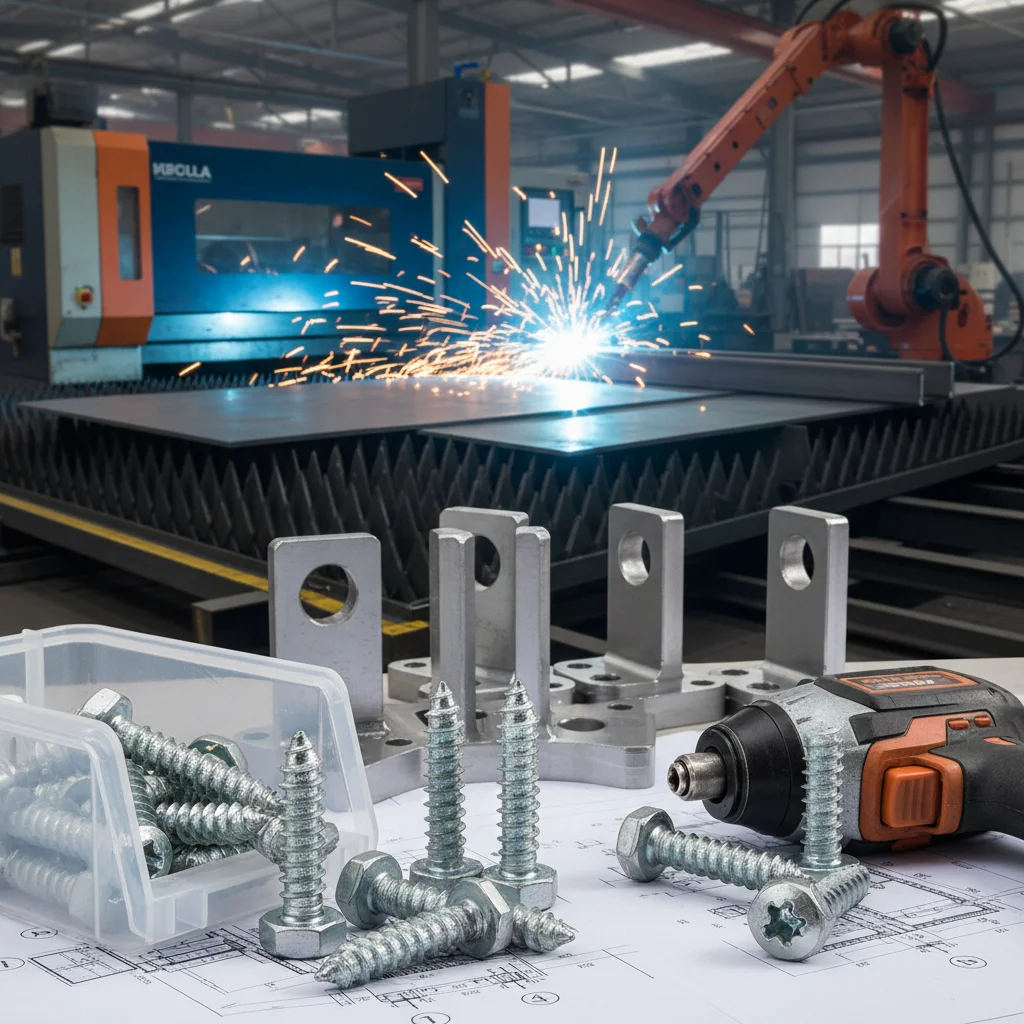
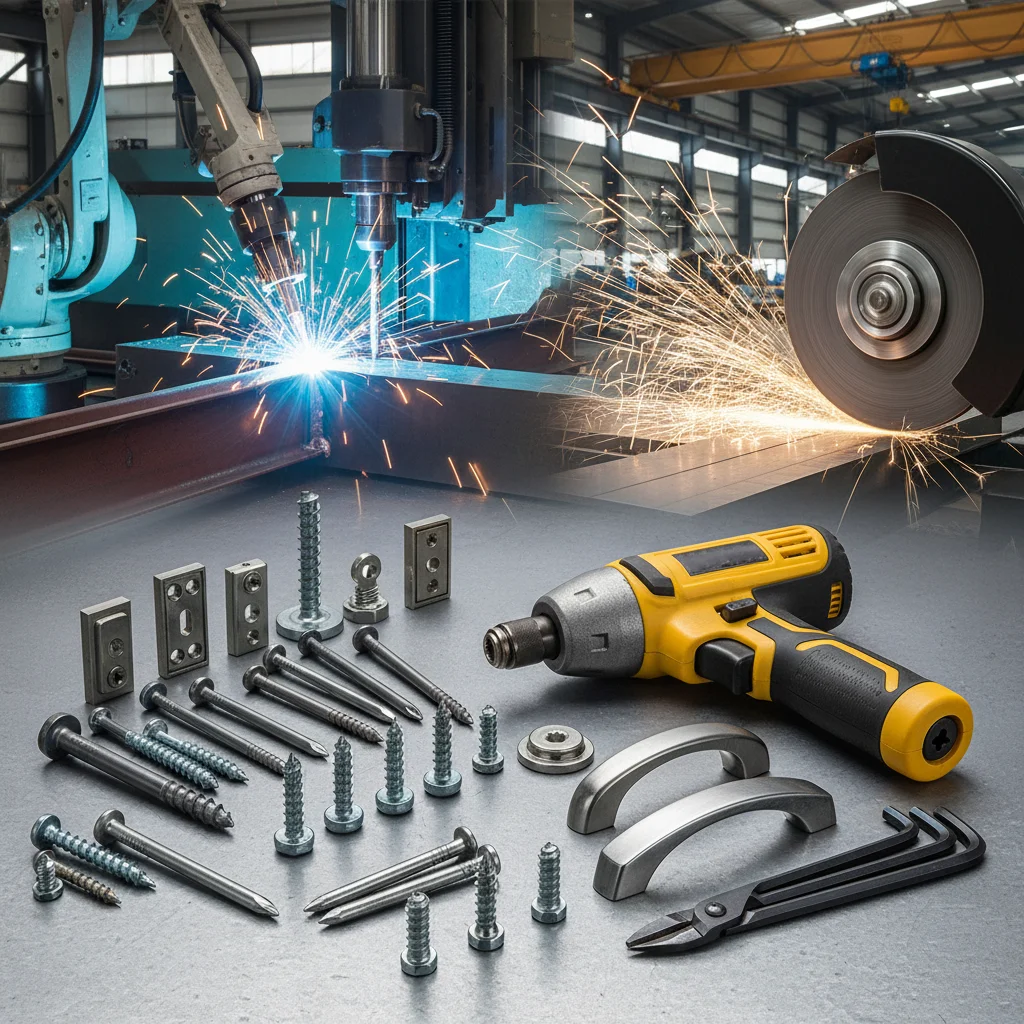
Having spent a good chunk of my career knee-deep in industrial equipment and installation, I can tell you these wood to steel self tapping screws stand out in ways that might surprise folks new to the trade. They’re not just another fastener; they seamlessly merge the best of both materials—a screw designed explicitly to penetrate steel while gripping wood firmly. Oddly enough, that combination is trickier than it sounds, but getting it right saves a ton of headaches in the field.
Let me walk you through what makes these screws tick, some specs, and why, frankly, it’s worth paying attention to who you source from.
The magic lies in their design. Usually, self tapping screws are either optimized for metal or for wood, but these blend both. The tip and thread geometry let them easily pierce steel sheets—usually between 0.5 to 1.2 mm thickness—while their main body threads are spaced widely enough to anchor solidly into wood without stripping. It’s like the screw “speaks both languages.”
Material-wise, most good quality ones are made from hardened carbon steel with a corrosion-resistant zinc or polyester coating. This isn’t just for show; in outdoor or industrial environments, that coating battles rust and weathering so the joint doesn’t weaken over time. In a couple of projects I’ve managed, I noticed how coated screws lasted visibly better than plain ones—an investment worth the slightly higher upfront cost.
| Specification | Details |
|---|---|
| Material | Hardened Carbon Steel |
| Coating | Zinc or Polyester |
| Length Range | 16mm - 75mm |
| Thread Type | Coarse for wood, sharp tip for steel |
| Steel Sheet Compatibility | 0.5mm – 1.2mm Thickness |
| Drive Type | Phillips / Pozidriv / Hex |
Frankly, not all suppliers are created equal when it comes to these specialized screws. I’ve seen spec sheets that look similar but the actual performance varies — real-world testing matters. Here’s a quick rundown of a few popular manufacturers I've worked with or sourced from:
| Vendor | Coating Quality | Steel Penetration Ease | Availability & MOQ | Price Range |
|---|---|---|---|---|
| Lianshi | Excellent corrosion resistance | Smooth, clean piercing | Low MOQ, good stock levels | Competitive |
| Vendor B | Good zinc plating | Moderate ease | Higher MOQ | Mid-Range |
| Vendor C | Basic coating | Tends to require pre-drilling | Small MOQ | Low |
I remember one winter job at a timber frame project with steel connectors. The screws from Lianshi just went in crisply — no wobbling, no need to pre-drill thin steel panels, which saved us hours. Their coating stood up to the moist weather nicely, with practically no rust even weeks after exposure. Many engineers around me swear by this brand for marrying workability and durability in one package.
They also offer customization options – whether you need specific lengths or head styles – which frankly, can be a lifesaver when tackling bespoke jobs. I suppose everyone has different preferences, but having that flexibility is often underestimated until you need it.
In real terms, if you’re fastening wood to steel and want a reliable, clean, and durable solution, these self tapping screws deserve a solid spot on your tool list. The right screw not only speeds up installation but cuts down callbacks and replacements — something that’s worth a lot in time and costs.
And of course, sourcing from known suppliers like wood to steel self tapping screws makers ensures you’re getting consistency and quality you can trust.
Thanks for reading — I hope my experience adds a layer of clarity to your next fastening project!
— John M., Industrial Equipment Specialist
JOIN OUR NEWSLETTER


If you are interested in our products, you can choose to leave your information here, and we will be in touch with you shortly.