
Hit enter to search or ESC to close
Dec 3, 2025


Sometimes the smallest things make the biggest difference. Take tap fix screws, for example. These cleverly designed screws aren’t just another fastener option — they play a vital role across multiple industries worldwide. From manufacturing to construction, their simple yet reliable function helps keep machines humming and structures intact. Understanding them, and their nuances, can save companies time, reduce costs, and even improve product safety. So, why do tap fix screws matter globally, and what benefits do they bring to the table? Let’s dive in.
Globally, industrial operations rely heavily on fasteners. According to the International Organization for Standardization (ISO), billions of fasteners are produced annually — many of which are screws like tap fix screws. They’re quietly essential for sectors ranging from automotive to aerospace, where precise, durable fastening is non-negotiable. The challenges? Fasteners must be reliable under stress, easy to install or remove, and affordable.
Oddly enough, many industries face downtime or quality issues linked to poorly chosen screws. Tap fix screws step in as a practical fix — they reduce assembly time and improve joint stability, which can ultimately boost productivity.
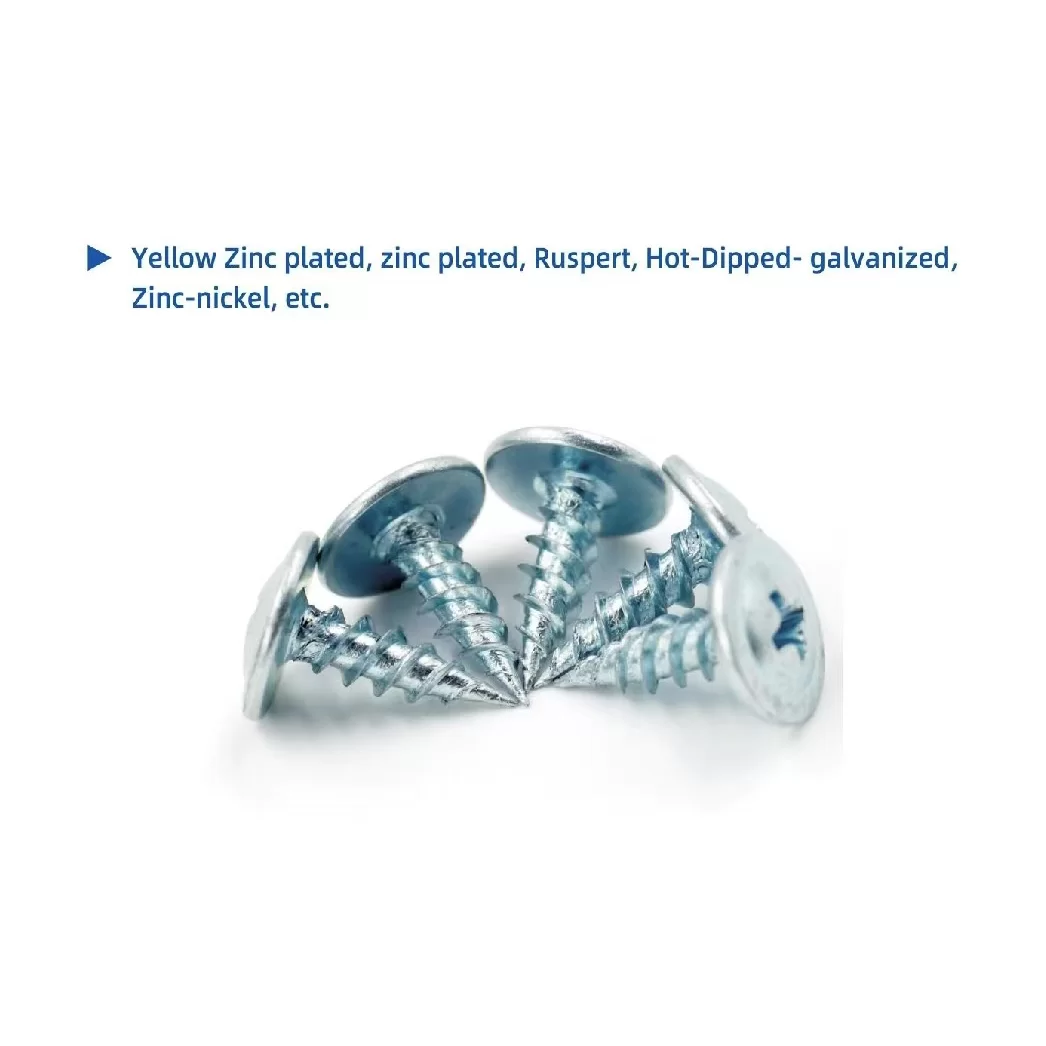
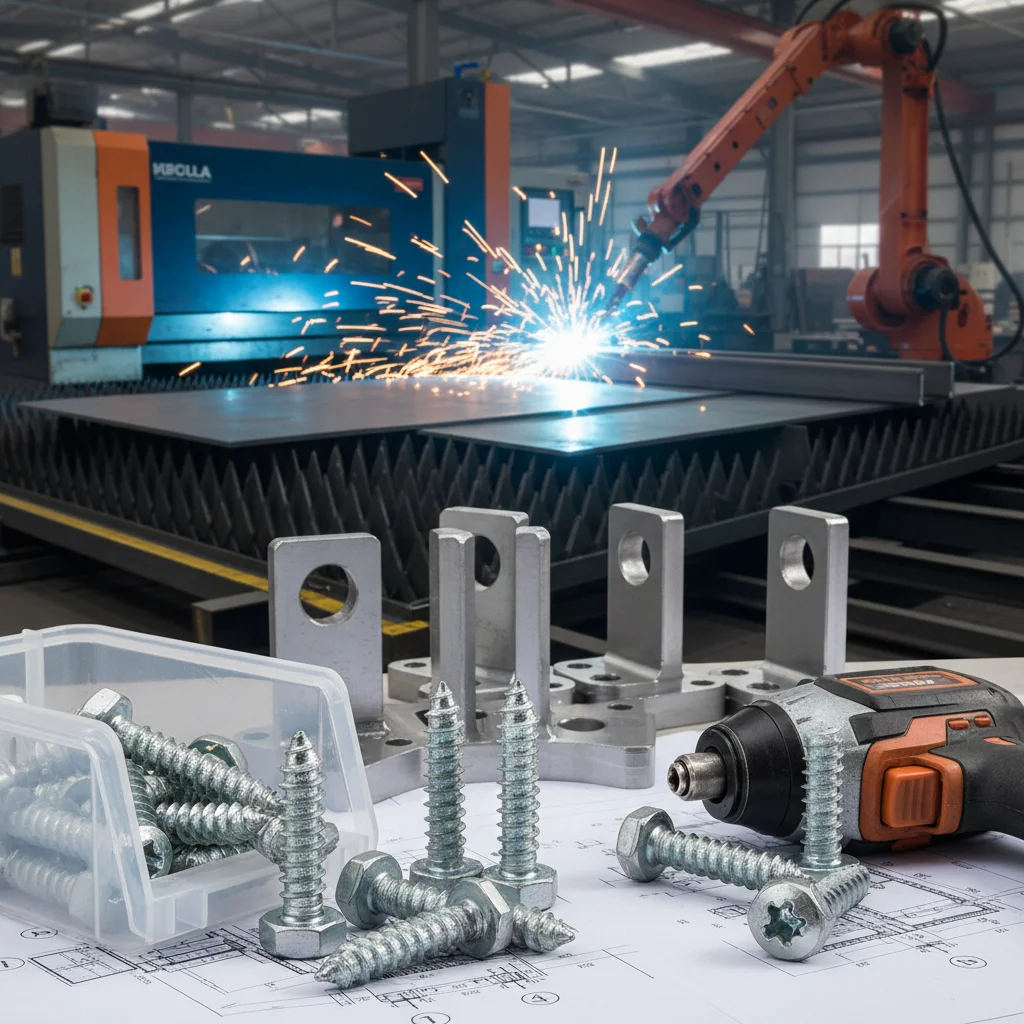
In simple terms, tap fix screws are self-tapping fasteners designed to cut or form threads in the material they’re driven into. Unlike regular screws that require pre-tapped holes, tap fix screws simplify assembly. They are engineered for durability and efficiency, commonly used on metals, plastics, or in composite materials.
In modern industry, they’re indispensable. Consider humanitarian projects or rapidly deployed shelters — tap fix screws help build structures quickly without needing bulky tools or extra parts, making them invaluable in remote or disaster-stricken areas.
Tap fix screws are often made from hardened steel or stainless steel, ensuring resistance to corrosion and mechanical wear. This means they can hold strong even in harsh environments, whether it’s salty sea air or industrial chemicals.
The thread geometry is crucial: it allows the screw to cut or form mating threads on-the-fly, providing a tight grip. This specialized design helps save time by eliminating pre-drilling steps in many cases.
Because tap fix screws are standardized and versatile, manufacturers can produce them in large quantities to suit small precision instruments or heavy machinery. This scalability aids industries hoping to streamline supply chains.
While the upfront cost per screw can be slightly higher than traditional screws, the overall installation time and labor savings make them economical. Fewer tools needed and less assembly error significantly cut operational costs.
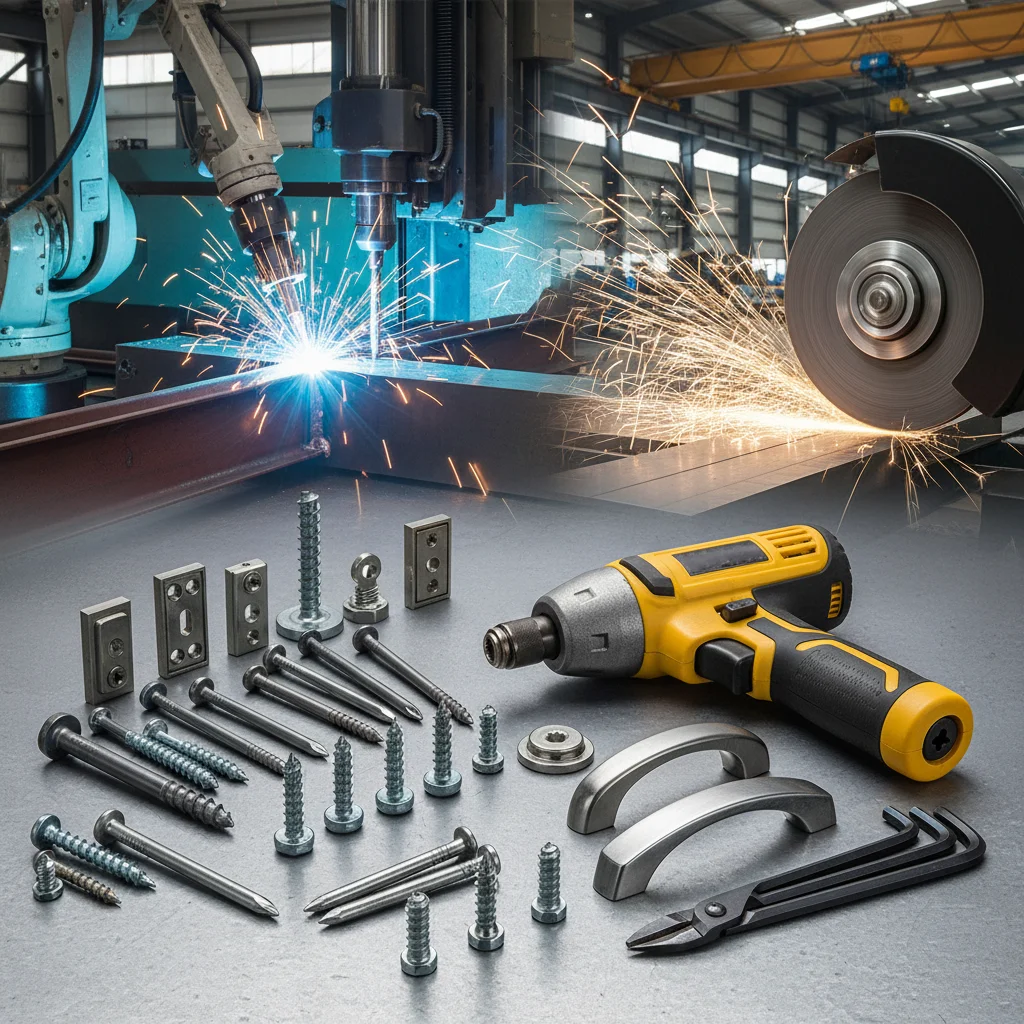
Tap fix screws can be installed with standard drivers or power tools. Their self-tapping nature reduces skill requirements for assembly workers — an important benefit when workforce training bandwidth is limited.
| Specification | Typical Value | Notes |
|---|---|---|
| Material | Stainless Steel A2-70 | Corrosion resistance |
| Thread Type | Self-tapping | Creates thread during installation |
| Size Range | M2 to M8 | Varied for different applications |
| Head Type | Pan, Hex, or Phillips | Based on tool compatibility |
| Torque Rating | 5-10 Nm | Depends on size and material |
Tap fix screws are everywhere — though often unnoticed. Aerospace companies rely on them to assemble lightweight panels quickly, while automotive plants use them on dashboards and engines, where reliability is non-negotiable. In developing regions, NGOs use buildings or equipment fixed with tap fix screws because they can be assembled without specialized bolts or tools.
For instance, in post-disaster relief operations — think areas hit by hurricanes or earthquakes — rapid deployment of shelters or medical units often involves tap fix screws. Their ease of use allows volunteer teams with little technical background to erect sturdy structures swiftly.
In remote industrial zones, the ability to fasten without extensive tooling can reduce project bottlenecks and minimize construction errors — saving money and headache.
When you choose tap fix screws, you gain:
On a personal note, many engineers I spoke with highlight how tap fix screws build trust — whether in cars or life-saving medical equipment. It feels good knowing that a small screw is doing a big job keeping everything secure and safe.
Looking ahead, new materials like bio-based composites and advanced stainless alloys could create tap fix screws that combine lightness with even greater durability. Digital transformation brings smart fasteners with embedded sensors to monitor torque and loosening, reducing maintenance surprises.
Policymakers increasingly emphasize sustainability and circular economy principles. Here, tap fix screws can play a role by enabling easier product disassembly and recycling. Automation in assembly lines increasingly favors self-tapping screws for speed and precision.
Of course, no solution is perfect. Sometimes, tap fix screws can struggle with very hard substrates or abrasive environments. Over-tightening might strip threads or damage components.
But innovations like coatings to reduce friction, reinforced threads, or combining torque-limiting drivers mitigate these issues. Training and clear specifications also help—many companies now use torque wrenches calibrated precisely for their screw types.
| Vendor | Material Options | Price Range (per 1000 pcs) | Global Shipping | Customization Services |
|---|---|---|---|---|
| Lianshiwjnail Co. | Stainless Steel, Alloy Steel | $350 - $420 | Yes (Worldwide) | Full custom orders accepted |
| GlobalFasteners Inc. | Carbon Steel, Stainless Steel | $310 - $390 | Limited (EU, NA) | Standard sizes only |
| TechFix Screws | Stainless Steel, Titanium | $450 - $520 | Global | Limited customization |
A1: Absolutely. Tap fix screws are versatile and designed to thread into various materials including plastics, aluminum, and certain composites. It’s important to pick a screw size and thread suitable for the specific material to avoid cracking or weak fastening.
A2: The recommended torque depends on screw size and material. Manufacturers usually provide torque specifications. Using a calibrated torque wrench helps avoid over-tightening, which can strip threads or break the screw.
A3: Generally, yes, but it depends on application. Removing and reusing tap fix screws repeatedly may degrade the thread integrity, especially in softer materials. For critical assemblies, replacement is recommended.
A4: In many cases, no. That’s their advantage — they create or “tap” their own mating threads during installation. However, for very hard or thick materials, a pilot hole might still be necessary to ensure proper installation.
In real terms, tap fix screws are unsung heroes in assembly operations. Combining reliability, efficiency, and ease of use, they reduce downtime and improve product lifespans. They are especially valuable in fast-paced industrial or humanitarian settings where speed and durability matter.
Ready to explore quality tap fix screws tailored to your needs? Visit our website at https://www.lianshiwjnail.com to browse products or request custom quotes. Your next project deserves the right fix.
To sum it up: Sometimes it really comes down to the right screw doing its job thoughtfully and skillfully.
JOIN OUR NEWSLETTER


If you are interested in our products, you can choose to leave your information here, and we will be in touch with you shortly.