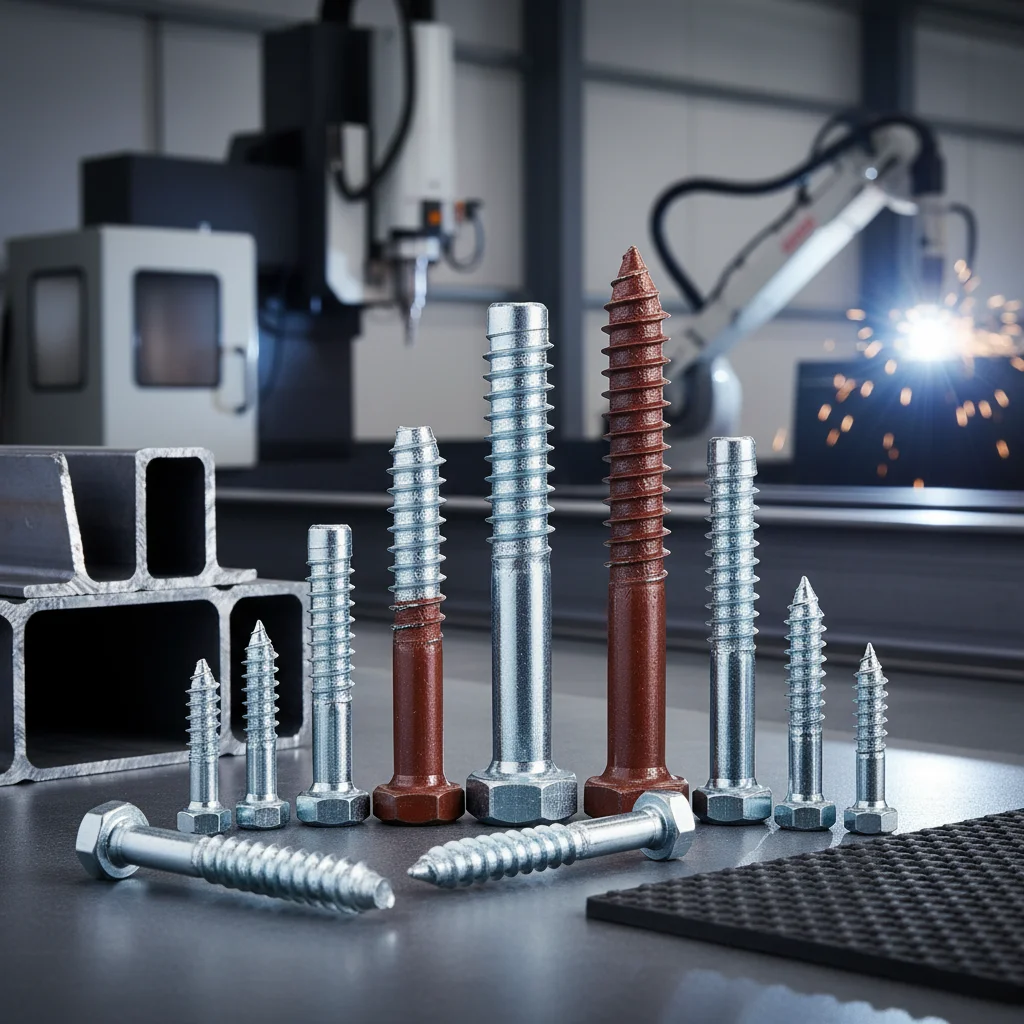
When it comes to the structural integrity of outdoor living spaces, the connection between the deck and the house is the most critical point of failure. Utilizing high-quality deck ledger board fasteners ensures that the ledger board remains securely anchored to the rim joist, preventing the catastrophic "deck collapse" scenarios that often result from improper nailing or rusted screws.
Globally, the construction industry is shifting toward engineered fastening solutions that prioritize shear strength and corrosion resistance. As building codes evolve to meet stricter safety standards, the demand for specialized deck ledger board fasteners has grown, moving away from traditional lag bolts toward innovative tension-tie systems and heavy-duty structural screws.
Understanding the nuances of these fasteners is not just about following a manual; it is about ensuring the long-term safety of residents and the longevity of the property. By selecting the right materials and installation methods, builders can create sustainable outdoor structures that withstand extreme weather conditions and heavy load capacities.

Global Importance of Deck Ledger Board Fasteners
The global residential construction market has seen a surge in outdoor living expansions, particularly in North America and Europe. However, data from international building safety reports suggest that a significant percentage of deck failures are attributed to improper ledger board attachment. This has elevated the status of deck ledger board fasteners from mere hardware to essential safety components.
Modern architectural standards now mandate specific withdrawal and shear capacities for these fasteners. The challenge lies in the variety of substrate materials—ranging from traditional timber to engineered LVLs—which requires a versatile approach to fastening to ensure that the deck remains an asset rather than a liability.
Defining the Mechanics of Ledger Fastening
In simple terms, deck ledger board fasteners are the specialized screws, bolts, or tension ties used to secure the ledger board (the primary support beam) directly to the house's structure. Their primary job is to resist the downward force of the deck's weight and the outward "pull" caused by the weight of people and furniture, known as tension.
From an industrial perspective, these fasteners bridge the gap between residential carpentry and structural engineering. Unlike standard nails, which can pull out over time due to the natural shrinkage and swelling of wood, professional-grade fasteners are designed to maintain a constant clamping force, ensuring the connection remains tight for decades.
The integration of these components into modern home building reflects a broader humanitarian need for safer living environments. By standardizing the use of high-tensile deck ledger board fasteners, the industry reduces the risk of structural accidents, providing peace of mind for homeowners and contractors alike.
Core Components of High-Performance Fasteners
One of the most critical aspects of deck ledger board fasteners is material durability. Because they are exposed to the elements, most high-end options utilize stainless steel or hot-dipped galvanized coatings to prevent corrosion. This is vital because the chemicals used in pressure-treated lumber can be highly corrosive to standard steel.
Shear strength and withdrawal resistance are the dual pillars of fastener performance. While shear strength prevents the board from sliding downward, withdrawal resistance ensures the board doesn't pull away from the house. Premium deck ledger board fasteners are engineered with deep threads and heat-treated cores to maximize both metrics.
Finally, ease of installation plays a significant role in practical application. The shift toward self-drilling tips in deck ledger board fasteners has reduced the need for pre-drilling, which not only saves labor costs but also minimizes the risk of splitting the wood, thereby preserving the structural integrity of the timber.
Engineering Standards and Performance Metrics
To evaluate the efficacy of various fastening methods, engineers look at the load-bearing capacity per unit. Not all deck ledger board fasteners are created equal; for instance, a structural screw typically offers far superior withdrawal resistance compared to a traditional galvanized nail.
The following analysis compares common fastening methods based on their performance ratings across several critical structural dimensions, highlighting why specialized solutions are preferred for modern deck construction.
Comparative Performance of Deck Ledger Board Fasteners
Global Applications and Regional Use Cases
In coastal regions of the United States and Australia, the application of deck ledger board fasteners must account for high salinity and humidity. In these environments, 316-grade stainless steel fasteners are the gold standard, as they prevent the "bleeding" of rust into the wood and ensure the connection doesn't degrade under salt-air exposure.
Conversely, in mountainous regions of Canada or Northern Europe, the focus shifts toward managing the freeze-thaw cycle. Fasteners must be able to withstand the contraction and expansion of wood without loosening. Here, high-torque deck ledger board fasteners with aggressive threading are used to maintain a permanent grip in dense, cold-climate softwoods.
Long-Term Value and Safety Advantages
Investing in premium deck ledger board fasteners provides immense tangible benefits, primarily in the form of reduced maintenance costs. While cheaper nails might be tempting during the initial build, they often lead to "sagging" decks that require expensive re-leveling or complete replacement within five to ten years.
Beyond the financial aspect, there is a profound emotional value: safety and trust. A deck is a place for family gatherings and relaxation; knowing that the structure is anchored by industry-leading deck ledger board fasteners transforms a potentially hazardous structure into a secure sanctuary.
Furthermore, the use of certified fasteners enhances the resale value of a property. Home inspectors specifically look for correct ledger attachments; a deck built with modern, code-compliant fastening systems is a selling point that demonstrates a commitment to quality and safety.
Future Trends in Fastening Technology
The future of deck ledger board fasteners is trending toward "smart" materials and sustainable coatings. We are seeing the emergence of nano-coatings that provide superior corrosion resistance without the environmental impact of traditional heavy-metal galvanization, aligning the industry with global green energy and sustainability goals.
Digital transformation is also playing a role, with BIM (Building Information Modeling) software now allowing architects to calculate the exact number and placement of deck ledger board fasteners required for a specific load, eliminating guesswork and reducing material waste on construction sites.
Additionally, automation in manufacturing is allowing for more complex fastener geometries, such as variable-pitch threads that grip more tightly as the screw is driven deeper. This innovation ensures that the connection to the house remains rock-solid even as the timber ages.
Technical Analysis of Fastener Material and Performance
| Fastener Material |
Corrosion Resistance |
Shear Strength |
Installation Speed |
| Stainless Steel 316 |
Exceptional (10/10) |
High (8/10) |
Moderate |
| Hot-Dipped Galv. |
Very High (8/10) |
Very High (9/10) |
Fast |
| Zinc Plated Steel |
Low (3/10) |
Moderate (6/10) |
Very Fast |
| Coated Structural |
High (7/10) |
Exceptional (10/10) |
Moderate |
| Carbon Steel |
Minimal (2/10) |
High (8/10) |
Fast |
| Polymer Composite |
Immune (10/10) |
Low (4/10) |
Fast |
FAQS
For pressure-treated wood, stainless steel or hot-dipped galvanized deck ledger board fasteners are essential. The chemicals used in treating the wood (like ACQ) are highly corrosive to standard steel, which can lead to premature failure of the connection. Stainless steel is preferred for coastal areas, while hot-dipped galvanized is sufficient for most inland projects.
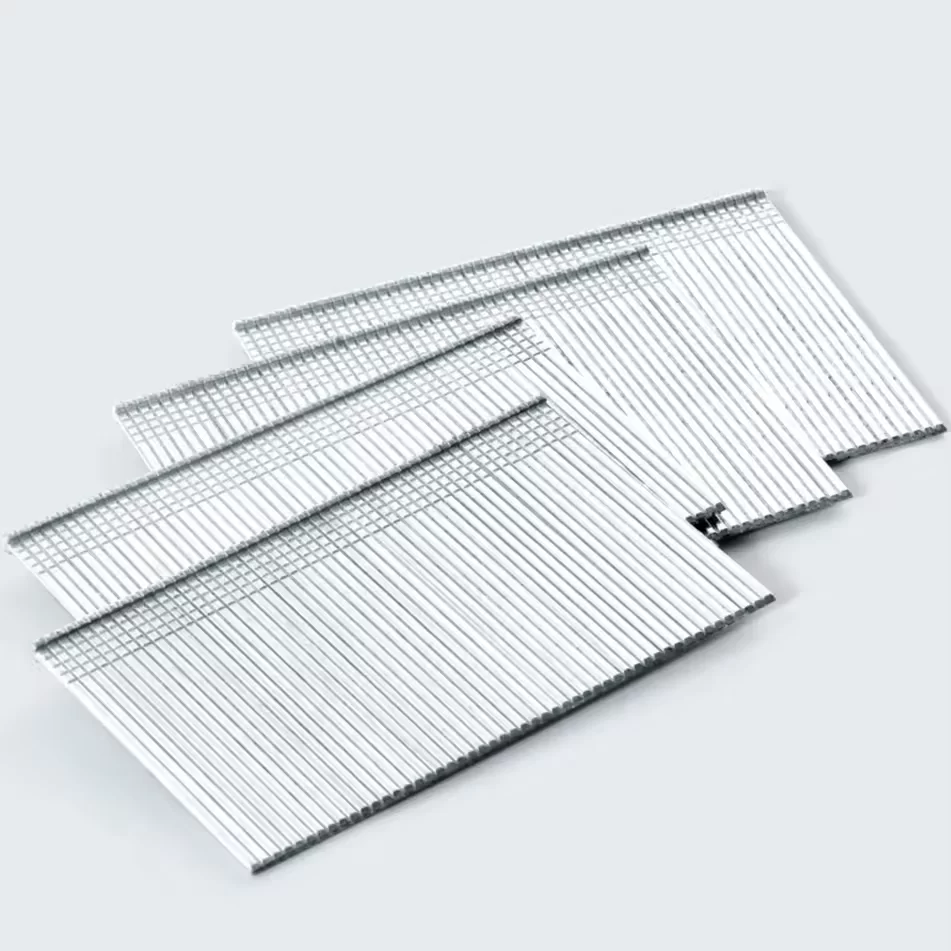
No, it is highly discouraged and often against building codes. Standard nails lack the withdrawal resistance necessary to prevent the ledger board from pulling away from the house. Structural screws or bolts are the only recommended deck ledger board fasteners because they provide a mechanical lock that nails simply cannot offer.
It is recommended to inspect your deck ledger board fasteners annually, preferably in the spring. Look for signs of rust, wood rot around the fastener head, or any visible gaps between the ledger board and the house. Early detection of loosening fasteners can prevent a total structural collapse.
Many modern deck ledger board fasteners feature self-drilling tips that eliminate the need for pre-drilling. However, if you are using traditional lag bolts, pre-drilling is mandatory to prevent the ledger board from splitting, which would significantly compromise the holding power of the fastener.
Lag bolts are thick and typically require a pre-drilled hole and a wrench for installation. Structural screws, as a type of deck ledger board fasteners, are thinner but made from high-strength heat-treated steel, allowing them to be driven with an impact driver while offering equal or superior shear and withdrawal strength.
Tension ties provide an additional layer of safety by transferring the load from the deck joists directly into the house floor joists. While they don't replace deck ledger board fasteners, using them in conjunction with structural screws creates the safest possible connection, especially for high-elevation decks.
Conclusion
The structural integrity of any outdoor deck rests entirely on the quality and installation of the deck ledger board fasteners. From choosing the right corrosion-resistant materials to ensuring maximum withdrawal strength, these small components perform the heavy lifting of the entire structure. By prioritizing engineered fasteners over traditional methods, builders can ensure a safe, durable, and code-compliant environment for years to come.
As we move toward more sustainable and technologically advanced construction, the role of specialized fastening systems will only grow. Whether you are a professional contractor or a DIY enthusiast, investing in premium hardware is the most cost-effective way to guarantee safety and longevity. For high-performance solutions and expert guidance, visit our website: www.lianshiwjnail.com